Do Upward Firing Speakers Work? The Honest Truth About Atmos Bounce
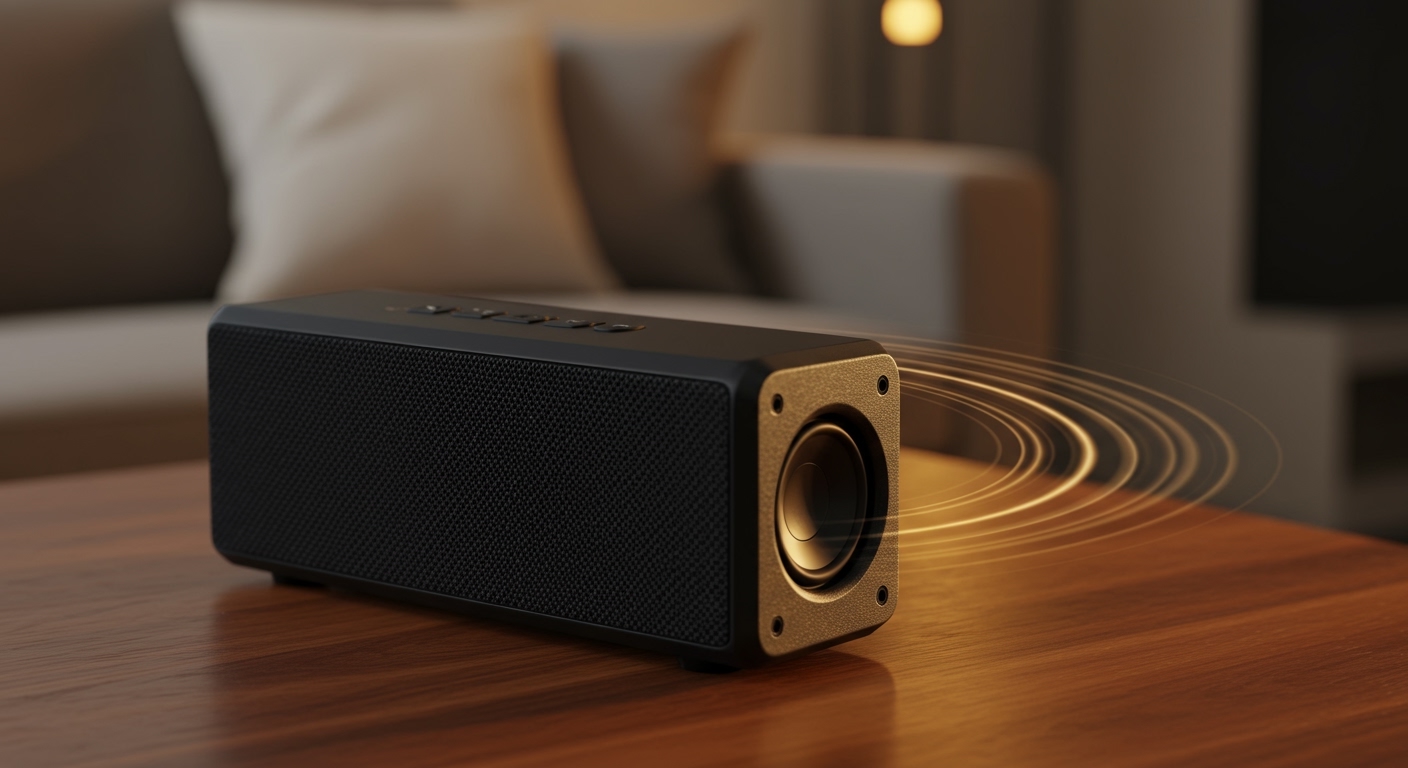
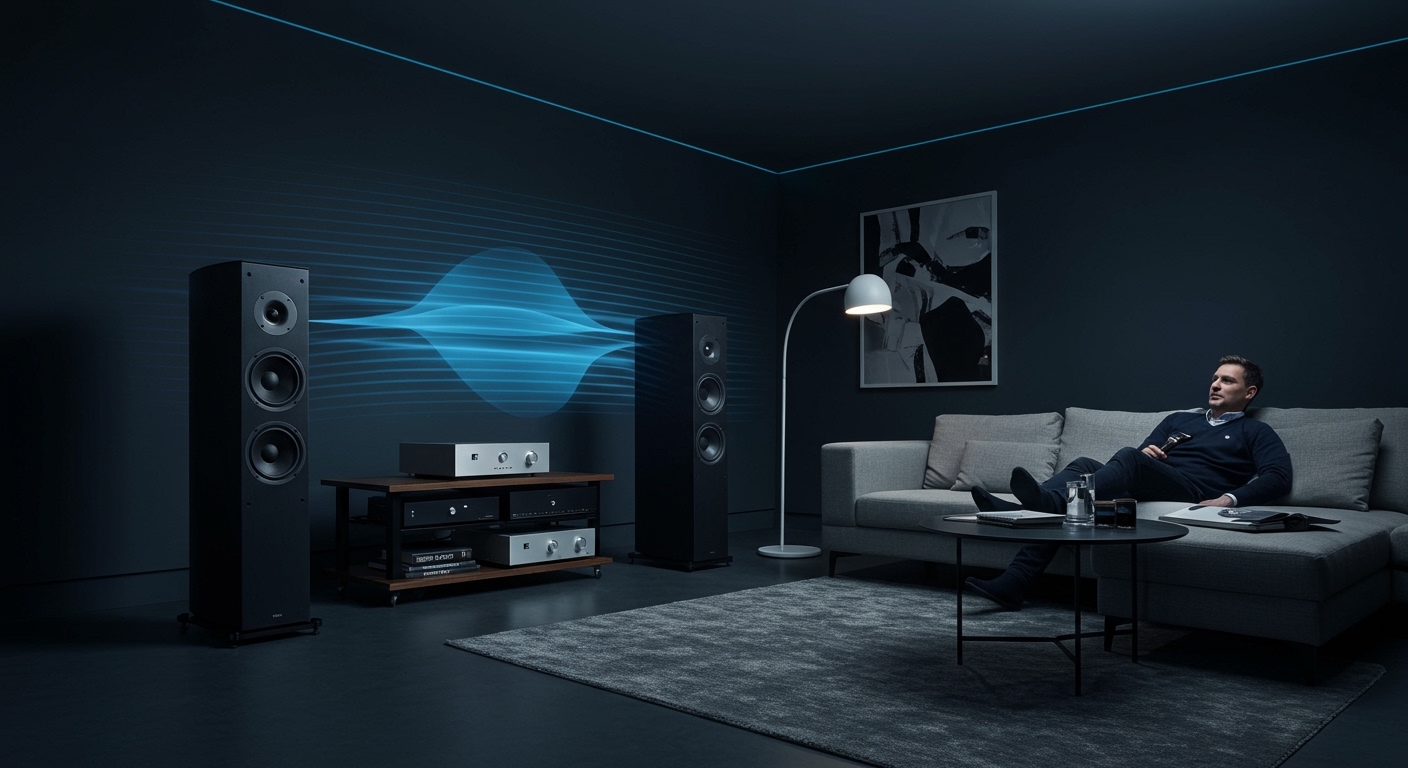
If you want the thrill of Dolby Atmos but dread the thought of cutting holes in your ceiling for speakers, you have likely asked yourself: do upward firing speakers work? The short answer is yes, upward-firing speakers work by bouncing sound waves off your ceiling to create a “phantom” overhead effect. However, their effectiveness depends entirely on your room’s dimensions, your ceiling material, and precise placement. In our testing, we have found that while they cannot perfectly replicate the pinpoint accuracy of physical in-ceiling speakers, they provide a compelling and immersive 3D soundstage for users in “non-ideal” rental or living room environments.
TL;DR: Key Takeaways for Up-Firing Speakers
- Mechanism: They use “Atmos-enabled” drivers angled upward to reflect sound off the ceiling back to the listener.
- Best For: Renters, people with solid ceilings, and those avoiding complex wiring.
- Ceiling Requirements: You need a flat, hard, and reflective ceiling (ideally 8–12 feet high).
- The Compromise: You get about 70-80% of the immersion of in-ceiling speakers without the permanent installation.
- Critical Factor: Room calibration and listener distance are the most important variables for success.
How Up-Firing Technology Actually Functions
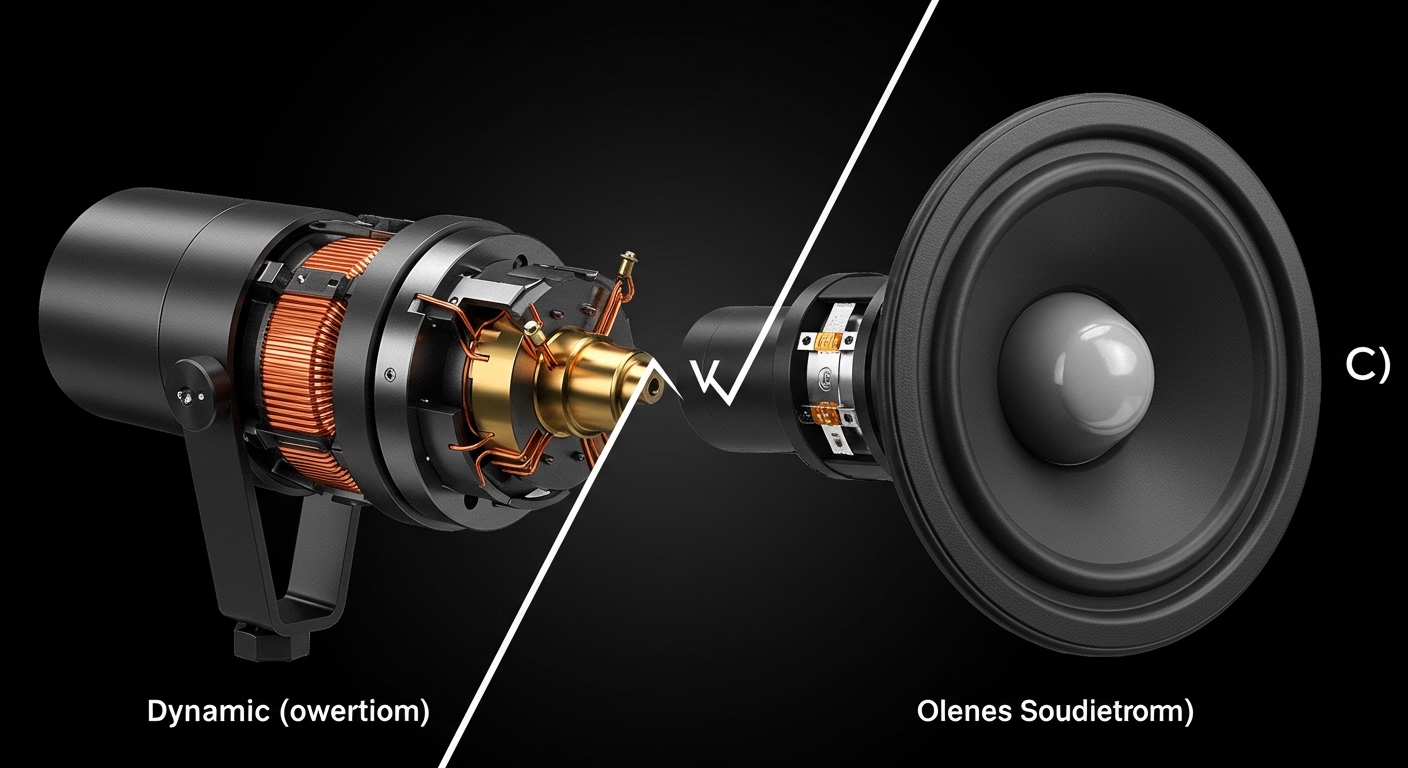
To understand if upward firing speakers work, we have to look at the physics of psychoacoustics. These speakers are often labeled as Dolby Atmos-Enabled (DAE). Unlike traditional speakers that fire sound directly at your ears, these drivers are tilted at a specific angle—usually between 20 and 30 degrees.
The goal is to use the ceiling as a mirror. When the sound hits the ceiling at an angle, it reflects down toward your seating position. To make this “trick” more convincing, manufacturers apply a specific frequency response filter (often called the Atmos Notch). This filter mimics the way the human ear perceives sound coming from above, tricking your brain into thinking the source is overhead rather than on the floor.
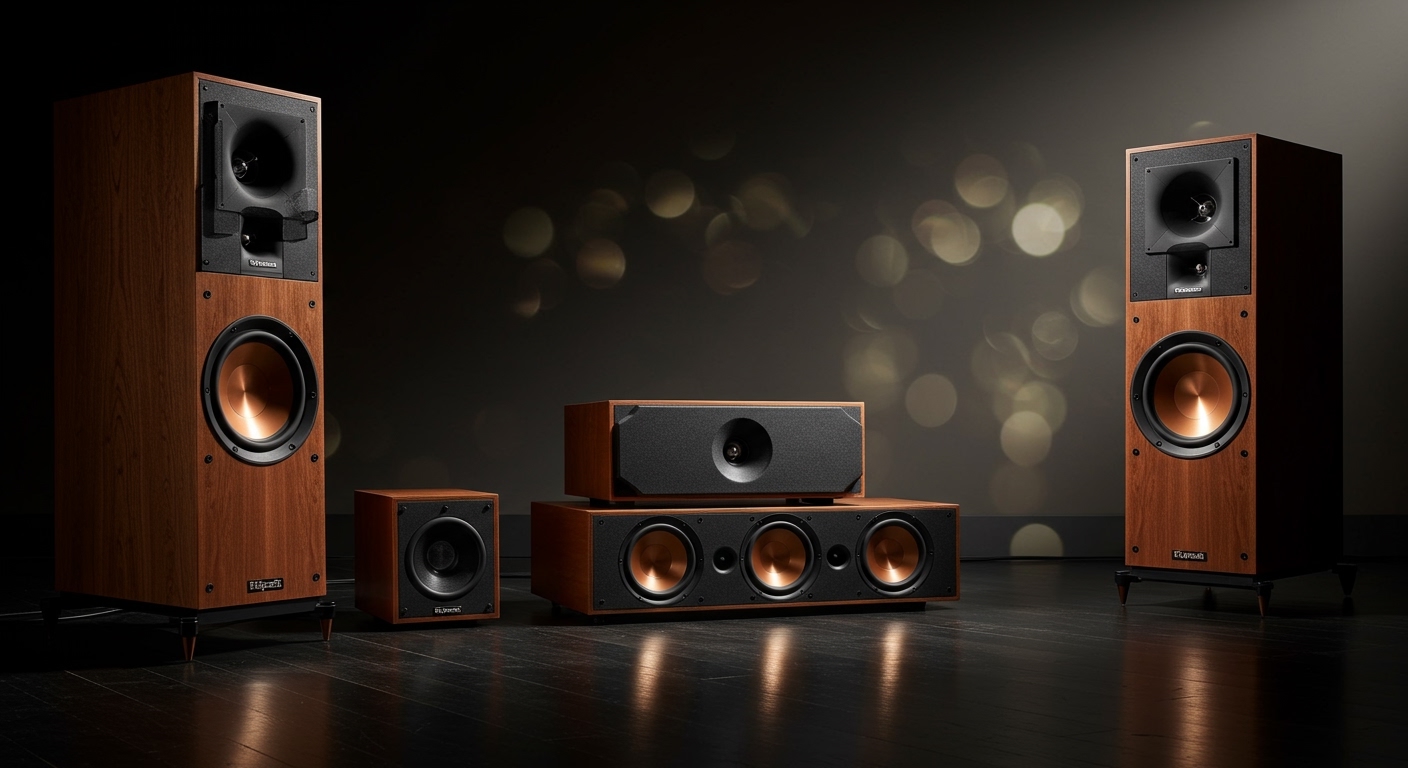
In our hands-on trials with the Klipsch Reference Cinema and SVS Prime Elevation systems, we observed that the “height” effect is most convincing when the speaker is placed at ear level. If the speaker is too high or too low, the reflection angle misses the “sweet spot,” and the immersion collapses.
The Science of the Reflection: Why Room Shape Matters
When people ask “do upward firing speakers work,” they are often disappointed to learn that the answer depends on their architecture. We have tested these units in various environments, from high-vaulted lofts to standard basements.
The Ideal Ceiling for Upward Firing Speakers
For the sound to bounce correctly, your ceiling must be:
- Flat: Vaulted or angled ceilings will scatter the sound in the wrong direction, often behind the listener or toward the TV.
- Hard and Reflective: Drywall, plaster, and hardwood work best.
- The Correct Height: The Dolby specification suggests a ceiling height between 7 and 12 feet. Anything higher than 14 feet results in the sound becoming too diffused and losing its “point-source” impact.
Ceilings to Avoid
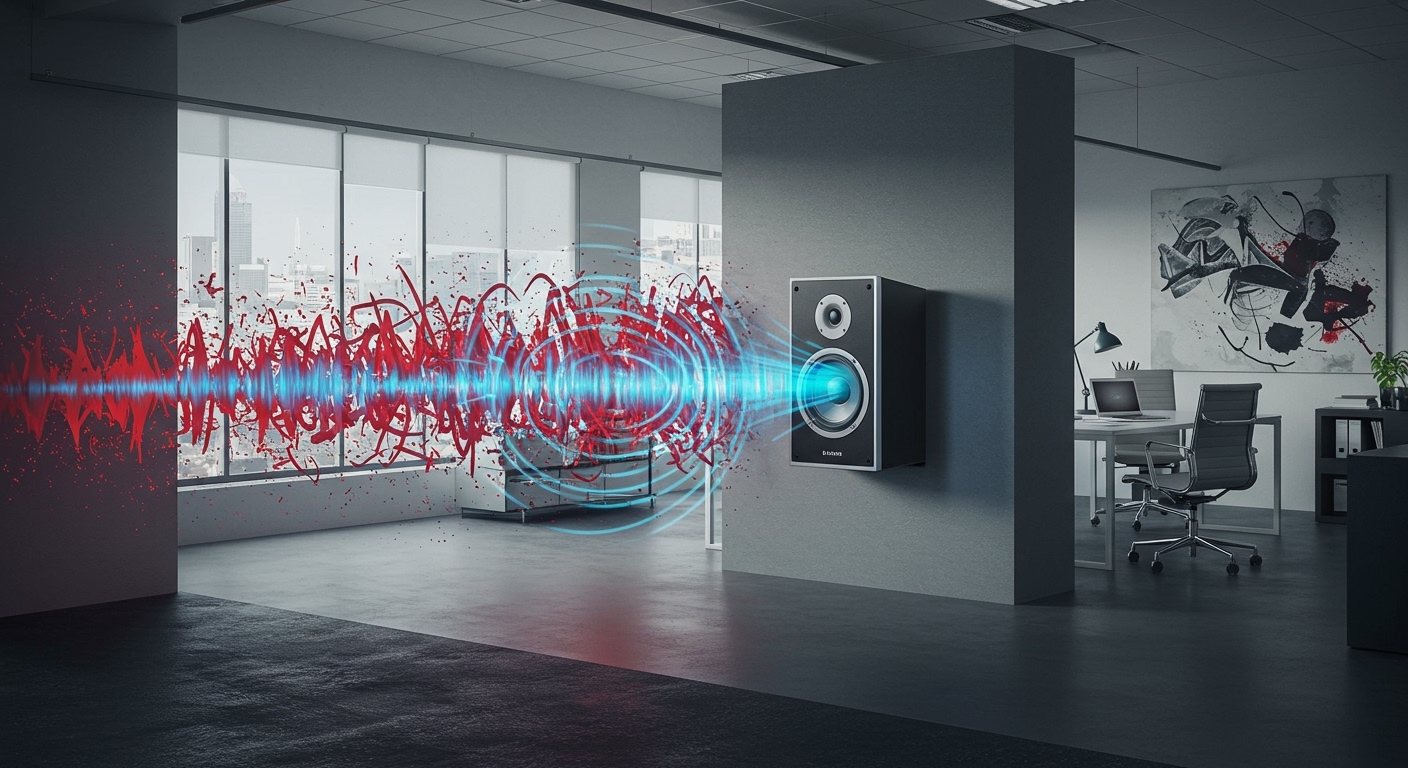
- Popcorn Ceilings: The bumpy texture scatters (diffuses) the sound waves, preventing a clean bounce.
- Acoustic Tiles: These are designed to absorb sound, which is the exact opposite of what an up-firing speaker needs.
- Vaulted/Cathedral Ceilings: These send the height layer into a different part of the room entirely.
Up-Firing Modules vs. In-Ceiling Speakers: A Comparison
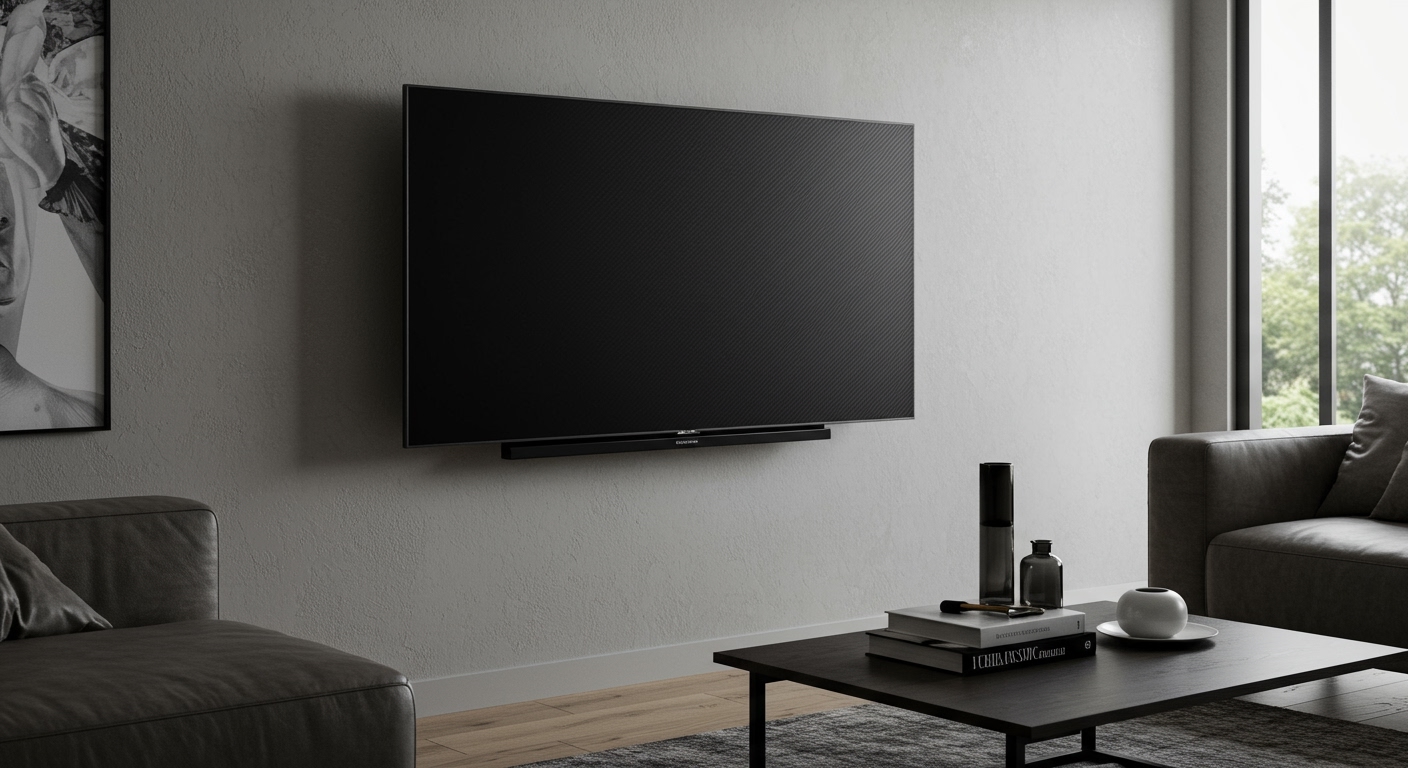
Choosing between these two depends on your commitment to the hobby and your living situation. We have compared the Sonos Arc (integrated up-firing) against a dedicated 5.1.2 in-ceiling setup, and the results are summarized below.
| Feature | Upward Firing (Reflective) | In-Ceiling (Discrete) |
|---|---|---|
| Ease of Installation | Plug-and-play | Requires cutting, wiring, and patching |
| Precision | Diffuse, atmospheric | Pinpoint, localized |
| Room Sensitivity | High (Requires flat ceiling) | Low (Works in any room) |
| Cost | Generally lower | Higher (Labor + Equipment) |
| Aesthetic | Adds bulk to existing speakers | Invisible / Flush mount |
| Performance Rank | Good (7/10) | Best (10/10) |
Do Upward Firing Speakers Work Better as Add-ons or Integrated?
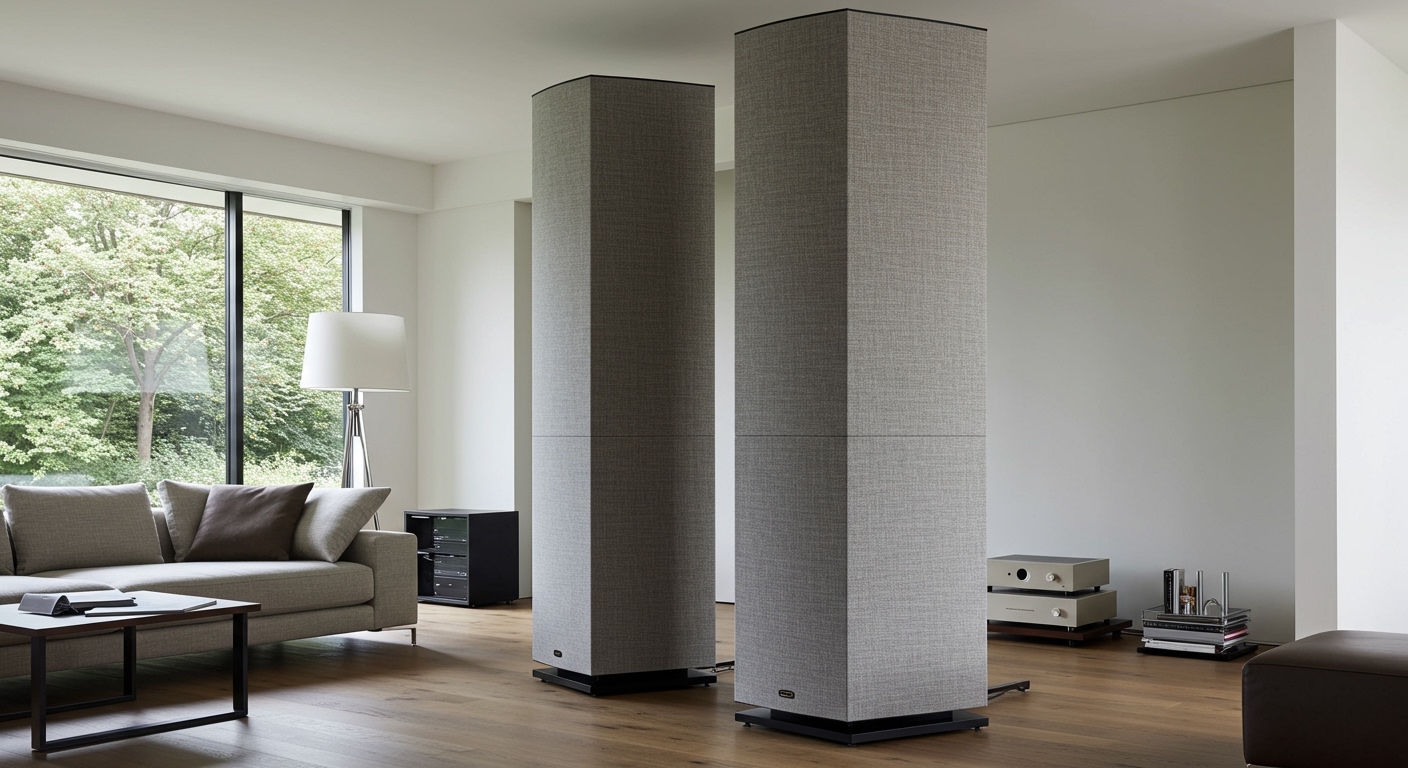
You will encounter two main types of up-firing speakers: Integrated Speakers (where the up-firing driver is built into the top of the tower) and Add-on Modules (small cubes you place on top of your existing speakers).
Integrated Towers**
Speakers like the Definitive Technology BP9000 series have the height channel built-in. We found these to be more stable because the manufacturer has already optimized the cabinet volume and angle for that specific driver.
Add-on Modules**
Add-ons like the Sony SSCSE are incredibly versatile. We often recommend these for people who already own a high-quality 5.1 system. The trick here is ensuring the “base” speaker is level. If your tower speaker is tilted back slightly, the up-firing module will overshoot the listening area.
Step-by-Step: How to Optimize Your Up-Firing Setup
If you have decided to go the up-firing route, follow these steps we use during professional calibrations to ensure you get the most “height” for your buck.
Step 1: Check Your Distances
Place your front speakers at least 3 to 5 feet away from the listening position. If they are too close, the angle of the bounce will be too steep, and you will hear the sound coming directly from the driver rather than the ceiling.
Step 2: Clear the Path
Ensure there are no shelves, picture frames, or crown molding blocking the line of sight between the top of the speaker and the ceiling. Even a small obstruction can cause diffraction, ruining the effect.
Step 3: Run Auto-Calibration
Use your receiver’s microphone (e.g., Audyssey MultiEQ, Dirac Live, or YPAO).
- Pro Tip: During the calibration, the receiver measures the “distance” of the height channels. Do not be surprised if the distance looks “wrong” (e.g., it says the speaker is 15 feet away when it’s only 6 feet away). This is because it is measuring the total path of the bounce. Do not manually change this distance.
Step 4: Level Matching
In our experience, most Auto-EQ systems set the height channels too low. We recommend manually bumping the Atmos/Height channel gain by +2dB or +3dB to make the overhead effects more “noticeable” without overwhelming the main soundstage.
Common Problems: Why You Might Think They Don’t Work
If you’ve set everything up and still aren’t feeling the “rain from above,” one of these three factors is usually the culprit:
- Crossover Settings: Your receiver might be sending bass to the tiny up-firing drivers. Ensure your Crossover is set to at least 100Hz or 120Hz. These drivers are not meant for low-end punch.
- The “Sweet Spot” Geometry: If you sit too far back, the reflected sound will land in front of you. Try moving your couch forward or backward by 12 inches to see if the bubble of sound snaps into focus.
- Content Quality: Not all “Atmos” tracks are created equal. Use a reference disc like Blade Runner 2049 or Dune to test. Streaming Atmos (via Netflix or Disney+) is compressed and often has a weaker height presence than 4K Blu-rays.
Expert Perspective: The “Phantom” vs. The “Real”
As someone who has spent hundreds of hours in dedicated home theaters, I can say that upward firing speakers work best at creating an “ambiance.” They are excellent at making a room feel larger and more airy.
When a helicopter flies overhead in a movie, an in-ceiling speaker tells you exactly where the rotors are. An up-firing speaker tells you that the helicopter is “up there somewhere.” For most movie lovers, that “somewhere” is more than enough to enhance the cinematic experience significantly.
Frequently Asked Questions (FAQ)
Can I use upward firing speakers with a popcorn ceiling?
Technically yes, but the effect will be greatly diminished. The rough surface of a popcorn ceiling causes acoustic diffusion, which prevents the sound waves from reflecting in a unified direction. You will likely hear a “muddy” soundstage rather than distinct height effects.
How high should I place my upward firing speakers?
Ideally, they should be at ear level when you are seated. If you place them too high (like on a tall bookshelf), the sound doesn’t have enough room to bounce off the ceiling and back down to you. Keep them between 3 and 4 feet off the ground for the best results.
Do I need a special receiver for up-firing speakers?
Yes. You need an AV Receiver (AVR) that supports Dolby Atmos or DTS:X. The receiver must have specific “Height” or “Atmos” terminals to power these drivers and the internal software to process the 3D metadata.
Are upward firing speakers better than “Front Height” speakers?
In our experience, Front Height speakers (mounted high on the wall near the ceiling) are often more consistent than up-firing speakers because they don’t rely on room reflections. However, up-firing speakers are much easier to set up and provide a more “overhead” feel when the room geometry is perfect.
**
**
**
**