Understanding if Wired Speakers Need Power
Do wired speakers need power? Yes, all wired speakers require electrical power to move their internal drivers and produce sound, but how they receive that power depends on whether they are passive or active. Passive speakers do not plug into a wall; instead, they draw power directly from an external amplifier or audio receiver via speaker wire. Active (powered) speakers have a built-in amplifier and must be plugged into an AC wall outlet to function.
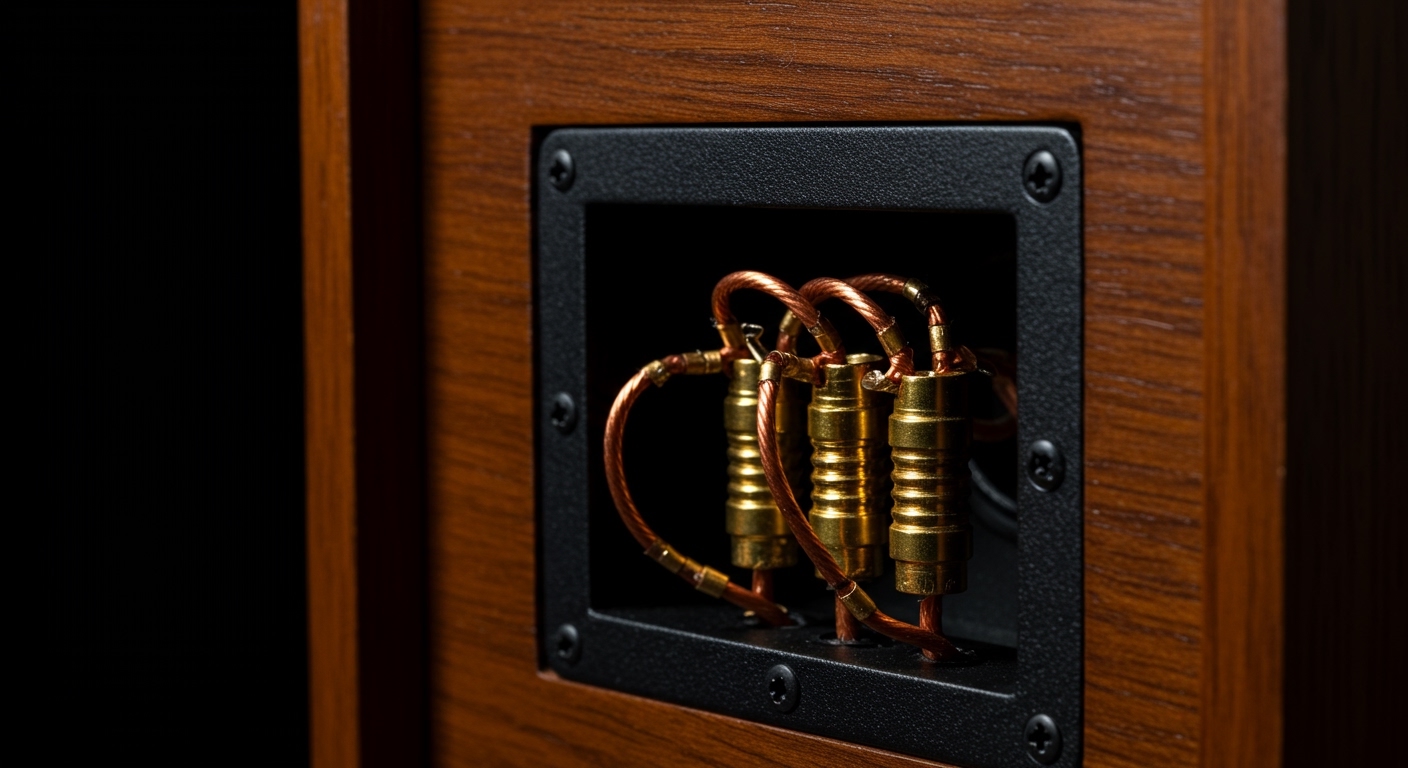
Whether you are setting up a high-end home theater or a simple desktop listening station, understanding the power requirements of your equipment is the first step toward avoiding blown drivers or weak, distorted audio. In my years of testing audio configurations—from vintage Marantz receivers to modern KEF monitors—I’ve found that the most common mistake beginners make is mismatching the power source to the speaker’s needs.
Key Takeaways: Powering Wired Speakers
- Passive Speakers: Require an external Amplifier or AV Receiver; they do not have power cords.
- Active Speakers: Feature Internal Amplification; they require a direct connection to a power outlet.
- Speaker Wire: Carries both the Audio Signal and the Electrical Current for passive systems.
- Impedance (Ohms): Must be matched between the speaker and the amp to prevent hardware damage.
- Wattage: Ensure your power source provides enough Headroom to handle peak audio signals without clipping.
Passive vs. Active: The Core Power Distinction
To determine how to power your gear, you first need to identify which category your speakers fall into. During my time setting up professional studio environments, identifying the “active vs. passive” divide was always the starting point for any wiring diagram.
Passive Speakers (The Traditional Choice)
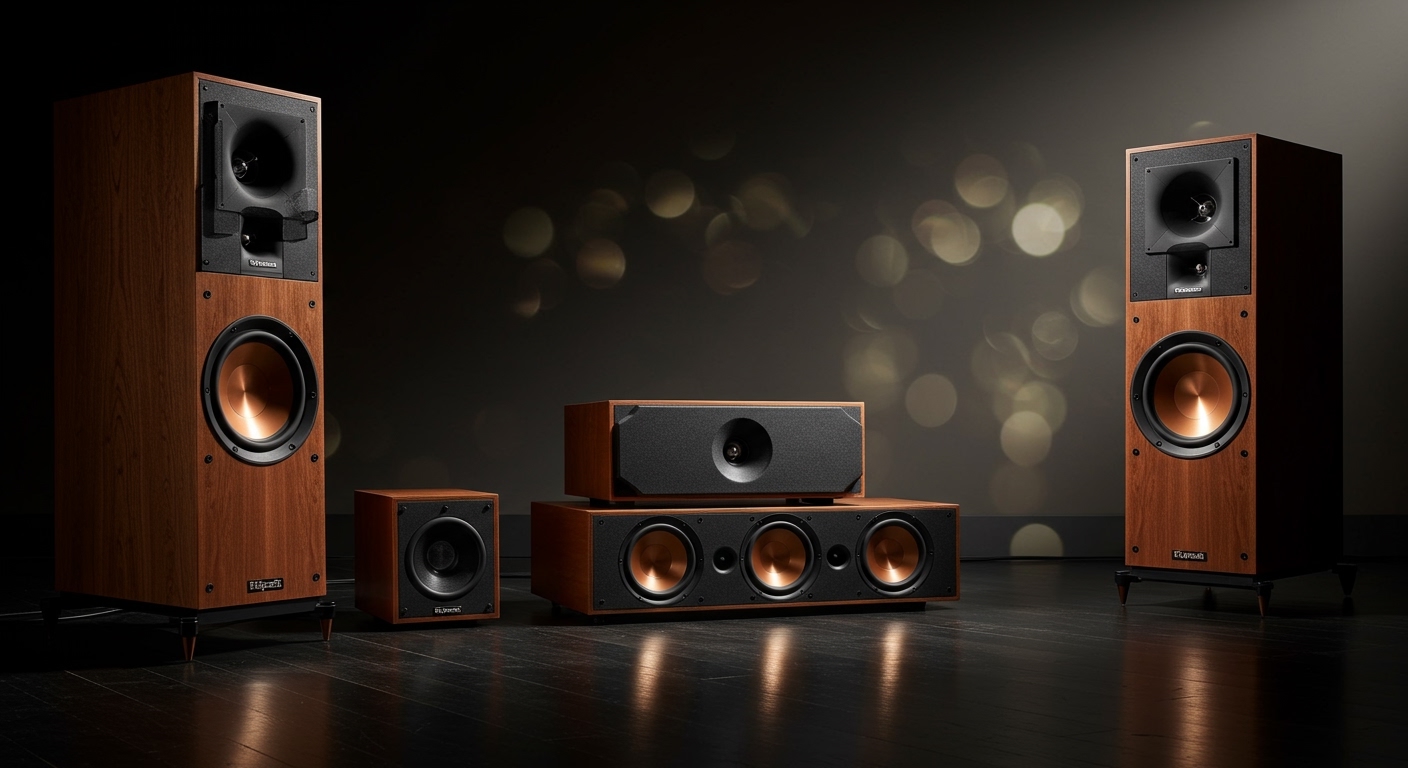
Most traditional bookshelf, floor-standing, and ceiling speakers are Passive. They are essentially “dumb” devices consisting of drivers and a crossover network.
- How they get power: They receive a “high-level” signal from an external Power Amplifier.
- Connection type: They use Speaker Wire (typically terminated with Banana Plugs, Spade Connectors, or raw wire).
- Pros: Highly customizable; you can upgrade your amp or speakers independently.
- Cons: Requires more physical space for the external amplifier and more complex wiring.
Active Speakers (Powered Speakers)
Active speakers are “all-in-one” solutions. Every component needed to make sound is housed inside the speaker cabinet.
- How they get power: They contain an internal amplifier and a power supply that plugs into a standard 120V/240V Wall Outlet.
- Connection type: They use “line-level” inputs like RCA, XLR, or 3.5mm Aux, plus a dedicated power cable.
- Pros: Simplified setup; the manufacturer has perfectly matched the internal amp to the drivers.
- Cons: If the internal amp fails, the entire speaker is often useless; less flexibility for “audiophile” tweaking.
Summary Comparison Table: Speaker Power Requirements
| Feature | Passive Speakers | Active (Powered) Speakers |
|---|---|---|
| Internal Amp? | No | Yes |
| Wall Plug? | No | Yes |
| Power Source | External Amplifier/Receiver | AC Wall Outlet |
| Cable Type | Speaker Wire (12-16 AWG) | Power Cord + Signal Cable |
| Weight | Lighter (No internal electronics) | Heavier (Built-in transformer/amp) |
| Common Use | Home Theater, Hi-Fi Systems | Studio Monitors, PC Speakers |
How Passive Speakers Draw Power Through Wire
It is a common misconception that speaker wire only carries “sound.” In reality, speaker wire carries an Electrical Current. In a passive setup, the Amplifier takes a weak signal from your phone or turntable and “amplifies” it into a powerful electrical current.
This current travels through the Positive (+) and Negative (-) strands of your speaker wire to the speaker’s Voice Coil. When the current passes through the coil, it creates a magnetic field that interacts with the speaker’s permanent magnet, causing the cone to move back and forth. This physical movement creates the sound waves you hear.
Why Wire Gauge (AWG) Matters
When I am consulting on a home theater install, I always emphasize Wire Gauge. Because passive speakers draw their power through these wires, the thickness of the wire affects performance:
- 16-Gauge Wire: Sufficient for short runs (under 25 feet) to 8-ohm speakers.
- 14-Gauge Wire: The “sweet spot” for most home audio setups up to 50 feet.
- 12-Gauge Wire: Necessary for long runs (over 50 feet) or low-impedance (4-ohm) speakers to prevent power loss and overheating.
Pro Tip: Always use Oxygen-Free Copper (OFC) wire rather than Copper Clad Aluminum (CCA). In my testing, OFC provides better conductivity and won’t become brittle or corrode over time, ensuring your speakers get the full power they require.
Matching Power: Watts, Ohms, and Sensitivity
If you are using passive speakers, you must match them correctly to your power source. Failure to do so can result in “clipping,” which is the leading cause of blown tweeters.
Understanding Impedance (Ohms)
Impedance is the electrical resistance your speaker presents to the amplifier. Most home speakers are 8 Ohms.
- Lower Impedance (4 Ohms): Draws more power from the amp. If your amp isn’t rated for 4 ohms, it may overheat and shut down.
- Higher Impedance (16 Ohms): Draws less power, making the speaker sound quieter on the same volume setting.
The Myth of “Max Wattage”
Don’t be fooled by labels like “1000 Watts Peak.” This is a marketing term. Focus on RMS (Root Mean Square) Power.
- Continuous Power (RMS): The amount of power a speaker can handle consistently.
- Recommended Amp Power: Most speakers provide a range (e.g., 20W – 150W). I recommend choosing an amplifier that sits at the higher end of that range to provide Headroom.
Sensitivity (The Efficiency Factor)
Sensitivity measures how loud a speaker gets with exactly 1 Watt of power.
- Low Sensitivity (<85dB): Needs a beefy, high-wattage amplifier to sound dynamic.
- High Sensitivity (>90dB): Can be driven easily by small, low-powered integrated amps or tube amplifiers.
Step-by-Step Guide: How to Power Your Wired Speakers
Whether you’ve just unboxed a pair of Polk Audio bookshelves or high-end SVS towers, follow these steps to ensure they are powered safely and correctly.
For Passive Speakers:
- Turn Off the Equipment: Always ensure your Receiver or Amplifier is powered down before making connections.
- Strip the Wires: Use a wire stripper to remove about half an inch of insulation from both ends of your speaker wire.
- Identify Polarity: Look for the markings on the wire (usually a red stripe or text). Ensure Positive (+) on the amp connects to Positive (+) on the speaker.
- Secure the Connection: If using Binding Posts, unscrew the cap, insert the wire, and tighten. If using Banana Plugs, simply plug them into the center of the post.
- Check for Shorts: Ensure no stray copper strands are touching the opposite terminal or the amplifier chassis.
- Power On: Start with the volume at zero and slowly increase it to test the signal.
For Active Speakers:
- Connect the Signal: Plug your source (laptop, DAC, or preamp) into the RCA or XLR inputs.
- Link the Speakers: Many active pairs have one “master” speaker and one “slave” speaker. Connect them using the proprietary cable provided by the manufacturer.
- Plug into Wall Power: Connect the power cable to a Surge Protector (highly recommended to protect internal electronics).
- Turn on the Power Switch: Usually located on the back or bottom of the primary speaker.
Troubleshooting Power Issues in Wired Speakers
If your speakers aren’t producing sound or sound “thin,” the issue is almost always related to how they are receiving power.
Common Problems and Solutions
- No Sound (Passive): Check the Speaker A/B switch on your receiver. Ensure the wires are seated deeply in the terminals.
- No Sound (Active): Check the fuse (if accessible) and ensure the outlet is live. Verify the input source is set to the correct channel.
- Distortion at High Volumes: This is Clipping. Your amplifier is running out of power. Turn it down immediately or upgrade to a more powerful amp.
- Humming or Buzzing: Likely a Ground Loop. In active speakers, try using a different power outlet or a “ground loop isolator.” In passive systems, ensure your speaker wires aren’t running parallel to power cables for long distances.
Expert Perspective: Why I Often Prefer Passive Speakers
While active speakers are convenient, I almost always recommend Passive Speakers for long-term home setups. Because passive speakers don’t need a wall outlet, you aren’t tethered to the location of your electrical sockets.
Furthermore, electronics (amplifiers) tend to fail much faster than mechanical parts (speaker drivers). If an active speaker’s internal amp dies, the unit is often a total loss. With a passive system, if your receiver fails in 10 years, you simply swap it out and keep your high-quality speakers.
FAQ: Frequently Asked Questions about Speaker Power
Can I plug passive speakers directly into my phone or TV?
No. Your phone or TV provides a Line-Level or Headphone-Level signal, which does not have enough electrical current to move the heavy magnets in a passive speaker. You must use an Amplifier or Receiver as an intermediary.
What happens if I give my speakers too much power?
Modern speakers are surprisingly resilient. However, if you significantly exceed the RMS Rating, the voice coil will overheat and melt, or the cone will over-extend and tear (mechanical failure). It is actually safer to have a high-powered amp that runs cleanly than a low-powered amp that clips.
Do wired speakers sound better than wireless ones?
In general, yes. Wired speakers do not suffer from the Data Compression inherent in Bluetooth. Furthermore, because wired speakers (especially passive ones) are powered by dedicated high-quality amplifiers rather than tiny internal chips, they typically offer better Dynamic Range and Soundstage.
Can I use a guitar amp to power home speakers?
It is not recommended. Guitar amps are designed for specific Impedance levels and frequency responses. Connecting a standard home speaker to a guitar amp can result in poor sound quality or damage to the speaker’s crossover.
**
**
**
**