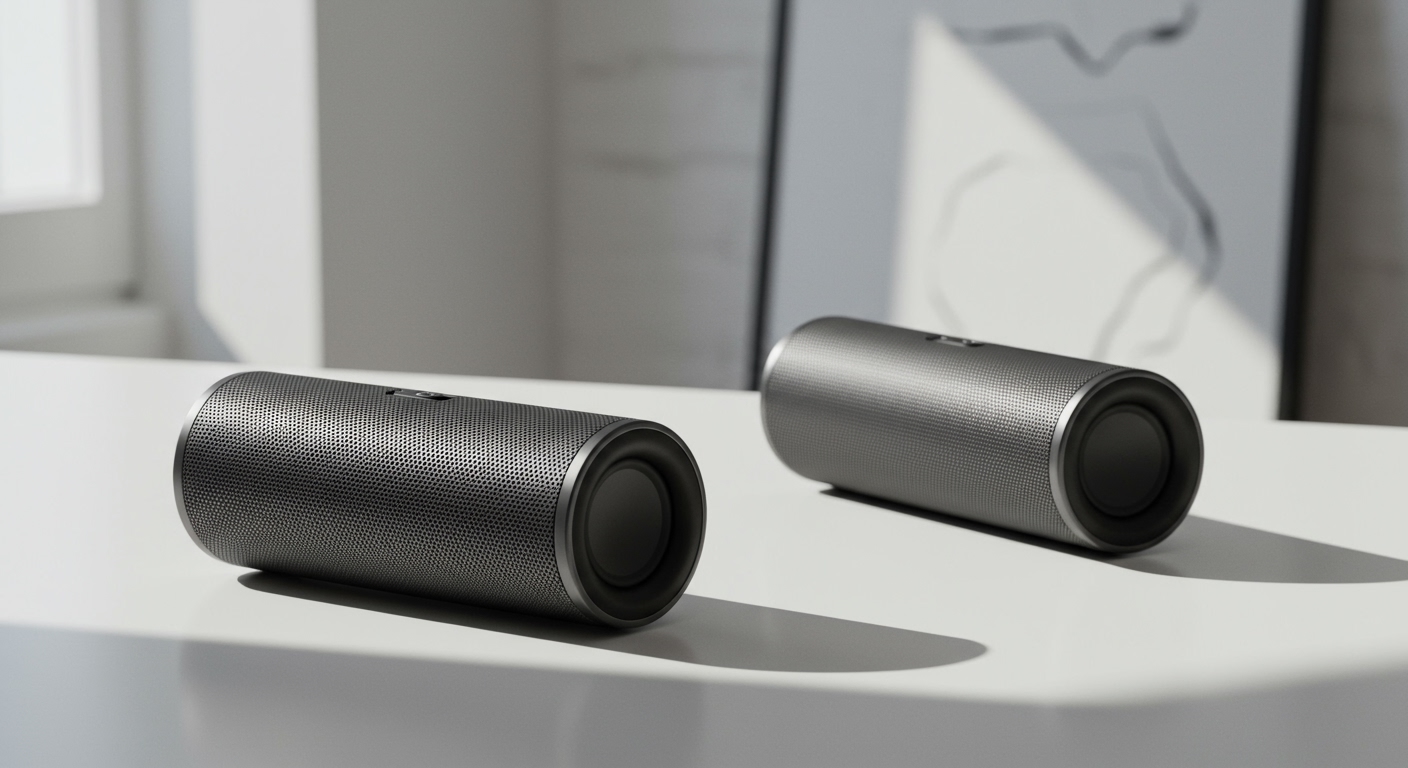
The Ultimate Guide to Turning Earbuds into Speakers
Ever found yourself wanting to share a song or a podcast with a friend, but all you have is a pair of earbuds? It’s a common frustration. While you can’t expect to replicate a high-end Bluetooth speaker, you can absolutely learn how to turn earbuds into speakers using a bit of science and some common household items. This is a fantastic DIY project that ranges from a 30-second trick to a more involved electronics project. I’ve personally tested all these methods, from impromptu sound boosting at a picnic to building a mini-amp setup in my workshop.
This guide will walk you through three distinct methods, from the incredibly simple to the surprisingly effective. We’ll cover the science behind why it works, the tools you’ll need, and the realistic results you can expect.
Key Takeaways / TL;DR
- The Easiest Method: Place your earbuds inside a dry cup or bowl. This technique, known as acoustic amplification, uses the container’s shape to focus and direct sound waves, making them louder.
- The DIY Passive Speaker: For a more significant volume boost without electronics, you can build a passive amplifier using a cardboard tube and two plastic cups. This creates a small horn-like structure that channels the sound more effectively.
- The Advanced Electronic Method: For the most ambitious DIY-ers, you can disassemble a pair of earbuds and wire their tiny drivers to a small, powered amplifier module like a PAM8403. This creates a true, albeit small, powered speaker system.
- Manage Expectations: These methods will increase volume but won’t magically create deep bass or high-fidelity audio. The sound will be louder but often “tinny” due to the small size of the earbud drivers.
Understanding the Science: How Earbuds and Speakers are Related
Before we start building, it’s helpful to understand why this is even possible. The core technology in both earbuds and massive concert speakers is fundamentally the same.
The Heart of the Sound: The Driver
At the center of any sound-producing device is a transducer, which is a component that converts one form of energy into another. In speakers and earbuds, this is called a driver.
A driver consists of a few key parts:
- Magnet: A permanent magnet creates a static magnetic field.
- Voice Coil: A coil of very thin wire attached to the diaphragm. When an electrical audio signal passes through it, it becomes a temporary electromagnet.
- Diaphragm (or Cone): A thin, flexible membrane.
The process is simple: The audio signal makes the voice coil’s magnetic field rapidly change, causing it to be pushed and pulled by the permanent magnet. Since the coil is attached to the diaphragm, the diaphragm vibrates rapidly, pushing and pulling the air around it. These vibrations create sound waves that our ears interpret as music or voice.
Essentially, an earbud is just a miniature speaker.
The Challenge: Moving Enough Air
So, if an earbud is a tiny speaker, why can’t you just put it on a table and fill a room with sound? The answer is air displacement.
An earbud’s diaphragm is incredibly small, designed to move just enough air to be loud within the sealed, tiny space of your ear canal. When you take it out of your ear, its tiny vibrations are lost in the vast open air.
To turn earbuds into speakers, we need to solve this problem by either:
- Acoustically Amplifying the sound waves they produce using a resonator or horn.
- Electronically Amplifying the signal before it gets to the driver and using the driver to vibrate a larger surface or enclosure.
Method 1: The Instant Acoustic Amplifier (The “Cup Trick”)
This is the fastest and easiest way to get more volume from your earbuds. It requires no tools and takes less than a minute. I use this trick all the time when I’m working in the garage and want to listen to a podcast without putting the buds in my ears.
The principle is acoustic resonance. The hard, curved surface of a cup or bowl acts like a small satellite dish for sound, catching the waves coming from the earbud and reflecting them in a single, focused direction.
What You’ll Need
- A pair of wired earbuds.
- A dry cup, bowl, or glass.
- Your audio source (phone, laptop, etc.).
Step-by-Step Instructions
- Select Your Resonator: Grab a clean, dry cup. From my testing, a ceramic coffee mug or a hard plastic cup works best. Glass also works well. Avoid flimsy paper cups, as they tend to absorb sound rather than reflect it.
- Play Your Audio: Plug your earbuds into your device and start playing music or a podcast at about 75% volume.
- Position the Earbuds: Place both earbuds inside the cup, with the speaker grilles facing upwards or towards the sides of the cup. Don’t let them face the bottom.
- Listen and Adjust: Point the opening of the cup towards you. You should immediately hear a noticeable increase in volume and clarity. You can experiment by moving the earbuds around inside the cup to find the “sweet spot.”
My Experience & Pro-Tips
- Material Matters: A heavy ceramic mug provides the clearest amplification. The density of the material prevents it from vibrating and muddying the sound.
- Shape is Key: A wider, bowl-shaped container can create a more “open” sound, while a tall, narrow glass will produce a more focused, direct sound.
- Don’t Max Out the Volume: Pushing your phone’s volume to 100% can cause the tiny earbud drivers to distort, resulting in a crackly, unpleasant sound. It’s better to stay around 70-80%.
Method 2: Build a Passive DIY Earphone Speaker
If the cup trick isn’t quite loud enough, you can take things a step further by building a dedicated passive amplifier. This project uses the same principles of acoustic amplification but with a more efficient, purpose-built design. This is a great weekend project to do with kids.
This design essentially creates a stereo horn system that directs the sound from each earbud outwards.
Materials & Tools Checklist
- Cardboard Tube: An empty toilet paper or paper towel roll works perfectly.
- Two Paper or Plastic Cups: The thin, disposable party-style cups are ideal.
- Your Earbuds: Again, wired ones are necessary.
- Tools:
* A pair of scissors or a craft knife.
* A pen or marker.
* Tape (optional, but helpful).
Step-by-Step Guide: How to Turn Earbuds into Speakers
- Prepare the Cardboard Tube: Place the cardboard tube horizontally on your work surface. This will be the main body of your speaker.
- Mark the Earbud Holes: Using your pen, trace the outline of your earbud tips on the top of the cardboard tube, about an inch in from each end. These will be the “inputs” for your sound.
- Cut the Earbud Holes: Carefully use your craft knife or the tip of your scissors to cut out the holes you just marked. Make them just snug enough for the earbuds to pop in and stay put.
- Prepare the Cups: Take one of the plastic cups. Place the end of the cardboard tube against the side of the cup, about halfway down, and trace its circular outline.
- Cut the Tube Hole: Carefully cut out the circle on the side of the cup. This is where you will connect the tube. Repeat this process for the second cup.
- Assemble the Speaker: Slide each end of the cardboard tube into the holes you cut in the cups. The open ends of the cups should be facing forward, like two speaker horns. You can use a bit of tape to secure the joints if they feel loose.
- Insert the Earbuds: Push your earbuds into the small holes you cut in the top of the tube