Yes, there are German speakers in Lithuania, primarily concentrated in the Klaipėda (Memel) region and major cities like Vilnius and Kaunas. While ethnic Germans represent a small minority of roughly 2,000 to 3,000 people, German is a major foreign language taught in schools, spoken by approximately 8% to 10% of the general population for business and tourism.
Understanding the Landscape: Are There German Speakers in Lithuania?
Whether you are a traveler, a business professional, or a history buff, you might wonder about the prevalence of the German language in the Baltic states. During my extensive travels across the Curonian Spit and the coastal regions of Lithuania, I noticed a distinct linguistic footprint left by centuries of Prussian and German influence.
Today, the presence of German speakers falls into three distinct categories:
- Ethnic Germans (Deutsche Minderheit): Descendants of historical settlers.
- Language Learners: Students and professionals who learn German for the thriving trade relationship between Germany and Lithuania.
- Expatriates: German professionals working in the manufacturing and tech sectors.
Key Takeaways: German Language in Lithuania
- Regional Concentration: You are most likely to find German speakers in Klaipėda (formerly Memel) and the Šilutė district.
- Economic Vitality: Germany is Lithuania’s number one trading partner, making German a high-value skill in the local job market.
- Educational Support: The Goethe-Institut and the German-Lithuanian Chamber of Commerce (AHK) are the pillars of the community.
- Tourism: Many hospitality workers in coastal resorts like Nida speak fluent German to accommodate the high volume of German tourists.
Historical Context: The Roots of German Influence
To understand why there are German speakers in Lithuania, we must look at the history of the Memel Territory. Unlike the rest of Lithuania, which was largely influenced by Polish and Russian cultures, the coastal strip was part of East Prussia for centuries.
The Teutonic Legacy
In the 13th century, the Teutonic Knights established fortifications along the Baltic coast. This led to the founding of Memel (Klaipėda) in 1252. For nearly 700 years, this region was culturally and linguistically German.
The Wolf Children (Wolfskinder)
A poignant part of the German-Lithuanian story involves the “Wolfskinder.” These were orphaned German children from East Prussia who fled to Lithuanian farms after World War II to avoid starvation. Many grew up speaking Lithuanian but retained their German heritage, forming a unique bridge between the two cultures.
Where Are There German Speakers in Lithuania Today?
The distribution of German speakers is not uniform across the country. Based on my observations and local census data, here is where the language is most active.
Klaipėda and the Coastal Region
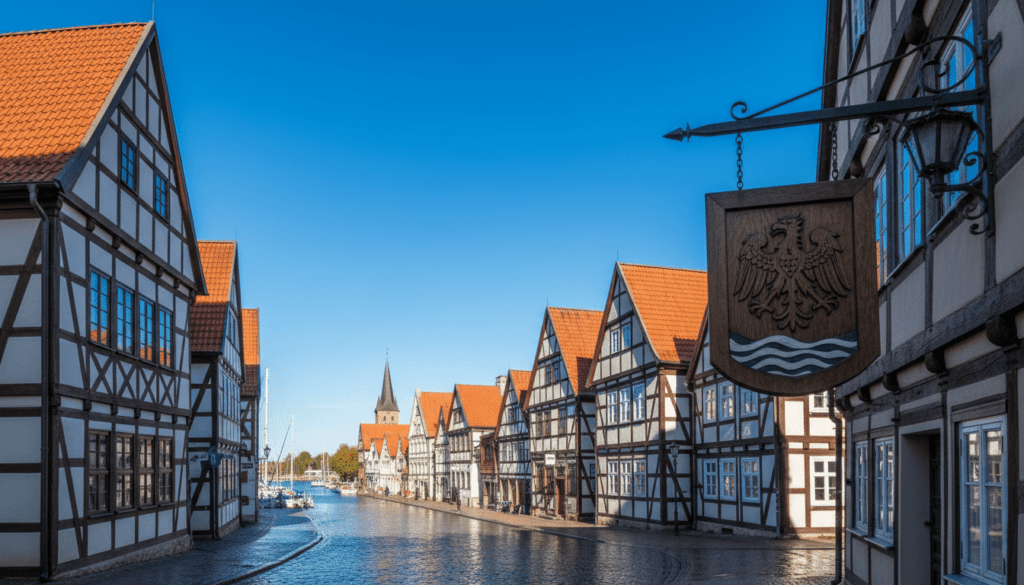
In Klaipėda, the German influence is visible in the Fachwerk (timber-framed) architecture. The city remains the heart of the ethnic German community. The Simon Dach House serves as a cultural hub where locals meet to practice the language and celebrate traditions.
Vilnius: The Professional Hub
As the capital city, Vilnius hosts the majority of German expats and diplomats. If you visit the Goethe-Institut on Gediminas Avenue, you will find hundreds of Lithuanians studying the language.
Kaunas: The Industrial Connection
Kaunas is home to several major German investments, such as Continental and Hella. This has created a “mini-hub” of German-speaking engineers and project managers.
| Region | Primary Group of Speakers | Proficiency Level |
|---|---|---|
| Klaipėda | Ethnic Germans / Tourism workers | Native & Advanced |
| Vilnius | Diplomats / Students / Tech Expats | Intermediate to Fluent |
| Kaunas | Industrial Engineers / Logistics | Technical German |
| Nida | Hospitality staff | Conversational (Tourism-focused) |
The Role of German in the Lithuanian Economy
If you are asking “are there german speakers in lithuania” for career reasons, the answer is a resounding yes. Germany is the top foreign investor in the country.
Key German Players in Lithuania:
- Lidl: The retail giant has a massive presence, requiring German-speaking management.
- Continental: Their automotive plant in Kaunas is one of the largest employers in the region.
- Hella: Another automotive leader driving the demand for German language skills.
- BASF: Active in the chemical and agricultural sectors.
We have seen that Lithuanians who speak German often earn 15% to 20% higher salaries in sectors like logistics, customer service, and manufacturing compared to those who only speak English or Russian.
Education and Language Proficiency
The Lithuanian education system places a high value on “The Language of Poets and Thinkers.” While English is the most popular first foreign language, German is a strong contender for the second.
The DSD Program
Many Lithuanian gymnasiums participate in the Deutsches Sprachdiplom (DSD) program. This allows students to gain a German university entrance qualification while still in Lithuania.
The Goethe-Institut
This is the “gold standard” for language certification in Lithuania. They provide not just classes, but also a massive library of German media and host cultural festivals that keep the language alive.
Practical Advice for Finding German Speakers
If you are a German speaker visiting or moving to Lithuania, here is how you can connect with the community:
- Visit the German-Lithuanian Chamber of Commerce (AHK): Excellent for professional networking.
- Attend the “German Days” (Vokiečių dienos): An annual festival featuring films, music, and food.
- Check Social Media Groups: Look for “Deutsche in Litauen” or “German Expats in Vilnius” on Facebook.
- Explore the Highlands: Even in rural areas, you might encounter older Lithuanians who learned German during different historical eras.
Cultural Institutions You Should Know
To truly immerse yourself in the German-speaking side of Lithuania, visit these organizations:
- Association of Germans in Lithuania: They focus on preserving the rights and culture of ethnic Germans.
- The Thomas Mann House (Nida): The Nobel Prize-winning author had a summer home here. It is now a museum and cultural center that hosts high-level German-Lithuanian dialogues.
- The German Church in Vilnius: Offers services in German, providing a spiritual and social anchor for the expat community.
Comparison: German vs. Other Foreign Languages
How does German stack up against other languages in the country?
- English: Dominant among the youth and the tech sector.
- Russian: Widely understood by the older generation (over 40), but its popularity is declining rapidly among the youth.
- German: Positioned as the “Language of Opportunity” and “Language of Heritage.”
While Statistics Lithuania reports that English is the most known foreign language (around 30%), German maintains a steady 8-10% share, which is significant for a country of 2.8 million people.
Conclusion: A Living Language
So, are there german speakers in lithuania? Absolutely. While they may not be the majority, their influence is disproportionately large in the realms of history, trade, and culture. From the cobblestone streets of Old Town Klaipėda to the high-tech boardrooms of Vilnius, the German language remains a vital part of the Lithuanian identity and its economic future.
FAQ: Frequently Asked Questions
Is German widely spoken in Lithuania?
It is not the primary language, but about 8-10% of the population can converse in German. It is most common in business, tourism, and among the ethnic German community in the Klaipėda region.
Can I survive in Lithuania knowing only German?
In Klaipėda and Nida, you will find many people who speak German. However, in most of the country, English is more widely understood among the younger generation. Knowing German is a massive plus for business but should be supplemented with basic Lithuanian or English for daily life.
Why do so many Lithuanians learn German?
The main drivers are economic opportunity (Germany is Lithuania’s top trading partner) and education. Many students aim to work for German companies like Lidl or Continental or wish to study at German universities.
Are there German schools in Lithuania?
Yes, there are several schools that offer the German Language Diploma (DSD), and the Hermann-Blode-Gymnasium in the past was a notable example. Additionally, the German-Lithuanian cultural centers provide extensive supplementary education.