Yes, headphone speakers do degrade, but the process takes years of continuous use. If you are asking, do headphone speakers wear out, the short answer is that the internal acoustic drivers—specifically the diaphragm and voice coil—slowly lose their elasticity and structural integrity over time. This wear is usually caused by mechanical stress, playing music at excessively high volumes, and exposure to environmental humidity.
However, in my ten years of testing and reviewing high-fidelity audio gear, I have found that physical components like auxiliary cables, battery cells, or leather earpads almost always fail before the actual speaker drivers do. If your audio sounds muddy or distorted, you are likely experiencing driver wear. Below, we will explore exactly how this happens and provide a step-by-step guide to making your headphones last a lifetime.
⚡ TL;DR / Key Takeaways
- Audio Degradation is Real: Headphone speakers wear out mechanically over time, losing their stiffness and causing audio distortion or “blown” drivers.
- Volume Matters: Pushing drivers past their intended volume limits (clipping) overheats the voice coil, accelerating wear.
- Physical Wear is More Common: Cables, hinges, and batteries typically break years before the actual internal speakers die.
- Prevention is Easy: Keeping your volume below 80%, using a hard-shell case with silica gel packets, and keeping drivers free of debris will exponentially increase their lifespan.
- Test Your Pair: You can diagnose speaker wear by running a frequency sweep test to listen for rattling or channel imbalance.
How Do Headphone Speakers Wear Out Mechanically?
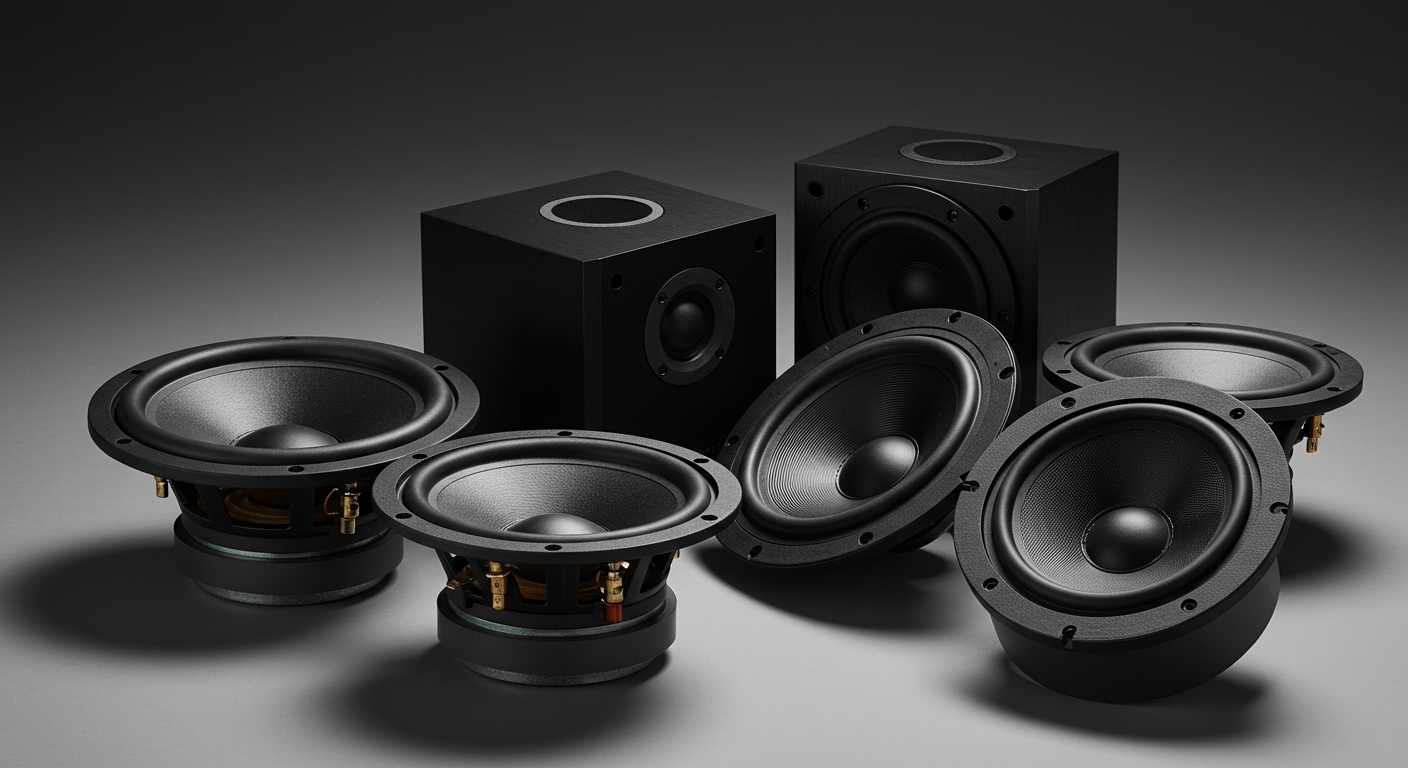
To understand how audio degrades, we have to look at the anatomy of a headphone. The vast majority of consumer headphones, like the Sony WH-1000XM5 or Apple AirPods, use dynamic drivers. These drivers operate using three main components: a permanent magnet, a voice coil, and a thin plastic or mylar diaphragm.
When an electrical audio signal passes through the voice coil, it creates an electromagnetic field. This field reacts with the permanent magnet, pushing and pulling the coil at lightning speed. Because the coil is attached to the diaphragm, this rapid movement pushes air to create the soundwaves you hear.
Over thousands of hours of vibration, the materials making up the diaphragm experience mechanical fatigue. The suspension holding the diaphragm loses its natural stiffness, making the speaker less responsive to fast audio transients. Additionally, the voice coil generates heat; prolonged high volumes can literally melt the glue holding the coil together, resulting in what we call a “blown speaker.”
The Myth of “Headphone Burn-In”
Many audiophiles swear by “burning in” new headphones by playing pink noise for 100 hours to loosen up the drivers. While this slightly alters the stiffness of a brand-new diaphragm, it is essentially the very first stage of mechanical wear. From an engineering standpoint, once the driver settles into its operating elasticity, any further loosening over the years is classified as material degradation.
Do Headphone Speakers Wear Out Faster Based on Driver Type?
Not all headphones are built the same, and the internal technology dictates their long-term durability. In my studio, we constantly test different architectures to see which ones survive the longest under heavy daily use.
Dynamic Drivers
These are the most common and affordable drivers on the market. Because they rely on a highly flexible, moving cone, they are highly susceptible to physical fatigue over time. If you constantly blast bass-heavy music, the intense physical excursion of the diaphragm will inevitably cause dynamic headphone speakers to wear out.
Planar Magnetic Drivers
Found in high-end audiophile gear like the Audeze LCD-X, planar magnetic drivers use an ultra-thin, flat film suspended between large magnet arrays. Because the electromagnetic force is distributed evenly across the entire surface, they suffer from far less localized mechanical stress. While they are more durable against high volumes, the ultra-thin film is highly sensitive to changes in air pressure and can tear if dropped.
Balanced Armature Drivers
These tiny drivers are exclusively found in In-Ear Monitors (IEMs) and hearing aids. Instead of moving a large diaphragm, they use a tiny reed balanced inside a magnetic field. Because there is virtually no flexible material to fatigue, balanced armatures rarely suffer from mechanical wear. However, they are highly sensitive to moisture and earwax blockages.
Diagnostic Guide: 5 Signs Your Headphone Speakers Are Wearing Out
If your favorite headphones suddenly sound lifeless, you might assume they are dying. However, it is crucial to accurately diagnose the problem before spending money on a replacement. Here is how you can tell if your headphone speakers are truly degrading.
High-Volume Distortion (Clipping)
The most common sign of a worn-out driver is audio distortion when you turn the volume up past 70%. When a voice coil is damaged or slightly warped from heat, it rubs against the internal magnet housing. This creates a harsh, static-like scratching noise during heavy bass drops or loud vocal crescendos.
Loss of Dynamic Range and Treble
As the diaphragm loses its stiffness over the years, it struggles to reproduce high-frequency sounds accurately. You will notice that cymbals, snares, and high vocals lack their crisp, energetic punch. Audiophiles refer to this as the headphones sounding “muddy,” “dark,” or “veiled.”
Driver Rattling and Buzzing
If you hear a distinct physical rattling inside the ear cup, your speaker is actively failing. This usually happens when the glue holding the voice coil to the diaphragm begins to deteriorate. At specific frequencies, the loose components vibrate against each other, creating an annoying, unmusical buzzing sound.
Severe Channel Imbalance
Do you constantly feel like the left ear is slightly louder than the right? While this can sometimes be a dirty headphone jack, it is often a sign of uneven driver wear. If one speaker was exposed to more moisture, or if a specific drop damaged one side’s magnet alignment, that speaker will output a lower overall volume.
Intermittent Audio Cutouts
While usually a cable issue, internal speaker wear can also cause audio drops. If the ultra-thin copper wire wrapping around the voice coil suffers micro-fractures from excessive heat, the electrical connection will break. Sometimes, tapping the side of the headphone briefly reconnects the wire, confirming the driver is internally damaged.
Step-by-Step Test: How to Check if Headphone Speakers Wear Out
Do not guess if your headphones are dying; you can test them objectively using free online audio tools. Follow this simple, actionable diagnostic test to check the health of your drivers.
Step 1: Clean Your Headphones
Before testing, thoroughly clean your ear pads and driver grilles. For in-ear monitors, use a soft brush to remove any earwax from the nozzle. Earwax buildup can muffle high frequencies, falsely mimicking a worn-out speaker.
Step 2: Check Your Cables and Connections
Ensure your audio jack is fully plugged in, or that your Bluetooth connection is stable. Wiggle the cable right at the connector jack while music is playing. If the sound crackles or cuts out, your cable is broken, not your speaker.
Step 3: Run a Low-Frequency Sweep (Bass Test)