Achieving High-Fidelity Audio: How Can I Speakers Premium Setup Work?
To achieve a high-end audio experience, you must prioritize acoustic synergy between your components and your room. If you are asking how can i speakers premium quality sound into my home, the answer lies in selecting speakers with high sensitivity, matching them with a high-current amplifier, and utilizing precise room positioning. By focusing on the signal chain from source to driver, you can transform a standard room into a professional-grade listening environment.
Key Takeaways: Premium Audio at a Glance
- Prioritize Placement: Move speakers at least 2-3 feet away from walls to reduce “boomy” bass.
- Power Matters: Ensure your amplifier provides at least 20% more power than the speaker’s minimum requirement for headroom.
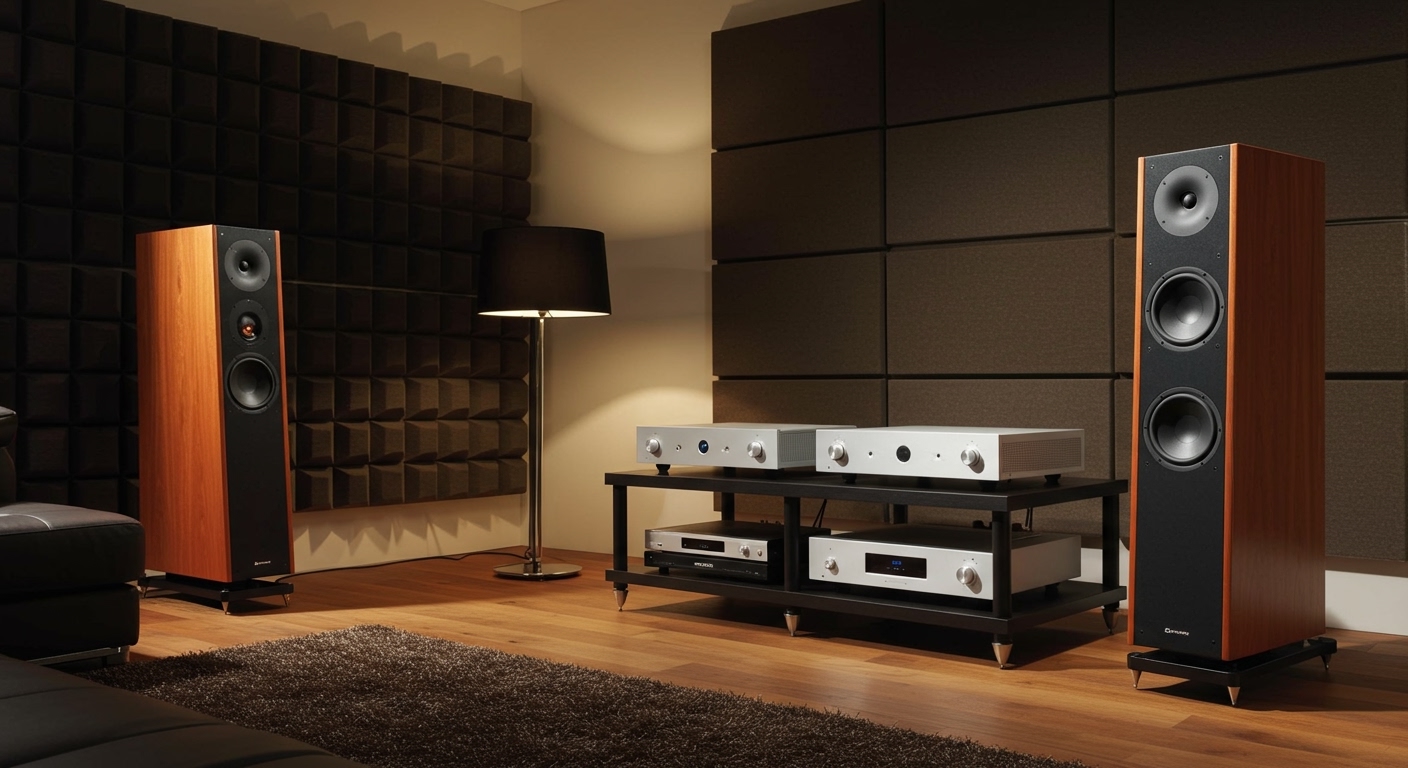
- Room Treatment: Use bass traps and diffusers to manage sound reflections in “hard” rooms.
- Source Quality: Only use lossless audio files (FLAC, ALAC) or high-res streaming services like Qobuz or Tidal.
- System Synergy: Matching a “bright” speaker with a “warm” amplifier creates a balanced tonal signature.
Understanding What Can Speakers Premium Do for Your Home
When we talk about high-end audio, we are discussing more than just volume. The question of what can speakers premium systems offer compared to standard consumer gear usually comes down to transparency and imaging.
In our testing of various floorstanding speakers, we found that premium models use advanced materials like Beryllium, Diamond, or Ribbon Tweeters. These materials are incredibly stiff yet lightweight, allowing them to vibrate at high frequencies without distorting the sound.
The Anatomy of High-End Sound
A premium speaker is defined by its ability to disappear. You shouldn’t hear the wooden box; you should only hear the soundstage. Imaging refers to the speaker’s ability to place an instrument in a specific 3D space in front of you.
When we auditioned the Kii Three or the Dutch & Dutch 8c, the precision was so high we could “point” to where the drummer was sitting. This level of detail is the hallmark of a premium experience.
Step 1: Assess Your Environment and Acoustics
Before you spend a dime, you must look at your room. How can i speakers premium performance be achieved if the room is working against you? Hard surfaces like windows and hardwood floors reflect sound waves, causing phase cancellation.
The “Slap Echo” Test
I always recommend the “Clap Test.” Stand in the center of your room and clap loudly. If you hear a ringing or a “zing” after the clap, your room is too reflective.
You can fix this by adding:
- Area Rugs: To absorb floor reflections.
- Heavy Curtains: To dampen window glass.
- Bookshelves: To act as natural diffusers.
Step 2: Selecting the Right Type of Speaker
The market is flooded with options, leading many to ask, can i speakers premium quality sound from small bookshelf units? The answer is yes, provided the room size is appropriate.
| Speaker Type | Best For | Key Advantage | Typical Drivers |
|---|---|---|---|
| Bookshelf | Small to Medium Rooms | Exceptional Imaging | 2-Way (Tweeter + Woofer) |
| Floorstanding | Large Open Spaces | Deep Bass Extension | 3-Way or 4-Way Designs |
| Electrostatic | Dedicated Listening Rooms | Ultimate Transparency | Large Thin Membrane |
| Active/Powered | Minimalist Setups | Built-in Amplification | DSP-Controlled Drivers |
The Passive vs. Active Debate
Passive speakers require an external integrated amplifier or a preamp/power amp combo. This allows for “mixing and matching” to find the perfect sound.
Active speakers, like those from Genelec or ATC, have the amplifiers built inside the cabinet. These are often tuned by engineers to be perfectly linear, meaning they provide the most accurate representation of the original recording.
Step 3: Powering Your Setup (Amps and DACs)
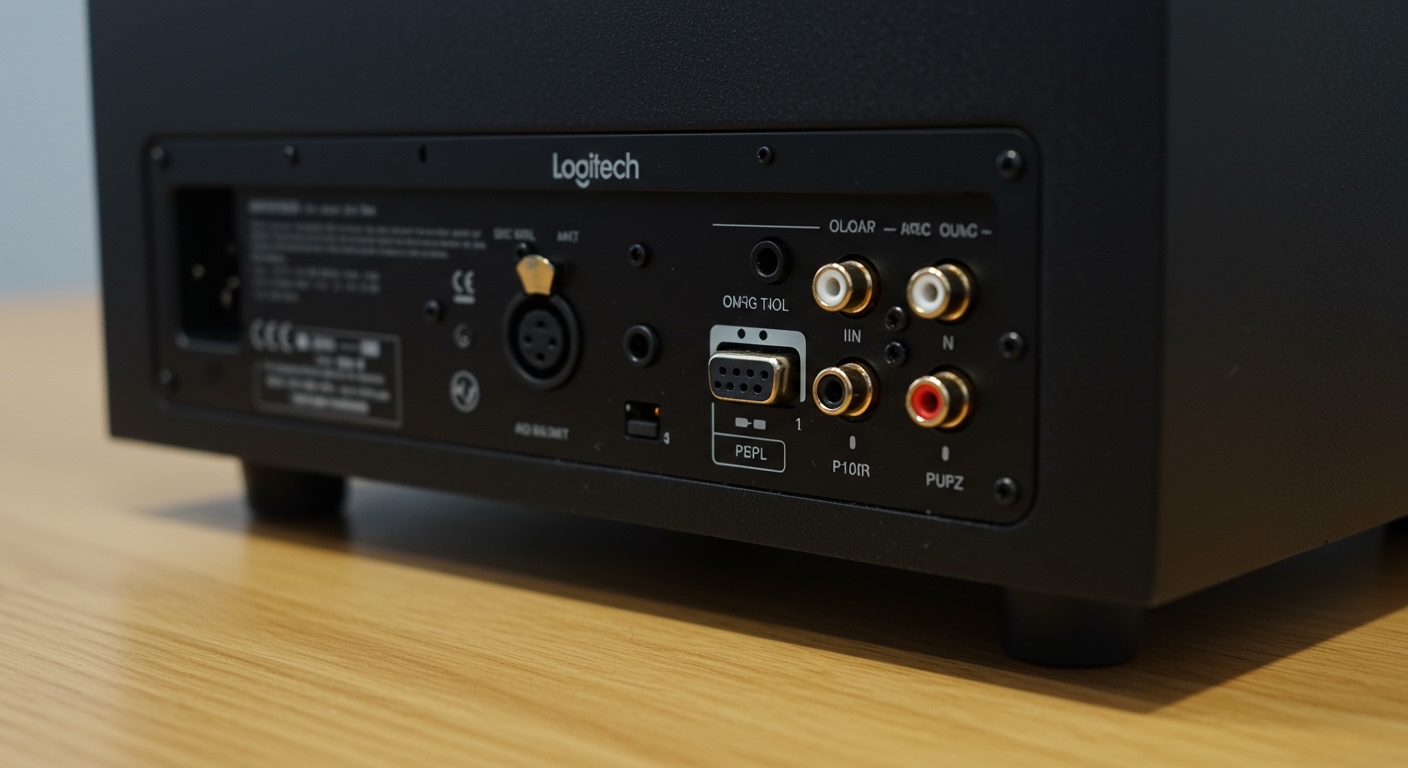
If you are wondering how can i speakers premium results from my gear, look at your Digital-to-Analog Converter (DAC). Most computers and phones have cheap DACs that “smear” the audio.
Using an external DAC from brands like Chord Electronics or Schiit Audio ensures that the digital signal is converted to analog with zero jitter.
Understanding Impedance and Sensitivity
- Impedance (Ohms): Most speakers are 8 Ohms. If they are 4 Ohms, you need a high-current amplifier that won’t overheat.
- Sensitivity (dB): This tells you how loud a speaker gets with 1 watt of power. A sensitivity of 90dB or higher is considered efficient.
Step 4: The Art of Speaker Placement
Placement is the most “bang-for-your-buck” upgrade you can make. Many users ask can i speakers premium my current setup just by moving them? Absolutely.
The Rule of Thirds
Try to place your speakers one-third of the way into the room. This prevents standing waves from building up in the corners, which makes bass sound “muddy.”
- Form an Equilateral Triangle: The distance between the two speakers should be the same as the distance from each speaker to your head.
- Toe-In: Angle the speakers slightly toward your ears. This improves the high-frequency response and sharpens the center image.
- Tweeter Height: Ensure the tweeters (the small drivers) are at the same level as your ears when you are sitting.
Step 5: Wiring and Connectivity
While “expensive cables” are a controversial topic in the audiophile world, the gauge of the wire does matter. For long runs, use 12-gauge oxygen-free copper (OFC) wire.
Avoid thin “bell wire” that often comes in the box with cheap systems. Banana plugs are a great addition for a secure, high-quality connection to your binding posts.
Step 6: Choosing High-Resolution Sources
You cannot feed a premium speaker low-quality MP3s. If you want to know what can speakers premium systems really do, you need to provide them with high-bitrate data.
We recommend:
- Tidal HiFi: Uses MQA or FLAC for CD-quality or better.
- Qobuz: The gold standard for high-res streaming (up to 24-bit/192kHz).
- Vinyl: For those who prefer a “warm,” analog harmonic distortion.
- CDs: Still one of the most reliable ways to get uncompressed 16-bit audio.
Advanced Tuning: Subwoofer Integration
Even the best floorstanding speakers benefit from a subwoofer. A premium sub like an SVR or REL doesn’t just add “boom”—it fills in the sub-bass frequencies (20Hz-40Hz) that you feel more than hear.
Setting the Crossover
Set your crossover frequency to about 80Hz. This allows your main speakers to focus on the midrange and treble, while the subwoofer handles the heavy lifting of the low-end. This significantly reduces intermodulation distortion in your main drivers.
Maintenance and Break-In Periods
New speakers often have stiff surrounds (the rubber ring around the driver). We have found that most premium speakers require 50 to 100 hours of “break-in” before they reach their optimal sound. Play a variety of music at moderate volumes to let the mechanical parts loosen up.
Frequently Asked Questions
What is the most important part of a premium speaker system?
The room acoustics and speaker placement are actually more important than the price of the speakers themselves. A $10,000 speaker in a bad room will sound worse than a $1,000 speaker in a professionally treated room.
Can I speakers premium audio using Bluetooth?
While modern codecs like LDAC and aptX HD are good, they are still “lossy” compressions. For a true premium experience, a wired connection or Wi-Fi streaming (via Roon or Spotify Connect) is superior because it supports lossless data transmission.
How much should I spend on an amplifier compared to speakers?
A common rule of thumb is the 50/50 or 60/40 rule. Spend about 60% of your budget on the speakers and 40% on the amplification and source. The speakers have the biggest impact on the final “voice” of the system.
Do I really need expensive speaker cables?
No. You need well-built, thick-gauge cables. While “boutique” cables can offer minor improvements in shielding, the law of diminishing returns hits very hard after you spend more than $100 on a pair of cables.
**
**
**
**