How Companies Choose AI Speakers for Tech Summits: The Definitive Vetting Framework
Companies determine how companies choose ai speakers for tech summits by evaluating three core pillars: technical authority, proven stage presence, and the ability to translate complex AI concepts into actionable business ROI. Most high-level organizers use a rigorous vetting process that prioritizes “builders” over “theorists” to ensure the audience receives practical, first-hand knowledge rather than generic AI hype.
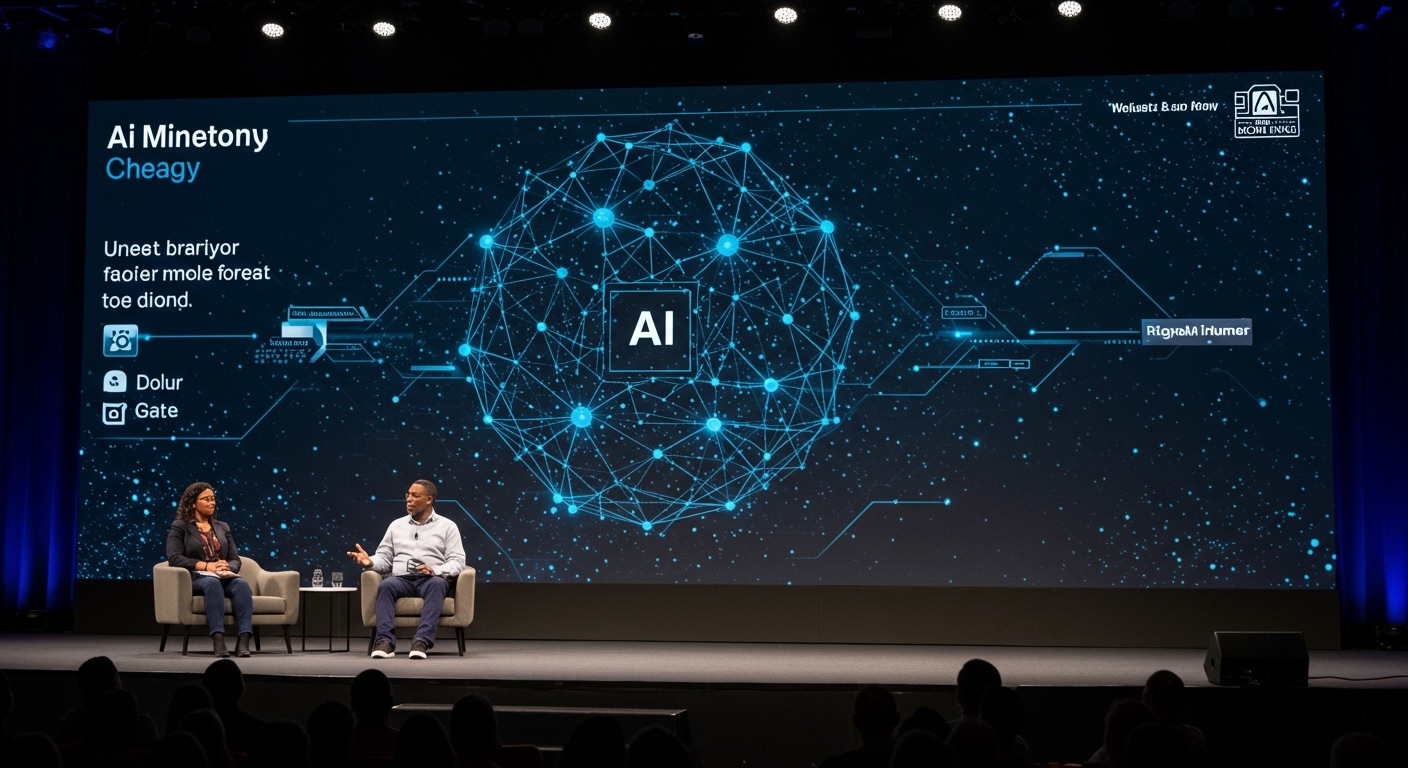
In my years of curating panels for global tech summits, I’ve seen that the “perfect” speaker isn’t just the one with the most LinkedIn followers. It is the individual who can explain Large Language Models (LLMs), Neural Networks, and Vector Databases in a way that resonates with both developers and C-suite executives.
TL;DR: Quick Guide to AI Speaker Selection
- Expertise First: Prioritize speakers with published research, patents, or real-world AI implementation experience.
- Video Proof: Always demand a raw, unedited demo reel of a previous live presentation.
- Audience Alignment: Match the speaker’s “technicality level” to the specific demographic of the summit (e.g., DevOps vs. SaaS Founders).
- Topic Relevance: Ensure the content covers “Now” technologies like Retrieval-Augmented Generation (RAG) or AI Governance.
- The “Vibe” Check: Use “backdoor references” to ensure the speaker is easy to work with and reliable.
The Strategic Framework: How Companies Choose AI Speakers for Tech Summits
When large organizations like Google, NVIDIA, or Salesforce plan a tech summit, they don’t just pick a name out of a hat. They follow a specific, data-driven framework. I have helped develop these internal “scorecards” to remove bias and ensure high attendee satisfaction scores.
Defining the Core Objective
Every summit has a “North Star.” Some events focus on Product Innovation, while others focus on Ethical AI or Infrastructure. Companies begin by mapping out the “Knowledge Gaps” of their target audience.
- Educational Summits: Focus on University Researchers or Technical Leads.
- Inspirational/Visionary Summits: Focus on CEOs of AI Startups or Futurists.
- Practical/Hands-on Summits: Focus on ML Engineers and Data Scientists.
The Verification of E-E-A-T
In the AI world, “hallucinations” aren’t just a software problem; they are a speaker problem. Companies look for Experience, Expertise, Authoritativeness, and Trustworthiness. We look for speakers who have actually built something using TensorFlow, PyTorch, or LangChain.
If a speaker cannot explain the “Why” behind a specific AI architecture, they are usually disqualified during the first round of vetting.
Step-by-Step: The Selection Process
Knowing how companies choose ai speakers for tech summits requires looking at the step-by-step workflow used by professional event planners.
Step 1: The Initial Sourcing Phase
Organizers rarely use Google Search alone. They look at:
- GitHub Contributions: Who is leading the most impactful open-source AI projects?
- Recent White Papers: Who is being cited at NeurIPS or ICML?
- Industry News: Who is leading the AI transformation at Fortune 500 companies?
- Speaker Bureaus: Specialized agencies that represent top-tier Generative AI experts.
Step 2: The “Depth vs. Breadth” Evaluation
We categorize speakers into “T-shaped” individuals. They should have a broad understanding of the tech landscape but deep, expert-level knowledge in one specific niche, such as Computer Vision, Natural Language Processing (NLP), or AI Ethics.
Step 3: Assessing “Stage Mechanics”
A brilliant scientist who stares at their shoes is a liability for a high-budget summit. Companies review:
- Tone and Pacing: Can they maintain energy for 45 minutes?
- Slide Design: Are their visuals distracting or supportive?
- Q&A Handling: How do they react to “hostile” or highly technical questions from the audience?
AI Speaker Categories: A Comparison Table
To better understand how companies choose ai speakers for tech summits, we can break down the common profiles they look for.
| Speaker Type | Best For… | Key Metric | Expected Budget |
|---|---|---|---|
| The Academic Researcher | Deep dives into Neural Networks | H-index / Citations | $5,000 – $15,000 |
| The Corporate Exec | AI Strategy and ROI | Market Cap of Company | $20,000 – $50,000+ |
| The Hands-on Builder | Live Demos & Code Walkthroughs | GitHub Stars / Projects | $7,500 – $20,000 |
| The AI Futurist | High-level “Big Picture” | Social Media Following | $15,000 – $40,000 |
| The Ethics/Policy Expert | AI Governance & Compliance | Policy Impact / Degrees | $10,000 – $25,000 |
Critical Factors in the Vetting Process
When I am hiring for a major tech summit, I look for “Green Flags” that signal a high-quality presentation.
Technical Accuracy and Nuance
In AI, the devil is in the details. A speaker who says “AI will solve everything” is a red flag. Companies prefer speakers who discuss the limitations of LLMs, the cost of inference, and the realities of data privacy. We want speakers who provide an Information Gain—something the audience can’t just find in a ChatGPT prompt.
First-Hand Narrative
I always prioritize speakers who use “I” and “We.”
“When we deployed our first transformer model in production, we saw a 40% latency spike…”*
This is significantly more valuable than:
“Many companies find that AI models are slow.”*
Diversity and Representation
Modern tech summits have a social and professional responsibility to showcase diverse voices. Companies actively seek out women and underrepresented groups in the STEM and AI fields to ensure a variety of perspectives on how technology impacts different global demographics.
Negotiating with AI Keynote Speakers
Understanding how companies choose ai speakers for tech summits also involves the “back-end” of the business. Once a speaker is selected, the negotiation begins.
The Value Exchange
It isn’t always about money. Top AI researchers often speak for:
- Access to Proprietary Data: Some summits offer unique datasets.
- Recruitment Opportunities: Summits are the best place to find Senior ML Engineers.
- Brand Association: Being on the same stage as Sam Altman or Jensen Huang is a massive career booster.
Content Customization
Companies almost always require a “Custom Keynote.” If a speaker tries to reuse the same deck they used at a competitor’s conference three months ago, they likely won’t be invited back. We look for bespoke examples tailored to our specific industry.
Logistical Reliability
AI experts are busy. Companies look for speakers with professional management or a track record of punctuality. A “diva” speaker who misses tech checks or arrives late is a nightmare for event producers.
Common Pitfalls to Avoid in Speaker Selection
If you are an organizer wondering how companies choose ai speakers for tech summits, avoid these three common mistakes:
- The “Follower Count” Trap: Having 100k followers on X (formerly Twitter) doesn’t mean the person can explain Gradient Descent.
- The Over-Commercialized Pitch: Some speakers use the stage as a 45-minute sales pitch for their startup. This ruins the attendee experience.
- Ignoring the “Technical Tech Check”: AI presentations often involve live demos. If the speaker hasn’t tested their GPU requirements or internet connectivity on-site, the session will fail.
Actionable Advice for Aspiring AI Speakers
If you want to be selected by these companies, you need to build a “Selection-Ready” profile.
- Build a Niche: Don’t just be an “AI Expert.” Be the “Expert in AI for Cybersecurity in Fintech.”
- Document Your Work: Write blog posts on Medium or Substack detailing your technical wins and failures.
- Invest in a Video Reel: Hire a professional to film your next local meetup talk.
- Network with Curators: Reach out to event organizers with a clear “Value Proposition” for their specific audience.
FAQ: Selecting AI Speakers for Tech Summits
What is the average cost of an AI keynote speaker?
For major tech summits, professional AI speakers typically charge between $15,000 and $50,000. However, high-profile “celebrity” tech figures can command over $100,000. Rising stars or niche technical experts may speak for $5,000 to $10,000 plus travel expenses.
How do companies ensure the AI speaker won’t be boring?
Companies use video vetting. They look for “Storytelling” ability—the capacity to weave technical data into a compelling narrative. Many organizers also conduct a pre-interview to see if the speaker’s personality matches the event’s energy.
Is technical depth more important than speaking skill?
Ideally, companies want both. However, for a “Main Stage” keynote, speaking skill is often prioritized. For “Breakout Sessions” or “Developer Workshops,” technical depth is the non-negotiable factor.
Do companies provide the slides for AI speakers?
Rarely. While companies provide brand guidelines and template decks, the content and technical visuals are almost always created by the speaker to ensure authenticity.
How far in advance do companies book AI speakers?
Top-tier AI speakers are often booked 6 to 12 months in advance. Because the AI field moves so fast, the “topic” of the talk is usually finalized only 4-6 weeks before the event to ensure it remains current.