How Do Colleges Pick Commencement Speakers? The Direct Answer
How do colleges pick commencement speakers? Universities select speakers through a structured Selection Committee process that balances alumni connections, public prestige, cultural relevance, and institutional budget. Typically, a committee of students, faculty, and trustees vets a list of nominees 12 to 18 months in advance, prioritizing individuals who can deliver a message that aligns with the school’s mission and values.
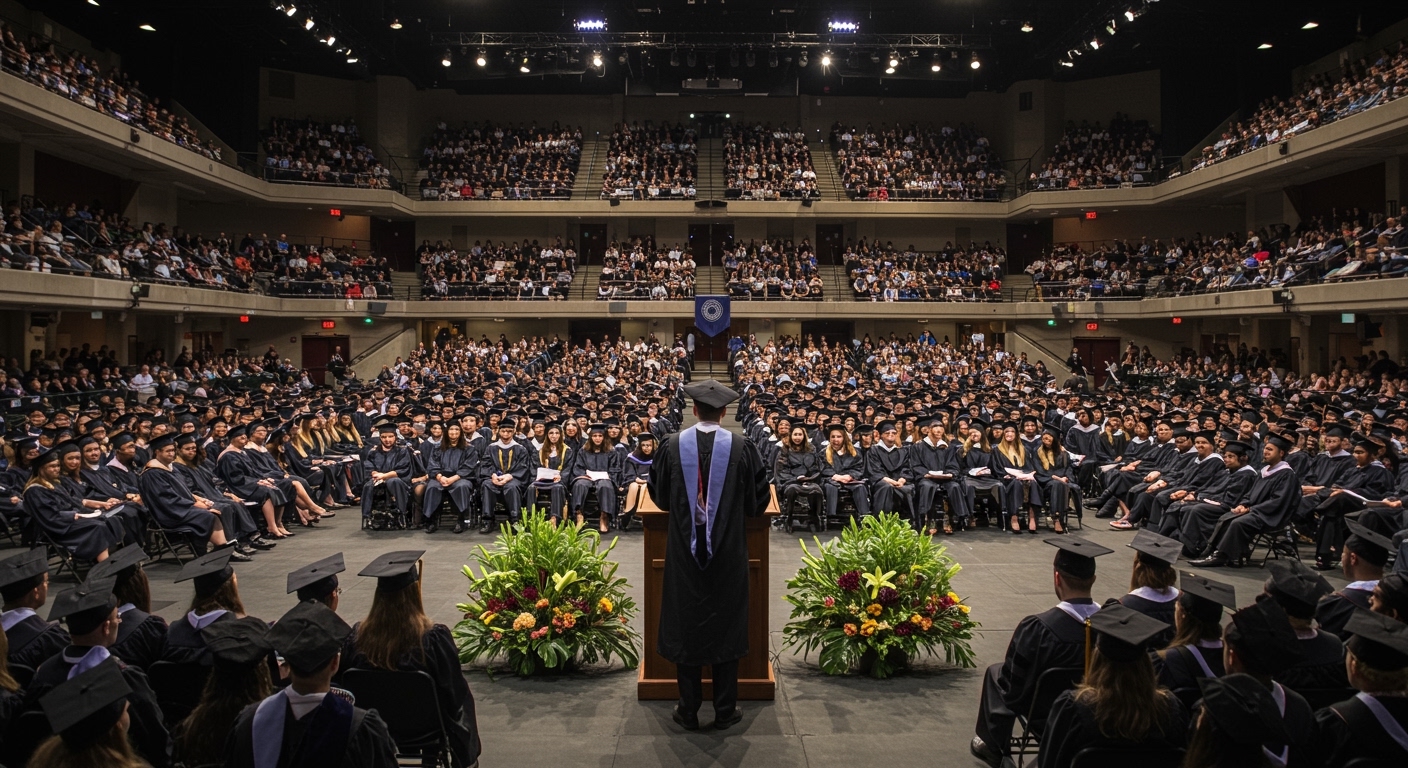
While every institution has its own unique “secret sauce,” the goal is almost always the same: to find a speaker who provides Inspiration, Name Recognition, and Low PR Risk.
TL;DR: Key Takeaways for the 2024-2025 Graduation Season
- The Committee Rule: Most speakers are chosen by a specialized committee of 8-12 stakeholders including student leaders.
- The “Price” Tag: While some celebrities demand six-figure fees, many high-profile speakers accept an honorary degree and travel expenses instead of a cash payment.
- The Vetting Phase: Social media history and past public statements are now heavily scrutinized to avoid campus protests or PR backlash.
- Alumni Priority: Schools prioritize successful alumni because they have a built-in emotional connection to the student body.
The Anatomy of a Commencement Selection Committee
When I served on a university’s executive planning board, I saw firsthand that how do universities pick commencement speakers is less about “who is famous” and more about “who is available and safe.” The process is democratic but highly curated.
Who Sits at the Table?**
The selection committee isn’t just the University President. It usually includes:
- Student Government Representatives: To ensure the speaker resonates with the Generation Z or Millennial demographic.
- Board of Trustees: To ensure the speaker is someone donors and stakeholders will respect.
- Faculty Senate Members: To maintain an academic standard for the ceremony.
- Office of Advancement: They look for speakers who might help with future fundraising or university prestige.
The Nomination Pipeline**
The process often begins with a “Call for Nominations” sent to the entire campus. In my experience, these lists can range from pop stars like Taylor Swift to local community leaders. The committee then narrows this list down based on feasibility.
Primary Criteria: What Makes a “Winning” Speaker?
When evaluating how do colleges pick commencement speakers, committees use a specific scorecard. Not every famous person is a good fit for a graduation stage.
Institutional Alignment
The speaker must reflect the values of the university. A conservative-leaning college might look for business leaders or military figures, while a liberal arts college might prioritize poets, activists, or artists.
The “Star Power” vs. “Substance” Balance
Universities often debate whether to go for a “Big Name” (celebrity) or a “Big Idea” (intellectual).
- Celebrities: Drive social media engagement and national press.
- Intellectuals/Alumni: Offer deeper, more localized advice that resonates specifically with that school’s culture.
Diversity and Representation
Modern selection committees are hyper-aware of representation. They look at the school’s historical speaker list to ensure they are showcasing a diverse range of voices across different ethnicities, genders, and industries.
The Financial Side: Do Colleges Pay Commencement Speakers?
One of the most common myths is that all commencement speakers get paid a small fortune. In reality, the financial structure varies wildly between public institutions and private elite universities.
| Speaker Category | Estimated Fee/Honorarium | Common Incentives |
|---|---|---|
| A-List Celebrity | $50,000 – $200,000+ | Private jet, luxury lodging, national PR. |
| Successful Alumni | $0 – $5,000 (Honorarium) | Emotional “giving back,” honorary doctorate. |
| Politicians | Generally $0 (Legal restrictions) | Platform to speak to young voters. |
| Local Leaders | $1,000 – $10,000 | Community recognition, networking. |
Expert Insight: Many “top-tier” schools (like the Ivy League) have a strict policy against paying speakers. They rely on the prestige of the honorary degree. If a speaker demands a $100,000 fee, a public university may decline simply because it’s a poor use of taxpayer or tuition dollars.
How Do Universities Pick Commencement Speakers? The 5-Step Pipeline
If you are curious about the technical workflow, here is the standard roadmap used by major institutions.
Step 1: The Long List (18 Months Out)
The committee gathers 20 to 50 names. They look for “hooks”—is there a significant anniversary for the school? Is a famous alumnus releasing a book?
Step 2: Vetting and Due Diligence
This is where how do colleges pick commencement speakers becomes a high-stakes game. The university’s PR team performs a deep dive into:
- Past speeches (Are they boring? Controversial?).
- Social media history.
- Current political standing.
- Potential for student protest.
Step 3: The Formal Invitation (The “Ask”)
The University President usually sends a formal, physical letter. This letter doesn’t just ask them to speak; it explains why their life story matters to this specific graduating class.
Step 4: Logistics and Content Review
Once a speaker says “Yes,” the university often asks for a draft of the speech. While they don’t usually censor speakers, they want to ensure the tone isn’t overly political or inappropriate for a family-oriented event.
Step 5: The Honorary Degree Conferral
The “payment” for many speakers is a Doctor of Humane Letters or a similar honorary title. This involves a separate vote by the university’s Board of Trustees.
The Rise of “Safety First” in Speaker Selection
In recent years, the question of how do colleges pick commencement speakers has been dominated by risk management. We have seen numerous “Speaker Withdrawals” due to student petitions.
We now see committees asking:
- Has this person made polarizing statements about current global conflicts?
- Do they have any “canceled” history that will cause the ceremony to be interrupted?
- Will the faculty union support this pick?
Because of this, many schools are moving toward “Safe” Alumni—successful graduates who are already “vetted” by the community—rather than outside celebrities who might bring unwanted drama.
Key Entity: The Honorary Degree
The Honorary Degree is a critical component of the selection process. It is a non-academic degree that allows the university to formally associate itself with the speaker’s success. For the speaker, it is a prestigious accolade for their CV; for the university, it is a way to “pay” a high-value individual without writing a massive check.
Summary of Best Practices for Universities
- Start Early: The best speakers have calendars booked years in advance.
- Survey the Students: Avoid a “disconnect” by asking the graduating seniors what industries they care about.
- Diverse Perspectives: Ensure the last five years of speakers don’t all look or sound the same.
- Focus on the Message: A famous person who gives a generic speech is a failure. A “unknown” person who gives a life-changing speech is a win.
Frequently Asked Questions (FAQ)
Do all commencement speakers get paid?**
No. Many speakers, especially at prestigious universities, receive only an honorary degree and reimbursement for travel and lodging. However, some celebrities and professional “circuit” speakers may charge between $20,000 and $100,000.
Can students choose the commencement speaker?**
Students usually have a voice through student government representatives on the selection committee. While they rarely have the final “veto” power, most administrations will not pick a speaker that the student body actively dislikes.
How far in advance are speakers chosen?**
The process typically starts 12 to 18 months before the graduation date. Large universities need this time to secure high-profile guests and handle the complex logistics of security and travel.
Why do some speakers decline invitations?**
The most common reasons are scheduling conflicts, lack of a significant fee (for some professional speakers), or a desire to avoid the political spotlight that can sometimes accompany campus events.
What is the most important factor in the selection?**
The most important factor is relatability. Universities want a speaker who can bridge the gap between their own success and the “real world” challenges the graduates are about to face.
**
**
**
**