Understanding How Do Satellite Speakers Work for Immersive Audio
Understanding how do satellite speakers work is the key to transforming a flat, TV-audio experience into a professional-grade home theater. By definition, satellite speakers are compact audio units designed to handle mid-to-high frequencies, usually ranging from 100Hz to 20kHz. Because their small enclosures cannot move enough air to produce deep bass, they function as “satellites” revolving around a central subwoofer and a center channel.
In a typical 5.1 or 7.1 surround sound setup, these speakers are strategically placed around the listener. They receive specific audio signals from an AV Receiver that direct ambient sounds, musical scores, and directional effects to them. This creates a three-dimensional soundstage where you can hear a car zooming from left to right or rain falling behind you.
### Expert Summary: Key Takeaways Primary Function: Satellite speakers reproduce mid-range and high-frequency sounds, leaving the low-end “thump” to a dedicated subwoofer. Space Efficiency: Their small footprint makes them ideal for wall-mounting or placement in tight spaces where floor-standing speakers won’t fit. Crossover Importance: They require a crossover frequency setting (usually 80Hz-120Hz) on your receiver to prevent them from distorting while trying to play bass. System Role: They are most commonly used as side surround or rear surround channels in a multi-channel home theater system.
What is Meant by Satellite Speakers in Home Audio?
When people ask what is satellite speakers mean, they are usually referring to the physical size and the functional role within a system. Unlike bookshelf speakers, which are large enough to offer some bass response, satellite speakers are intentionally small.
The term what is meant by satellite speakers implies a dependency. Just as a moon orbits a planet, these speakers “orbit” the main power source and the subwoofer. They are rarely used alone. If you try to run them without a subwoofer, the audio will sound “thin” or “tinny” because the crucial low-end frequencies are missing.
Core Components of a Satellite Speaker
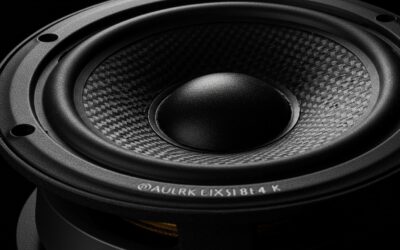
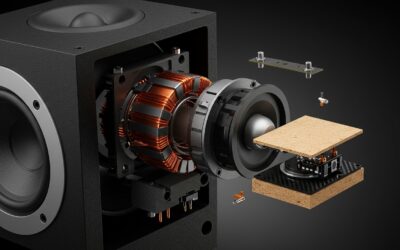
- Tweeter: A small driver (usually 0.5 to 1 inch) that handles high-pitched sounds like glass shattering or bird chirping.
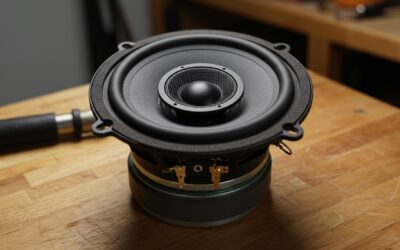
- Mid-range Driver: A 2 to 4-inch cone that reproduces human voices and most musical instruments.
- Enclosure: Usually sealed (acoustic suspension) to keep the unit compact and provide a controlled sound.
- Crossover: An internal circuit that ensures only the right frequencies reach the drivers.
Step 1: Plan Your Layout Based on Room Acoustics
Before mounting anything, you must decide what are satellite speakers used for in your specific room. Are they for a 2.1 music setup or a 5.1 movie marathon rig?
Analyze your seating position. The “Sweet Spot” is where all sound waves converge at the same time. For a standard 5.1 setup, your satellite speakers should be placed to the left and right sides, slightly behind the listening position.
Measure the distance. Ensure that each pair of speakers (Front Left/Right or Surround Left/Right) is equidistant from your ears. If the left speaker is 5 feet away and the right is 10 feet, the soundstage will feel “tilted” and unnatural.
Step 2: Choose the Right Tools and Materials
To set up your system correctly and understand how satellite speakers work at peak performance, you need the right gear. High-quality cables and sturdy mounts prevent signal loss and physical vibrations.
| Tool/Material | Purpose | Recommended Spec |
|---|---|---|
| Speaker Wire | Connects speaker to receiver | 16-gauge for short runs; 14-gauge for >50ft |
| Wire Strippers | Removes insulation from cables | Self-adjusting type for precision |
| Wall Mounts | Secures speakers to the wall | Swivel/Tilt capability for better aiming |
| AV Receiver | The “Brain” of the system | Must support at least 50W per channel |
| SPL Meter | Measures sound pressure levels | Smartphone apps work, but dedicated is better |
Step 3: Install and Wire the Speakers Properly
Strip the wires carefully. Use your wire strippers to remove about half an inch of insulation from the ends of your speaker cables. Twist the copper strands tightly to avoid “frays” that could cause a short circuit.
Observe Polarity. This is the most common mistake. Ensure the Positive (+) terminal on the speaker (usually red) connects to the Positive (+) terminal on the receiver. If you flip these, the speakers will be “out of phase,” resulting in cancelled-out sound and a lack of clarity.
Secure the connections. If your speakers have binding posts, use banana plugs for a secure, professional connection. If they have spring clips, ensure the bare wire is inserted fully and gripped tightly by the clip.
Step 4: Optimize Placement and Angles
Position at ear level. For the best high-frequency response, the tweeters should be roughly at the same height as your ears when you are seated. If you must mount them high on a wall, use a tilting mount to angle them downward toward the couch.
Angle the speakers (Toe-in). Pointing the speakers directly at the listener rather than straight ahead helps with “imaging.” This makes it feel like the sound is coming from the screen rather than from two distinct boxes.
Avoid corners. Placing a satellite speaker directly in a corner can cause “boundary gain,” making the mid-bass sound muddy and boomy. Try to keep them at least 1-2 feet away from side walls if possible.
Step 5: Configure the AV Receiver (The “Crossover” Step)
This is where you truly see how do satellite speakers work in harmony with a subwoofer. Navigate to your AV Receiver’s “Speaker Setup” menu.
- Set Speakers to “Small”: Even if your satellite speakers look medium-sized, always set them to “Small” in the receiver settings. This tells the receiver to redirect bass to the subwoofer.
- Adjust the Crossover Frequency: Set the crossover to 80Hz or 100Hz. This ensures that the satellite speakers don’t struggle with frequencies they weren’t built to handle.
- Level Calibration: Use the receiver’s built-in test tones. Each speaker should play at the same volume level at your seating position.
Are Satellite Speakers Any Good for High-End Audio?
Many audiophiles ask, are satellite speakers any good compared to massive tower speakers? The answer depends on your goal.
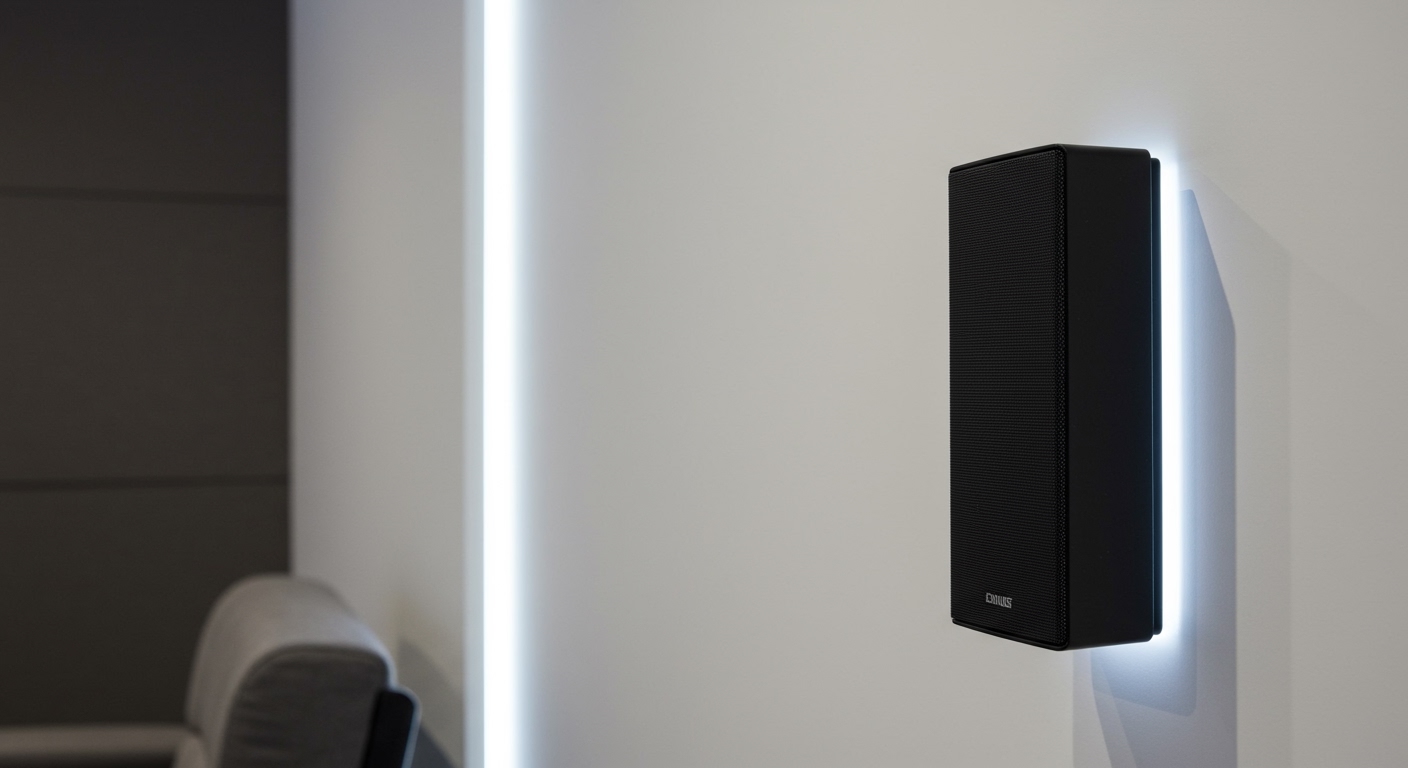
If you want a minimalist aesthetic and a massive, immersive surround sound field for movies, satellite speakers are excellent. Modern brands like SVS, KEF, and Orb Audio produce satellites with incredible clarity. However, for critical two-channel music listening, they can sometimes lack the “warmth” of a larger cabinet.
Pros of Satellite Speakers:
Invisible integration: They blend into home decor easily.
Excellent Imaging: Small cabinets often have less internal resonance, leading to clearer “pinpoint” sound.
Affordability: You can often get a full 5.1 satellite package for the price of two high-end tower speakers.
Common Mistakes to Avoid
Ignoring the Subwoofer: Never run satellite speakers as a “2.0” system. Without a sub, you lose 40% of the audio spectrum.
Using Thin Wire: Avoid the “free” 22-gauge wire often included in “Home Theater in a Box” (HTIB) sets. It chokes the power delivery.
Mismatched Brands: Try to keep your front three speakers (Left, Right, Center) from the same brand and series to ensure “timbre matching.”
Hidden Placement: Do not hide satellite speakers behind curtains or inside cabinets. High frequencies are directional and will be muffled by fabric or wood.
Expert Tips for Pro-Level Sound
The “Rule of Thirds”: If possible, place your front satellites about 1/3 of the way into the room to minimize standing waves and reflections.
Cable Management: Use paintable wire channels (raceways) to hide cables running up the wall. It makes a DIY install look like a $5,000 professional job.
Room Correction Software: Use tools like Audyssey, Dirac Live, or YPAO (built into most receivers). These use a microphone to automatically “tune” the speakers to your room’s specific echoes.
Frequently Asked Questions (FAQs)
What is the difference between a satellite speaker and a bookshelf speaker?
Satellite speakers are generally smaller, have a limited frequency range (missing bass), and are designed to be used with a subwoofer. Bookshelf speakers are larger, often have 5-6 inch woofers, and can sometimes be used without a subwoofer for light music listening.
Can I use satellite speakers as my main front speakers?
Yes, you can. In small to medium-sized rooms, using satellites as the Front Left and Right channels works perfectly as long as your subwoofer is high-quality and the crossover is set correctly (usually 100Hz).
Do satellite speakers need an amplifier?
Most satellite speakers are passive, meaning they do not have a built-in power cord and require an AV Receiver or an external amplifier to work. Some “computer speaker” style satellites are active (powered), but these are less common in home theater setups.
How do satellite speakers work in a wireless setup?
Wireless satellite speakers (like those from Sonos or Bose) still have drivers and crossovers. However, they receive the audio signal via Wi-Fi or Bluetooth and have built-in amplifiers. Note: They still usually need a power cord to plug into a wall outlet.
Conclusion: Elevate Your Audio Experience
Understanding how do satellite speakers work empowers you to build a system that punches far above its weight class. By focusing on proper crossover settings, strategic placement, and high-quality wiring, you can achieve a cinematic experience that rivals much larger, more expensive setups.
Whether you are watching a blockbuster film or playing the latest video game, satellite speakers provide the directional cues and clarity that bring digital worlds to life. Ready to upgrade? Start by auditing your current room layout and choosing a satellite system that matches your aesthetic and acoustic needs.
Take Action Today: Check your AV receiver settings right now. If your satellites are set to “Large,” change them to “Small” and feel the immediate improvement in clarity and bass punch!