[Your Article Content in Markdown — START directly with ## H2 headings]
How Important Are Rear Surround Speakers for True Immersion?
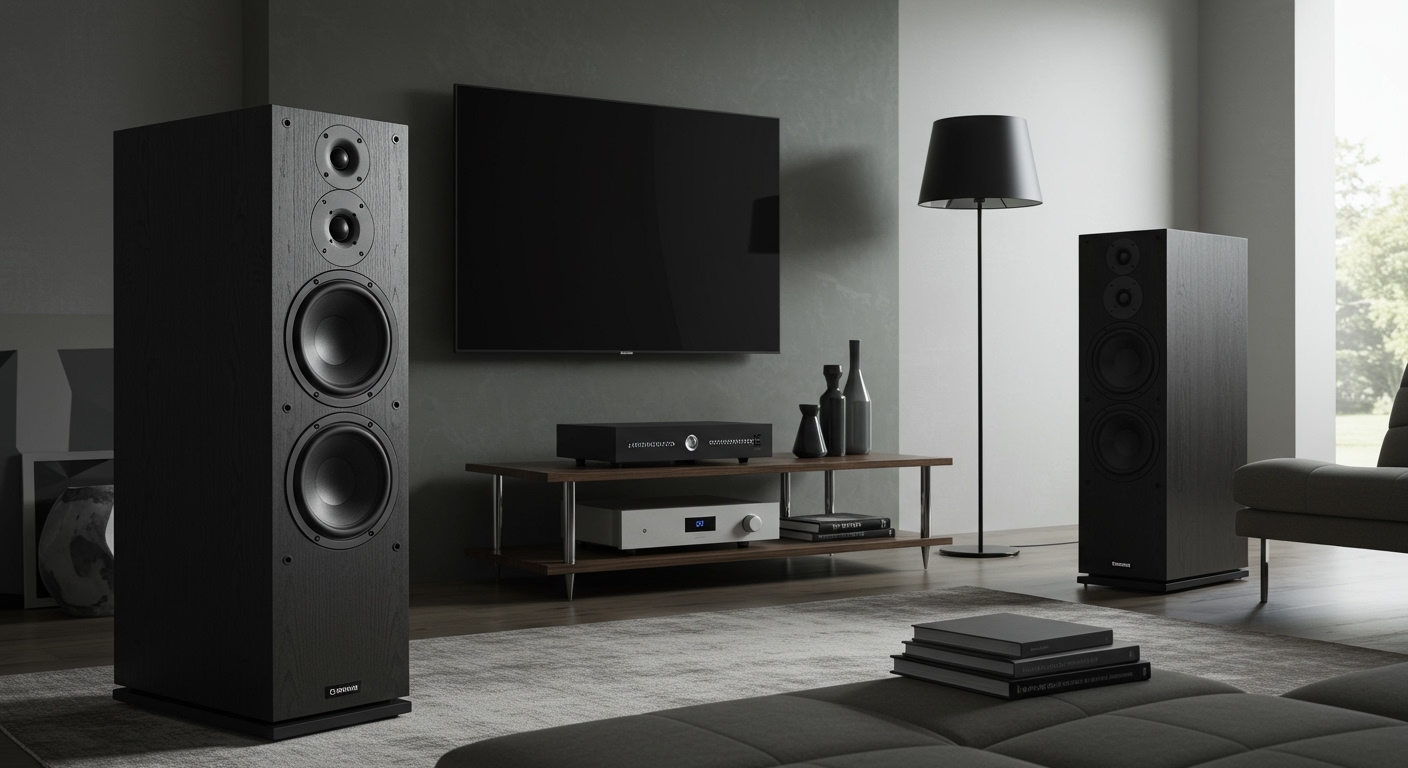
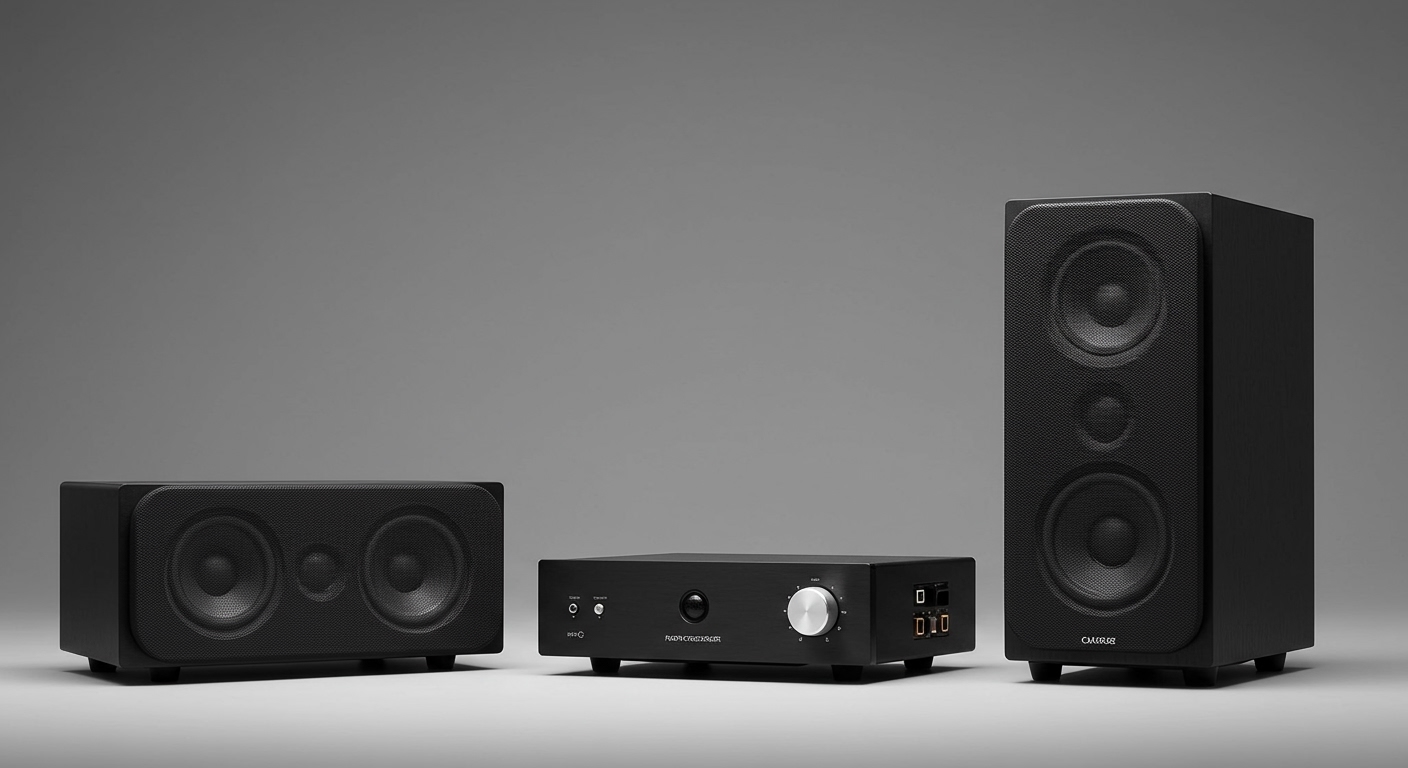
Rear surround speakers are critically important for creating a truly immersive, 360-degree soundfield in a 7.1, 9.1, or Dolby Atmos home theater system. They are the key component that transforms your audio experience from a semi-circle of sound into a complete, seamless “sound bubble” that fully envelops you. Without them, you’re missing a huge piece of the audio puzzle that sound designers intended for you to hear.
For a standard 5.1 setup, rear surrounds are not used at all; the two “surround” channels are meant to be placed at your sides. The jump to a 7.1 system is what introduces the two dedicated rear surround channels, which handle all the audio cues happening directly behind you. I’ve found in my own home theater that this is the single biggest upgrade for cinematic immersion, second only to adding a quality subwoofer.
TL;DR: Key Takeaways on Rear Surrounds
- Critical for 7.1 & Beyond: Rear surrounds are the defining feature of a 7.1 system and are essential for creating a 360-degree soundstage. They are not used in a 5.1 system.
- Completes the Sound Bubble: They fill the sonic gap directly behind you, allowing for smooth front-to-back and side-to-side audio pans.
- Boosts Movie & Gaming Immersion: Essential for hearing effects like flyovers, rain, and ambient noise in movies, and for pinpointing enemy locations in video games.
- Placement is Paramount: Proper placement and calibration of rear surrounds are more crucial for performance than the price tag of the speakers themselves.
- The Verdict: For any home theater enthusiast looking to move beyond a basic 5.1 setup, adding rear surrounds is absolutely worth the investment.
The Critical Difference: 5.1 vs. 7.1 vs. Dolby Atmos Setups
Understanding how important are rear surround speakers starts with knowing where they fit in different system layouts. The numbers in “5.1” or “7.1” refer to the number of speaker channels, and that “.1” is always the subwoofer.
Understanding the 5.1 Channel Layout
A 5.1 surround sound system is the most common home theater setup. It consists of six channels:
- Front Left & Right: Provide the main stereo soundstage.
- Center Channel: Anchors dialogue to the screen.
- Surround Left & Right: Placed to the sides of the listener (90-110 degrees) to handle ambient sounds and effects.
- Subwoofer (LFE): Handles low-frequency effects.
Notice a key detail: a true 5.1 setup has no speakers directly behind you. The “surround” speakers create a wide soundstage but leave a “hole” in the soundfield at your back.
The 7.1 Upgrade: Introducing True Rear Surrounds
A 7.1 surround sound system takes the 5.1 foundation and adds two dedicated channels:
- Surround Back Left & Right: These are the true rear surround speakers.
These speakers are placed on the wall directly behind the listening position (135-150 degrees). Their specific job is to reproduce audio cues that happen behind you. In my experience testing countless movie scenes, the difference is night and day. In a film like Top Gun: Maverick, when a jet screams past the camera from behind, a 7.1 system lets you hear it start from the rear speakers and seamlessly transition to the front. A 5.1 system can only approximate this effect from the sides.
Taking it Further with Dolby Atmos and DTS:X
Object-based audio formats like Dolby Atmos and DTS:X add