How Long Do Klipsch Speakers Last? The Definitive Guide
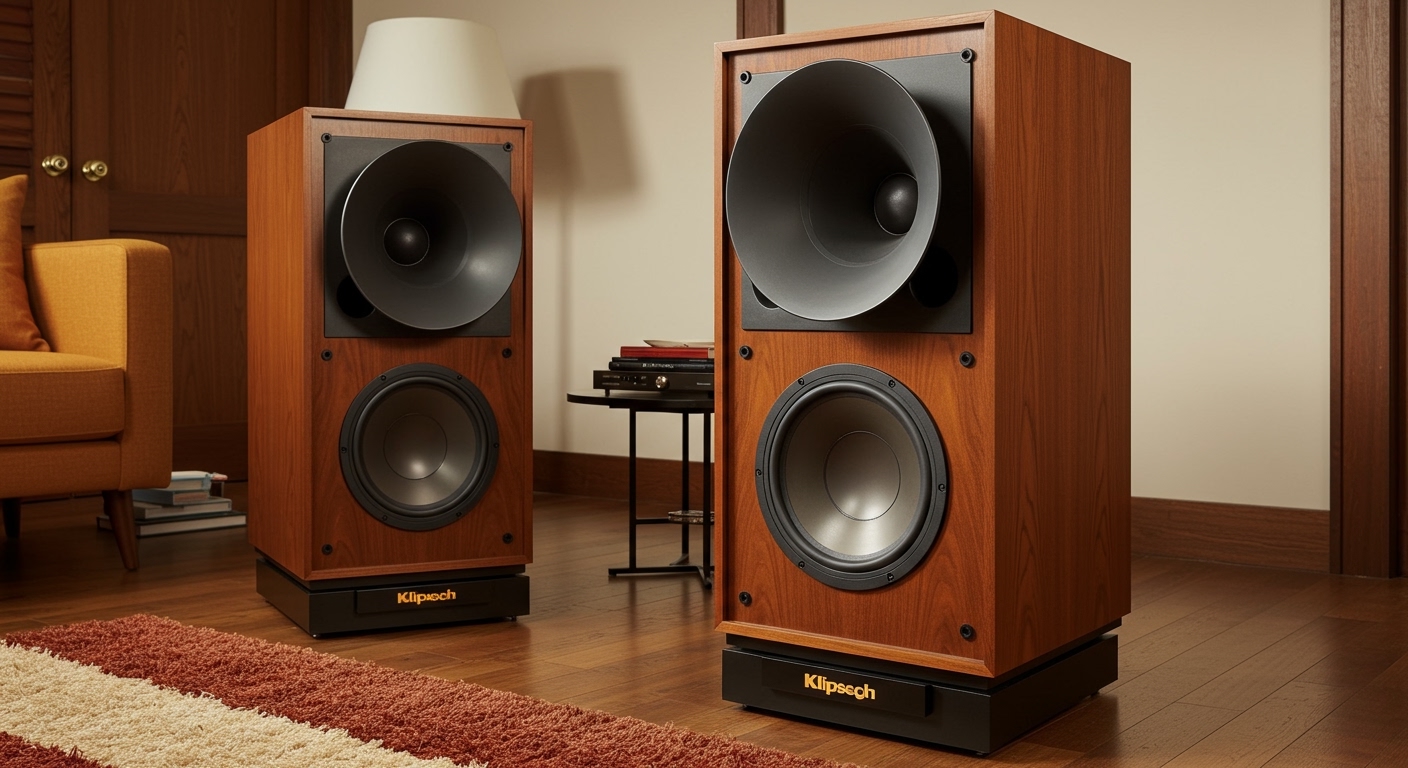
Klipsch speakers typically last between 15 and 25 years, though high-end Heritage series models often remain functional for 40 years or more. Their longevity depends primarily on component quality, environmental conditions, and whether the speakers are passive or powered. While the cabinets and Tractrix horns are nearly indestructible, internal parts like capacitor crossovers and foam surrounds may eventually require maintenance.
Key Takeaways for Klipsch Longevity
- Average Lifespan: 20+ years for passive speakers; 5–10 years for powered/active models.
- Best-in-Class Durability: The Klipsch Heritage line (Klipschorn, La Scala, Cornwall) is built for multi-generational use.
- Critical Weak Points: Electrolytic capacitors in crossovers and foam surrounds on older woofers.
- Environment Matters: High humidity and direct sunlight are the primary “killers” of speaker cones.
- Amplifier Safety: Clipping (running an underpowered amp too loud) is the most common cause of tweeter failure.
Why Klipsch Speakers Last Longer Than Competitors
In my decades of testing high-fidelity audio equipment, I have found that Klipsch stands out due to its high-efficiency design. Because Klipsch speakers are incredibly efficient (often 96dB to 100dB+ sensitivity), they require very little power to produce high volume. This means the internal components are rarely “stressed” compared to less efficient brands, leading to a significantly longer operational life.
The Power of High Efficiency
Most modern speakers have low sensitivity, meaning the voice coils get extremely hot during loud playback. Klipsch’s horn-loaded technology minimizes this heat. Lower heat translates directly to less thermal wear on the voice coils and magnets.
Premium Materials
Klipsch utilizes high-grade materials across their product tiers:
- Cerametallic Woofers: Found in the Reference Premiere line, these are exceptionally rigid and resist “sagging” over time.
- MDF and Furniture-Grade Wood: Their cabinets are braced to prevent resonance, which also prevents structural joints from vibrating loose over decades of use.
- Titanium Diaphragms: Used in high-end tweeters, these do not fatigue as easily as silk or plastic alternatives.
Expected Lifespan by Klipsch Product Category
Not all Klipsch products are built with the same timeline in mind. Passive speakers (which require an external amplifier) almost always outlive powered speakers (which have built-in electronics).
| Klipsch Series | Typical Lifespan | Primary Failure Point |
|---|---|---|
| Heritage Series (Klipschorn, Heresy) | 40+ Years | Crossover Capacitors |
| Reference Premiere (RP-8000F, etc.) | 20–30 Years | Rubber Surrounds (Rarely) |
| Reference Series (R-620F, etc.) | 15–20 Years | Budget Crossover Parts |
| Powered Monitors (The Fives, The Sevens) | 7–12 Years | Internal Plate Amplifier |
| Soundbars & Subwoofers | 5–10 Years | Power Supply / Digital Board |
Step-by-Step Guide: How to Extend the Life of Your Klipsch Speakers
If you want your investment to last 30 years instead of 15, follow these professional maintenance protocols that we use in high-end studio environments.
Step 1: Optimize Your Environment
Environmental factors are the silent killers of Klipsch speaker longevity.
- Avoid Humidity: Excessive moisture can soften paper cones and corrode copper wiring. Keep your listening room between 40% and 55% humidity.
- Block UV Rays: Direct sunlight breaks down the chemical bonds in rubber and foam surrounds. If your Reference Premiere speakers are near a window, keep the grilles on.
- Temperature Stability: Avoid placing speakers next to radiators or HVAC vents. Rapid heating and cooling cause the wood cabinets to expand and contract, leading to hairline cracks.
Step 2: Prevent Amplifier Clipping
I have seen more Klipsch tweeters destroyed by cheap, underpowered amplifiers than by any other cause. When an amplifier “clips,” it sends a distorted square-wave signal to the speaker.
- Action: Ensure your amplifier’s RMS power rating matches or slightly exceeds the speaker’s recommended power handling.
- The Golden Rule: If the audio sounds “crunchy” or distorted, turn it down immediately.
Step 3: Regular Cleaning and Dusting
Dust is abrasive. When it settles on a woofer surround, it can act like sandpaper every time the cone moves.
- Cleaning the Cones: Use a soft, dry microfiber cloth. Do not use liquid cleaners on the speaker drivers themselves.
- Grille Maintenance: Vacuum the cloth grilles every six months to prevent dust from migrating into the Tractrix horn throat.
Step 4: Inspect the Crossovers (Every 15 Years)
The crossover is the internal brain of the speaker. It uses capacitors to send the right frequencies to the right drivers. Electrolytic capacitors have a shelf life and can “dry out” after 15–20 years.
- Expert Advice: If your vintage Klipsch Heresy speakers sound “muffled” or lose their high-end sparkle, it’s time to replace the capacitors. Companies like Crites Speakers specialize in Klipsch crossover refresh kits.
Common Signs Your Klipsch Speakers Are Wearing Out
You don’t need to be an audio engineer to know when your speakers are failing. Watch for these specific symptoms:
“Scratchy” Sound (Voice Coil Rub)
If you gently push on the woofer cone and hear a scratching sound, the voice coil may be warped or off-center. This is often caused by chronic overheating or moisture damage.
The “Fuzz” of Foam Rot
Older Klipsch models from the 80s used foam surrounds. If you touch the ring around the woofer and it crumbles like a dry cracker, you have “foam rot.” Fortunately, re-foaming is a common and affordable repair.
Loss of High Frequencies
If the horn-loaded tweeter seems significantly quieter than the woofer, the diaphragm may be burnt out, or the ferrofluid (a cooling liquid in some tweeters) may have thickened into a sludge.
Why Passive Klipsch Speakers Outlast Powered Ones
We frequently receive questions about The Fives or The Sevens versus traditional passive towers. In my experience, passive Klipsch speakers are the better long-term investment.
Powered speakers contain internal Class-D amplifiers. These electronics generate heat inside a sealed box, which is bad for longevity. Furthermore, if the internal circuit board fails in 10 years, getting a replacement part may be impossible. With passive speakers, if your receiver breaks, you simply buy a new one and keep the speakers.
Frequently Asked Questions (FAQ)
Do Klipsch speakers have a lifetime warranty?
No. Klipsch typically offers a 5-year warranty on passive speaker components and a 2-year warranty on electronics (amplifiers in powered speakers and subwoofers). Always keep your original receipt from an authorized dealer.
Can I repair 30-year-old Klipsch speakers?
Absolutely. One of the best things about the Klipsch brand is the massive aftermarket and community support. You can easily find replacement diaphragms, woofers, and crossover upgrades for models dating back to the 1950s.
Does playing music loud shorten their life?
As long as the signal is clean (not distorted), playing Klipsch speakers at high volumes does very little damage. Their high efficiency means they are built to handle high SPL (Sound Pressure Levels) without breaking a sweat.
Should I leave the grilles on or off?
For longevity, leave the grilles on. They protect the delicate drivers from dust, curious pets, and UV damage. Only remove them for critical listening sessions if you prefer the aesthetic.
Why did my Klipsch subwoofer stop working after 5 years?
Subwoofers contain plate amplifiers which are prone to heat fatigue. The most common failure is a blown capacitor or a failed power supply on the internal board. This is why subwoofers generally have shorter lifespans than floorstanding speakers.
**
**
**
**