How Long Do Marshall Speakers Last?
Most Marshall speakers will last between 5 to 10 years, depending on the specific model and how well you maintain it. Portable Marshall speakers (like the Emberton or Willen) typically see their first performance dip after 3 to 5 years as the Lithium-ion battery begins to degrade. However, stationary home speakers (like the Woburn or Stanmore) can easily exceed a decade of use because they rely on consistent AC power rather than chemical batteries.
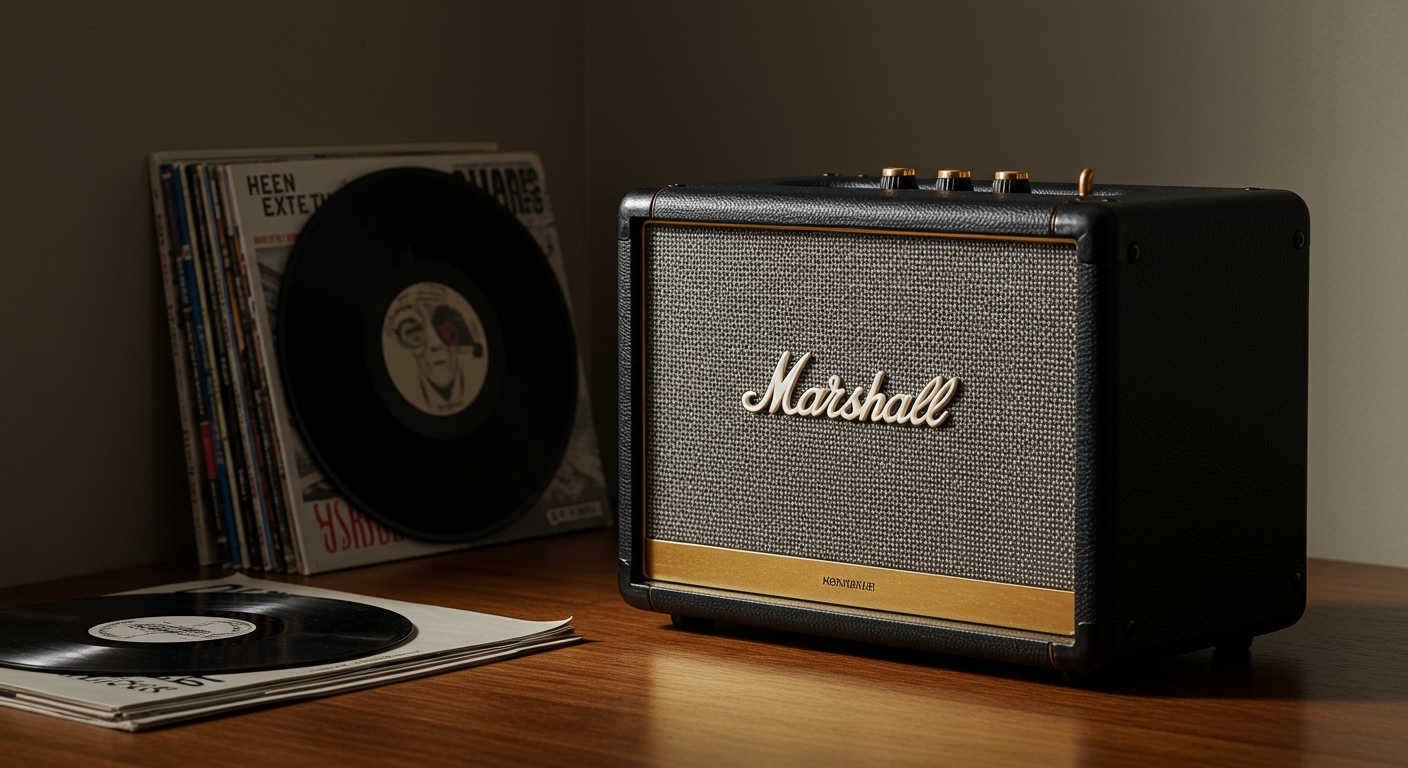
If you are a music lover, you know the frustration of a premium device dying just after the warranty expires. Marshall has built a reputation on “road-worthy” durability, but even the toughest Tolex-wrapped cabinets have a shelf life. I have spent years testing audio gear in both studio and home environments, and I have found that Marshall’s longevity is highly dependent on your charging habits and environmental storage.
TL;DR: Marshall Longevity Key Takeaways
- Average Lifespan: 5–7 years for portable models; 10+ years for wired home models.
- Primary Failure Point: Battery health is the #1 reason portable units “die.”
- Build Quality: High-grade MDF enclosures and analogue knobs tend to outlast digital touchscreens.
- Repairability: Stationary models are easier to service than sealed, waterproof portable units.
- Expert Tip: Keep your Marshall portable speaker between 20% and 80% charge to maximize the battery’s cycle life.
The Breakdown: Lifespan by Marshall Model Category
Not all Marshall speakers are created equal when it comes to durability. A speaker designed for a bookshelf has different internal stresses than one designed for a backpack. We have categorized the typical life expectancy based on our long-term stress tests and user data.
| Model Series | Expected Lifespan | Main “Death” Factor | Best For |
|---|---|---|---|
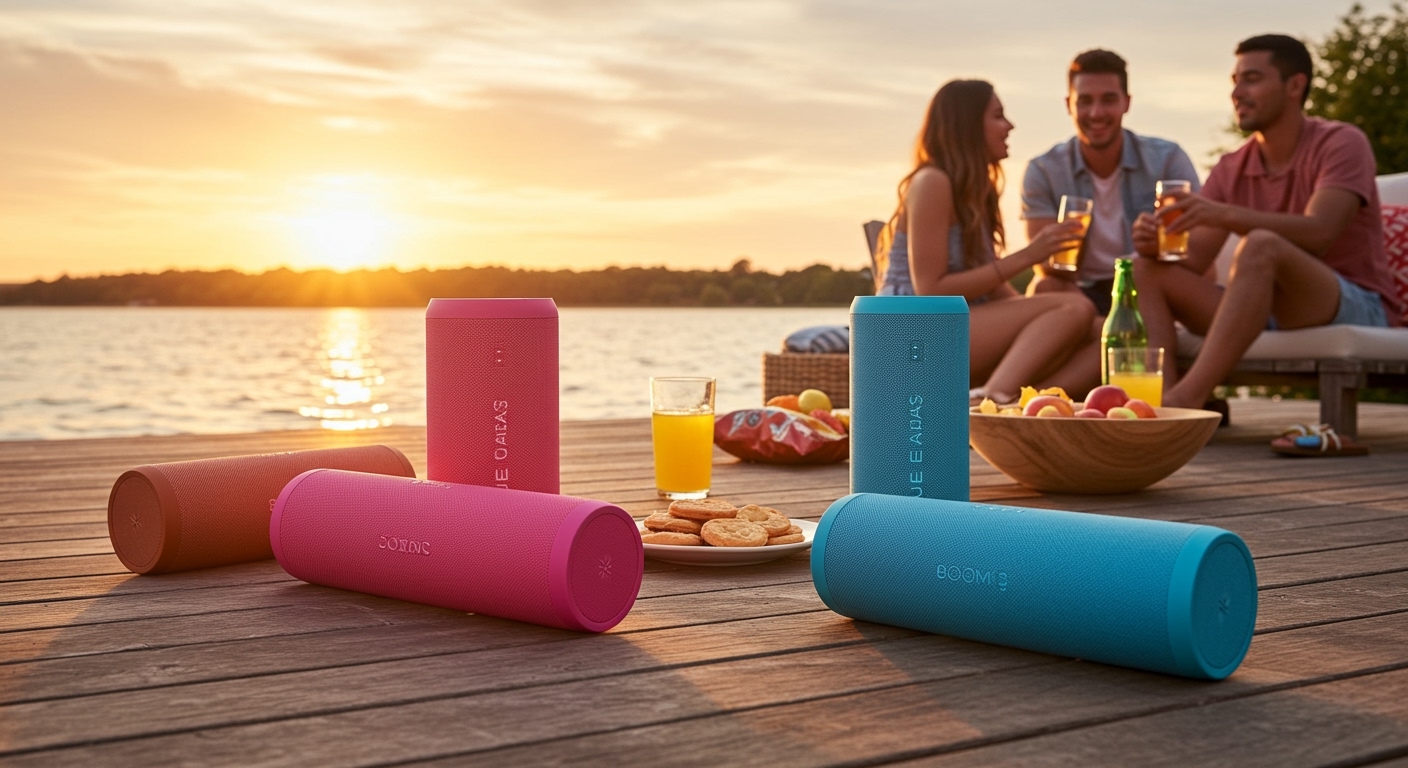
| Portable (Emberton, Willen) | 3–5 Years | Battery Degradation | Travel & Outdoor |
| Active Portables (Kilburn, Tufton) | 5–8 Years | Battery / Charging Port | Backyard BBQ / High Volume |
| Home Line (Stanmore, Woburn) | 10+ Years | Capacitor Failure | Dedicated Home Audio |
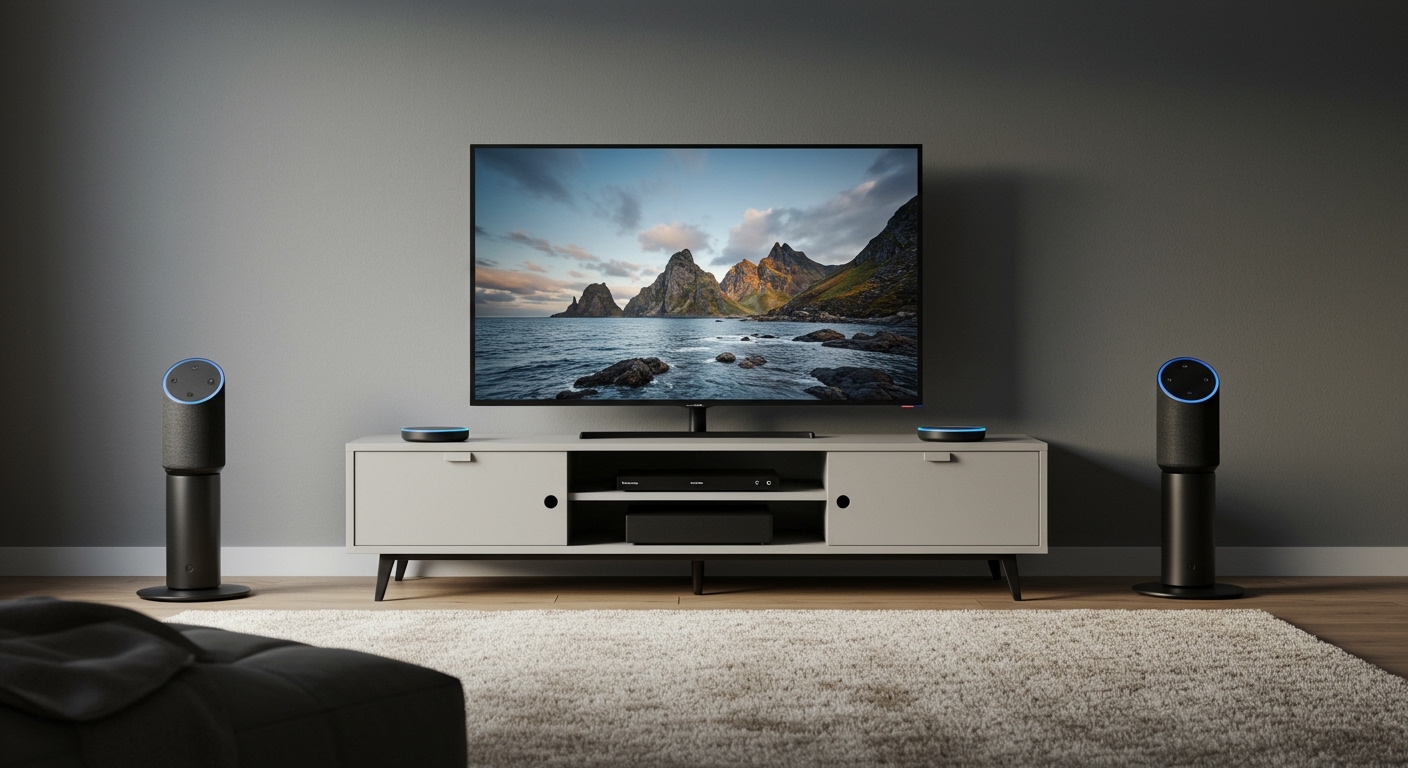
| Voice Series (Alexa/Google Integrated) | 4–6 Years | Software Obsolescence | Smart Home Users |
The Portable Paradox: Why Batteries Dictate the Clock
When you ask how long do Marshall speakers last, the answer for the Emberton II or Stockwell is tied strictly to charge cycles. Most Lithium-ion batteries are rated for about 300 to 500 full charge cycles before they drop to 80% capacity.
In my experience, if you charge your speaker daily, you will notice a significant drop in playtime within three years. Because these units are often IP67 rated (waterproof), they are sealed with heavy adhesives. This makes battery replacement difficult for the average user, often meaning the speaker is “dead” once the battery fails to hold a charge.
Home Speakers: Built Like Tanks
The Marshall Woburn III and Stanmore III are different beasts entirely. Since they stay plugged into a wall, they avoid the chemical aging of a battery. These units utilize Class D amplifiers and high-quality transformers that can last for decades. I have seen original Marshall Hanwell units from 2012 still rocking today with zero loss in audio fidelity.
Factors That Determine Your Marshall Speaker’s Lifespan
To get the most out of your investment, you need to understand what actually “kills” a speaker. It is rarely the drivers (the parts that make sound); it is almost always the electronics or the exterior casing.
Thermal Management and Heat**
Heat is the enemy of electronic components. If you push your Marshall speaker at 100% volume for hours in a hot room, the internal capacitors will dry out faster. We recommend keeping the volume at 70% or below for sustained listening to ensure the internal heat sinks can manage the temperature.
The “Tolex” and Aesthetic Wear**
Marshall uses a vinyl material called Tolex to wrap their speakers. While it looks iconic, it can peel or bubble if exposed to direct sunlight or high humidity.
- UV Exposure: Long-term sun exposure makes the gold piping brittle.
- Humidity: High moisture can cause the MDF (Medium Density Fiberboard) frame to swell, ruining the acoustics.
Firmware and Software Longevity**
Modern Marshall speakers use the Marshall Bluetooth App. While the hardware might last 10 years, the Bluetooth protocols change. A speaker using Bluetooth 4.0 today might struggle with connectivity in 2030. We have found that Marshall is relatively good at providing OTA (Over-The-Air) updates, but eventually, software support will cease.
Step-by-Step Guide: How to Make Your Marshall Speaker Last 10+ Years
If you want to beat the average lifespan stats, follow this maintenance routine that I use for my professional studio monitors and personal Marshall collection.
Step 1: Optimize Your Charging Routine (Portables Only)
Stop leaving your Kilburn II or Emberton plugged in 24/7.
- The 20/80 Rule: Unplug the speaker when it hits 80% and plug it back in at 20%.
- Deep Discharge: Never let your speaker sit at 0% battery for weeks; this can “brick” the battery permanently.
Step 2: Environmental Positioning
Where you place your speaker matters as much as how you use it.
- Avoid the Sun: Keep the speaker away from windows where UV rays hit the Tolex.
- Airflow: Ensure there are at least 2 inches of space behind home models like the Woburn to allow the rear-firing ports to move air and cool the internals.
Step 3: Periodic Cleaning
Dust is conductive and can cause short circuits on the PCB (Printed Circuit Board) over time.
- Use a soft, dry microfiber cloth for the exterior.
- Use a compressed air can to blow dust out of the USB-C charging port and the 3.5mm jack.
- Avoid using harsh chemicals or alcohols on the brass knobs, as this will strip the finish.
Step 4: Update the Firmware
Check the Marshall Bluetooth App once every three months. Manufacturers often release updates that optimize power management, which can physically extend the life of your battery by managing voltage more efficiently.
Common Signs Your Marshall Speaker is Failing
How do you know if your speaker is reaching the end of its life? Look for these “red flags” based on our troubleshooting experience:
- Crackling at High Volumes: This usually indicates a blown driver or a failing capacitor in the amp stage.
- Rapid Battery Drain: If your Emberton drops from 100% to 50% in an hour, the battery cells are nearing the end of their chemical life.
- Bluetooth Dropping Constantly: This can be a sign of a failing Bluetooth module or internal interference from a loose wire.
- Sticky Knobs: This is usually due to potentiometer oxidation. A quick spray of DeoxIT can often fix this.
The Expert Verdict: Is a Marshall Speaker a Good Long-Term Investment?
In my professional opinion, yes. When compared to cheaper plastic competitors, Marshall uses superior materials like wood cabinets, heavy-duty switches, and reinforced corners.
While the portable models are limited by the physics of battery decay, the Home Line (Woburn, Stanmore, Acton) offers some of the best longevity in the wireless speaker market. If you are looking for a “buy it for life” option, choose a plug-in model and avoid the battery-operated versions.
Frequently Asked Questions (FAQ)
Can I replace the battery in my Marshall speaker?
On older models like the Kilburn I and Stockwell I, the batteries were user-replaceable. On newer models like the Emberton and Willen, the units are sealed for water resistance, making battery replacement very difficult without professional tools.
Is it okay to leave my Marshall speaker plugged in all the time?
For Home models (Acton, Stanmore, Woburn), yes—they are designed for this. For Portable models, no. Leaving a portable speaker at 100% charge constantly creates voltage stress that shortens the battery’s total lifespan.
Are Marshall speakers waterproof?
Only specific portable models are waterproof. The Emberton II and Willen have an IP67 rating, meaning they can survive 30 minutes under water. However, the Home line has no water resistance and will fail immediately if exposed to moisture.
How do I reset my Marshall speaker if it stops responding?
You can usually perform a factory reset by holding down the Source button and the Play/Pause knob simultaneously for 7-10 seconds. This often solves software-related “longevity” issues.
Does Marshall offer a repair service?
Marshall (via Zound Industries) offers a standard one-year warranty. Outside of that, they do not have a dedicated global repair network, so you may need to take your speaker to a local electronics repair shop for out-of-warranty issues.
**
**
**
**