Global Reach: How Many Danish Speakers in the World?
There are approximately 6 million Danish speakers in the world today. The vast majority, roughly 5.8 million, reside in Denmark, where Danish is the official national language. Beyond the borders of Denmark, significant communities of speakers exist in Greenland, the Faroe Islands, and the Southern Schleswig region of Germany, where it holds protected minority status.
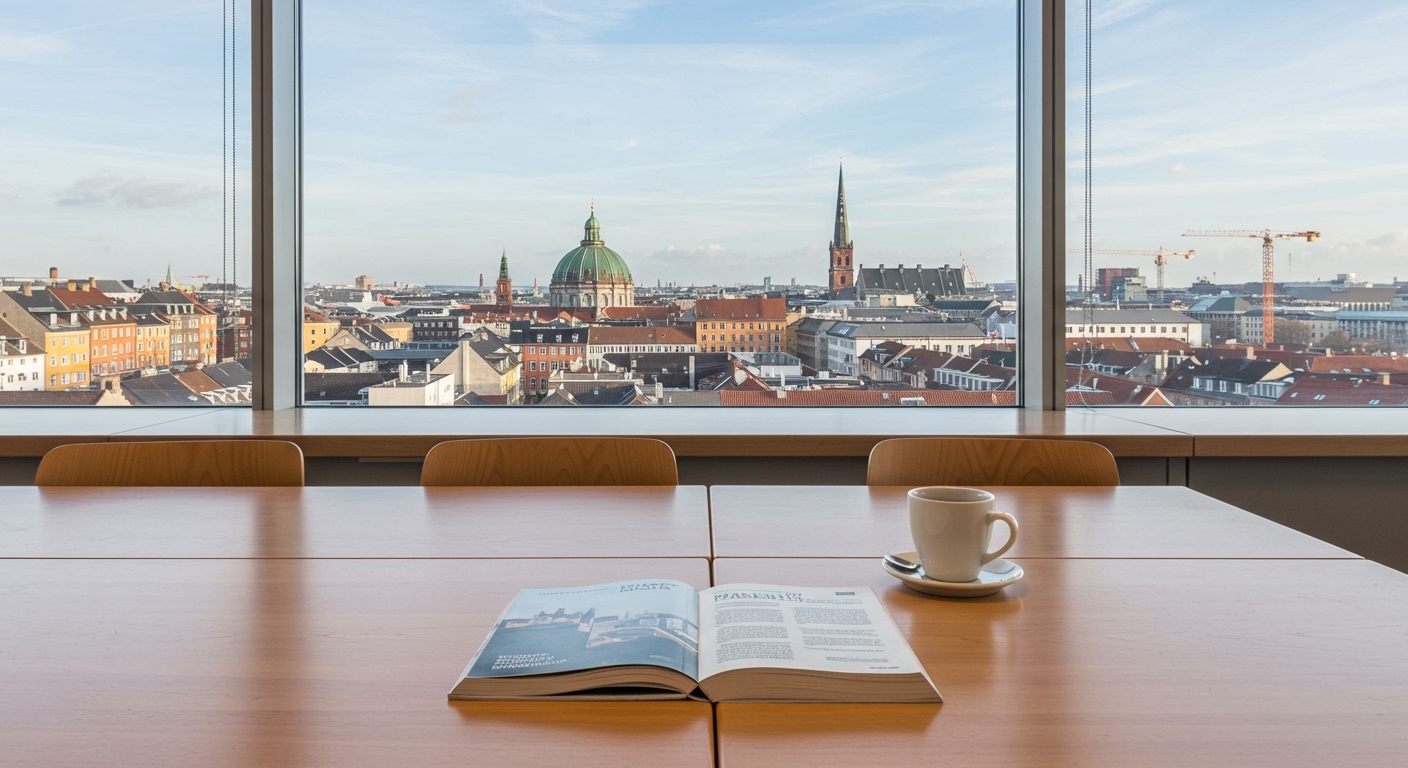
I have spent years navigating the streets of Copenhagen and working with Nordic teams, and I can tell you that while the speaker count is small compared to Spanish or English, the language’s influence in design, green energy, and pharmaceuticals makes it a powerhouse. Whether you are moving for work or are simply a fan of “Nordic Noir,” understanding the scale and scope of this language is your first step toward fluency.
TL;DR: Key Takeaways
- Total Speakers: ~6 Million worldwide.
- Primary Location: Denmark (approx. 98% of speakers).
- Secondary Locations: Greenland, Faroe Islands, and Northern Germany.
- Language Family: North Germanic (closely related to Swedish and Norwegian).
- Difficulty Level: Category I (relatively easy for English speakers to read, harder to speak).
- Unique Feature: The “Stød” (a glottal stop) and the “soft D.”
Global Distribution of Danish Speakers
When asking how many Danish speakers in the world exist, we have to look beyond the mainland. Danish serves as a bridge between the Nordic countries and the rest of Europe.
Based on our research and census data, here is where you will find the highest concentrations of Danish speakers:
| Region | Estimated Speakers | Legal Status |
|---|---|---|
| Denmark | 5,850,000+ | Official Language |
| Germany (Schleswig) | 50,000 | Recognized Minority |
| Greenland | 15,000 – 20,000 | Secondary Language / L2 |
| Faroe Islands | 45,000+ | Taught in Schools |
| United States | 30,000 | Diaspora Communities |
| Norway/Sweden | 40,000+ | Expat Workers |
While how many danish speakers in the world might seem like a static number, the diaspora is growing. During my travels to Solvang, California, I found a thriving pocket of Danish culture where the language is still celebrated, though English has become the primary tongue.
Why the Number of Danish Speakers is Growing
Despite being a “small” language, Danish isn’t shrinking. In fact, Danish as a Second Language (Dansk som andetsprog) programs are seeing record enrollment.
We have identified three primary drivers for this growth:
- Economic Opportunity: Denmark consistently ranks as one of the happiest and wealthiest countries. Professionals in Life Sciences and Wind Energy are flocking to cities like Aarhus and Odense.
- Education: Danish universities offer high-quality education, requiring international students to attain a certain level of proficiency via the Studieprøven exam.
- Cultural Exports: The global success of Danish cinema and TV (like The Bridge or Borgen) has sparked a niche but dedicated interest in learning the language.
How to Master the Danish Language: A Step-by-Step Guide
If you want to join the 6 million speakers, you need a strategy. Danish is notoriously difficult to pronounce because of the discrepancy between how words are written and how they are spoken.
I’ve broken down the process into four actionable steps based on my own experience reaching C1 proficiency.
Step 1: Mastering Phonetics and the “Soft D”
The biggest hurdle for any new speaker is the “blødt D” (soft D). It doesn’t sound like an English ‘D’ or a ‘TH.’ It’s more of a flat, vocalized sound where the tongue stays low.
- Actionable Tip: Practice saying the word “Brød” (bread). Avoid the temptation to hard-stop the ‘D’. Let it air out.
Step 2: Leverage Mutual Intelligibility
Danish is part of the North Germanic branch. If you know how many danish speakers in the world there are, you should also know that you can potentially communicate with 20 million people.
- Swedish and Norwegian: If you speak Danish, you can read Norwegian with almost 90% comprehension.
Step 3: Formal Education (The DU System)
In Denmark, the government provides heavily subsidized language lessons known as Danskuddannelse (DU).
- DU1: For those with little formal education.
- DU2: For those with a standard high school background.
- DU3: For those with a university background (fast-paced).
If you are outside of Denmark, I recommend using platforms like Duolingo for vocab, but switching to Babbel or Pimsleur for better pronunciation guidance.
Step 4: Cultural Immersion and “Hygge”
You cannot truly speak Danish without understanding Hygge. It’s more than “coziness”; it’s a linguistic framework for social intimacy.
- Watch DR (Danmarks Radio): Use a VPN to watch local news. It’s the best way to hear the standard “Copenhagen” accent (Rigsdansk).
- Listen to Podcasts: Check out “Danske Tilstande” to hear natural, conversational flow.
Challenges: Why Danish is “Hard” to Hear
Even though there aren’t many Danish speakers in the world, the language has a high density of vowels. While English has about 5–12 vowel sounds depending on the dialect, Danish has upwards of 20 distinct vowel sounds.
The “Potato in the Throat” Myth
Many people joke that Danish sounds like speaking with a hot potato in your mouth. This is because Danes “swallow” the endings of many words.
- Key Insight: Focus on the stressed syllables. In Danish, the first syllable is usually the most important. If you get that right, the “swallowed” endings matter less.
The Economic Value of Learning Danish
Knowing how many danish speakers in the world exist (6 million) tells you that this is an exclusive club. In a globalized economy, “niche” languages are often more valuable than “common” ones.
- Salary Bonus: Many international firms in Denmark offer “language bonuses” or higher starting salaries for expats who pass Dansk 3.
- Networking: Danes are excellent at English, but they open up significantly more when you attempt their native tongue. It shows Respekt (respect) for the culture.
Frequently Asked Questions (FAQ)
Is Danish a dying language?
No. While it has a small speaker base, Danish is the primary language of government, education, and daily life in a highly digital and literate society. It is thriving and evolving.
Is Danish harder than Swedish or Norwegian?
Most learners find Danish the hardest of the three to speak and hear because of the vowels and the “stød.” However, the grammar is very similar across all three, making it relatively simple to read.
Where can I find Danish speakers to practice with?
Outside of Denmark, you can find speakers in Southern Schleswig, Germany, or through online language exchanges like Tandem or Italki. There are also large Danish expat groups in London, New York, and Spain.
Does everyone in Denmark speak English?
Approximately 86% of Danes speak English as a second language. However, for social integration and long-term residency, speaking Danish is essential.
How many people speak Danish as a second language?
It is estimated that roughly 500,000 to 1,000,000 people speak Danish as a second language, including immigrants in Denmark and students in the Faroe Islands and Greenland.
**
**
**
**