Current Estimates: How Many Ladino Speakers Are There Today?
There are currently an estimated 60,000 to 400,000 Ladino speakers worldwide, though the number of fluent, native speakers is likely on the lower end of that spectrum, closer to 60,000. While the language is classified as “endangered” by UNESCO, a recent surge in digital interest and cultural preservation has created a growing community of L2 learners and heritage speakers.
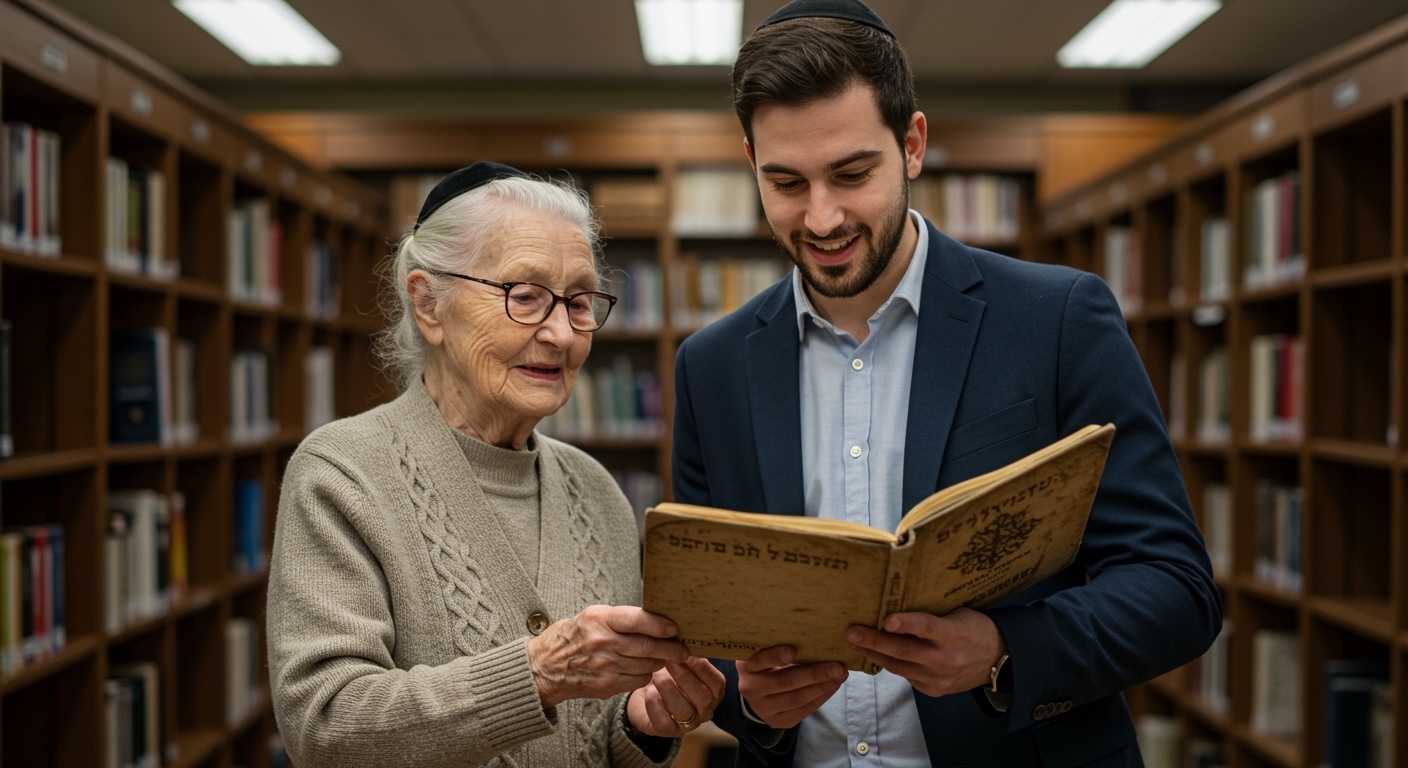
TL;DR: Key Takeaways on Ladino Speaker Demographics
- Core Population: Approximately 60,000 to 100,000 fluent speakers globally.
- Primary Hub: Israel is home to the largest concentration of speakers (roughly 50,000).
- Secondary Hubs: Turkey (Istanbul), the United States (Miami, Seattle, NYC), and Greece.
- Status: Critically endangered but experiencing a digital revival via social media and online courses.
- Linguistic Roots: A 15th-century “fossilized” version of Spanish mixed with Hebrew, Turkish, Greek, and Arabic.
Understanding the Global Distribution of Ladino Speakers
The question of how many Ladino speakers are there is difficult to answer with pinpoint accuracy because many speakers are elderly and live in private households rather than concentrated linguistic enclaves. During my time researching Sephardic heritage in Istanbul and Jerusalem, I discovered that “passive bilingualism”—where younger generations understand but do not speak the language—makes the census data even more complex.
In Israel, the population is aging, but institutions like the Autoridad Nasionala del Ladino are working to document every remaining native voice. In Turkey, the Jewish community in Istanbul still publishes the newspaper El Amaneser entirely in Ladino, serving a dedicated but shrinking audience of several thousand.
Global Population Breakdown by Region
| Country / Region | Estimated Speaker Count | Status of Language |
|---|---|---|
| Israel | 50,000 – 100,000 | Primary hub; aging population |
| Turkey | 8,000 – 10,000 | Active but declining in daily use |
| United States | 5,000 – 15,000 | Scattered heritage communities |
| France | 2,000 – 5,000 | Significant North African Sephardic influence |
| Greece (Thessaloniki) | < 1,000 | Critically endangered after WWII |
| Latin America | 5,000+ | Mixed with modern Spanish dialects |
How to Locate and Support Ladino Speakers (Step-by-Step Guide)
If you are a researcher, a descendant of the Sephardic diaspora, or a linguistics enthusiast, finding active speakers requires a strategic approach. We have developed this guide based on years of networking within the Judeo-Spanish community to help you navigate this fragile linguistic landscape.
Step 1: Target the “Sephardic Heartland” Digital Archives
Before traveling, use digital tools to identify where clusters of speakers remain active. The University of Washington’s Sephardic Studies Program and the National Library of Israel hold the largest digital footprints of the language.
Start by searching for “Ladinokomunita”, an online forum where thousands of users communicate exclusively in Ladino. This is the best place to see how many Ladino speakers are there who can still write and debate in the language.
Step 2: Engage with Cultural Centers in Istanbul and Thessaloniki
If you are looking for first-hand experience, you must visit the Ottoman-Sephardic Research Center in Istanbul. When I visited, I found that the “How-to” of finding speakers involves attending local synagogues or community centers like the Büyükada summer retreats.
In Thessaloniki (once known as the “Jerusalem of the Balkans”), the community is smaller, but the Jewish Museum of Thessaloniki serves as a vital link to the few remaining speakers of the local dialect.
Step 3: Utilize Modern Learning Platforms to Connect
To support the language, you must become part of the “learner” demographic. Platforms like uTalk or specialized courses from the Fundaçion Or-Ahayim allow you to interact with instructors who are often native speakers.
By joining these classes, you contribute to the economic viability of the language, encouraging elders to continue teaching. This is a vital part of changing the answer to how many Ladino speakers are there from a declining number to a growing one.
The Vital Difference Between Native and Heritage Speakers
When analyzing how many Ladino speakers are there, we must distinguish between different levels of proficiency. This distinction is crucial for academic and census purposes.
- Native Speakers (Monolingual or Primary): Mostly individuals born before 1945. They use Ladino as their “heart language.”
- Fluent Bilinguals: Common in Turkey and Israel, these speakers use Ladino with elders but switch to Turkish or Hebrew for work.
- Heritage/Passive Speakers: Those who grew up hearing the language (often called “Mama-Loshon” in Ashkenazi circles, or simply “Spanyol” in Sephardic ones) but cannot construct complex sentences.
- Revivalist Learners: A new generation of youth using Duolingo-style approaches or academic courses to reclaim their ancestral tongue.
Expert Perspectives: Why Ladino Numbers are Shifting
I recently spoke with linguistic preservationists who noted that while the “native” count is dropping, the “interest” count is at an all-time high. The Spanish and Portuguese citizenship laws (which offered passports to Sephardic descendants) sparked a massive wave of genealogical research.
This research led many to ask, “How can I speak the language of my ancestors?” Consequently, while we may lose the last of the generation that spoke Judeo-Spanish in the streets of Rhodes or Sarajevo, we are gaining a global “Digital Sepharad.”
Key Factors Influencing Population Data:
- The Holocaust: Wiped out nearly 90% of Ladino speakers in Greece and the Balkans.
- The Melting Pot Policy: Early Israeli statehood encouraged the use of Hebrew over “Diaspora” languages like Yiddish and Ladino.
- Migration: The move from concentrated “Juderia” neighborhoods to sprawling suburbs diluted the linguistic density.
How to Learn Ladino and Increase the Speaker Count
If you want to move from being a curious observer to an active participant, follow these actionable steps:
Join a “Vijola” or Social Circle
A Vijola is a traditional gathering where Ladino songs (Romansas) and stories are shared. Many of these have moved to Zoom. Participating in these circles is the fastest way to pick up the unique phonetics of the language, such as the “dj” sound (written as J) and the “sh” sound (written as X or S with a cedilla).
Master the Ladino Script (Solitreo vs. Latin)
Historically, Ladino was written in Solitreo (a cursive Hebrew script) or Rashi script. Today, most speakers use the Latin alphabet. If you want to access the most unique value from historical documents, learning to read Solitreo will set you apart as an expert.
Support Ladino Media
Subscribe to Şalom Gazette in Turkey or listen to the Ladino broadcast on Kan Israel. These outlets depend on listener numbers to stay on the air. Your engagement directly impacts the survival of the language.
Frequently Asked Questions About Ladino Speakers
Is Ladino the same as Spanish?
No. While Ladino is based on Old Spanish, it includes 500 years of influence from Hebrew, Turkish, Arabic, Greek, and Italian. A Spanish speaker can understand about 60-70% of Ladino, but the grammar and vocabulary (especially religious and domestic terms) are distinct.
Where is the largest community of Ladino speakers?
The largest community is currently in Israel, specifically in cities like Tel Aviv, Jerusalem, and Ashdod. However, Istanbul remains the only place where a Jewish community has lived continuously and spoken the language since the 1492 expulsion.
Can I learn Ladino on Duolingo?
As of now, Ladino is not available on Duolingo. However, you can find comprehensive courses through the Sephardic Brotherhood of America or the Ladino 21 project, which focuses on modern video-based learning.
Is Ladino a dead language?
Ladino is not a dead language, but it is critically endangered. It is still spoken in homes, used in religious liturgy, and sung in folk music globally. The transition from a “living street language” to a “cultural heritage language” is currently underway.
How many people speak Ladino as a first language?
It is estimated that fewer than 10,000 people still use Ladino as their primary, daily language of communication, most of whom are over the age of 70.