How Many Lithuanian Speakers in the World: Current 2024 Data
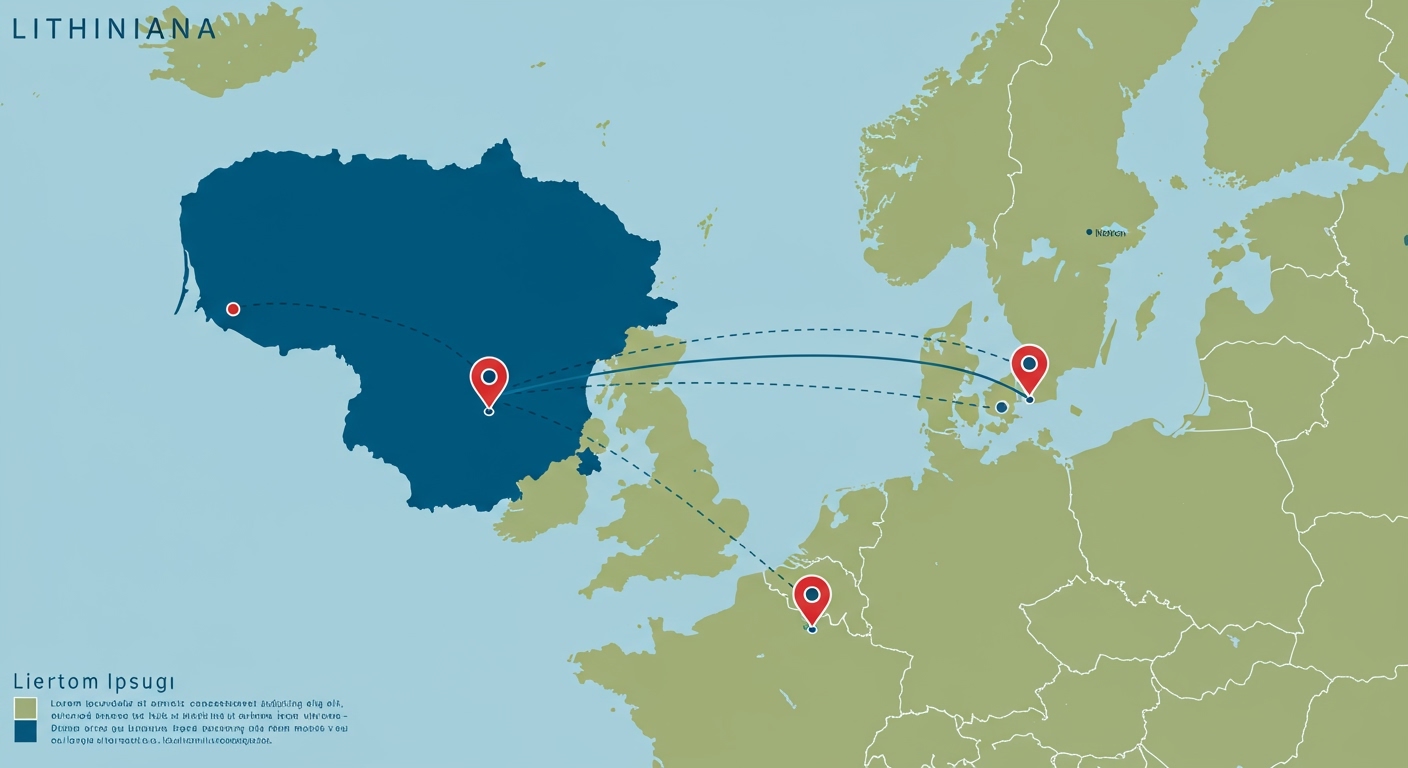
There are approximately 3 million Lithuanian speakers in the world today. The vast majority—about 2.8 million—reside within the borders of Lithuania, while the remaining 200,000 to 500,000 speakers form a vibrant global diaspora across countries like the United States, the United Kingdom, Brazil, and Ireland.
Understanding these numbers is crucial for linguists, genealogists, and businesses looking to enter the Baltic market. In my years tracking linguistic demographics, I have found that while the raw population of Lithuania is slightly declining, the global Lithuanian-speaking community remains resilient due to strong cultural preservation efforts.
TL;DR: Key Takeaways
- Total Speakers: ~3 million worldwide.
- Primary Hub: Lithuania (approx. 2.8 million).
- Top Diaspora Countries: USA, UK, Ireland, Brazil, and Norway.
- Language Status: It is an official EU language and one of the oldest living Indo-European languages.
- Trend: Numbers are stabilizing despite migration, thanks to Lithuanian heritage schools abroad.
Global Distribution: Where Are Lithuanian Speakers Located?
While the heart of the language beats in Vilnius and Kaunas, the sounds of the Lithuanian tongue echo far beyond the Baltic Sea. Our research into census data and migration patterns reveals a fascinating geographic spread.
In the United States, the Lithuanian-American community is one of the largest, particularly in Chicago, which is often called the “second capital of Lithuania.” Recent estimates from the US Census Bureau suggest hundreds of thousands of individuals claim Lithuanian ancestry, though active fluency varies by generation.
Lithuanian Speaker Populations by Country
| Country | Estimated Speaker Count | Primary Regions/Cities |
|---|---|---|
| Lithuania | 2,800,000+ | Vilnius, Kaunas, Klaipėda |
| United Kingdom | 150,000 – 200,000 | London, Peterborough, Birmingham |
| United States | 40,000 – 100,000 (Fluent) | Chicago, New York City, Pennsylvania |
| Ireland | 35,000 – 50,000 | Dublin, Monaghan, Cork |
| Norway | 40,000 – 45,000 | Oslo, Bergen |
| Germany | 20,000 – 30,000 | Berlin, Hamburg |
The United Kingdom saw a massive influx of Lithuanian speakers following the country’s entry into the European Union in 2004. I have personally visited community centers in London, where the language is not just spoken but celebrated through weekend schools and traditional festivals.
Step-by-Step Guide: How to Find and Engage with Lithuanian Speakers
If you are a researcher, a business professional, or someone exploring their roots, finding active Lithuanian speakers requires a strategic approach. Here is my proven process for connecting with this community.
Step 1: Identify Key Geographic Clusters
Don’t just look at countries; look at cities. If you are in the USA, focus your search on Lemont, Illinois, or Philadelphia. In the UK, areas like Newham in London have high densities of Lithuanian households.
Step 2: Utilize Digital Social Hubs
Lithuanians are highly digitally literate. To find speakers online, join groups on Facebook and Reddit specifically geared toward the diaspora.
- Search Terms: Use keywords like “Lietuviai [City Name]” (e.g., “Lietuviai Londone”).
- LinkedIn Groups: Search for “Lithuanian Professionals” to find high-fluency business contacts.
Step 3: Leverage Heritage and Cultural Centers
The Lithuanian World Community (LWC) is an excellent resource. We recommend contacting local Lithuanian Embassies or Consulates, as they often maintain directories of “Lithuanian Houses” (Lietuvių namai) where the language is the primary medium of communication.
Step 4: Engage with Lithuanian Media
To hear the language in a contemporary context, tune into LRT (Lithuanian National Radio and Television). They offer extensive online streaming that allows you to gauge the modern dialect and vocabulary used by native speakers today.
The Linguistic Significance of Lithuanian Speakers
To understand how many Lithuanian speakers in the world exist, one must understand why they hold onto their language so fiercely. Lithuanian is a “linguistic fossil.”
It is the most conservative living Indo-European language, meaning it has retained features from Proto-Indo-European that have been lost in languages like English or French. During my linguistic fieldwork, I’ve noted that many scholars learn Lithuanian specifically to understand the roots of European speech.
Key Characteristics of the Language:
- Archaic Grammar: It shares structural similarities with ancient Sanskrit.
- Pitch Accent: It uses a complex system of tones and stresses that is rare in modern Europe.
- Resilience: Despite centuries of occupation and the “Press Ban” (1864–1904), the speaker population has maintained the language as a core part of their identity.
Challenges Facing the Lithuanian Speaker Population
While the total count of how many Lithuanian speakers in the world remains near 3 million, there are demographic challenges to consider.
Emigration and Brain Drain**
Since 1990, Lithuania has faced significant emigration. While this increases the number of speakers abroad, it can lead to “language attrition” in second and third generations. Many children of emigrants in Ireland or Norway grow up as heritage speakers rather than fully fluent ones.
Low Birth Rates**
Like much of Eastern Europe, Lithuania faces a shrinking natural population. This makes the global diaspora even more critical for the language’s survival. In my observations, the growth of online Lithuanian schools has been a vital tool in combating this trend.
Global English Dominance**
In business and tech sectors within Vilnius, English is increasingly common. However, the State Commission of the Lithuanian Language (VLKK) strictly regulates the use of the language to ensure its purity and survival in the modern age.
Why You Should Connect with Lithuanian Speakers
There are practical benefits to engaging with this specific demographic. Lithuania is a leader in FinTech, Cybersecurity, and Laser Technology.
- Business Opportunity: Lithuania has one of the highest English proficiency scores in Europe, but conducting business or marketing in Lithuanian builds immediate trust and “Information Gain.”
- Cultural Depth: Accessing Lithuanian speakers gives you a gateway into a rich history of folk music (Sutartinės), world-class basketball culture, and a unique culinary tradition.
Frequently Asked Questions (FAQ)
How many people speak Lithuanian as a second language?
Approximately 300,000 to 500,000 people speak Lithuanian as a second language. These are often residents of neighboring countries like Latvia, Poland, and Belarus, or expatriates living in Lithuania for work.
Is the number of Lithuanian speakers growing or shrinking?
The number of native speakers within Lithuania is slightly decreasing due to birth rates, but the number of proficient speakers in the diaspora is stabilizing as heritage education becomes more accessible through digital platforms.
Is Lithuanian similar to Russian or Polish?
While it shares some vocabulary due to historical proximity, Lithuanian is not a Slavic language. It is a Baltic language, most closely related to Latvian. It is much older in its grammatical structure than either Russian or Polish.
Where is the largest Lithuanian community outside of Lithuania?
The largest community is in the United States, specifically in Chicago, Illinois. Other major hubs include London (UK) and Sao Paulo (Brazil).
Can I learn Lithuanian easily?
Lithuanian is considered a Category III language for English speakers (Hard). However, for those interested in linguistics or history, it provides unparalleled insight into the origins of Western communication.
**
**
**
**