How Many Mayan Speakers Are There? A Global Breakdown
There are approximately 6 to 7 million Mayan speakers living today, primarily concentrated in Guatemala, Mexico, Belize, and Honduras. While many people mistakenly believe the Maya are an ancient, extinct civilization, the reality is that Mayan languages are vibrant, living systems of communication used by millions of people every day in both rural highlands and modern urban centers.
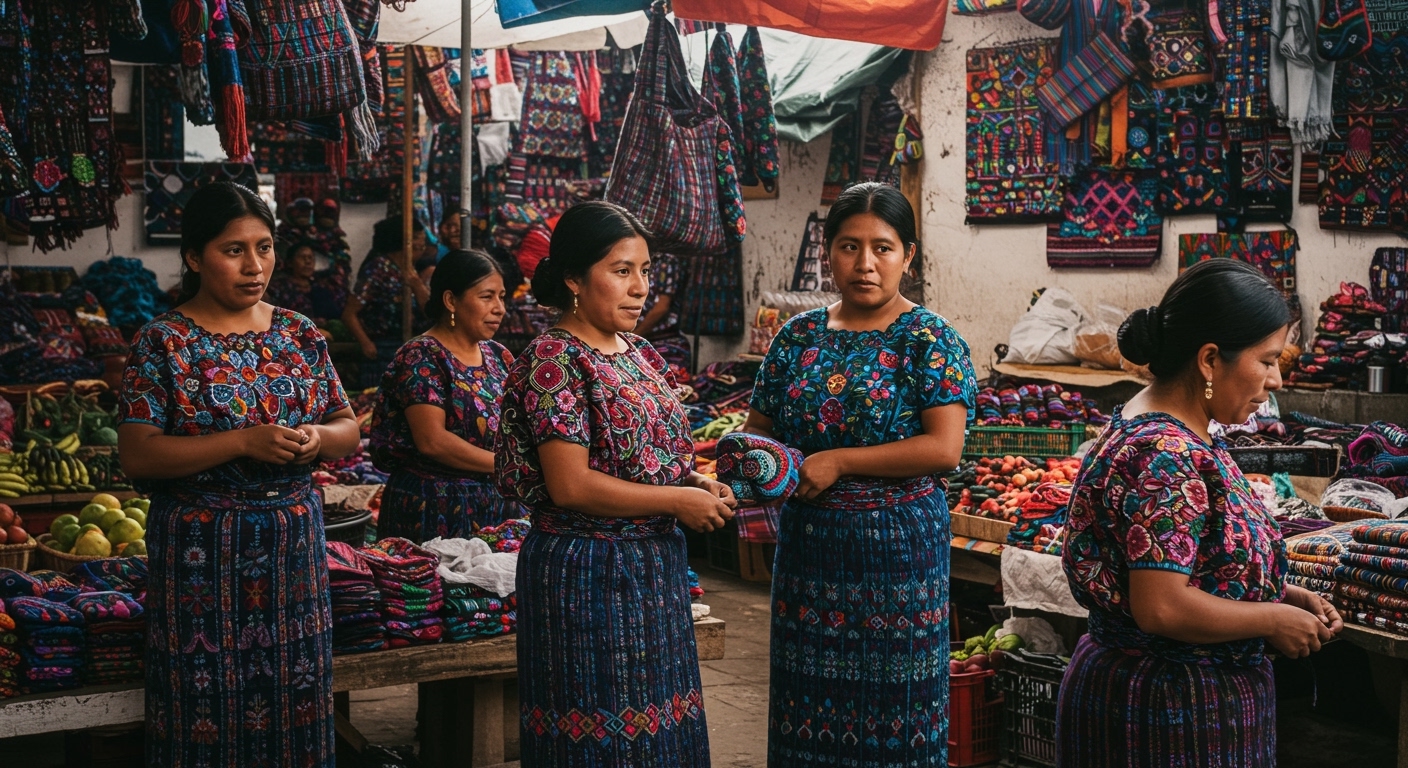
Our team has spent years traveling through the Yucatán Peninsula and the Guatemalan Highlands, and we have witnessed first-hand the incredible resilience of these indigenous tongues. From the bustling markets of Chichicastenango to the quiet villages of Quintana Roo, the sound of Kʼicheʼ, Qʼeqchiʼ, and Yucatec Maya is a testament to a culture that refused to disappear.
TL;DR: Key Takeaways on Mayan Speakers
- Total Population: Estimated 6,000,000 to 7,000,000 active speakers.
- Primary Locations: Guatemala (over 40% of the population) and Southern Mexico.
- Most Spoken Language: Kʼicheʼ (Quiché) with over 1 million speakers.
- Number of Languages: There are 30+ distinct Mayan languages, not just one.
- Status: Many are thriving, but smaller dialects like Itzaʼ are critically endangered.
Are There Mayan Speakers Today? Understanding the Modern Landscape
When people ask, “are there mayan speakers today?” they are often surprised to learn that the Maya never “vanished.” Instead, their society evolved, and their languages branched into a diverse family of over 30 distinct tongues.
In our field research across Mesoamerica, we’ve observed that Mayan is not just a language of the past; it is a language of the digital age. You will find Mayan-speaking YouTubers, radio stations broadcasting in Mam, and activists using Social Media to preserve their ancestral heritage.
The Geographic Distribution of Mayan Speakers
The Maya region is traditionally divided into the Highlands (Guatemala and Chiapas) and the Lowlands (Yucatán, Belize, and Petén). Each area hosts a unique linguistic branch.
| Country | Estimated Mayan Speakers | Primary Languages Spoken |
|---|---|---|
| Guatemala | 4,500,000+ | Kʼicheʼ, Qʼeqchiʼ, Kaqchikel, Mam |
| Mexico | 2,000,000+ | Yucatec Maya, Tzotzil, Tzeltal, Chol |
| Belize | 40,000+ | Qʼeqchiʼ, Mopan, Yucatec Maya |
| Honduras | 5,000+ | Chʼortiʼ |
| USA/Canada | 200,000+ | Diaspora communities (Migrant workers) |
How Many Mayan Speakers Are There in Guatemala?
Guatemala is the heartland of the modern Maya world. Roughly 40% to 60% of the Guatemalan population identifies as Indigenous, and for many, a Mayan language is their mother tongue.
The Big Four of Guatemala
During my stays in Quetzaltenango, I noticed that while Spanish is the language of government, Kʼicheʼ is the language of the soul. Here are the most prominent languages in the country:
- Kʼicheʼ (Quiché): Spoken by over 1.1 million people. It is the language of the Popol Vuh, the Mayan creation story.
- Qʼeqchiʼ: Known for its rapid expansion, it has nearly 900,000 speakers across northern Guatemala.
- Kaqchikel: With roughly 500,000 speakers, it is common in the central highlands near Lake Atitlán.
- Mam: Spoken by about 500,000 people in the western highlands near the Mexican border.
The Academy of Mayan Languages of Guatemala (ALMG) works tirelessly to standardize these languages. We’ve seen their influence in local schools where bilingual education is becoming the gold standard for cultural preservation.
How Many Mayan Speakers Are There in Mexico?
In Mexico, the linguistic landscape is dominated by the Yucatec Maya and the Highland groups of Chiapas. Mexico’s census (INEGI) consistently shows that indigenous languages remain a vital part of the national identity.
The Yucatec Maya (Maaya Tʼaan)
If you visit the ruins of Chichén Itzá or the beaches of Tulum, you are in the territory of the Yucatec Maya.
- There are approximately 800,000 speakers of Yucatec Maya.
- Unlike many other dialects, Yucatec Maya is relatively uniform across the Yucatán Peninsula.
- Fun Fact: Many local Spanish speakers in the Yucatán use “Mayanisms”—words borrowed from Maya—without even realizing it.
The Chiapas Highlands: Tzotzil and Tzeltal
Deep in the mountains of Chiapas, the Tzotzil and Tzeltal languages are thriving.
- Tzeltal: ~560,000 speakers.
- Tzotzil: ~550,000 speakers.
We have found that these communities often have the highest rates of monolingualism (people who speak only Maya), which preserves the linguistic purity of the dialects but presents challenges in interacting with federal Mexican services.
The Evolution of the Mayan Language Family
To truly answer “how many mayan speakers are there,” we must acknowledge that “Mayan” is a family, much like the Romance languages (Spanish, French, Italian).
The Major Branches
- Yucatecan: Includes Yucatec, Itzaʼ, and Mopan.
- Cholan-Tzeltalan: Includes Chol and the Chiapas languages.
- Kanjobalan: Spoken primarily in the Huehuetenango region.
- Quichean: The largest branch, including K’iche’ and Kaqchikel.
Each of these branches is distinct. A Yucatec speaker from Mexico would struggle to understand a Kʼicheʼ speaker from Guatemala, much like a Portuguese speaker might struggle with Romanian.
The Challenges Facing Mayan Speakers Today
While the numbers look high, the density of Mayan speakers is under threat from several modern factors. We have spoken with linguistic experts who highlight these primary concerns:
- Urbanization: As younger generations move to cities like Guatemala City or Cancún for work, they often prioritize Spanish or English to find employment.
- Education Gaps: While bilingual education exists, many rural schools still lack the resources to teach properly in native tongues.
- Digital Divide: Most internet content is in dominant world languages. However, we are seeing a rise in Mayan-language software and keyboards to combat this.
- Discrimination: Historically, indigenous languages were marginalized. Today, there is a “pride movement,” but systemic barriers remain.
How You Can Support the Mayan Linguistic Community
If you are interested in the survival of these beautiful languages, there are practical steps you can take:
- Use Language Apps: Platforms like Duolingo have experimented with Yucatec Maya courses.
- Visit Indigenous-Led Tours: When visiting Mexico or Guatemala, choose operators who are native speakers and who compensate their guides fairly.
- Support Ethically Sourced Media: Listen to Mayan community radio or purchase books published by the ALMG.
Frequently Asked Questions (FAQ)
Is the Mayan language still spoken?
Yes, absolutely. Over 6 million people speak one of the 30+ Mayan languages daily. It is a living, breathing language family, not an ancient relic.
What is the most spoken Mayan language?
Kʼicheʼ (Quiché) is the most spoken Mayan language, with over 1.1 million speakers primarily located in the central highlands of Guatemala.
Is Mayan hard to learn for English speakers?
It can be challenging because Mayan languages use glottal stops and have a completely different sentence structure (often Verb-Object-Subject) compared to English. However, it is a rewarding experience for anyone interested in linguistics.
Are there mayan speakers today in the United States?
Yes. Due to migration, there are significant communities of Mayan speakers in cities like Los Angeles, Houston, and Jupiter, Florida. Many speak Kʼicheʼ or Qʼanjobʼal as their first language.
Does the Mayan language use hieroglyphics today?
While the ancient Mayan script (glyphs) is no longer the primary way of writing, there is a modern revival movement where artists and scholars use glyphs. Most modern Mayan is written using the Latin alphabet with specialized characters.
**
**
**
**



![What Cars Have Burmester Speakers? [2024 Luxury Guide]](https://bestsounds.net/wp-content/uploads/2026/03/what-cars-have-burmester-speakers-2024-luxury-guide-featured-1774152511.jpg "What Cars Have Burmester Speakers? [2024 Luxury Guide]")