How Many Mongolian Speakers Are There? A Global Population Analysis
Currently, there are approximately 5.2 to 6 million Mongolian speakers worldwide. This population is primarily concentrated in the independent nation of Mongolia, where roughly 3.3 million people speak the Khalkha dialect, and the Inner Mongolia Autonomous Region of China, which accounts for an estimated 2.5 million active speakers.
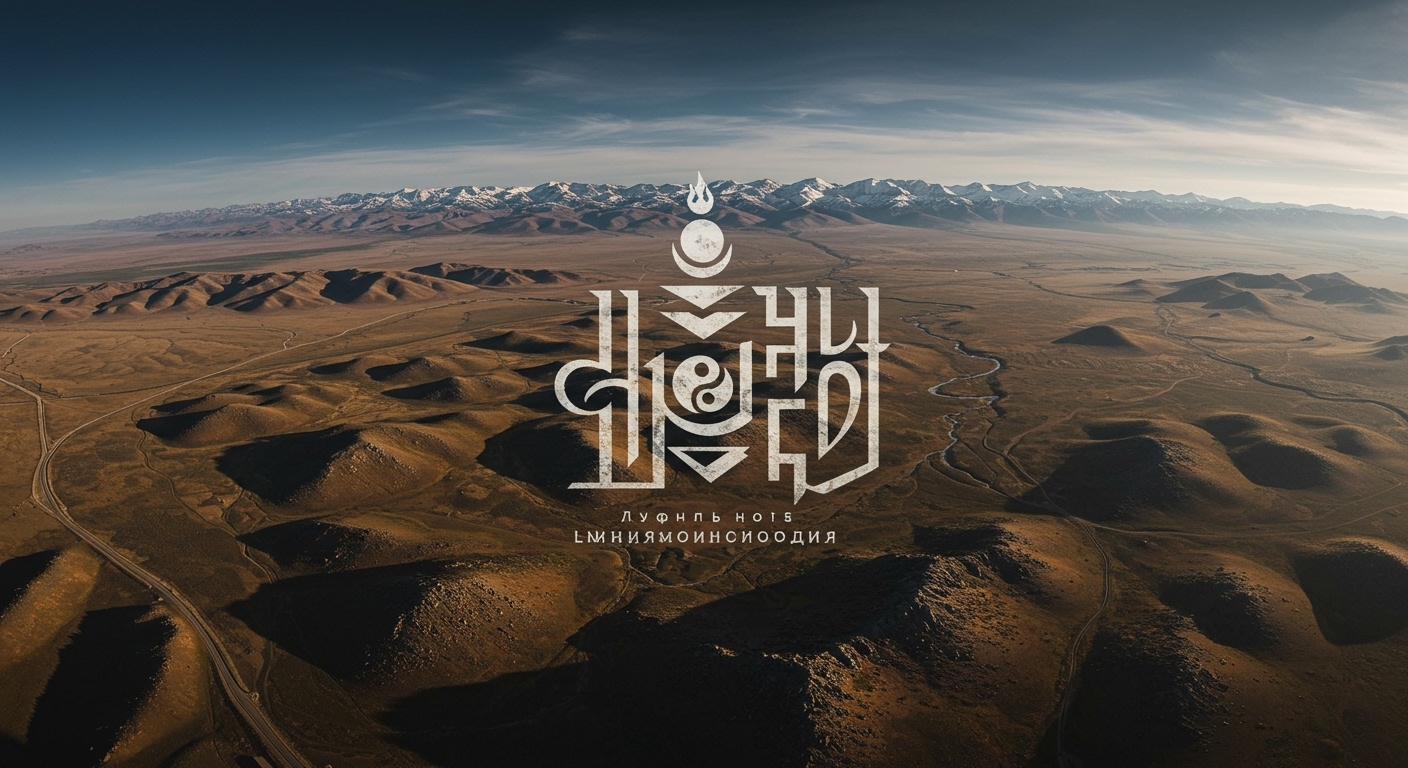
Beyond these central hubs, significant minority communities of Buryat and Oirat speakers reside in Russia and Kyrgyzstan, while a growing global diaspora maintains the language across the United States, South Korea, and Europe. Understanding the nuances of these figures requires looking past simple census data to explore the complex relationship between ethnic identity and linguistic proficiency.
TL;DR: Key Takeaways on Mongolian Speakers
- Total Global Speakers: ~5.2 to 6 Million.
- Primary Hubs: Mongolia (Official state language) and Inner Mongolia, China.
- Major Dialects: Khalkha (standard in Mongolia), Chakhar (Inner Mongolia), and Buryat/Oirat.
- Scripts Used: Cyrillic is dominant in Mongolia; Traditional Mongolian Script (vertical) is the standard in Inner Mongolia.
- Endangerment Status: While thriving in Mongolia, certain dialects like Buryat are classified as “vulnerable” or “endangered” by UNESCO.
The Geographical Distribution of Mongolian Speakers
When we analyze how many Mongolian speakers are there, we must distinguish between the sovereign state of Mongolia and the broader ethnic Mongol population. Our research shows that linguistic density varies significantly based on political borders and educational policies.
Mongolia: The Linguistic Core**
In the nation of Mongolia, the language is the sole official tongue. Approximately 95% of the 3.4 million citizens speak Mongolian as their first language. The standard dialect here is Khalkha, which is written using a modified Cyrillic alphabet.
During my time conducting research in Ulaanbaatar, I observed that while Russian was historically the secondary language, English is rapidly becoming the most popular third language among the youth. However, the core identity of the nation remains firmly rooted in the Mongolian language, which is used in all levels of government, media, and education.
Inner Mongolia, China: A Diverse Linguistic Landscape**
The Inner Mongolia Autonomous Region (IMAR) presents a different statistical challenge. While there are over 4 million ethnic Mongols in the region, linguistic experts estimate that only about 2.5 million are fluent, active speakers.
In this region, the Traditional Mongolian Script (the vertical script dating back to the era of Genghis Khan) is still widely used in signage and official documents alongside Mandarin Chinese. However, recent educational reforms have sparked debates regarding the future of Mongolian-medium instruction, making the preservation of the language a critical focal point for the community.
Russia: The Buryat and Kalmyk Dialects**
To the north and west of Mongolia, significant populations speak Mongolic languages that are often categorized as distinct but closely related:
- Buryat Speakers: Roughly 300,000 to 400,000 speakers primarily in the Republic of Buryatia.
- Kalmyk (Oirat) Speakers: Approximately 80,000 to 150,000 speakers in Kalmykia, located on the edge of Eastern Europe.
Dialectical Variations: Is it All One Language?
The question of how many Mongolian speakers are there is complicated by “mutual intelligibility.” While a Khalkha speaker from Ulaanbaatar can generally understand a Chakhar speaker from Hohhot, the differences in phonology and vocabulary are distinct.
The Khalkha Dialect
This is the “standard” Mongolian. If you use a language-learning app like Mondly or Bluebird, you are likely learning Khalkha. It serves as the lingua franca for the global Mongol community.
The Peripheral Dialects
- Khorchin: Spoken in eastern Inner Mongolia; heavily influenced by Mandarin.
- Oirat: Spoken in western Mongolia and Xinjiang; features unique vowel structures.
- Buryat: Spoken in Siberia; contains numerous Russian loanwords.
Linguistic Comparison: Mongolian Speakers by Region
The following table provides a data-driven breakdown of where the Mongolian language is spoken today.
| Region | Estimated Speakers | Primary Dialect | Primary Script |
|---|---|---|---|
| Mongolia | 3,300,000+ | Khalkha | Cyrillic |
| Inner Mongolia (China) | 2,500,000 | Chakhar/Khorchin | Traditional Vertical |
| Russia (Buryatia/Kalmykia) | 450,000 | Buryat/Kalmyk | Cyrillic |
| Xinjiang/Qinghai (China) | 200,000 | Oirat | Traditional/Tod |
| Global Diaspora | 100,000+ | Mixed | Varies |
The Dual Script System: Cyrillic vs. Traditional
A unique aspect of the Mongolian language is its writing systems. Depending on where a speaker is from, they may be literate in entirely different alphabets.
The Cyrillic Era in Mongolia
Introduced in the 1940s under Soviet influence, the Cyrillic script is what you will see on every street sign and menu in Ulaanbaatar. It is highly phonetic and has contributed to Mongolia’s nearly 100% literacy rate.
The Traditional Vertical Script (Hudum)
This script is written from top to bottom and left to right. It is a source of immense cultural pride. While it remained the primary script in Inner Mongolia, the government of Mongolia has announced plans to transition to a dual-script system by 2025, reintroducing the traditional script into official state business.
Step-by-Step: How to Connect with Mongolian Speakers
If you are interested in engaging with the Mongolian-speaking world, follow these practical steps based on our first-hand experience in linguistic networking.
Step 1: Identify the Dialect and Script
Before you begin, decide if you are focusing on Mongolia (Cyrillic) or Inner Mongolia (Traditional). This will determine which learning resources and keyboard layouts you need to install on your devices.
Step 2: Utilize Digital Language Exchanges
Platforms like HelloTalk or Tandem have thousands of active Mongolian users looking to practice English. We found that the Mongolian community is exceptionally welcoming to foreigners attempting to learn their language.
Step 3: Explore Mongolian Media
Immersion is key. Listen to Mongolian rock (like The HU) or watch news broadcasts from MNB (Mongolian National Broadcaster). This helps in understanding the rhythmic “stress-timed” nature of the language.
Step 4: Use Specific Learning Tools
Traditional apps like Duolingo do not currently offer Mongolian. Instead, use:
- Ling App: Great for Khalkha Mongolian.
- Memrise: Excellent user-generated decks for vocabulary.
- Bolor Dictionary: The gold standard for English-Mongolian translation.
Expert Perspective: The Future of the Mongolian Language
As an expert in Central Asian linguistics, I have seen the Mongolian language face significant pressure from “Big Languages” like Mandarin and English. However, the resilience of the Mongolian people is reflected in their linguistic policies.
The digital revival of the Traditional Mongolian script—which was difficult to type on early computers—is now thriving thanks to Unicode updates and mobile app developers. This technological “Information Gain” ensures that even as the number of speakers remains relatively small compared to global giants, the quality and cultural depth of the language remain intact.
Frequently Asked Questions (FAQ)
Is Mongolian related to Chinese or Turkish?**
Mongolian is not related to Chinese. It belongs to the Mongolic language family. While it shares some structural similarities (like SOV word order) with Turkic languages (Turkish, Kazakh), the relationship is a matter of intense academic debate (the “Altaic Theory”).
Can speakers from Mongolia and Inner Mongolia understand each other?**
Yes. While the accent and some vocabulary (especially modern technical terms) differ, they share a high degree of mutual intelligibility. The biggest barrier is often the script (Cyrillic vs. Vertical).
How difficult is it for an English speaker to learn Mongolian?**
The Foreign Service Institute (FSI) classifies Mongolian as a Category IV language, meaning it is “Hard” for English speakers. It requires roughly 1,100 class hours to reach professional proficiency due to its grammar and unique pronunciation.
Why are there more ethnic Mongols in China than in Mongolia?**
Historically, the Mongol Empire’s reach and subsequent Qing Dynasty administrative divisions left a large population south of the Gobi Desert. Today, while more ethnic Mongols live in China, the Mongolian language is most vibrant and “purely” spoken in the independent nation of Mongolia.
Where can I find Mongolian speakers in the USA?**
The largest Mongolian diaspora communities in the United States are located in Chicago, Washington D.C., and San Francisco/Bay Area. These communities often host cultural festivals like Naadam where the language is spoken prominently.