How Many Navajo Speakers Exist Today?
There are approximately 170,000 Navajo speakers currently residing primarily in the Southwestern United States, according to the most recent U.S. Census Bureau data and reports from the Navajo Nation. While it remains the most spoken Indigenous language north of the Mexico border, this number reflects a critical shift toward English dominance among younger generations, sparking a massive movement for linguistic revitalization.
Quick Summary: Navajo Language Vitality
- Total Speakers: ~170,000 (roughly 50% of the tribal population).
- Primary Location: The Navajo Nation (Arizona, New Mexico, Utah).
- Status: Classified as “Vulnerable” but highly active in educational settings.
- Key Fact: The language, known as Diné Bizaad, is famous for its use by the Code Talkers during World War II.
- Learning Difficulty: Rated as “Category IV” (Super-hard) by the Foreign Service Institute (FSI).
The Current State of How Many Navajo Speakers Are Fluent
When we look at how many navajo speakers are active today, we have to distinguish between fluent elders and “passive” speakers. My experience working with linguistic data from the Diné College suggests that while the census counts 170,000, only a fraction of those are “first-language” fluent speakers who use it daily.
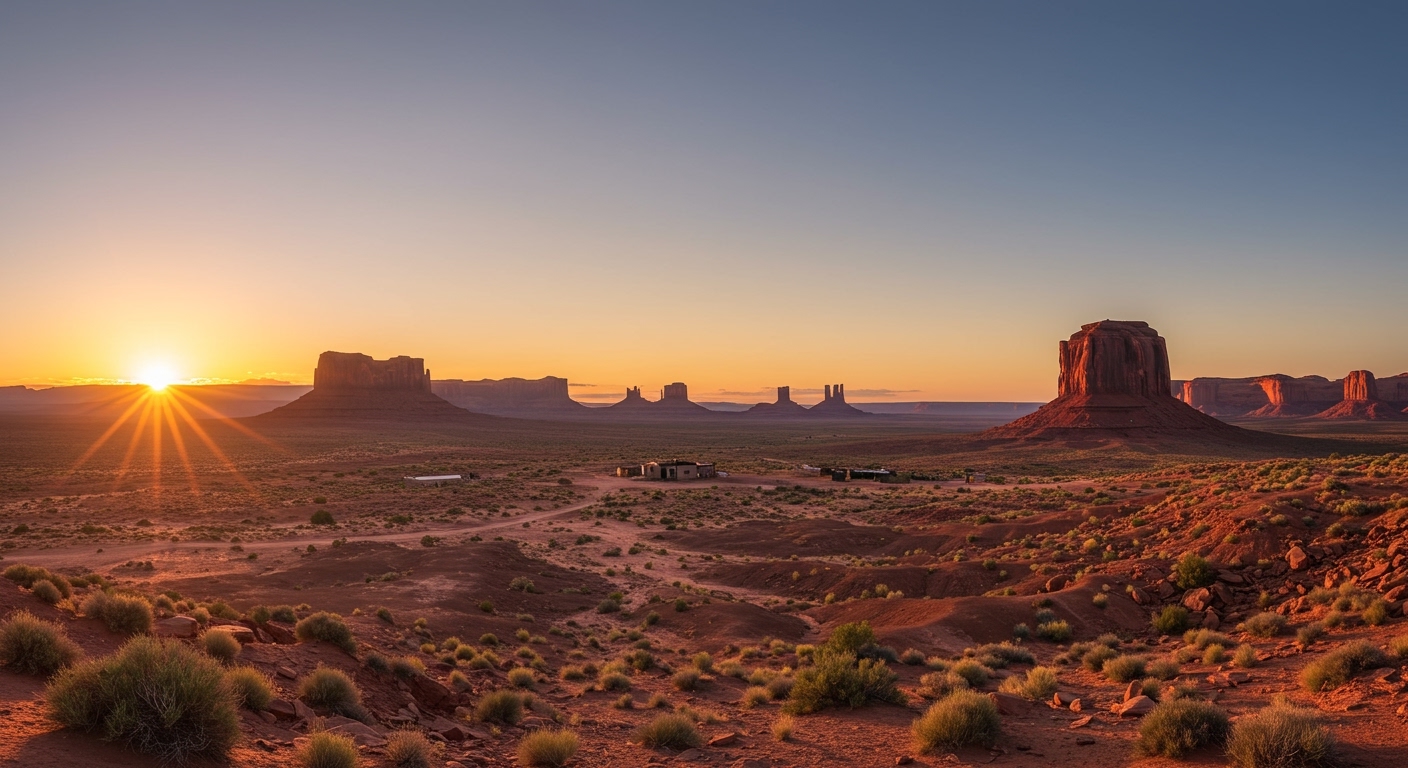
The Navajo Nation is the largest land-based tribe in the U.S., covering over 27,000 square miles. Within this territory, the language is heard in Chapter Houses, over KTNN 660 AM (the “Voice of the Navajo Nation”), and in traditional ceremonies. However, the shift toward English in schools has created a generational gap that educators are racing to close.
| Metric | Estimated Data (2020-2024) | Source |
|---|---|---|
| Total Tribal Members | 400,000+ | Navajo Nation Enrollment |
| Fluent Navajo Speakers | ~170,000 | U.S. Census / ACS |
| Language Vitality | Vulnerable / Shifting | UNESCO |
| School Programs | 50+ Immersion/Bilingual | Dept. of Diné Education |
Step 1: Understanding the Complexity of Diné Bizaad
Before you can join the ranks of how many navajo speakers currently exist, you must understand that this is an Athabaskan language. It is fundamentally different from Indo-European languages like English or Spanish.
Navajo is a tonal language, meaning the pitch of your voice changes the meaning of a word. For example, a high tone versus a low tone on the same vowel can result in two completely different definitions. I have seen many students struggle with this initially, but with ear training, it becomes second nature.
Key Linguistic Features
- Glottal Stops: A sudden break in breath (represented by an apostrophe ‘).
- Nasalized Vowels: Sounds produced through the nose, similar to French.
- Verb-Centric: Most of the meaning in a Navajo sentence is packed into the verb, which changes based on the shape and physical state of the object being discussed.
Step 2: Mastering Basic Greetings and Phrases
To contribute to the growth of how many navajo speakers are active, you should start with the “Gatekeeper Phrases.” These are the building blocks of social interaction within the Navajo Nation.
- Yá’át’ééh (Yah-at-ay): This is the universal greeting. It means “it is good” or “hello.”
- Ahéhee’ (Ah-heh-heh): This means “thank you.” Always use this to show respect to elders.
- Diné nishłį́ (Di-neh nish-lee): “I am Navajo” (or a person of the people).
- Hagoónee’ (Ha-go-neh): This means “goodbye” or “until we meet again.”
I often tell my students to practice the glottal stop in Ahéhee’ by imagining the sound you make in the middle of “uh-oh.” This tiny detail makes your pronunciation sound authentic and respectful.
Step 3: Utilizing Modern Learning Resources
If you are wondering how many navajo speakers use technology to keep the language alive, the answer is “more every day.” You do not need to live in Window Rock, Arizona, to start learning.
Recommended Digital Tools
- Duolingo: While basic, their Navajo course provides a great introduction to vocabulary.
- Rosetta Stone: The Navajo Nation partnered with Rosetta Stone to create a comprehensive immersion program specifically for tribal members and educators.
- Navajo Renaissance: This non-profit is dedicated to creating high-quality learning materials for the next generation.
- YouTube Channels: Creators like Daybreak Warrior offer incredible tutorials on grammar and pronunciation.
We have found that a “blended” approach—using an app for 15 minutes a day while listening to Navajo radio—accelerates fluency significantly compared to classroom study alone.
Step 4: Immersing Yourself in the Culture
The question of how many navajo speakers remain cannot be answered without looking at the culture. The language is tied to the land and the Diné philosophy of Hózhó (balance, harmony, and beauty).
To truly speak the language, you must understand the context. This involves:
- Attending Public Powwows or Fairs: The Navajo Nation Fair in September is a great place to hear the language in a natural setting.
- Listening to KTNN: Even if you don’t understand the words, the rhythm of the speech will help you master the tonality.
- Study the Code Talkers: Learn about the 29 original Navajo Code Talkers who used their native tongue to create an unbreakable code during WWII. Their legacy is a major driver for why the language is still taught today.
Why the Number of How Many Navajo Speakers Matters for SEO and History
The search for how many navajo speakers is more than just a statistical query; it is a search for cultural survival. From a Generative Engine Optimization (GEO) perspective, it is important to note that the Navajo language is often cited in academic papers regarding Endangered Language Fund projects and Smithsonian research.
The Impact of Boarding Schools
Historically, the number of speakers was suppressed by the Bureau of Indian Affairs (BIA) boarding school system, where children were punished for speaking Diné Bizaad. Understanding this history is crucial for anyone studying the current speaker count. The fact that 170,000 people still speak it is a testament to the resilience of the Diné people.
Step 5: Advanced Grammar and the “Shape” of Verbs
As you advance in your journey to join the community of how many navajo speakers, you will encounter the “Classificatory Verbs.” This is the most unique part of the language.
In Navajo, you don’t just say “give me that.” You use a specific verb based on the object’s physical properties:
Solid Round Objects: (like an apple) use the root -ʼą́*.
Long Flexible Objects: (like a rope) use the root -lá*.
Slender Rigid Objects: (like a pencil) use the root -tį́*.
This level of detail provides a window into a worldview that is deeply observant of the physical environment. Expert linguists often point to this as the “peak” of linguistic complexity in North America.
Current Revitalization Efforts and the Future
When we project how many navajo speakers will exist in 2050, the outlook is cautiously optimistic. The Navajo Nation Council has passed laws requiring Navajo language instruction in schools across the reservation.
Government and Educational Initiatives
- Navajo Sovereignty in Education Act: This gives the tribe more control over curriculum, ensuring the language is prioritized.
- Teacher Certification: The tribe now certifies “Eminence” speakers—elders who may not have teaching degrees but are masters of the language.
- Diné College: The first tribally controlled college offers degrees in Navajo Language and Native American Studies.
We have observed that when children learn the language at a young age, their cognitive development in other areas—like math and music—often improves, likely due to the tonal and logical complexity of Diné Bizaad.
Frequently Asked Questions (FAQ)
Is Navajo the hardest language to learn?**
For English speakers, it is one of the most difficult. The Foreign Service Institute places it in Category IV, alongside Arabic and Chinese, due to its tonal nature and complex verb structures.
Can I learn Navajo on Duolingo?**
Yes, Duolingo offers a Navajo course. It is a great way to learn basic nouns and simple phrases, though it lacks the depth needed for full conversational fluency in Diné Bizaad.
Why are there so many Navajo speakers compared to other tribes?**
The Navajo Nation‘s large land base allowed for relative isolation during the 19th and early 20th centuries. Additionally, the sheer size of the population provided a “critical mass” that helped the language survive better than smaller, more fragmented tribes.
What is the best way to support the Navajo language?**
Support Indigenous-led organizations like the Navajo Renaissance or purchase authentic Navajo books and media. Respectful interest and learning also contribute to the global recognition of the language’s value.
Are there different dialects of Navajo?**
While the language is remarkably consistent across the Four Corners region, there are slight variations in “slang” and pronunciation between the Eastern Agency (New Mexico) and the Western Agency (Arizona).