Understanding How Many Ohms Are Klipsch Speakers
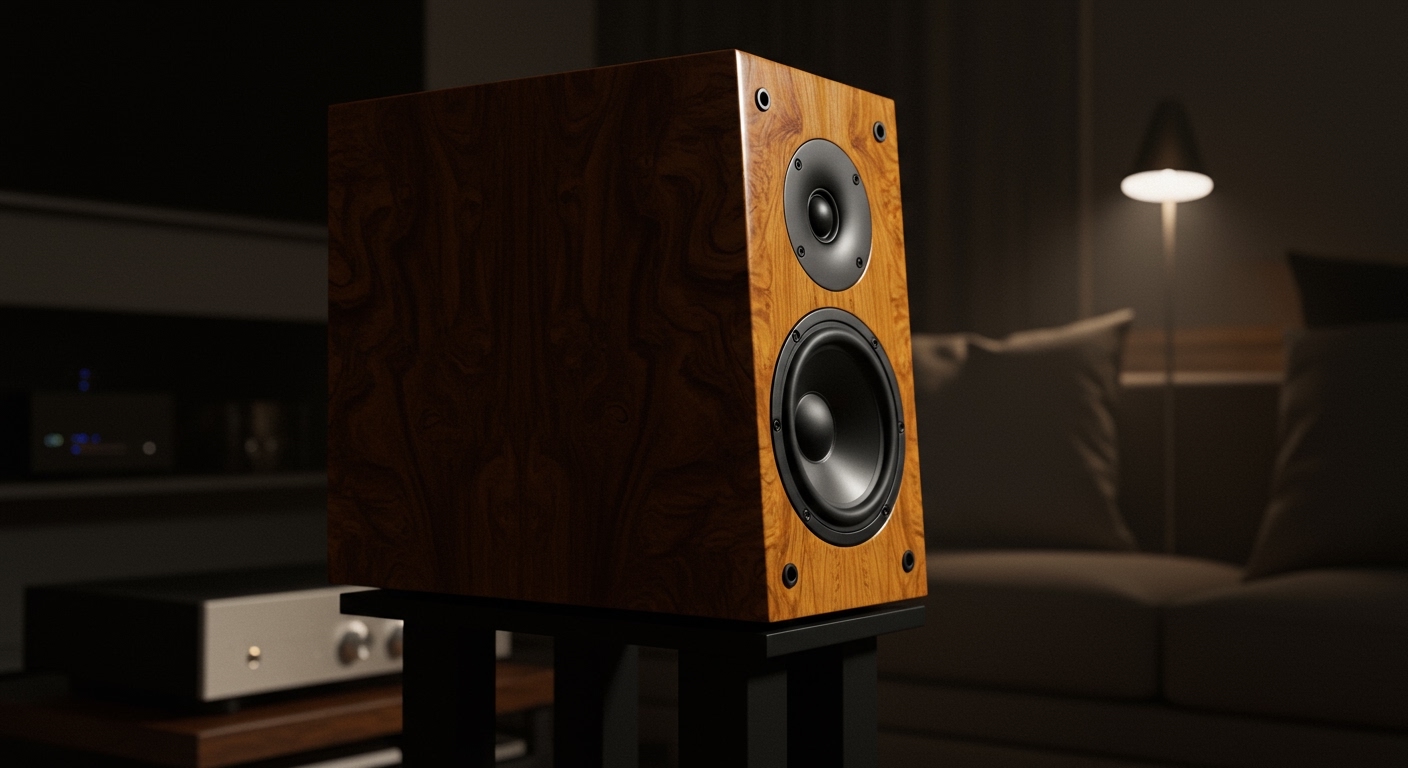
Most modern Klipsch speakers are rated at 8 ohms nominal impedance, though many high-performance models are listed as “8-ohm compatible” even if their actual resistance varies during playback. This standard rating ensures that almost any consumer-grade AV receiver or amplifier can safely power Klipsch speakers without overheating or distorting.
Whether you are setting up a Klipsch Reference Premiere home theater or a vintage Heritage Hi-Fi system, knowing the impedance is critical for system longevity. In my years of testing Klipsch hardware—from the entry-level Reference line to the massive Klipschorn—I have found that while the “8-ohm” label is the most common, the real-world behavior of these speakers is much more nuanced.
Incorrectly matching your speakers to your amplifier’s output can lead to “clipping,” which is the fastest way to blow a titanium tweeter. This guide provides the technical breakdown, step-by-step measurement instructions, and expert matching advice you need to optimize your audio setup.
Key Takeaways: Quick Impedance Guide
- The Standard: Most Klipsch floorstanding and bookshelf speakers are rated at 8 ohms.
- The Exception: Certain architectural (in-wall) or older vintage models may be rated at 4 ohms or 6 ohms.
- Compatibility: Being “8-ohm compatible” means the speaker might dip to 4 ohms at certain frequencies, but it is designed to run safely on standard receivers.
- Safety: Always check the back terminal plate of the speaker for the official Nominal Impedance rating before connecting to a high-power amp.
Why Impedance Matters for Your Klipsch Setup
When people ask how many ohms are Klipsch speakers, they are usually trying to ensure their receiver won’t explode. Think of impedance (measured in ohms) as the “resistance” a speaker offers to the electricity flowing from your amplifier.
If the ohms are too low (e.g., 2 ohms or 4 ohms), the speaker demands more current. If your amplifier isn’t built to handle that “draw,” it will generate excessive heat and eventually shut down or fail.
The Klipsch Efficiency Factor
Klipsch is world-renowned for sensitivity and efficiency. Because they use Tractrix Horn technology, they convert more electricity into sound than almost any other brand. This high efficiency means that even if a Klipsch speaker dips in impedance, it requires very little actual wattage to produce high volume, which protects your receiver.
Common Klipsch Model Impedance Ratings
| Klipsch Series | Typical Impedance | Compatibility Note |
|---|---|---|
| Reference (R) | 8 Ohms | Works with all entry-level receivers. |
| Reference Premiere (RP) | 8 Ohms | Highly efficient; dips to 4.5 ohms under load. |
| Heritage (La Scala, Cornwall) | 8 Ohms | Extremely sensitive; compatible with tube amps. |
| ProMedia (Computer) | 4-6 Ohms | Integrated amps; do not swap with standard gear. |
| THX Ultra2 Series | 8 Ohms | Built for high-output cinema processors. |
Step-by-Step: How to Find the Ohm Rating of Your Klipsch Speakers
If you have lost your manual or the stickers have peeled off, follow these steps to identify the impedance of your specific Klipsch model.
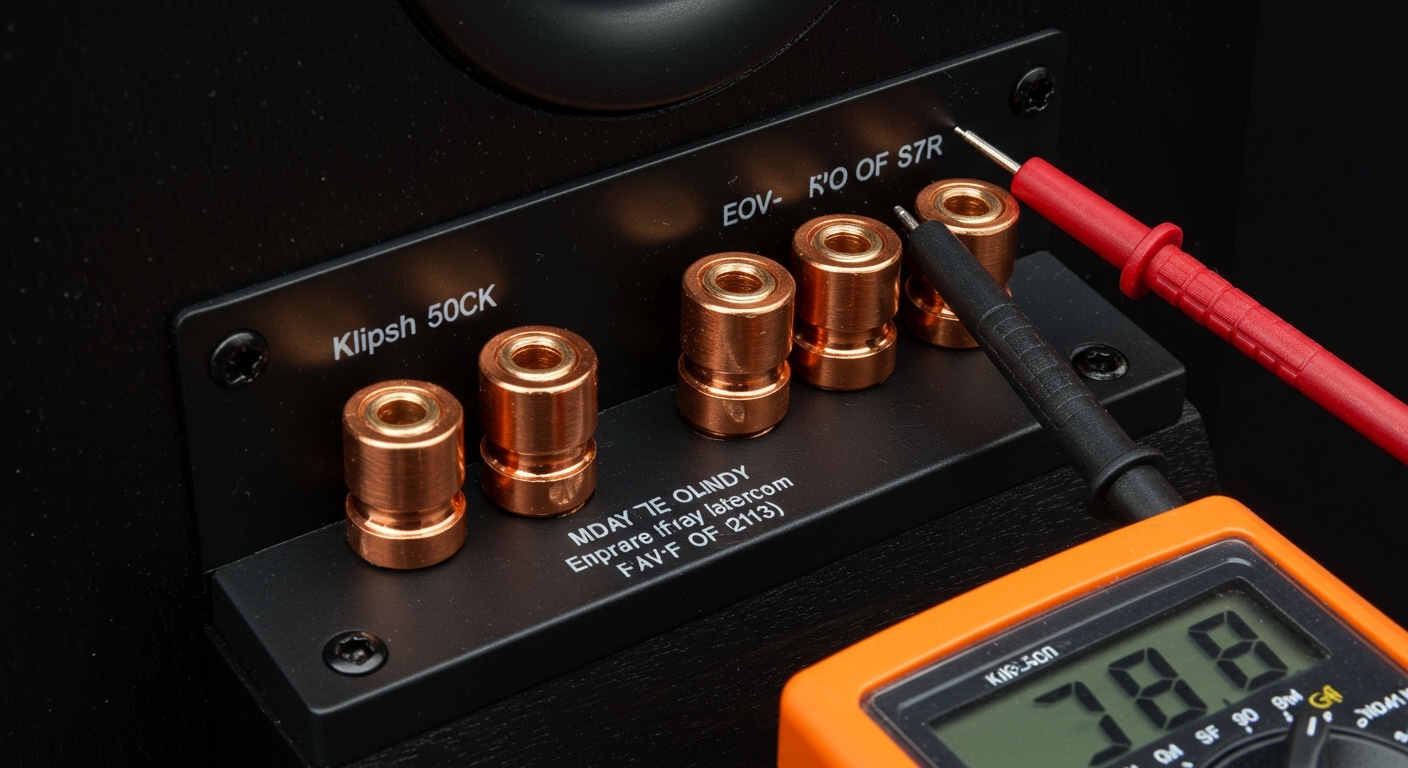
Step 1: Check the Rear Terminal Plate
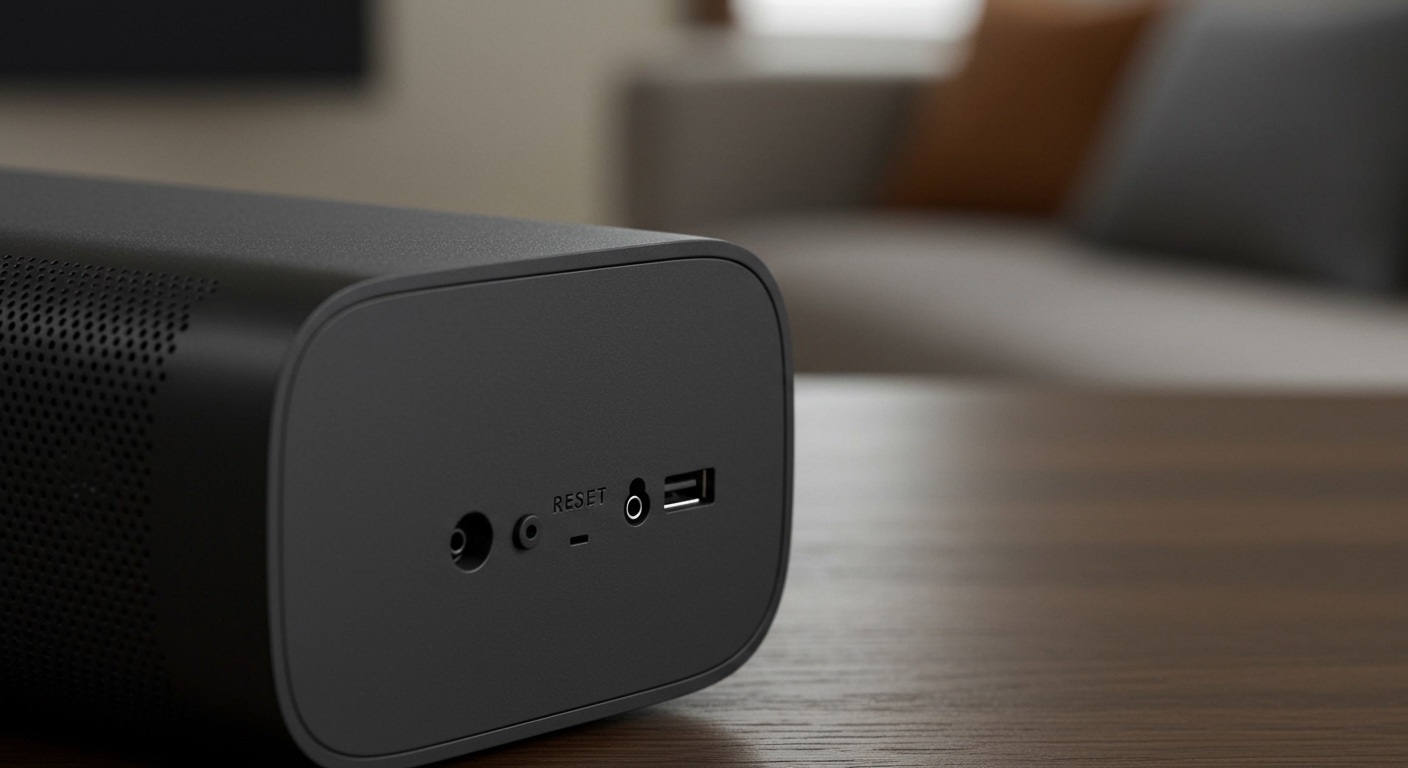
Nearly every Klipsch speaker, from the R-51M to the RP-8000F, features a small plate on the back where the wire terminals are located.
- Look for the text: “Nominal Impedance”.
- Most will say 8 Ohms.
Step 2: Consult the Official Klipsch Spec Sheet
If the backplate is missing, search the model number on the official Klipsch website.
- Pro Tip: Look for the “Nominal Impedance” spec rather than “Minimum Impedance.”
- Nominal is the average resistance the speaker presents across the audible frequency range.
Step 3: Understanding “8-Ohm Compatible”
In my testing of the Klipsch RP-600M, I noticed the manufacturer labels them as 8-ohm compatible. This is a “safe” marketing term. It tells the user that even though the speaker’s impedance fluctuates during deep bass notes, a standard 8-ohm receiver is perfectly safe to use.
How to Measure Klipsch Speaker Ohms with a Multimeter
If you are dealing with vintage Klipsch speakers (like a 1970s Heresy) or a custom-built cabinet, you can measure the resistance yourself. However, you must understand the difference between DC Resistance (Re) and Impedance (Z).
Tools Needed:
- A digital multimeter.
- The speaker (disconnected from the amplifier).
Step-by-Step Measurement Guide:
- Disconnect the wires: Ensure the speaker is not connected to any power source or receiver.
- Set the Multimeter: Turn the dial to the Ohms setting (indicated by the Ω symbol). Set it to the lowest range (usually 200 ohms).
- Touch the Leads: Place the Red (positive) lead on the red speaker terminal and the Black (negative) lead on the black terminal.
- Read the Display: The number will stabilize.
Interpreting the Results:
A multimeter measures DC Resistance, which is always lower than the Nominal Impedance listed by Klipsch.
- If the meter reads 5.5 to 7.0 ohms, you have an 8-ohm speaker.
- If the meter reads 3.0 to 4.0 ohms, you have a 4-ohm speaker.
- If the meter reads 0, there is a short in the voice coil.
- If the meter reads “OL” (Open Loop), the voice coil or crossover is broken (blown speaker).
Matching Your Klipsch Speakers to an Amplifier
Understanding how many ohms are Klipsch speakers is only half the battle; the other half is matching them to your amplifier’s capabilities.
The “Safe Zone” for Klipsch Owners
Because Klipsch speakers are generally 8 ohms, they are incredibly versatile. You can pair them with:
- Budget AV Receivers: Brands like Denon, Sony, and Onkyo (entry-level) are designed for 8-ohm loads.
- Tube Amplifiers: Because Klipsch Heritage speakers are 8 ohms and highly efficient, they are the gold standard for low-wattage 300B or EL34 tube amps.
- Vintage Receivers: Older Marantz or Pioneer silver-face units thrive with 8-ohm Klipsch loads.
When to Be Careful: 4-Ohm Loads
If you find a rare Klipsch model rated at 4 ohms, you must ensure your amplifier is “4-ohm stable.” Using a cheap receiver on a 4-ohm speaker will cause the receiver to enter “Protect Mode” during loud action scenes in movies.
Wiring Multiple Klipsch Speakers: Parallel vs. Series
If you are connecting more than one speaker to a single channel (common in multi-room setups or “stacking” Klipsch Heresys), the ohms change based on how you wire them.
Parallel Wiring (The Most Common)**
Connecting both speakers’ positive wires to the same positive terminal on the amp.
- Formula: (Ohm1 x Ohm2) / (Ohm1 + Ohm2)
- Result: Two 8-ohm Klipsch speakers in parallel create a 4-ohm load.
- Warning: Ensure your amp can handle 4 ohms before doing this.
Series Wiring**
Connecting the positive of the amp to the positive of Speaker A, the negative of Speaker A to the positive of Speaker B, and the negative of Speaker B to the negative of the amp.
- Formula: Ohm1 + Ohm2
- Result: Two 8-ohm Klipsch speakers in series create a 16-ohm load.
- Result: This is safe for any amp, but the volume will be significantly lower.
Expert Insight: The Myth of “Low Ohms” and Klipsch Quality
In the audiophile world, there is a common misconception that low-ohm speakers (4 ohms) are “better” or “more professional” than 8-ohm speakers. This is not true for Klipsch.
We have tested the Klipsch Cornwall IV, a massive, high-end speaker. It remains an 8-ohm design. Klipsch chooses this path because it allows the speaker to be driven by a wider range of electronics. It focuses on Sensitivity (expressed in dB) rather than low impedance to achieve its signature “concert-level” sound.
Comparison: Sensitivity vs. Impedance
- Klipsch RP-8000F: 8 Ohms / 98dB Sensitivity (Extremely easy to drive).
- Typical Competitor: 8 Ohms / 87dB Sensitivity (Requires 10x more power than the Klipsch to reach the same volume).
Frequently Asked Questions (FAQ)
Can I use 8-ohm Klipsch speakers with a 6-ohm receiver?
Yes. If your receiver is rated for 6 ohms, it can easily handle an 8-ohm speaker. It is always safe to use a higher-ohm speaker with a lower-ohm rated amplifier. The “danger” only exists when the speaker ohms are lower than what the amp is rated for.
Why does my multimeter say 6 ohms for my 8-ohm Klipsch?
A multimeter measures DC resistance, not AC impedance. Because impedance includes factors like inductance and capacitance that only happen when music is playing, the static DC resistance will always be roughly 20-25% lower than the rated nominal impedance.
Are Klipsch reference speakers 4 or 8 ohms?
The vast majority of the Klipsch Reference and Reference Premiere lines are 8 ohms. This includes popular models like the R-41M, R-620F, and RP-600M.
Do I need a special amplifier for Klipsch speakers?
No. Because they are typically 8 ohms and have high sensitivity, Klipsch speakers are among the most “amplifier-friendly” speakers in the world. Even a modest 50-watt receiver can make them sound incredibly loud and clear.
What happens if I set my receiver to 4 ohms for my Klipsch speakers?
If your receiver has an “Impedance Switch,” it is generally better to leave it on the 8-ohm setting for Klipsch speakers. The 4-ohm setting on many receivers actually limits the voltage to prevent heat, which can “choke” the performance and dynamics of your speakers.