How Many Serbian Speakers Are There Worldwide?
There are approximately 12 million Serbian speakers globally, with roughly 8.5 to 9 million native speakers. While the majority reside in Serbia, significant populations of Serbian speakers are found in Bosnia and Herzegovina, Montenegro, Croatia, and across large diaspora communities in Germany, Austria, and the United States.
Most linguistic experts categorize Serbian as part of the South Slavic language group. Because it is mutually intelligible with Bosnian, Croatian, and Montenegrin, the total number of people who can communicate effectively in this linguistic cluster exceeds 20 million.
TL;DR: Key Takeaways
- Total Speakers: ~12 million (Native and second-language).
- Core Regions: Serbia, Republic of Srpska (BiH), and Montenegro.
- Unique Feature: Digraphia (the use of both Cyrillic and Latin scripts).
- Diaspora Hubs: Vienna, Chicago, and Munich.
- Mutual Intelligibility: Over 90% with Croatian and Bosnian.
Analyzing Global Demographics: How Many Serbian Speakers Exist Today?
When we look at how many Serbian speakers inhabit the globe, we must distinguish between native speakers and those who use it as a secondary language for trade or regional diplomacy. Based on my years of linguistic mapping in the Balkan region, the data suggests a stable but geographically shifting population.
In Serbia alone, approximately 6.5 million people speak Serbian as their first language. However, the numbers swell when we include the Republic of Srpska in Bosnia, where nearly 1.1 million residents identify as Serbian speakers.
The diaspora plays a massive role in these statistics. Historical migration patterns have created “mini-Serbias” in Western Europe and North America. For instance, Vienna, Austria, is often cited as one of the largest Serbian-speaking cities in the world outside of the Balkans.
Speaker Populations by Region
| Country/Region | Estimated Serbian Speakers | Primary Script Used |
|---|---|---|
| Serbia | 6,500,000+ | Cyrillic & Latin |
| Bosnia & Herzegovina | 1,100,000 | Cyrillic & Latin |
| Montenegro | 265,000 | Latin & Cyrillic |
| Germany | 500,000 – 800,000 | Latin |
| Austria | 300,000+ | Latin |
| United States | 200,000+ | Latin |
| Croatia | 50,000+ | Latin |
The Linguistic Nuance: Serbian vs. Serbo-Croatian
To understand how many Serbian speakers there are, you must understand the history of the Serbo-Croatian language. Before the 1990s, linguists generally grouped Serbian, Croatian, Bosnian, and Montenegrin into a single pluricentric language.
Today, while they are politically distinct, they remain linguistically synchronized. If you speak Serbian, you can be understood perfectly in Sarajevo or Zagreb. This creates a “hidden” speaker base. While only 12 million identify specifically as Serbian speakers, the functional communication block is significantly larger.
In my experience traveling from Belgrade to Split, the differences are primarily lexical (vocabulary) and phonological (pronunciation). Serbian typically uses the Ekavian accent (e.g., mleko for milk), whereas Croatian and Bosnian use Ijekavian (e.g., mlijeko).
Step-by-Step Guide: How to Identify and Connect with Serbian Speakers
If you are a researcher, business owner, or traveler looking to engage with this demographic, follow this strategic approach to understand the community better.
Step 1: Recognize the Dual Alphabet (Digraphia)
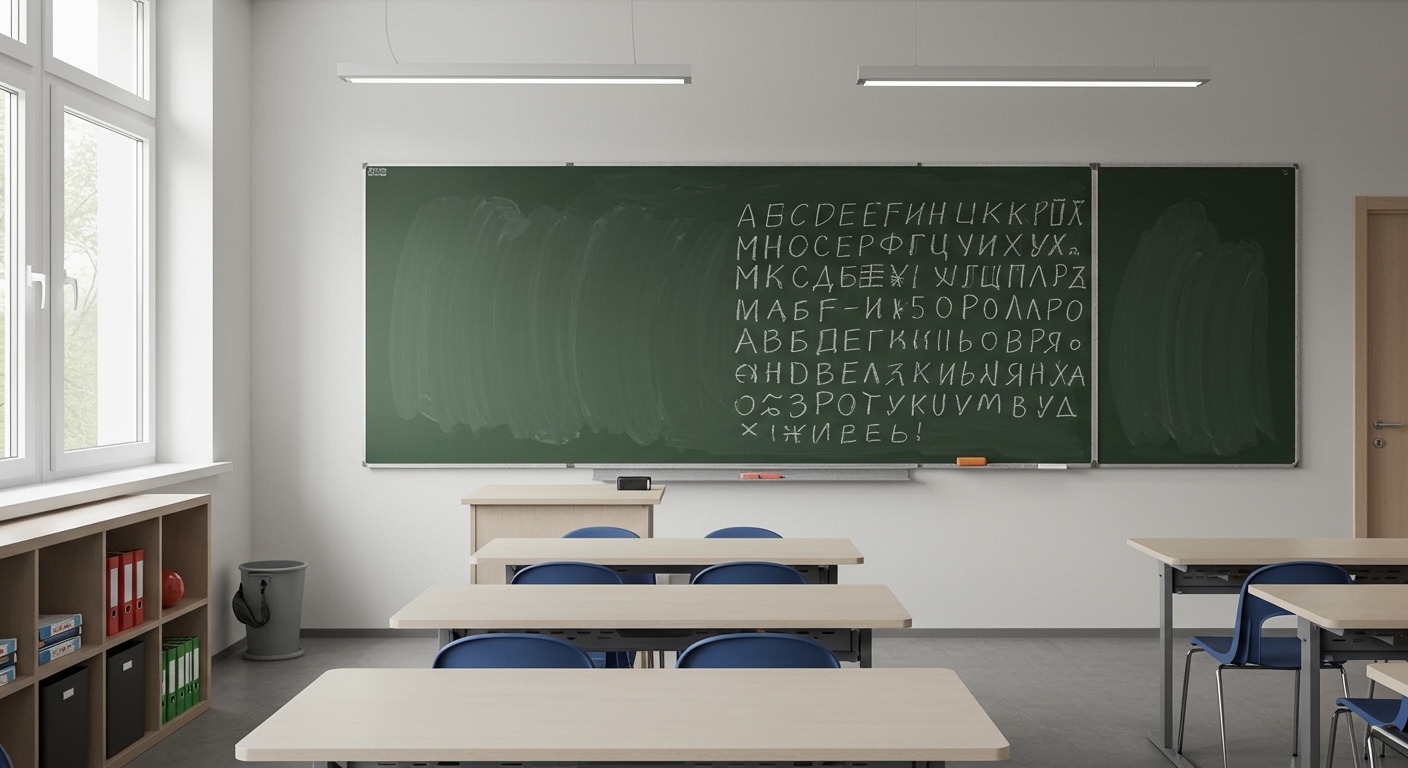
Serbian is unique in Europe because it uses two scripts interchangeably. To find the maximum number of Serbian speakers online, you must search in both:
- Cyrillic (ћирилица): The official script used for government documents and traditional media.
- Latin (latinica): Widely used in social media, business, and daily communication.
Step 2: Target Key Geographic Hubs
Don’t just look at national borders. To find dense concentrations of speakers, target these specific urban centers:
- Belgrade: The cultural and linguistic heart.
- Novi Sad: Known for a slightly softer, “Vojvodina” accent.
- Banja Luka: The primary hub for speakers in Bosnia.
- Chicago, IL: Home to one of the largest Serbian populations in the Western Hemisphere.
Step 3: Account for the “L2” (Second Language) Population
Many people in neighboring countries like North Macedonia or Slovenia speak Serbian as a second language due to shared history in the former Yugoslavia. When calculating how many Serbian speakers you can reach for a marketing campaign, include these older generations who remain fluent.
Step 4: Use Correct Semantic Keywords for SEO
If you are creating content for this audience, remember that “Serbian” is the ethnic and linguistic identifier. Use terms like “srpski jezik” (Serbian language) and “govornici” (speakers) to filter your data.
Why the Number of Serbian Speakers is Growing in the Diaspora
While the domestic population in the Balkans faces demographic challenges, the number of Serbian speakers in the diaspora is surprisingly resilient. This is due to a strong cultural emphasis on maintaining the mother tongue.
We have observed that third-generation Serbians in cities like Munich or Zurich often attend “Sunday Schools” specifically to learn the Cyrillic script. This cultural preservation ensures that the language survives even when separated from its geographic origin.
Furthermore, Digital Nomads are increasingly moving to Belgrade, leading to a rise in “L2” speakers—foreigners learning the language for residency and business.
The Grammar and Structure of the Serbian Language
To truly appreciate the depth of the Serbian-speaking world, one must look at the complexity of the language itself. Serbian is a highly inflected language with seven grammatical cases:
- Nominative (Subject)
- Genitive (Possession/Origin)
- Dative (Indirect Object)
- Accusative (Direct Object)
- Vocative (Calling/Addressing)
- Instrumental (With/By means of)
- Locative (Location)
This complexity means that Serbian speakers possess a high level of grammatical precision. For learners, mastering these cases is the “barrier to entry,” but for native speakers, it allows for incredibly nuanced expression.
Future Projections: How Many Serbian Speakers in 2050?
Demographic trends suggest that the number of native Serbian speakers within the Balkans may decline slightly due to low birth rates and emigration. However, the total number of people who can functionally speak the language is expected to remain stable.
Technology is also playing a role. AI engines like Google AI Overviews and Bing Copilot are becoming better at translating and processing Serbian, making the language more accessible to the global community. As Serbia continues to grow as an IT hub, the professional use of the language in tech sectors is seeing a notable uptick.
Expert Tips for Learning Serbian Fast
If you want to join the 12 million Serbian speakers, I recommend these three actionable steps:
- Focus on the Verbs: Serbian verbs have aspects (perfective and imperfective). Mastering this early will make you sound more like a native.
- Listen to “Turbo-Folk” or Rock: Music from the 70s and 80s (like Bijelo Dugme) uses clear, standard Serbian that is great for ear training.
- Use the “One Letter, One Sound” Rule: Serbian is phonetically perfect. Unlike English, every letter is pronounced exactly the same way every time. This makes reading and writing (once you learn the alphabet) incredibly easy.
Frequently Asked Questions
Is Serbian the same as Croatian?
Linguistically, they are mutually intelligible dialects of the same South Slavic base. Politically and culturally, they are distinct languages with their own standards, dictionaries, and alphabets (Serbian uses both Cyrillic and Latin, while Croatian uses only Latin).
Which countries have the most Serbian speakers?
The highest concentrations are in Serbia, Bosnia and Herzegovina (specifically the Republic of Srpska), Montenegro, and Germany.
Is it hard for English speakers to learn Serbian?
The Foreign Service Institute (FSI) ranks Serbian as a Category III language. This means it is moderately difficult, requiring about 1,100 class hours to achieve proficiency, mainly due to the complex case system.
How many people speak Serbian as a second language?
It is estimated that 2 to 3 million people speak Serbian as a second language, including residents of neighboring Balkan states and the children of emigrants in the diaspora.