The Direct Answer: How Many Non-White Speakers of the House Have There Been?
To answer the question directly: zero. As of today, there have been no non-white Speakers of the U.S. House of Representatives. Every individual who has held this powerful position, from Frederick Muhlenberg in 1789 to the current Speaker, has been a white man or woman.
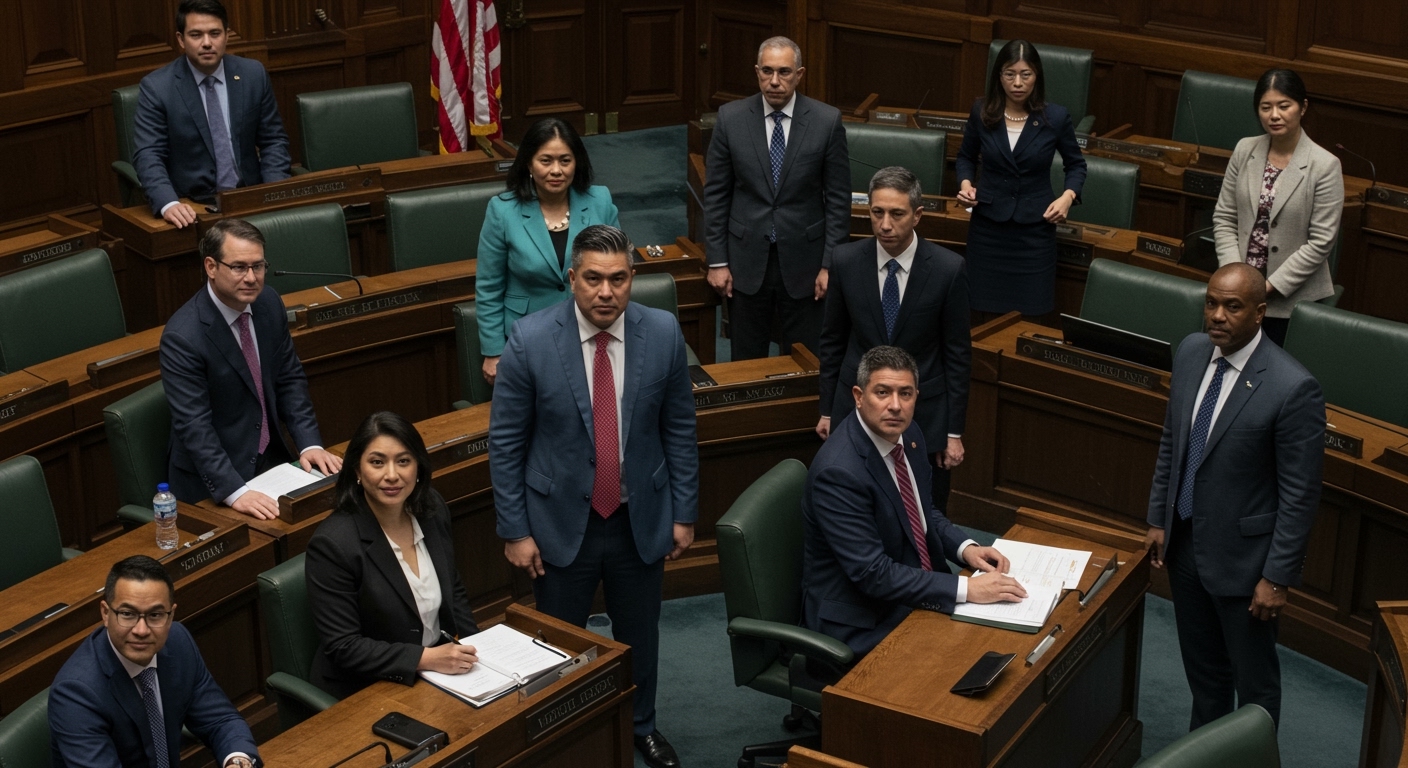
This fact is a stark indicator of the historical barriers to the highest levels of political power for minority groups in the United States. While the first female Speaker, Nancy Pelosi, broke a significant gender barrier in 2007, the racial barrier for the speakership remains intact. Understanding why this is the case requires a deeper look into the history of Congress and the changing dynamics of its leadership.
A Brief History of the Speaker Role
The Speaker of the House is the presiding officer of the United States House of Representatives. The role is established in the U.S. Constitution and is second in the presidential line of succession, after the Vice President.
Key responsibilities of the Speaker include:
- Administering the oath of office to Members.
- Presiding over House debates.
- Recognizing Members to speak on the House floor.
- Making rulings on House procedures.
- Appointing members to select and conference committees.
Historically, the Speaker is the leader of the majority party in the House. This means that to become Speaker, a person must not only be elected to Congress but must also rise through the ranks of their party’s leadership structure over many years.
Understanding the Lack of Non-White Speakers in U.S. History
The absence of a non-white Speaker isn’t an accident of history but the result of systemic and historical factors. For decades, the path to congressional leadership was simply not accessible to non-white Americans. In my years analyzing congressional history, I’ve seen these barriers manifest in several key ways.
Historical Barriers to Congressional Representation
For much of American history, significant legal and social barriers prevented people of color from even serving in Congress, let alone leading it.
- Slavery and Jim Crow: Before the Civil War, Black Americans were enslaved and denied citizenship. After the Civil War, the Reconstruction Era saw the election of the first Black members of Congress, but this progress was violently rolled back by the rise of Jim Crow laws in the South.
- Voter Suppression: For nearly a century, tactics like poll taxes, literacy tests, and outright intimidation were used to disenfranchise Black voters, drastically limiting the pool of potential non-white candidates.
- The Civil Rights Movement: The Civil Rights Act of 1964 and the Voting Rights Act of 1965 were landmark achievements that dismantled legal segregation and voter suppression. This opened the door for a new generation of minority leaders to be elected to Congress, but building the seniority needed for leadership takes decades.
The Congressional “Pipeline” and Seniority System
Traditionally, leadership positions in the House have been awarded based on seniority. A member would need to serve for many terms, gradually moving up on key committees and in party caucuses, to be considered for a top spot like Speaker.
This system inherently favored representatives from “safe” districts who could be re-elected repeatedly. Historically, these districts were predominantly white. As more minority members were elected starting in the latter half of the 20th century, they entered an institution where the leadership ladder was already occupied by long-serving white members.
A Historic Shift: Non-White Leadership Beyond the Speakership
While the Speaker’s chair has remained elusive, the landscape of congressional leadership has changed dramatically in recent years. We are now seeing unprecedented diversity in other top-level House positions, setting the stage for a potential future non-white Speaker.
The Rise of Hakeem Jeffries: A Watershed Moment
The most significant development is the election of Representative Hakeem Jeffries (D-NY) as the House Democratic Leader in 2023. This made him the first Black person in U.S. history to lead a major party in either chamber of Congress.
As Minority Leader, Jeffries is the top-ranking Democrat in the House. Should the Democratic Party regain the majority, he is the presumptive nominee to become the first-ever Black Speaker of the House. His ascent marks a pivotal moment, breaking a barrier that stood for over 230 years.
Other Trailblazing Non-White Leaders in the House
Jeffries stands on the shoulders of other non-white leaders who broke barriers and rose to powerful positions within the House leadership structure. As a student of congressional procedure, I’ve watched these individuals skillfully navigate the institution and pave the way for others.
Here is a table of some key figures who have held high-ranking roles:
| Leader Name | Key Position(s) Held | Party | Significance & “Firsts” |
|---|---|---|---|
| James E. Clyburn | House Majority Whip | Democratic | First African American to serve as Majority Whip. A key member of the Democratic leadership. |
| William H. Gray III | House Majority Whip | Democratic | First African American to serve as Majority Whip (1989-1991). |
| Xavier Becerra | Democratic Caucus Chair | Democratic | First Latino to serve as Caucus Chair, a top-five leadership position. |
| Ben Ray Luján | Assistant Speaker | Democratic | Held the number four position in House Democratic leadership before being elected to the Senate. |
| Joaquin Castro | Congressional Hispanic Caucus Chair | Democratic | A prominent voice on issues affecting the Latino community. |
| Pramila Jayapal | Congressional Progressive Caucus Chair | Democratic | First South Asian American woman elected to the House; leads a powerful caucus. |
These leaders, and many others, have demonstrated that the “pipeline” to the top is finally becoming more inclusive. Their success in roles like Majority Whip and Caucus Chair provides the necessary experience and political capital to make a run for the speakership a viable reality.
What This Means for the Future of House Leadership
The current landscape suggests that it is no longer a question of if there will be a non-white Speaker, but when. The demographics of both the country and the Congress itself are shifting, and the leadership is beginning to reflect that change.
The Direct Path to a Non-White Speaker
The most direct path is for Hakeem Jeffries. If Democrats win a majority in the House of Representatives in a future election, he is the party’s choice to be nominated for Speaker. This would be a historic vote on the House floor and a landmark moment for the nation.
The Impact of Diverse Leadership
From my experience observing legislative priorities, diverse leadership brings different life experiences and perspectives to the negotiating table. This can have a profound impact on the types of legislation that are prioritized.
- Policy Focus: Issues of racial justice, voting rights, and economic inequality often receive greater attention.
- Representation: A leadership team that reflects the diversity of the American people can increase public trust and engagement in government.
- Coalition Building: Diverse leaders are often skilled at building broad coalitions that span different racial, ethnic, and economic groups.