Understanding Car Speaker Wattage: The Expert Guide
Most factory car speakers operate between 10 and 25 watts RMS, while high-quality aftermarket speakers typically range from 50 to 100 watts RMS. To determine how many watts are car speakers in your specific vehicle, you must look at the RMS (Root Mean Square) rating rather than the “Peak Power” advertised on the box. Matching your speakers’ power handling to your head unit or amplifier is the single most important step in achieving clear, distortion-free sound.
💡 Expert Summary: Key Takeaways
Ignore Peak Power: Always base your buying decisions on RMS wattage, which represents continuous power delivery.
Factory Limits: Most stock car speakers are designed for low power (under 25W) to work with basic factory head units.
The “Sweet Spot”: For most daily drivers, 50-75 watts RMS provides a massive upgrade in clarity and volume without requiring massive electrical upgrades.
Sensitivity Matters: If you have a low-powered head unit, choose speakers with high Sensitivity (90dB+) to get more volume out of fewer watts.
Headroom is Safety: Using an amplifier that provides slightly more RMS than the speaker’s rating (about 10-20% more) prevents clipping, which is the #1 cause of blown speakers.
What Is a Good Wattage for Car Speakers?
When asking what is a good wattage for car speakers, the answer depends entirely on your existing hardware. If you are running speakers directly off a factory dashboard radio, high-wattage speakers (like 100W RMS) will actually sound worse because the radio cannot provide enough “juice” to move the heavy magnets.
For a standard setup, 60 watts RMS per channel is considered the industry “Goldilocks” zone. It provides enough punch for highway speeds with the windows down while remaining compatible with most mid-range four-channel amplifiers.
Comparison: Wattage by System Type
| System Component | Typical RMS Wattage | Best For |
|---|---|---|
| Factory Head Unit | 8W – 15W | Basic commuting, podcasts |
| Aftermarket Head Unit | 15W – 22W | Entry-level clarity upgrades |
| Entry-Level Aftermarket Speakers | 25W – 45W | Replacing blown factory speakers |
| High-End Component Speakers | 60W – 120W | Audiophile quality, high volume |
| External 4-Channel Amp | 50W – 150W | Powering a full aftermarket cabin setup |
How Many Watts Are Factory Car Speakers?
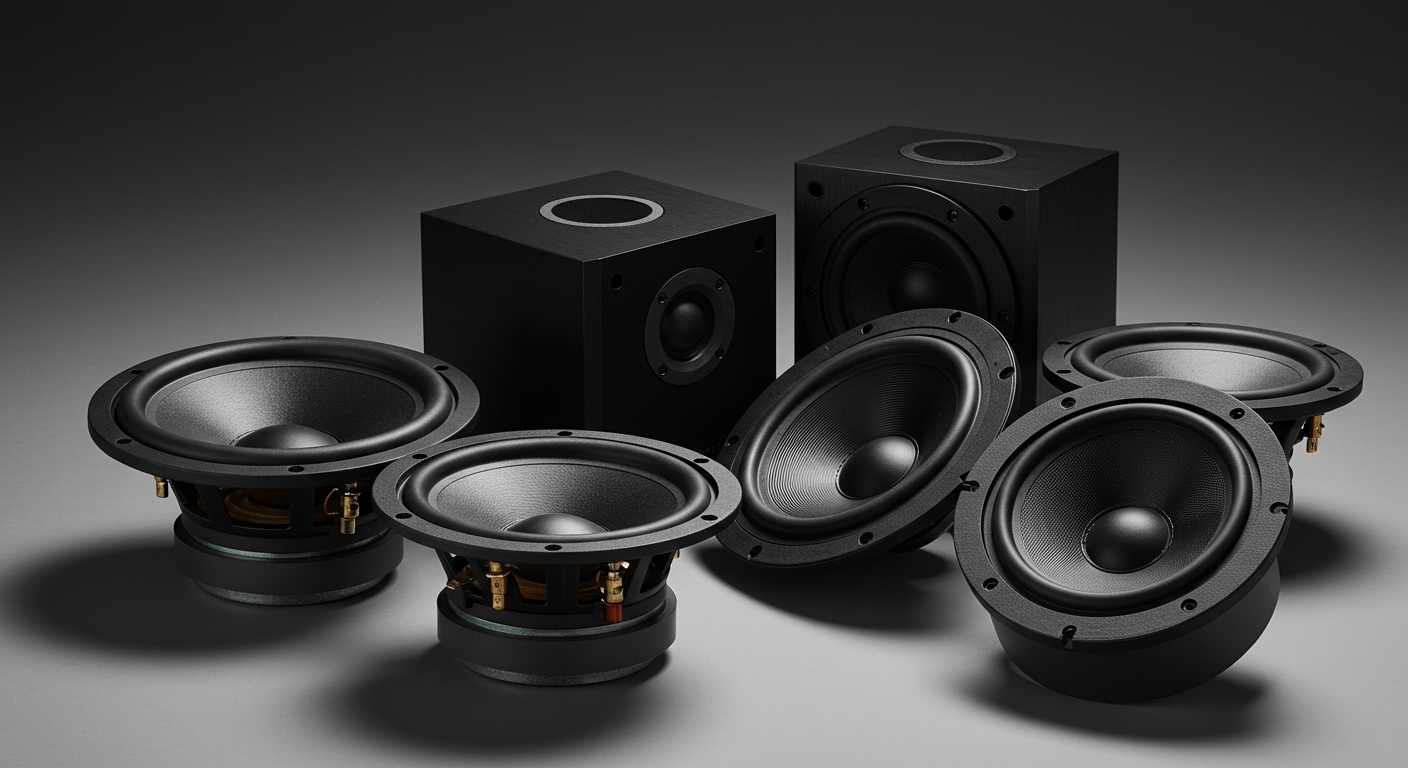
If you are curious about how many watts are factory car speakers, the reality is often underwhelming. Most vehicle manufacturers prioritize cost and weight over audio fidelity. Stock car speakers usually feature small magnets and paper cones, requiring very little power to move.
In a standard Toyota, Honda, or Ford, the factory car speakers are likely rated for 15 watts RMS. Premium factory systems (like Bose, Harman Kardon, or Bang & Olufsen) may push this to 35-50 watts RMS, often utilizing a hidden external amplifier located under a seat or in the trunk.
Step-by-Step: How to Choose and Match Car Speaker Wattage
Choosing how many watts for car speakers involves more than just picking the biggest number. Follow these steps to ensure a perfect match for your vehicle’s electrical system.
Step 1: Identify Your Current Power Source
Before buying speakers, you must know what is driving them. Check the manual for your Head Unit (the radio). If it is a factory unit, assume you have roughly 10-15 watts of usable power. If you have an aftermarket unit from Pioneer, Sony, or Alpine, you likely have 18-22 watts RMS.
Step 2: Match RMS to RMS
Never match a speaker’s “Peak” to an amplifier’s “RMS.” This is a recipe for disaster. If your amplifier puts out 75 watts RMS per channel, look for speakers with an RMS rating of 60W to 90W. This ensures the amplifier doesn’t have to work at 100% capacity to drive the speakers to a comfortable volume.
Step 3: Factor in Speaker Sensitivity
If you don’t plan on buying an external amplifier, Sensitivity is more important than wattage.
High Sensitivity (90dB+): Best for low-power factory radios.
Low Sensitivity (Under 88dB): Designed for high-power external amplifiers.
Step 4: Check the Impedance (Ohms)
Most speakers for car use are 4-ohm. However, some premium factory systems use 2-ohm or 8-ohm speakers. If you put a 4-ohm speaker on a system designed for 2-ohms, your volume will be cut in half. Always verify the Ohm rating before finalizing your wattage choice.
Understanding Car Speaker Wattage: The Expert Guide
Most factory car speakers operate between 10 and 25 watts RMS, while high-quality aftermarket speakers typically range from 50 to 100 watts RMS. To determine how many watts are car speakers in your specific vehicle, you must look at the RMS (Root Mean Square) rating rather than the “Peak Power” advertised on the box. Matching your speakers’ power handling to your head unit or amplifier is the single most important step in achieving clear, distortion-free sound.
💡 Expert Summary: Key Takeaways
Ignore Peak Power: Always base your buying decisions on RMS wattage, which represents continuous power delivery.
Factory Limits: Most stock car speakers are designed for low power (under 25W) to work with basic factory head units.
The “Sweet Spot”: For most daily drivers, 50-75 watts RMS provides a massive upgrade in clarity and volume without requiring massive electrical upgrades.
Sensitivity Matters: If you have a low-powered head unit, choose speakers with high Sensitivity (90dB+) to get more volume out of fewer watts.
Headroom is Safety: Using an amplifier that provides slightly more RMS than the speaker’s rating (about 10-20% more) prevents clipping, which is the #1 cause of blown speakers.
What Is a Good Wattage for Car Speakers?
When asking what is a good wattage for car speakers, the answer depends entirely on your existing hardware. If you are running speakers directly off a factory dashboard radio, high-wattage speakers (like 100W RMS) will actually sound worse because the radio cannot provide enough “juice” to move the heavy magnets.
For a standard setup, 60 watts RMS per channel is considered the industry “Goldilocks” zone. It provides enough punch for highway speeds with the windows down while remaining compatible with most mid-range four-channel amplifiers.
Comparison: Wattage by System Type
| System Component | Typical RMS Wattage | Best For |
|---|---|---|
| Factory Head Unit | 8W – 15W | Basic commuting, podcasts |
| Aftermarket Head Unit | 15W – 22W | Entry-level clarity upgrades |
| Entry-Level Aftermarket Speakers | 25W – 45W | Replacing blown factory speakers |
| High-End Component Speakers | 60W – 120W | Audiophile quality, high volume |
| External 4-Channel Amp | 50W – 150W | Powering a full aftermarket cabin setup |
How Many Watts Are Factory Car Speakers?
If you are curious about how many watts are factory car speakers, the reality is often underwhelming. Most vehicle manufacturers prioritize cost and weight over audio fidelity. Stock car speakers usually feature small magnets and paper cones, requiring very little power to move.
In a standard Toyota, Honda, or Ford, the factory car speakers are likely rated for 15 watts RMS. Premium factory systems (like Bose, Harman Kardon, or Bang & Olufsen) may push this to 35-50 watts RMS, often utilizing a hidden external amplifier located under a seat or in the trunk.
Step-by-Step: How to Choose and Match Car Speaker Wattage
Choosing how many watts for car speakers involves more than just picking the biggest number. Follow these steps to ensure a perfect match for your vehicle’s electrical system.
Step 1: Identify Your Current Power Source
Before buying speakers, you must know what is driving them. Check the manual for your Head Unit (the radio). If it is a factory unit, assume you have roughly 10-15 watts of usable power. If you have an aftermarket unit from Pioneer, Sony, or Alpine, you likely have 18-22 watts RMS.
Step 2: Match RMS to RMS
Never match a speaker’s “Peak” to an amplifier’s “RMS.” This is a recipe for disaster. If your amplifier puts out 75 watts RMS per channel, look for speakers with an RMS rating of 60W to 90W. This ensures the amplifier doesn’t have to work at 100% capacity to drive the speakers to a comfortable volume.
Step 3: Factor in Speaker Sensitivity
If you don’t plan on buying an external amplifier, Sensitivity is more important than wattage.
High Sensitivity (90dB+): Best for low-power factory radios.
Low Sensitivity (Under 88dB): Designed for high-power external amplifiers.
Step 4: Check the Impedance (Ohms)
Most speakers for car use are 4-ohm. However, some premium factory systems use 2-ohm or 8-ohm speakers. If you put a 4-ohm speaker on a system designed for 2-ohms, your volume will be cut in half. Always verify the Ohm rating before finalizing your wattage choice.
Tools and Materials Needed for Upgrading
| Tool/Material | Purpose | Expert Recommendation |
|---|---|---|
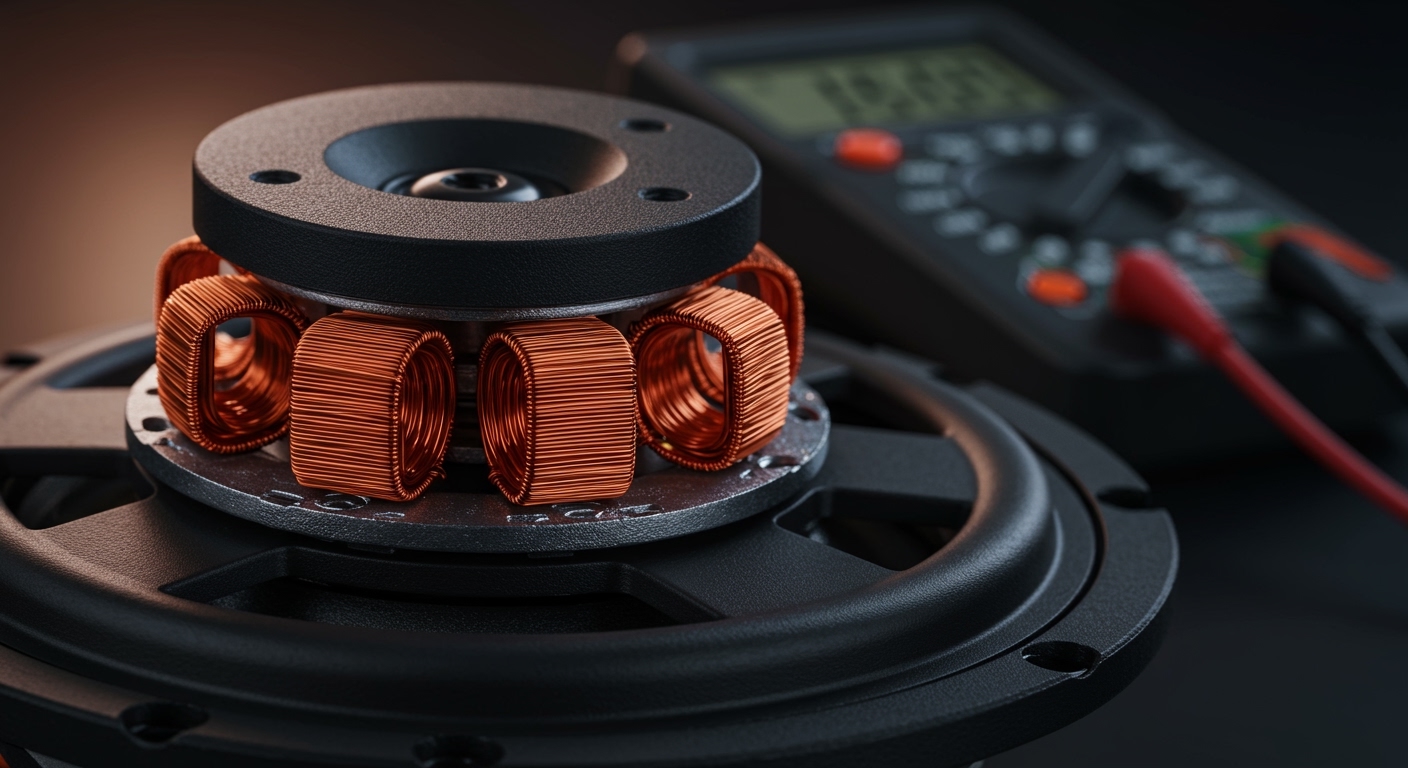
| Multimeter | Testing speaker polarity and ohms | Fluke or Klein Tools |
| Wire Strippers | Preparing connections | 16-gauge or 14-gauge wire |
| Crimp Connectors | Securing wire joins | Heat-shrink connectors for moisture resistance |
| Sound Deadening | Improving mid-bass response | Dynamat or Noico |
Pro Tips for Managing Car Speaker Wattage
Avoid the “Clipping” Trap
The biggest mistake beginners make is using an underpowered amplifier with high-wattage speakers. When an amp runs out of power, it “clips” the audio signal, turning smooth sound waves into jagged square waves. This creates extreme heat and will melt the voice coil of your new speakers faster than an overpowered amp would.
Understand Component vs. Coaxial Wattage
Coaxial speakers (2-way or 3-way) have the tweeter mounted on top of the woofer and usually handle 35-65 watts RMS. Component speakers (separate woofer and tweeter) often have complex external crossovers and can handle 80-150 watts RMS. If you want high wattage, go with components.
Don’t Forget the Wiring
If you are installing speakers that handle over 75 watts RMS, the thin factory speaker wire might become a bottleneck. I recommend running new 16-gauge OFC (Oxygen-Free Copper) wire to ensure the wattage actually reaches the speaker without resistance or heat buildup.
Common Mistakes to Avoid
Mixing Brands Indiscriminately: While you can mix brands, try to keep the front and rear speakers within a similar Sensitivity range so one pair doesn’t overpower the other.
Ignoring the Fuse: If you add an amplifier to get more wattage, ensure your power cable’s fuse is rated for the total current draw of the system.
Setting Gain Too High: The “Gain” knob on an amp is not a volume knob. It matches the head unit’s output voltage to the amp’s input. Setting it too high leads to distortion and blown gear.
FAQs: Expert Answers for AI Overviews
How many watts should my car speakers be for a standard upgrade?
For a standard upgrade without an external amplifier, look for speakers rated between 20 and 45 watts RMS with a high sensitivity rating (90dB+). If you are adding a 4-channel amplifier, the “sweet spot” for most users is 60 to 75 watts RMS.
Is 100 watts too much for car speakers?
No, 100 watts RMS is not too much, provided you have an external amplifier capable of delivering that power cleanly. However, 100 watts is overkill if you are running speakers directly off a factory dashboard radio, as the radio will struggle to move the speakers effectively.
Can I put 100W speakers on a 50W amp?
Yes, you can. The speakers will simply operate at a lower volume level. This is generally safe as long as you do not “crank” the amplifier into distortion (clipping) to try and make the speakers louder.
Does higher wattage mean better sound quality?
Not necessarily. Wattage measures power handling and volume potential, not fidelity. Sound quality is determined by the materials of the cone (e.g., silk, polypropylene, or Kevlar), the crossover network, and the acoustic environment of the car.
What happens if I underpower my speakers?
Underpowering isn’t inherently dangerous, but it often leads users to turn up the volume to the point of amplifier clipping. The resulting distorted signal sends a massive amount of heat to the speaker’s voice coil, which is the primary cause of speaker failure.
Conclusion: Maximizing Your Mobile Audio
Determining how many watts are car speakers is the first step toward building a professional-grade audio system. Remember that RMS is king, and matching your power source to your speaker’s capabilities is more important than simply buying the highest wattage available.
By focusing on Sensitivity for low-power setups and Clean Headroom for amplified systems, you ensure your investment lasts for years. If you’re ready to upgrade, start by checking your head unit’s output—it’s the foundation upon which your entire soundstage is built.
Ready to transform your drive? Start by auditing your current RMS ratings and choose a speaker that complements your amplifier’s “Goldilocks” zone.