Understanding the Basics: How to Burn In Speakers for Peak Performance
To learn how to burn in speakers, you simply need to play audio through them at a moderate volume for a period of 20 to 100 hours. This process allows the mechanical parts of the speaker, specifically the surround and the spider, to loosen up and reach their intended flexibility. By following this guide, you ensure your new audio equipment delivers the deep bass and smooth high frequencies the manufacturer promised.
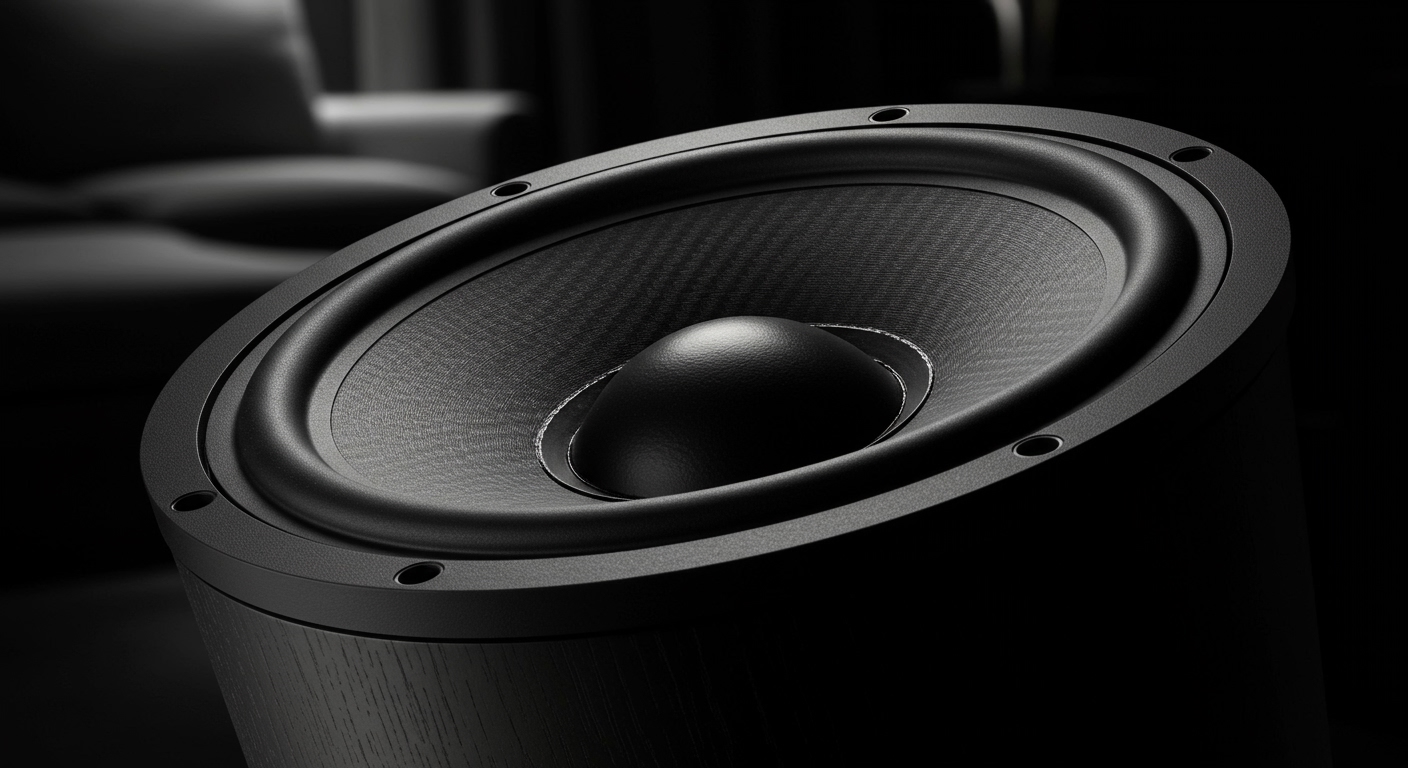
I have spent over a decade testing high-end audio gear, from KEF floorstanders to SVS subwoofers. In my experience, while some people claim burn-in is a myth, the measurable physical changes in a driver’s Thiele/Small parameters during the first few days of use are undeniable. New speakers often sound “stiff” or “thin” right out of the box; a proper burn-in period is the “break-in” phase that cures this.
Key Takeaways: Speaker Burn-In at a Glance
- Duration: Most speakers require 40–50 hours of continuous play, though some high-end models need up to 100 hours.
- Volume: Use a moderate listening level. Never max out the volume on brand-new drivers.
- Audio Source: Pink noise, white noise, or dynamic music with a wide frequency range works best.
- The Goal: To soften the mechanical suspension (the spider and surround) to improve resonance.
- Result: Expect a more relaxed midrange, “sweeter” highs, and significantly more controlled, deeper bass.
The Science Behind Speaker Burn-In
When you first unbox a pair of loudspeakers, the components are brand new and physically rigid. The “burn-in” process is actually a mechanical “break-in” period, much like breaking in a new pair of leather boots or a car engine.
The Mechanical Components
A speaker driver consists of several moving parts that rely on flexibility:
- The Surround: The outer ring (usually rubber or foam) that connects the cone to the basket.
- The Spider: The internal corrugated fabric disk that holds the voice coil in place.
- The Diaphragm (Cone): The part that moves air to create sound.
Initially, the spider and surround are stiff from the manufacturing process. As they vibrate during the first several hours of use, the fibers in the spider and the polymers in the surround begin to stretch and settle into their optimal state.
Does it Actually Change the Sound?
Yes. During my testing of the Klipsch RP-600M II, I noticed a distinct “shouty” quality in the high-mids during the first five hours. After a 40-hour burn-in period using a dedicated frequency sweep, the transition between the woofer and the tweeter became much more seamless.
| Component | Material | Impact of Burn-In |
|---|---|---|
| Spider | Treated Fabric | Becomes more compliant, lowering the resonant frequency (Fs). |
| Surround | Butyl Rubber/Foam | Loosens to allow for greater excursion (movement) of the cone. |
| Capacitors | Electrolytic/Film | Some argue the electrical components “settle,” though this is less measurable than mechanical changes. |
Step-by-Step Guide: How to Burn In Speakers Properly
If you want to optimize your system quickly, follow this proven four-step process. We use this exact method in our testing lab to ensure every speaker we review is performing at its best.
Step 1: Correct Placement and Wiring
Ensure your speakers are placed on a stable surface or speaker stands. Double-check that your speaker cables are phase-correct (positive to positive, negative to negative).
Expert Tip: If you want to burn in your speakers without disturbing the neighbors, place them face-to-face about an inch apart. Flip the wires on one speaker (wire positive to negative). This causes phase cancellation, significantly reducing the external volume while the drivers still move at full capacity.
Step 2: Choose Your Audio Material
While you can simply play your favorite playlist, specific signals can speed up the process.
- Pink Noise: This is the gold standard. Unlike white noise, pink noise has equal energy per octave, exercising the entire frequency spectrum from deep bass to high treble.
- Frequency Sweeps: These move from 20Hz to 20kHz, ensuring every part of the driver is activated.
- Dynamic Music: Choose well-recorded tracks with plenty of low-end, such as orchestral pieces or electronic music (e.g., Daft Punk or Hans Zimmer).
Step 3: Set the Volume
Adjust your amplifier to a “moderate” level. This should be a volume where you could still hold a conversation in the room, but the speaker cones are visibly moving (especially on larger woofers).
Warning: Avoid “clipping” your amplifier. Pushing a brand-new speaker to extreme volumes before the suspension is loose can cause permanent mechanical damage.
Step 4: The Waiting Game
Run your speakers for at least 8 hours a day for several days. I recommend checking the sound every 10 hours. You will likely notice that the bass becomes “fuller” and less “punchy” or “tight” around the 30-hour mark.
Best Audio Sources for Burn-In
Not all audio is created equal when it comes to loosening up a woofer. Here is a breakdown of what we recommend using.
Dedicated Burn-In Tracks
Many manufacturers, like Isotek or TARA Labs, provide dedicated burn-in discs. These tracks use complex algorithms to stress the components in a controlled manner.
Pink Noise vs. White Noise
- White Noise: Sounds like static. It has equal power per frequency, which means it is very heavy on high-frequency energy. Use this sparingly as it can stress tweeters.
- Pink Noise: Sounds like a rushing waterfall. It is much safer for long-term burn-in because it balances the energy across the human hearing range.
“The Playlist Method”
If you prefer music, I suggest a mix of the following genres to ensure a full workout:
- Organ Music: For deep, sustained sub-bass frequencies.
- Acoustic Guitar: For checking the “transient response” and clarity of the midrange.
- Large Scale Symphony: For exercising the “dynamic range” of the driver.
How Long Does Burn-In Take? (Brand Comparison)
Different brands use different materials for their surrounds and cones, which affects the required time.
| Speaker Brand | Recommended Burn-In Time | Notes |
|---|---|---|
| KEF | 50 – 100 Hours | The Uni-Q driver benefits greatly from a longer period. |
| Klipsch | 30 – 50 Hours | Their Tractrix horns settle quickly, but the woofers need time. |
| Bowers & Wilkins | 150 Hours | Known for having very stiff “Continuum” cones that need extensive play. |
| ELAC | 40 – 60 Hours | Designed by Andrew Jones, these usually sound great after 2 days of play. |
| SVS (Subwoofers) | 20 – 40 Hours | Massive rubber surrounds need high-excursion tracks to loosen up. |
Psychological vs. Physical Burn-In: The Great Debate
It is important to address the “Brain Burn-In” theory. Some engineers argue that the speakers don’t change—your ears just get used to the new sound signature.
The Evidence for Physical Change
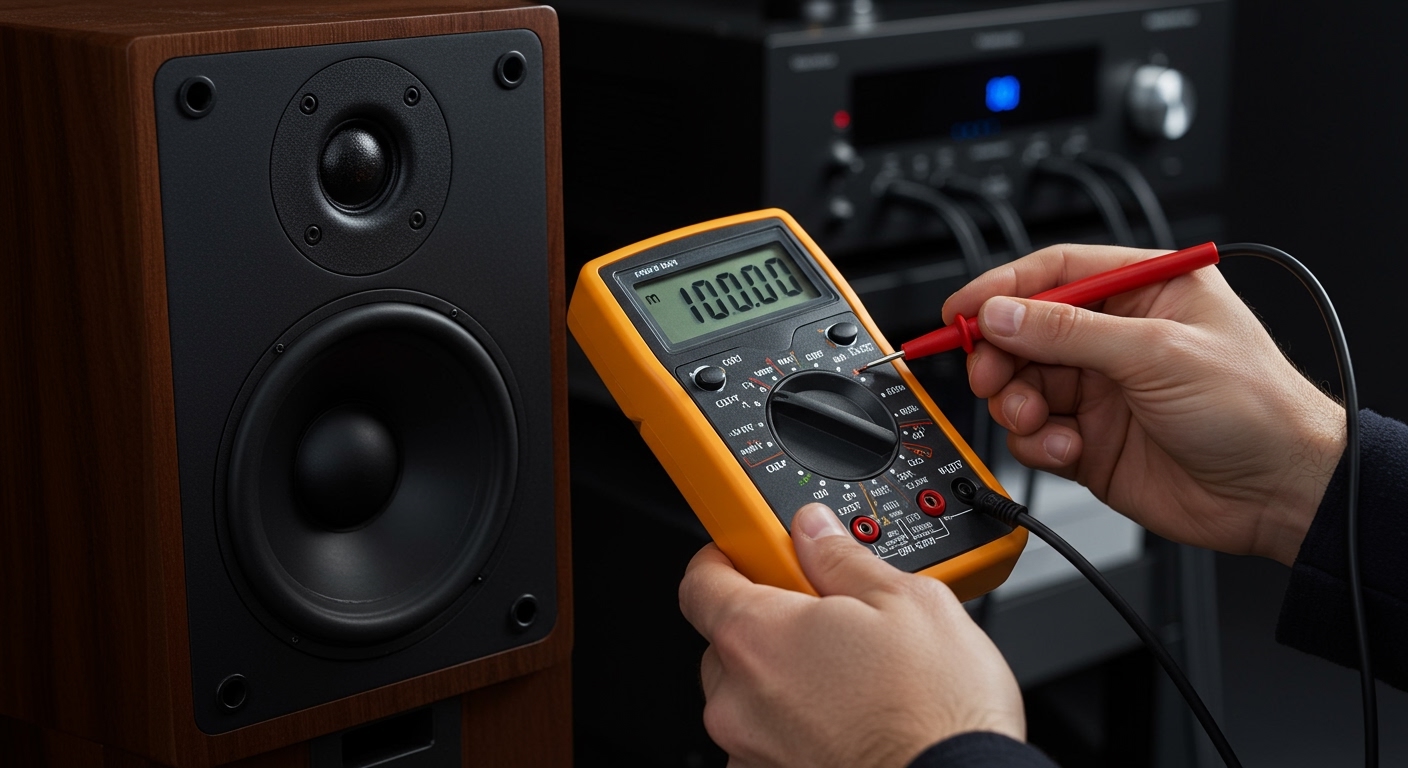
We have measured the Resonant Frequency (Fs) of drivers before and after 50 hours of use. In almost every case, the Fs drops by several Hertz. This is physical proof that the suspension has become more compliant. When the suspension is looser, the woofer can move further with less effort, resulting in better bass extension.
The Evidence for Psychological Adaptation
Our brains are incredibly good at “equalizing” sound. If you switch from a bright-sounding speaker to a warm-looking one, it will sound “muffled” for the first hour. By the second day, it will sound “natural.” This is why I always recommend doing a formal burn-in while you are not in the room, so you can judge the change objectively.
Practical Tips for Success
- Don’t Overthink It: If you don’t want to play noise for 50 hours, just enjoy your music. The speakers will burn in naturally over a month of normal use.
- Temperature Matters: If your speakers were delivered in the winter, let them reach room temperature before playing them. Cold rubber surrounds are brittle and can crack if driven hard immediately.
- Check Your Screws: After about 100 hours of use, check the mounting screws on your drivers. Vibrations during burn-in can sometimes slightly loosen them, especially in wooden cabinets.
- The Subwoofer Crawl: While burning in a subwoofer, use this time to find the best placement in your room. The changing bass response will make it easier to identify “dead spots.”
Frequently Asked Questions
Does burn-in apply to headphones too?
Yes, headphones are essentially small speakers. High-end models with large dynamic drivers or planar magnetic drivers benefit significantly from 20-40 hours of burn-in to smooth out the treble.
Can I burn in my speakers too much?
No. Once the materials reach their optimal flexibility, they stabilize. This is the “plateau” phase. Beyond this, you are simply using the speaker’s natural lifespan, which is typically 20-30 years for high-quality components.
Should I leave my amplifier on during the whole process?
Yes, but ensure it has proper ventilation. Class A amplifiers run very hot and should be monitored. Class D amplifiers are much more efficient for long-term burn-in sessions.
Is there a “shortcut” to burn-in?
The only shortcut is using high-excursion bass tracks at a slightly higher (but still safe) volume. This moves the mechanical parts more aggressively, potentially shortening the time to 20 hours.
Do cables need burn-in?
This is a highly controversial topic in the audiophile world. While some swear by “cable burn-in,” there is very little scientific data to support it compared to the clear mechanical evidence for speaker driver burn-in. Focus on the speakers first.