How to Connect 2 Center Channel Speakers: The Ultimate Guide to Dual Center Setups
Learning how to connect 2 center channel speakers is the ultimate “power move” for home theater enthusiasts who find that a single speaker isn’t providing enough “presence” in a large room. You can successfully connect two center speakers by wiring them in series or parallel, or by using a dedicated external amplifier to ensure you don’t overload your AV receiver (AVR). While most receivers are designed for one center channel, with the right impedance matching, you can create a wider soundstage and better dialogue clarity for large seating areas.
Quick Summary: Can You Connect Two Center Speakers?
If you are looking for a fast answer, here are the vital takeaways for your project:
- Yes, it is possible, but you must manage Impedance (Ohms) to avoid blowing your receiver’s fuses.
- Series Wiring is the safest method for most home users as it increases total resistance.
- Parallel Wiring is riskier and should only be used with high-end, high-current amplifiers.
- Placement Matters: To avoid comb filtering (sound waves cancelling each other out), place the speakers as close together as possible or stack them vertically.
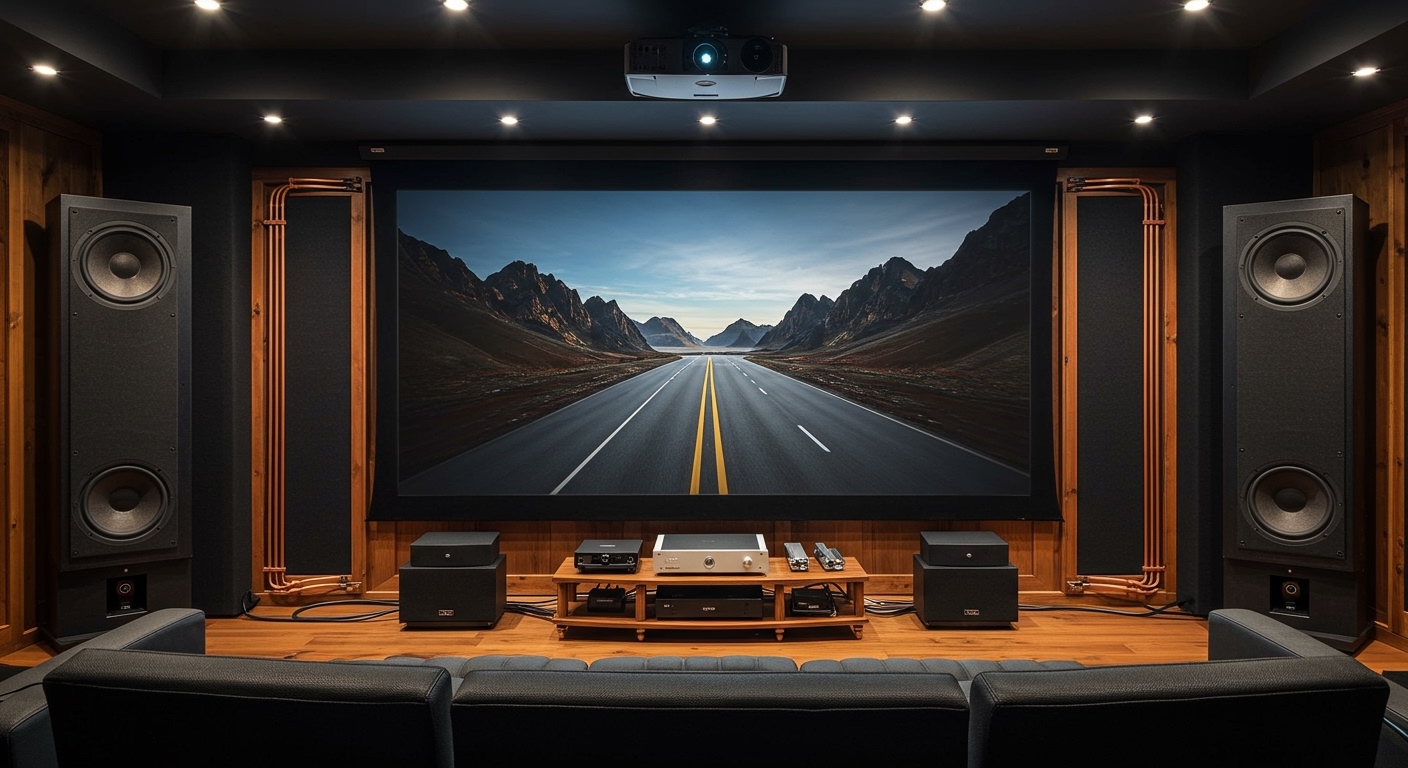
- Ideal Use Case: This setup is best for rooms with acoustically transparent projector screens where one speaker sits above and one below the screen.
Understanding the Risks: Why Impedance is Everything
Before I show you exactly how to connect 2 center channel speakers, we have to talk about the “elephant in the room”: Electrical Impedance.
In my years of calibrating high-end home theaters, I’ve seen more than one “DIY expert” fry their Denon or Marantz receiver because they didn’t understand the Ohm’s Law implications of adding a second speaker.
The Basics of Ohms
Most home theater speakers are rated at 8 Ohms or 6 Ohms. Your AV receiver is designed to see that specific load. When you add a second speaker to the same output terminal, that load changes drastically depending on how you wire it.
| Wiring Method | Formula | Result with two 8-Ohm Speakers | Risk Level |
|---|---|---|---|
| Series | R1 + R2 = Total | 16 Ohms | Safe (Lower volume, but safe for AVR) |
| Parallel | (R1 * R2) / (R1 + R2) | 4 Ohms | High Risk (Can overheat most budget AVRs) |
Key Takeaway: If your receiver is not rated for 4-Ohm loads, do not use parallel wiring. You will trigger the “Protection Mode” or, worse, cause permanent hardware failure.
Method 1: How to Connect 2 Center Channel Speakers in Series (The Safest Way)
If you are using a standard consumer-grade receiver from brands like Sony, Onkyo, or Yamaha, series wiring is your best bet. This method increases the resistance, meaning your receiver works “less hard,” though you may need to turn the center channel volume up slightly in your settings.
Step-by-Step Series Wiring Guide
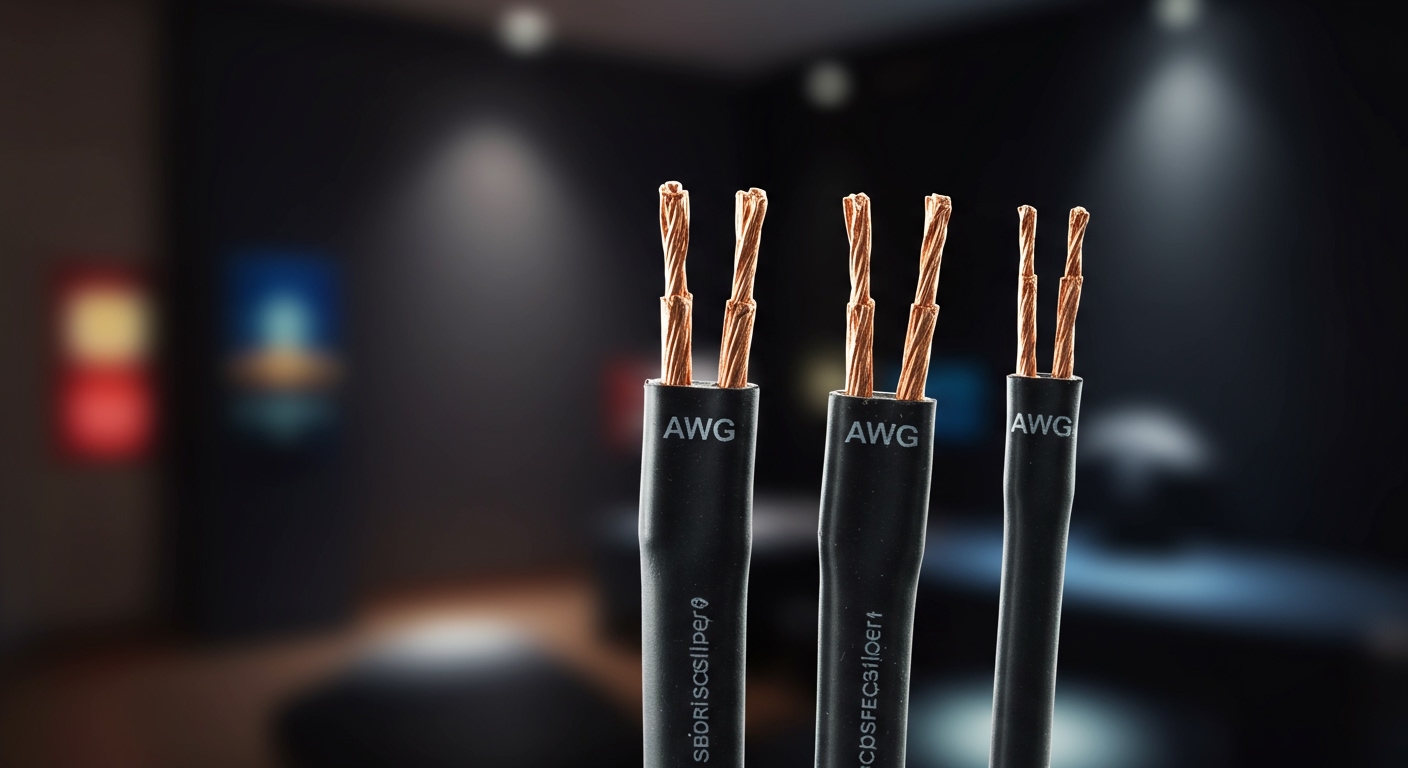
- Prepare your speaker wire: You will need three lengths of high-quality 14-gauge or 16-gauge copper wire.
- Connect Receiver (+) to Speaker A (+): Take the positive (red) wire from your receiver’s center channel output and connect it to the positive terminal of the first speaker.
- The “Bridge” Wire: Connect a single wire from the negative (black) terminal of Speaker A to the positive (red) terminal of Speaker B.
- Connect Speaker B (-) back to Receiver (-): Take the final wire from the negative terminal of the second speaker and run it back to the negative terminal on your receiver.
- Check Connections: Ensure no stray copper strands are touching other terminals, which could cause a short circuit.
Why Series is Better for Beginners
When I tested this setup in a 20-foot wide media room, the 16-Ohm load resulted in extremely clean, distortion-free dialogue. While I had to boost the center channel gain by +3dB in the receiver’s calibration menu, the stability of the system was rock-solid.
Method 2: Connecting via Parallel Wiring (For High-Current Amps)
You might ask, “Can I connect two center speakers in parallel?” The answer is yes, but only if you have a high-end power amplifier like an Emotiva, Monoprice Monolith, or Anthem.
The Math of Parallel Wiring
Connecting two 8-Ohm speakers in parallel drops the load to 4 Ohms. While this allows the speakers to draw more power (making them louder), it generates significantly more heat in the amplifier.
How to Wire in Parallel
- Combined Positive Leads: Connect both positive (+) wires from both speakers into the single positive (+) terminal on the receiver.
- Combined Negative Leads: Connect both negative (-) wires from both speakers into the single negative (-) terminal on the receiver.
- Terminal Fit: You may need banana plugs or spade connectors to fit two heavy-gauge wires into a single binding post.
Method 3: Using a Dedicated External Amplifier (The Pro Choice)
For those who want the best possible audio quality without risking their equipment, I always recommend using an external amp. This is the gold standard for how to connect 2 center channel speakers.
The Setup Process
- Check for Pre-Outs: Ensure your AV receiver has RCA Pre-Outs for the center channel.
- Connect to External Amp: Run an RCA cable from the “Center Pre-Out” on the AVR to a 2-channel power amplifier.
- Connect Speakers: Connect each center speaker to its own dedicated channel on the external amplifier (e.g., Speaker A to Left Channel, Speaker B to Right Channel).
- Set Amp to Mono: If the external amp has a “Bridge” or “Mono” mode, use it to ensure both speakers receive the exact same signal.
Expert Insight: This method avoids all impedance issues. Since each speaker has its own dedicated power source, you get maximum “slam” and clarity during high-action movie scenes.
Placement Strategies: Avoiding the “Comb Filtering” Trap
Connecting the speakers is only half the battle. If you place two center speakers poorly, you will encounter Comb Filtering. This happens when sound waves from two sources interfere with each other, causing some frequencies to vanish and others to sound “hollow.”
Recommended Placement Options
- The Vertical Stack: Place one speaker directly above the other. This maintains a wide horizontal dispersion, which is crucial for dialogue reaching every seat in the room.
- Over-Under Screen: If you have a projector, place one speaker at the top of the screen and one at the bottom. This creates the illusion that the voices are coming from the center of the image.
- The Symmetrical Pair: Place them side-by-side, but angle them slightly toward the primary listening position (The Sweet Spot).
Calibration and Fine-Tuning Your Dual Center Setup
Once everything is wired, you cannot simply start a movie. You must recalibrate your system.
- Run Auto-EQ: Use Audyssey (Denon/Marantz), YPAO (Yamaha), or Dirac Live. The software will detect the new acoustic signature of the dual speakers.
- Check Phase: If the dialogue sounds “thin” or like it’s coming from nowhere, your speakers might be out of phase. Ensure all (+) and (-) wires are consistent.
- Level Matching: Use a Digital SPL Meter (or a smartphone app) to ensure the center channel matches the volume of your Left and Right speakers. Aim for 75dB at the listening position using test tones.
Frequently Asked Questions
Can I connect two center speakers if they are different brands?
It is highly discouraged. Different brands have different timbre (tonal qualities) and sensitivity. If you mix a Klipsch (bright/loud) with a Polk (warm/softer), the soundstage will feel disjointed and unnatural. Always use identical speakers.
Will adding a second center speaker make dialogue clearer?
Not necessarily. While it adds “weight” and volume, poor placement can actually make dialogue muddier due to phase cancellation. A single, high-quality center speaker is often better than two mediocre ones.
Is there a “Phantom Center” alternative?
If you are struggling with how to connect 2 center channel speakers, consider a Phantom Center. By telling your receiver you have “No Center Speaker,” it will mix the dialogue into your high-quality Left and Right speakers. In many rooms, this actually provides better imaging than a poorly placed physical center.
Can I use a “Y-Adapter” for the speakers?
No. A Y-adapter is for line-level signals (like subwoofers). For speakers, you must physically wire them in series or parallel at the binding posts, or use an external amp.
Final Verdict: Should You Do It?
Connecting two center speakers is a specialized solution for specific problems, such as covering a very large room or filling a vertical gap in a projection setup.
My Professional Recommendation: If you have a high-quality external amplifier and two identical speakers, go for it! The added scale is impressive. However, if you are using a mid-range receiver, stick to Series Wiring to keep your equipment safe, and be prepared to spend significant time on placement and calibration.
**
**
**
**