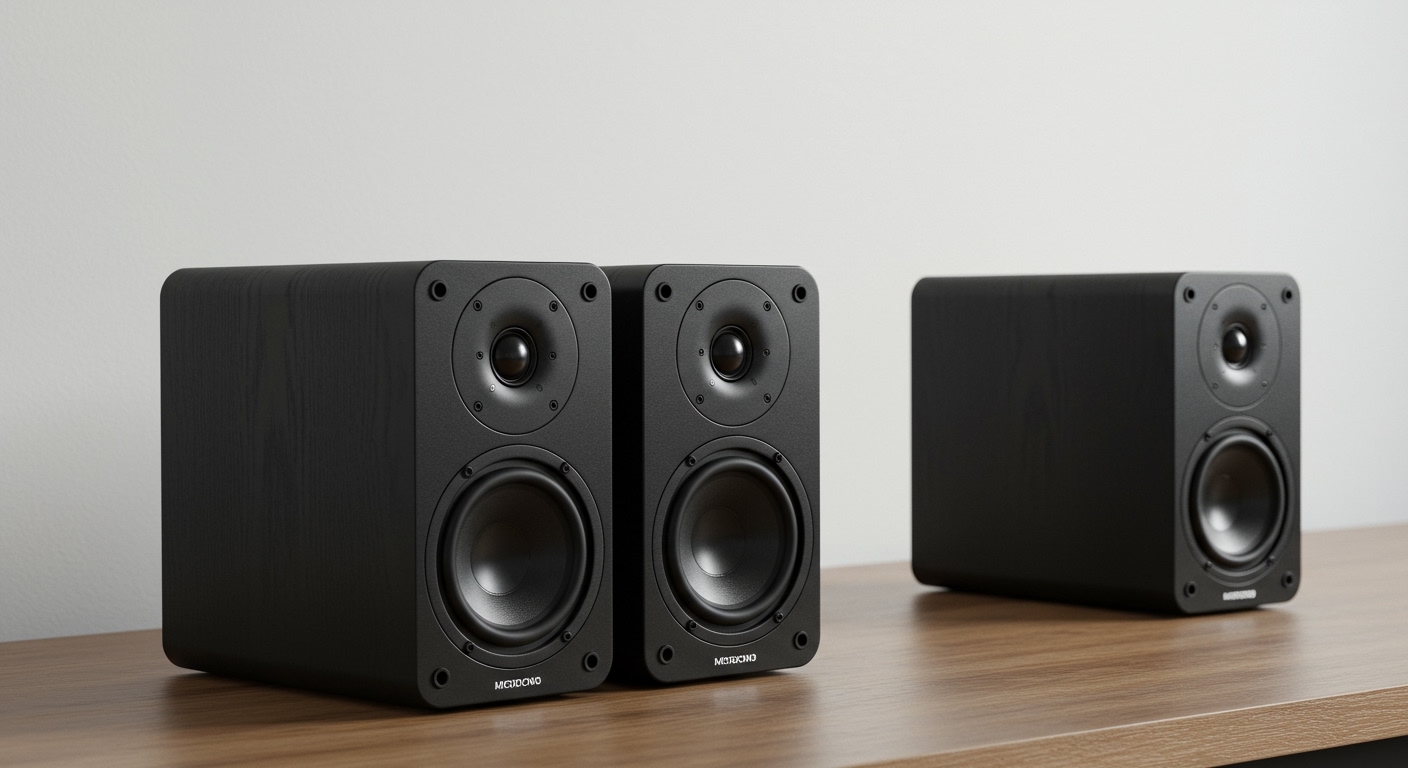
Master the Sound: The Ultimate Guide to Bookshelf Speakers Setup
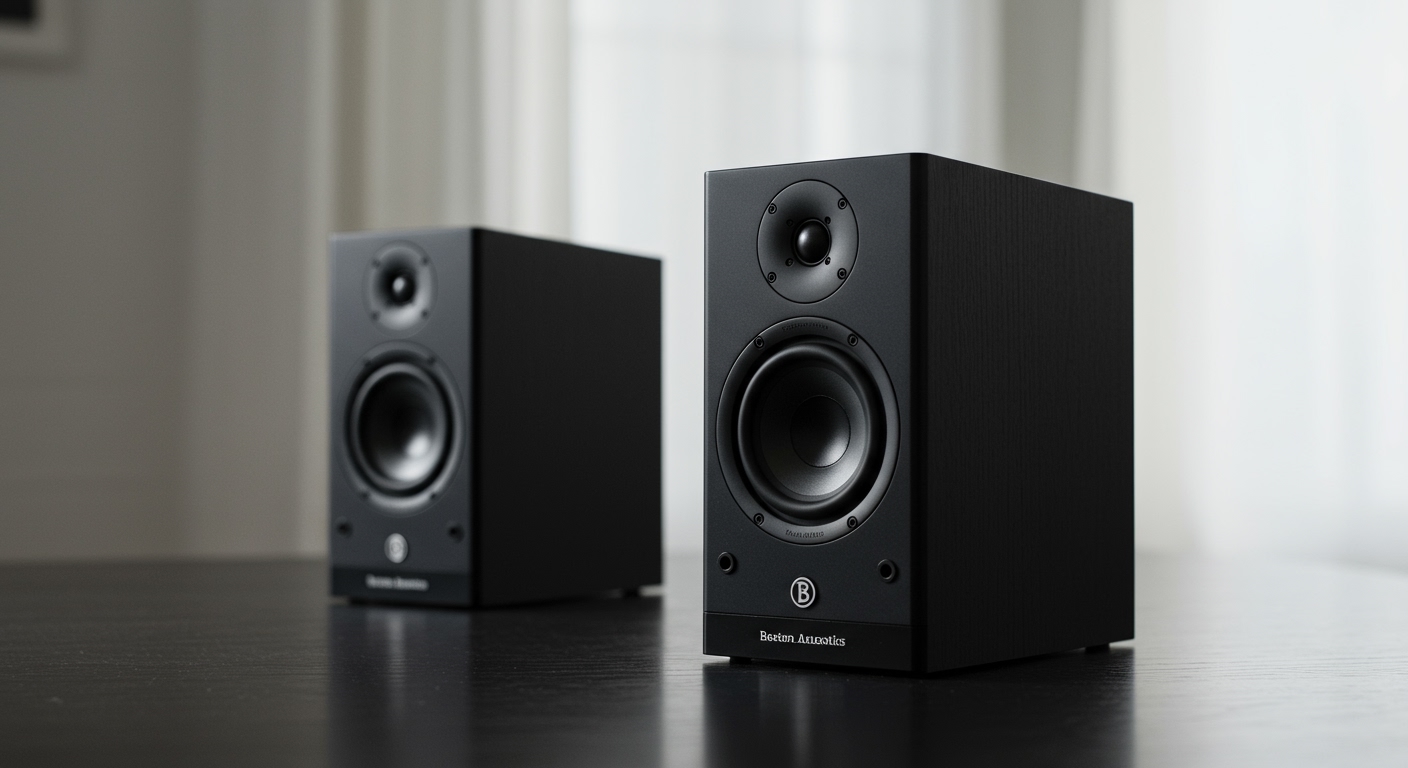
Setting up a high-quality audio system shouldn’t feel like solving a complex physics equation. To how to connect bookshelf speakers correctly, you simply need to match your speaker type (active or passive) to your source and ensure your wiring maintains proper polarity. Whether you are building a dedicated hi-fi listening room or upgrading your home theater, the right connection method determines whether you get crystal-clear audio or a muffled, distorted mess.
Expert Summary: Quick Setup Guide
Identify Speaker Type: Determine if your speakers are Passive (require an external amp) or Active/Powered (plug directly into a wall outlet).
Wiring Essentials: Use high-quality 14-gauge or 16-gauge oxygen-free copper (OFC) wire for the best signal integrity.
Polarity Matters: Always connect the Positive (+/Red) terminal on the receiver to the Positive (+/Red) terminal on the speaker.
Optimal Placement: Position speakers at ear level, forming an equilateral triangle with your primary listening position.
| Tool/Material | Purpose | Expert Recommendation |
|---|---|---|
| Speaker Wire | Transmits audio signal | 14 AWG Oxygen-Free Copper (OFC) |
| Banana Plugs | Secure, easy-to-swap connections | Gold-plated for corrosion resistance |
| Wire Stripper | Removes insulation from cables | Self-adjusting stripper for precision |
| A/V Receiver/Amp | Powers passive speakers | Minimum 50W per channel for bookshelf units |
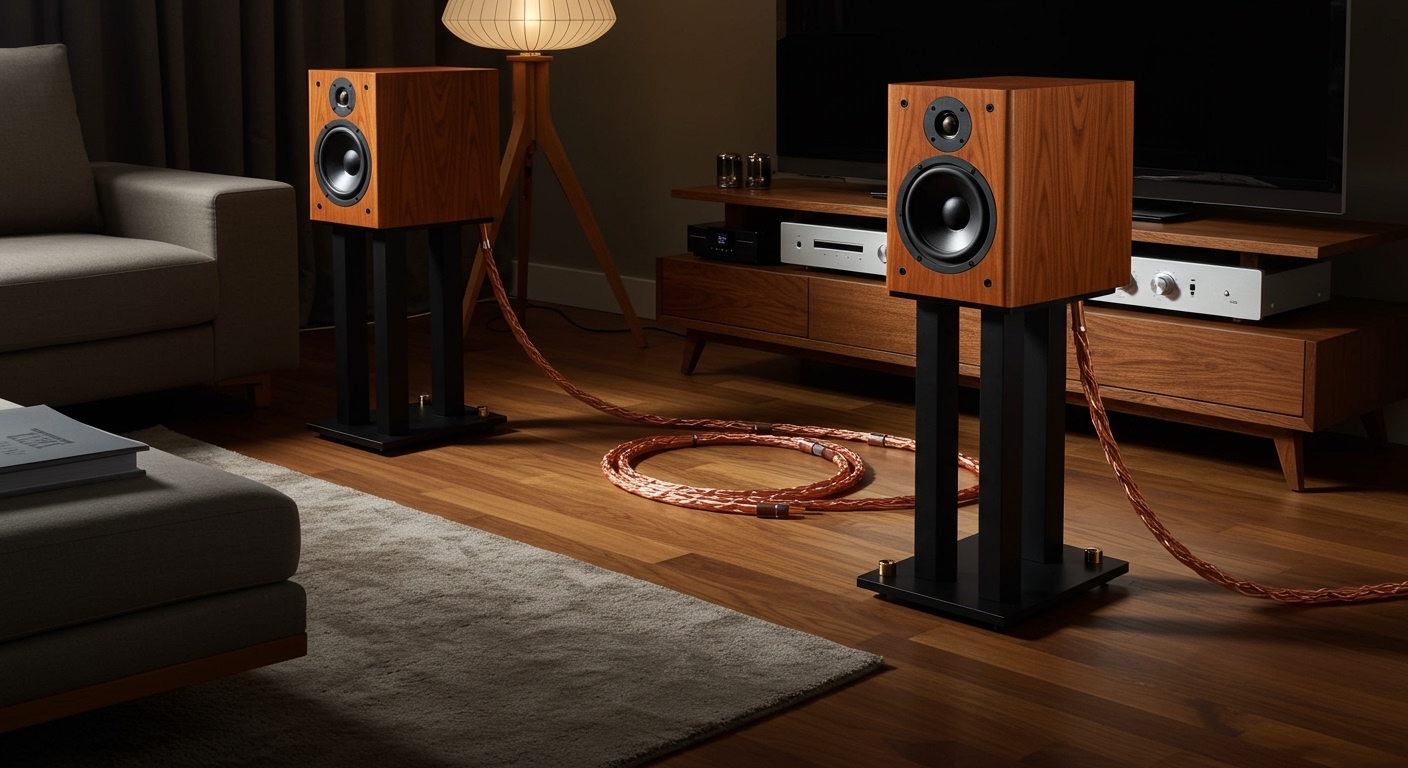
| Speaker Stands | Decouples speakers from furniture | Heavy-duty steel with floor spikes/pads |
Step 1: Choose the Right Speaker Placement
Before learning how to hook up bookshelf speakers, you must decide where they will live. Placement significantly impacts the soundstage and bass response of your system.
The Rule of Thirds and Triangles
To achieve a “sweet spot” where the music sounds three-dimensional, place your speakers so they form an equilateral triangle with your head. If the speakers are 6 feet apart, you should sit exactly 6 feet away from both.
Managing Boundary Interference
Avoid placing speakers directly against a wall. This causes boundary gain, which can make the bass sound “boomy” and muddy. Aim for at least 6 to 12 inches of clearance from the rear wall. If your speakers are rear-ported, this gap is non-negotiable for proper airflow.
Setting the Height
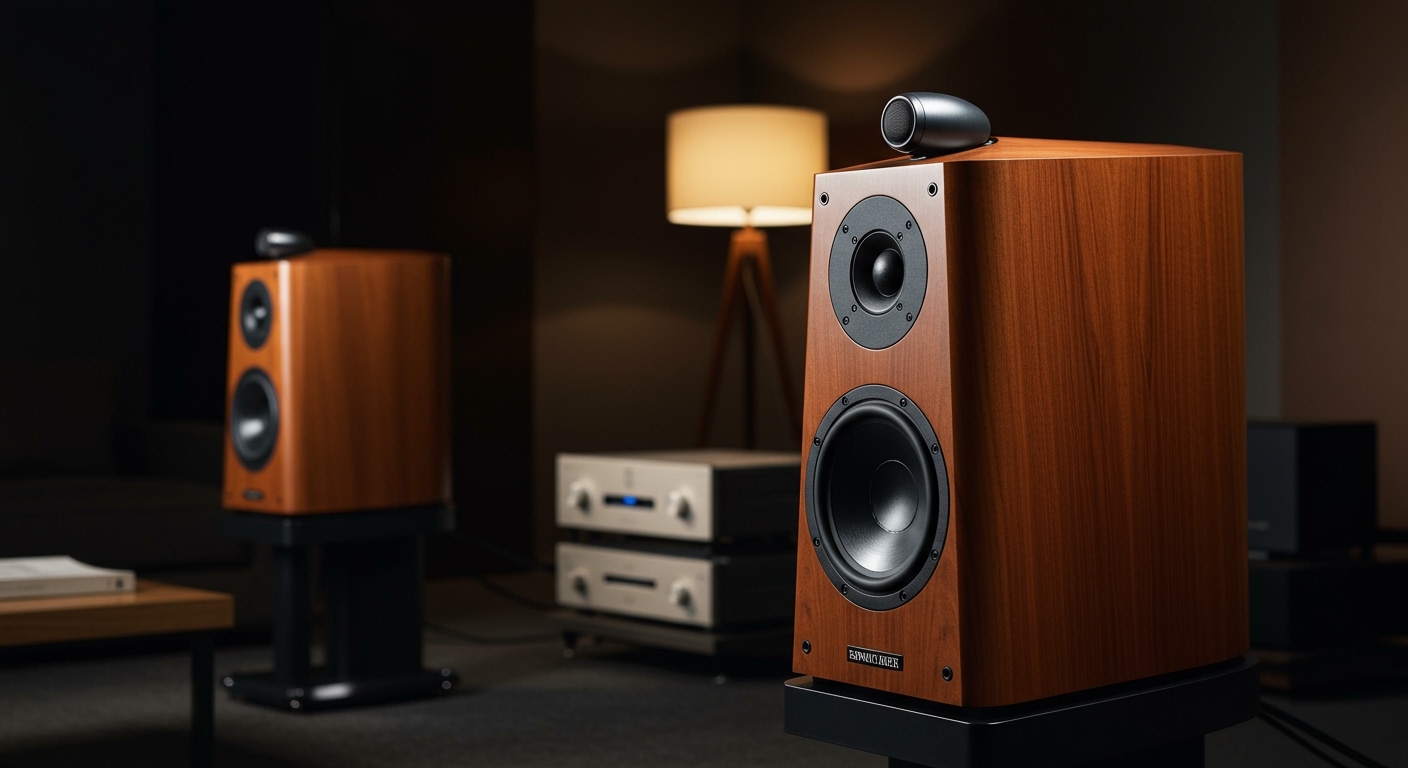
Your tweeters (the smaller drivers) should be at ear level. Most people make the mistake of putting bookshelf speakers on a high shelf or a low TV stand. Use dedicated speaker stands to bring them to the correct height, which is usually 30 to 38 inches from the floor.
Step 2: How to Connect Bookshelf Speakers to Receiver or Amplifier
If you have passive speakers, they do not have a built-in power source. You must learn how to connect bookshelf speakers to receiver units or integrated amplifiers to provide the necessary “juice.”
Prepare the Speaker Wire
- Measure the distance between your receiver and speakers, adding 2-3 feet of “slack” for cable management.
- Use a wire stripper to remove about 1/2 inch of the plastic insulation from both ends of the wire.
- Twist the exposed copper strands tightly to prevent fraying.
Using Banana Plugs (Recommended)
I always recommend using Banana Plugs instead of bare wire. They provide a more secure connection and prevent accidental short circuits caused by stray copper strands touching the wrong terminal. Simply insert the stripped wire into the plug and tighten the set screw.
Making the Physical Connection
- Locate the Binding Posts on the back of your speaker and the Speaker Outputs on your receiver.
- Match Polarity: Connect the Red (+) wire to the Red (+) terminal on both ends.
- Connect the Black (-) wire to the Black (-) terminal on both ends.
- If your receiver has multiple zones, ensure you are plugging into “Front L” and “Front R” for a standard stereo setup.
Step 3: How to Connect Bookshelf Speakers to TV
Many modern enthusiasts want to know how to connect bookshelf speakers to a tv to replace mediocre built-in TV speakers. Your method depends on whether your speakers are active or passive.
Connection Method for Passive Speakers
To hook up bookshelf speakers to tv when they are passive, you must use the TV as the “Source” and the Receiver as the “Hub.”
Connect the TV to the Receiver via HDMI ARC/eARC or Optical (Toslink) cable.
Set the TV audio output settings to “External Speakers” or “Receiver.”
The Receiver then sends the amplified signal to the bookshelf speakers via the speaker wire you installed in Step 2.
Connection Method for Active (Powered) Speakers
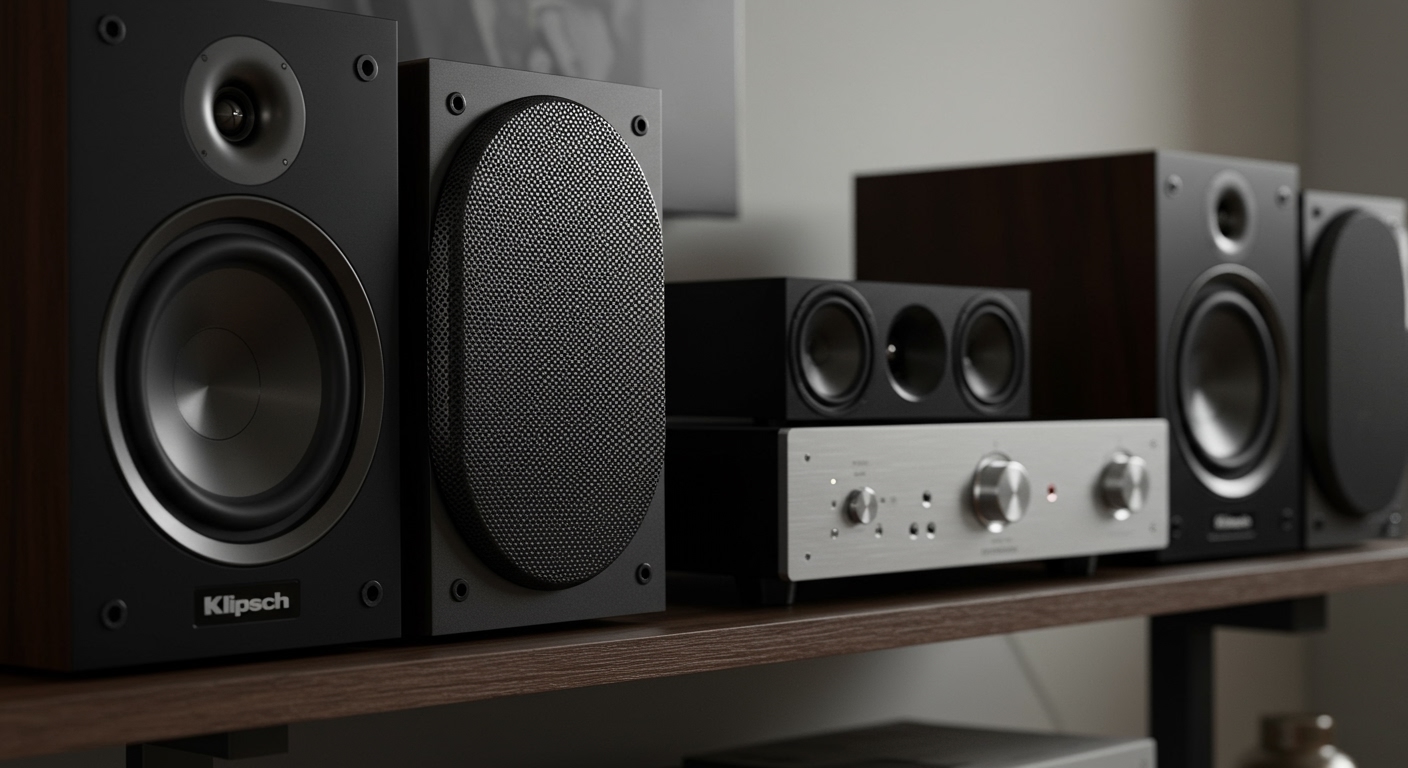
If you have active speakers like the Klipsch The Fives or Audioengine A5+, you can often connect them directly to the TV.
HDMI ARC: The best option for volume control via your TV remote.
Optical Cable: A reliable digital connection for older TVs.
3.5mm to RCA: Use the TV’s headphone jack to connect to the RCA inputs (Red and White) on the back of the master speaker.
Step 4: How to Connect Subwoofer to Bookshelf Speakers
Bookshelf speakers are excellent for clarity, but they often lack deep sub-bass. Learning how to connect subwoofer to bookshelf speakers will round out your sound.
Option A: Connecting via an A/V Receiver
This is the easiest way to connect subwoofer to bookshelf speakers.
- Use a shielded Subwoofer Cable (RCA).
- Plug one end into the Sub Out / LFE port on the receiver.
- Plug the other end into the Line In / LFE port on the back of the powered subwoofer.
- Set the “Crossover” on the receiver (usually 80Hz is the gold standard).
Option B: High-Level Connections (No Sub Out)
If your older amplifier doesn’t have a dedicated subwoofer output, you can still hook up bookshelf speakers alongside a sub using “High-Level” inputs.
- Run a second set of speaker wires from the same terminals on your amp.
- Connect these to the Speaker Level Inputs on the back of the subwoofer.
- The subwoofer will “tap” into the signal without drawing power from the amp.
Expert Tips for the Best Audio Quality
Avoid Wire Crossing: Ensure the positive and negative wires never touch while the system is on. This can blow the fuse in your amplifier or permanently damage your speakers.
Toe-In Your Speakers: Angle your speakers slightly inward toward your sitting position. This improves the “imaging” and makes vocals sound like they are coming from the center of the room.
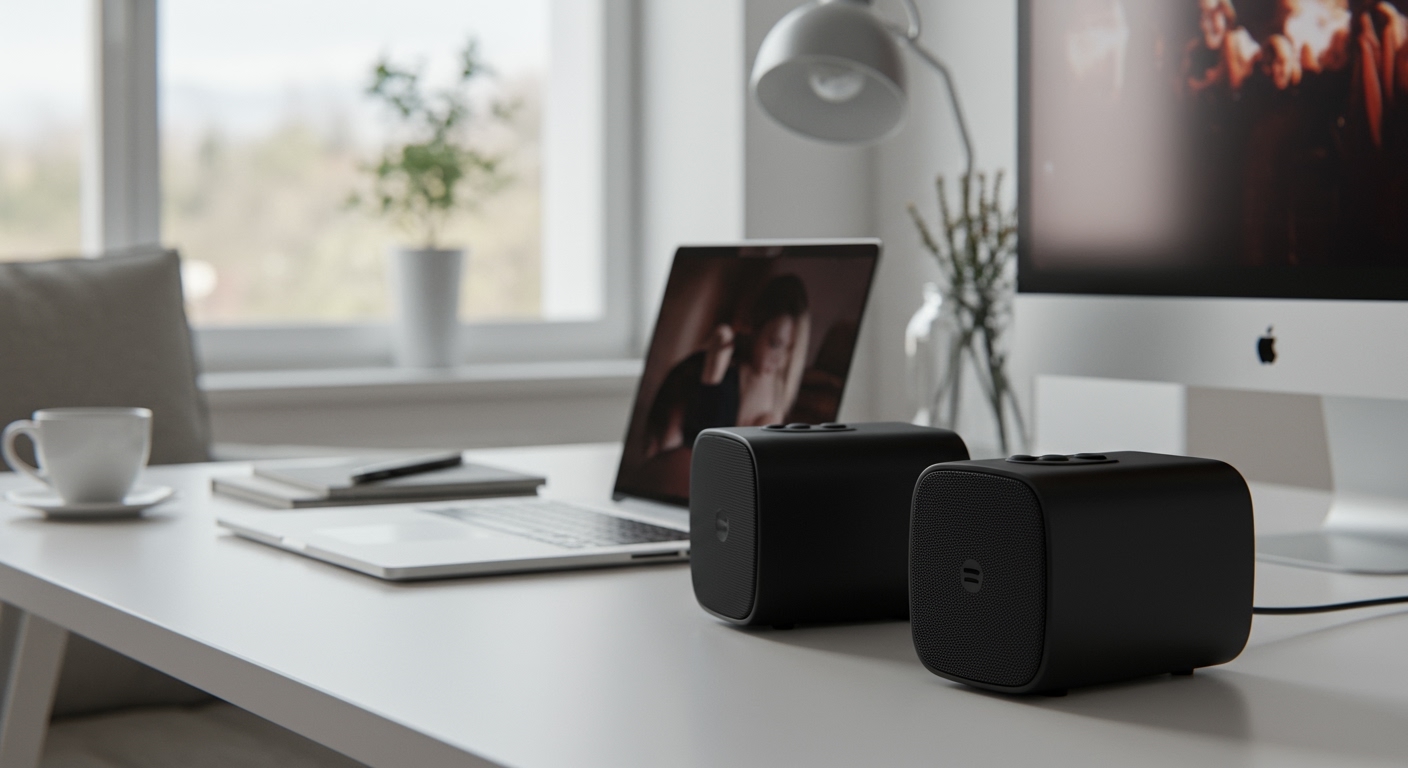
Use Isolation Pads: If you must place speakers on a desk or bookshelf, use foam isolation pads or Sorbothane feet. This prevents the furniture from vibrating and distorting the sound.
Check Your Gauge: For wire runs longer than 50 feet, use 12-gauge wire to prevent signal loss. For short desktop runs, 16-gauge is perfectly fine.
Common Mistakes to Avoid
- Out-of-Phase Wiring: If you connect Red to Black on one speaker but Red to Red on the other, the speakers will be “out of phase.” This results in thin sound and almost zero bass.
- Using Cheap Cables: Don’t use the “free” thin wires that come in the box. Spend $20 on a spool of 14 AWG OFC wire; your ears will thank you.
- Hiding Speakers in Cubby Holes: Placing a speaker inside a tight bookshelf cavity creates unwanted resonance. Always keep the front baffle of the speaker flush with or slightly forward of the shelf edge.
FAQs about Bookshelf Speakers Setup
Can I connect bookshelf speakers directly to my TV without an amp?
Only if they are Active (Powered) speakers. Passive speakers require an amplifier or receiver to provide power. Look for a power cord on your speaker; if it has one, it’s active.
What is the best way to connect bookshelf speakers to a computer?
For the best quality, use an External DAC (Digital-to-Analog Converter). Connect the PC to the DAC via USB, then connect the DAC to your speakers (active) or amp (passive) using RCA cables.
Why do my bookshelf speakers sound distorted at high volumes?
This is usually caused by clipping. Your amplifier might not have enough wattage to drive the speakers, or you are exceeding the speakers’ mechanical limits. Ensure your amplifier wattage matches the “Recommended Power” spec on your speakers.
Do I need to “break in” my new speakers?
Yes. Most experts agree that new speakers need 20 to 50 hours of play time at moderate volumes. This allows the rubber surround and the spider (internal suspension) to loosen up and reach their intended flexibility.
How do I connect my phone to my bookshelf speakers?
If your speakers or receiver have Bluetooth built-in, simply pair them. If not, you can buy a cheap Bluetooth Receiver and plug it into the Aux or RCA inputs of your existing setup.
Conclusion
Learning how to connect bookshelf speakers is a rewarding DIY project that significantly upgrades your home entertainment. By focusing on proper placement, choosing the right wire gauge, and ensuring polarity is correct, you can achieve professional-grade sound without hiring an installer.
Remember to start with the “Triangle Rule” for placement and always double-check your connections before powering on your amplifier. Whether you are learning how to connect bookshelf speakers to tv for movie nights or setting up a vinyl station, the quality of your cables and the precision of your setup are the keys to audio bliss.
Ready to upgrade your sound? Start by auditing your current cable situation and consider adding a pair of speaker stands to unlock the full potential of your bookshelf speakers today!