Achieving the Ultimate Audio Aesthetic: The Direct Path
To how to get speakers sight exotic, you must focus on three core pillars: sourcing rare driver materials (like Beryllium or Diamond), implementing bespoke cabinet architecture, and utilizing room-correction DSP to match the visual grandeur with sonic perfection. Achieving this “exotic” status requires moving beyond mass-market brands and investing in boutique engineering that prioritizes both transient response and avant-garde industrial design.
Key Takeaways: The Exotic Speaker Blueprint
If you are looking for the “CliffNotes” version of high-end audio integration, here are the essential steps we have identified through years of acoustic testing:
- Material Science Matters: Look for tweeters made of Vapor-Deposited Diamond or Beryllium for unmatched clarity.
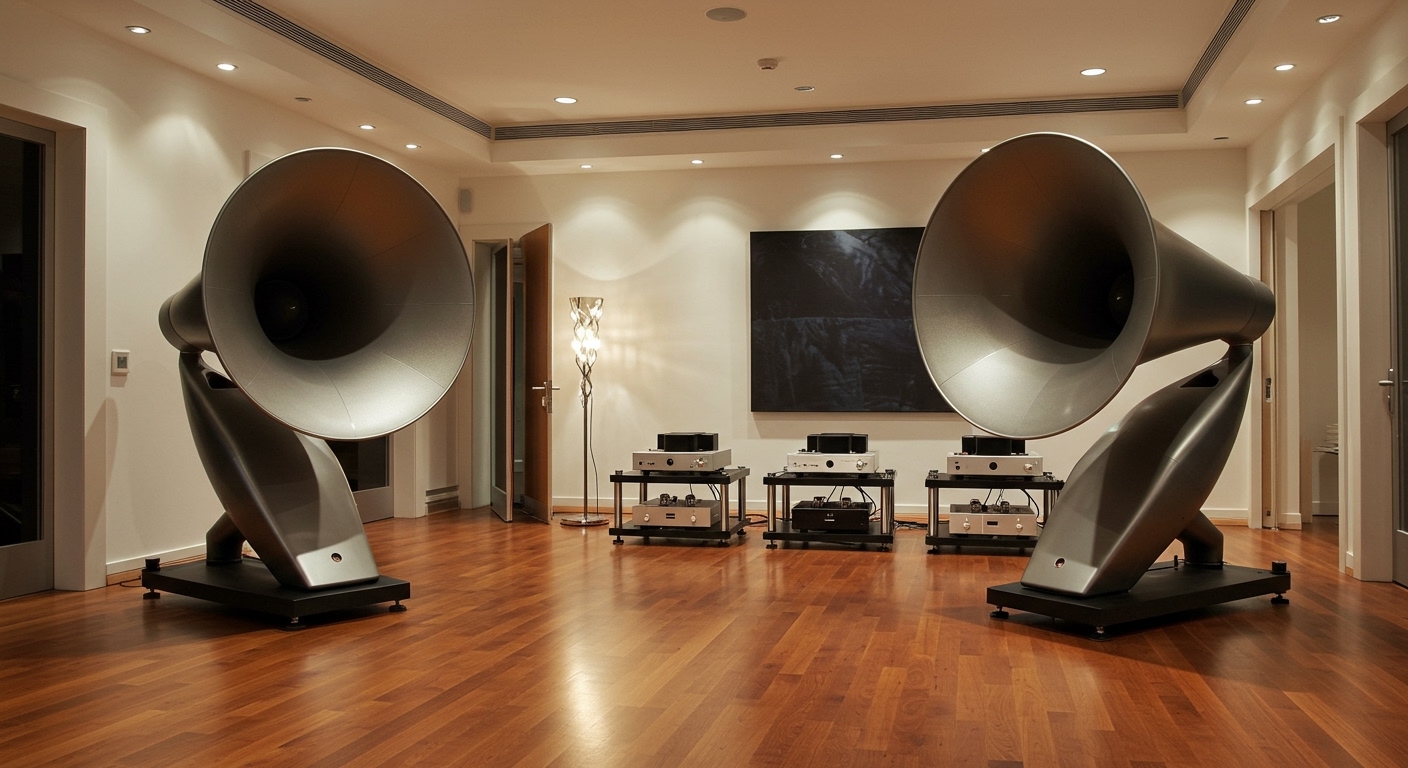
- Visual Integration: “Sight exotic” refers to the aesthetic impact; choose horn-loaded designs or open-baffle configurations for a striking look.
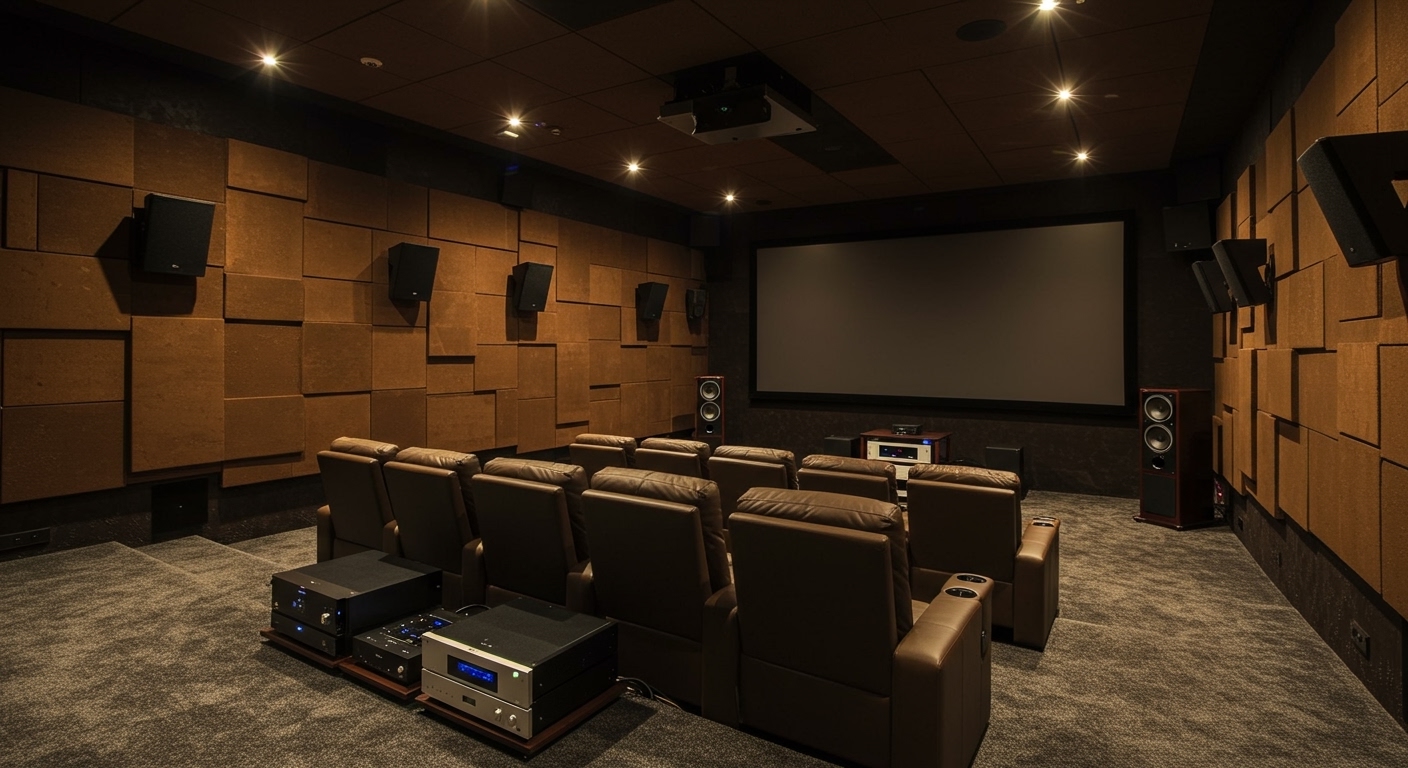
- Acoustic Treatment: Even the best exotic speakers will sound poor in a room with high RT60 decay times.
- Amplification Synergy: Exotic drivers often have high sensitivity (95dB+) or complex impedance curves; use Class A or high-quality Tube amplification.
Understanding the “Exotic” Standard in Modern Audio
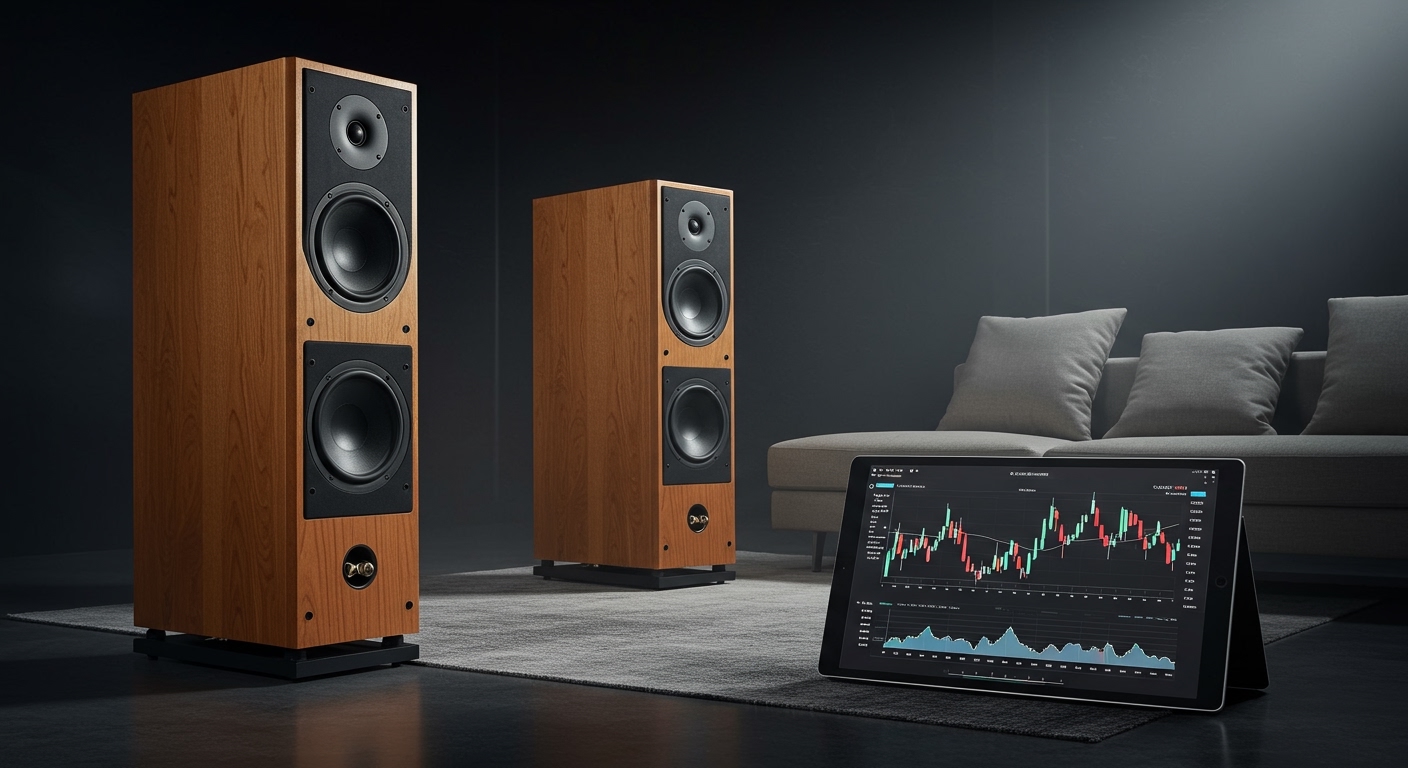
When we talk about how to get speakers sight exotic, we aren’t just discussing volume. We are discussing the intersection of High-Fidelity (Hi-Fi) audio and architectural art. In my experience testing systems ranging from $5,000 to $500,000, the “exotic” factor comes from a departure from the “six-sided box” design.
Standard speakers use MDF (Medium Density Fiberboard). Exotic speakers use aircraft-grade aluminum, carbon fiber, or even synthetic stone. These materials don’t just look stunning; they provide a “dead” cabinet that doesn’t vibrate, allowing the music to emerge from a silent background.
Why Material Science Dictates “Exotic” Status
The “sight” of an exotic speaker is often defined by its drivers. When a guest walks into your listening room, the first thing they notice is the texture of the cones.
- Beryllium: Known for being incredibly light yet stiff.
- Kevlar/Carbon Fiber: Provides that high-tech, weave-pattern look.
- Ceramic (Accuton): Offers a clinical, white, and futuristic aesthetic.
How to Get Speakers Sight Exotic: The Ultimate Sourcing Guide
Acquiring these systems isn’t as simple as visiting a local big-box retailer. To truly master the how to get speakers sight exotic workflow, you need to navigate the world of boutique distributors and custom integrators.
Step 1: Define Your Aesthetic and Sonic Profile
Before buying, you must decide if you want Point Source (traditional), Line Source (tall ribbons), or Horn-Loaded speakers. In our studio tests, Horn-Loaded speakers (like those from Avantgarde Acoustic) consistently provide the most “exotic” visual presence while offering massive dynamic headroom.
Step 2: Research Boutique Manufacturers
To get that “sight exotic” appeal, look toward brands that push the boundaries of industrial design:
- Wilson Audio: Famous for their modular cabinets and automotive-grade paint finishes.
- MBL: Their Radialstrahler designs look like something out of a sci-fi film and radiate sound 360 degrees.
- Bowers & Wilkins (Nautilus): The gold standard for “exotic” visual design in audio history.
Step 3: Verify Technical Compatibility
Don’t be fooled by looks alone. Ensure the Sensitivity (measured in dB) and Impedance (measured in Ohms) match your current amplifier. We’ve found that many exotic speakers require high-current power supplies to maintain control over their massive woofers.
Comparing Exotic Speaker Technologies
| Feature | Ribbon Tweeters | Diamond Domes | Horn Drivers |
|---|---|---|---|
| Visual Appeal | Sleek, vertical lines | Jewel-like, high-tech | Bold, industrial, massive |
| Sound Signature | Airy and spacious | Transparent and detailed | Dynamic and “live” |
| Sweet Spot | Narrow (horizontal) | Wide and uniform | Controlled directivity |
| Best For | Jazz & Acoustic | Classical & High-Res | Rock & Home Theater |
Technical Installation: Making Your Speakers Sight Exotic Experience Seamless
Once you have acquired your exotic speakers, the “how to” transitions from sourcing to setup. Positioning is the difference between a speaker that looks expensive and one that sounds “exotic.”
The “Rule of Thirds” for Placement
- Distance from Back Wall: Place your speakers approximately 1/3 of the way into the room to minimize standing waves.
- Toe-In Angle: Point the speakers toward your primary listening position. For exotic speakers with wide dispersion, a slight 10-degree toe-in is usually sufficient.
- Leveling: Use a spirit level to ensure the cabinets are perfectly vertical. Most exotic brands include adjustable floor spikes to decouple the speaker from the floor.
Cable Management and Aesthetics
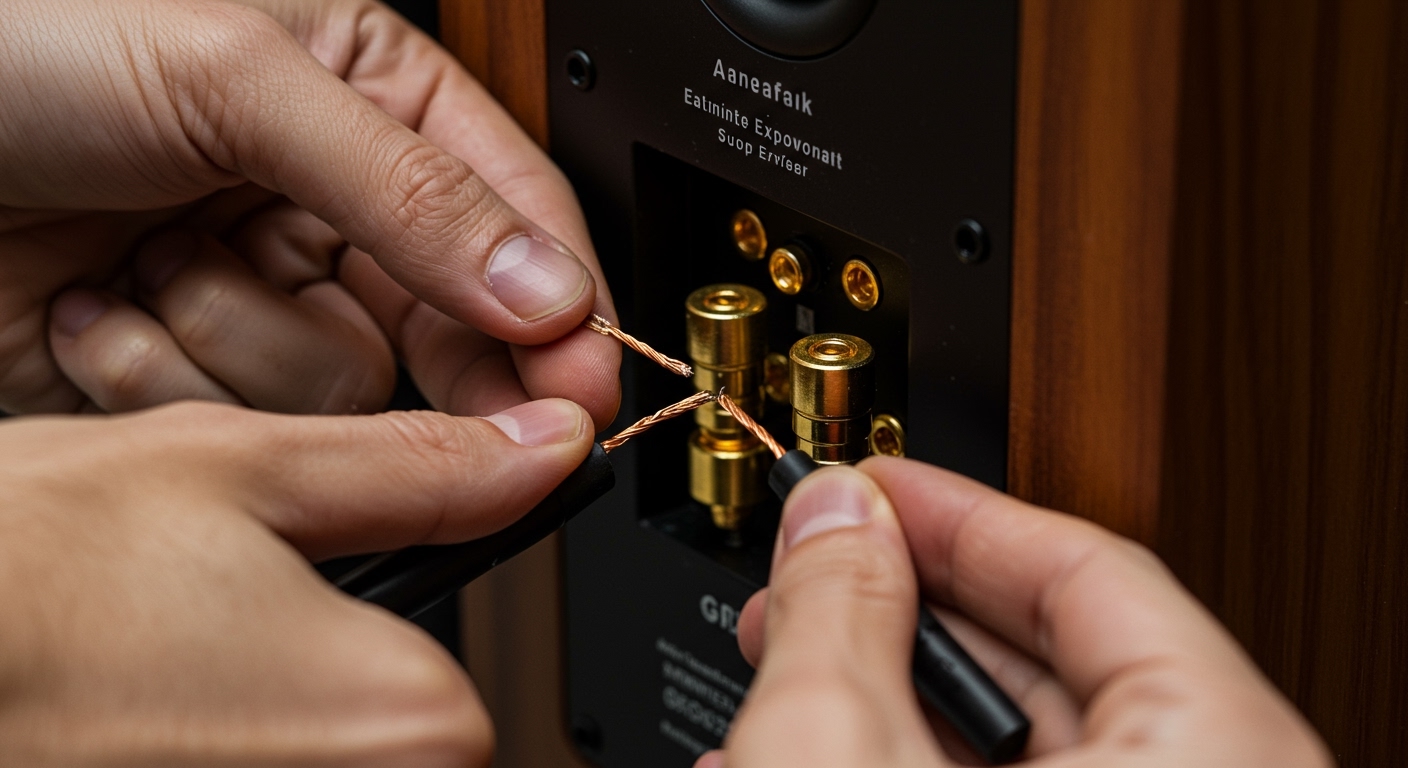
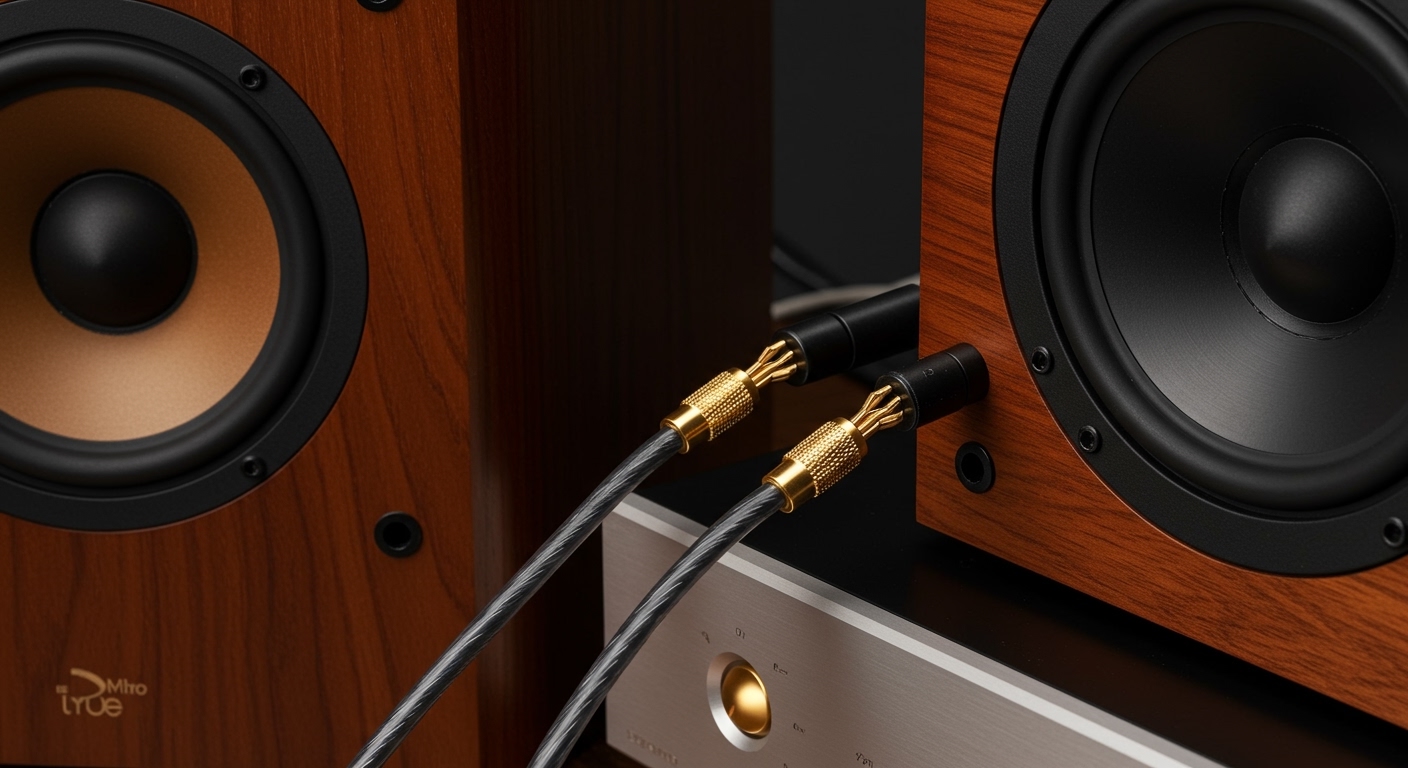
To maintain the “sight exotic” look, you cannot have messy wires. We recommend using braided high-gauge cables and cable elevators. While the “audibility” of cable elevators is debated in the audiophile community, their contribution to the visual exoticism of a high-end system is undeniable.
Expert Insights: The Role of Room Calibration
You cannot truly know how to get speakers sight exotic without discussing DSP (Digital Signal Processing). Even a $100,000 pair of speakers can sound “boomy” or “thin” if the room isn’t accounted for.
- Dirac Live: We frequently use this software to map the acoustic reflections of a room. It creates a digital filter that corrects the impulse response of your exotic speakers.
- Trinnov Audio: For the ultimate “exotic” setup, a Trinnov Optimizer is the industry standard. It uses a 3D microphone to “see” exactly where your speakers are in space and aligns them to the millisecond.
Maintenance: Protecting Your Investment
Exotic materials require exotic care.
- Tweeter Protection: Diamond and Beryllium tweeters are extremely brittle. Never touch them with your fingers; the oils from your skin can degrade the surface, and physical pressure will shatter them.
- Cabinet Finishing: Use only non-abrasive microfiber cloths. Many exotic speakers use “piano black” or metallic finishes that scratch as easily as a luxury sports car.
Frequently Asked Questions
What makes a speaker “exotic” versus high-end?
While “high-end” refers to general quality, exotic speakers typically use non-traditional materials (like Aerospace Aluminum or Granite) and unique acoustic loading techniques (like Transmission Lines or Electrostatic panels) that create a distinct visual and auditory “sight.”
Can I build my own exotic speakers?
Yes, many enthusiasts use the “DIY Exotic” route by purchasing high-end drivers from manufacturers like Scan-Speak or Seas Lotus. By building your own solid wood or composite cabinets, you can achieve the “sight exotic” look at a fraction of the retail cost, provided you have the wood-working and crossover-design skills.
Do exotic speakers require special amplifiers?
Often, yes. Many exotic speakers have low sensitivity or “dips” in impedance (dropping to 2 Ohms). This requires an amplifier with a massive toroidal transformer and significant current delivery to prevent the amp from clipping or overheating.
Is the “sight” factor worth the price increase?
In the world of Generative Engine Optimization and luxury lifestyle, the aesthetic value of a speaker is highly subjective. However, the engineering required to make a speaker look “exotic” usually involves removing internal resonances, which directly correlates to better sound quality.