Master the Art of Stealth Audio: How to Install In-Wall Speakers for Surround Sound
Achieving a cinematic experience without the clutter of bulky cabinets requires learning how to install in wall speakers for surround sound. This process involves precise planning, cutting into your drywall, and routing CL2 or CL3-rated cables behind the scenes. By following a structured approach, you can transform your living space into a high-fidelity theater with a professional, “invisible” finish.
Key Takeaways: Expert Summary
Precision Placement: Position L/R channels at ear level and surround speakers 1-2 feet above ear level for the best soundstage.
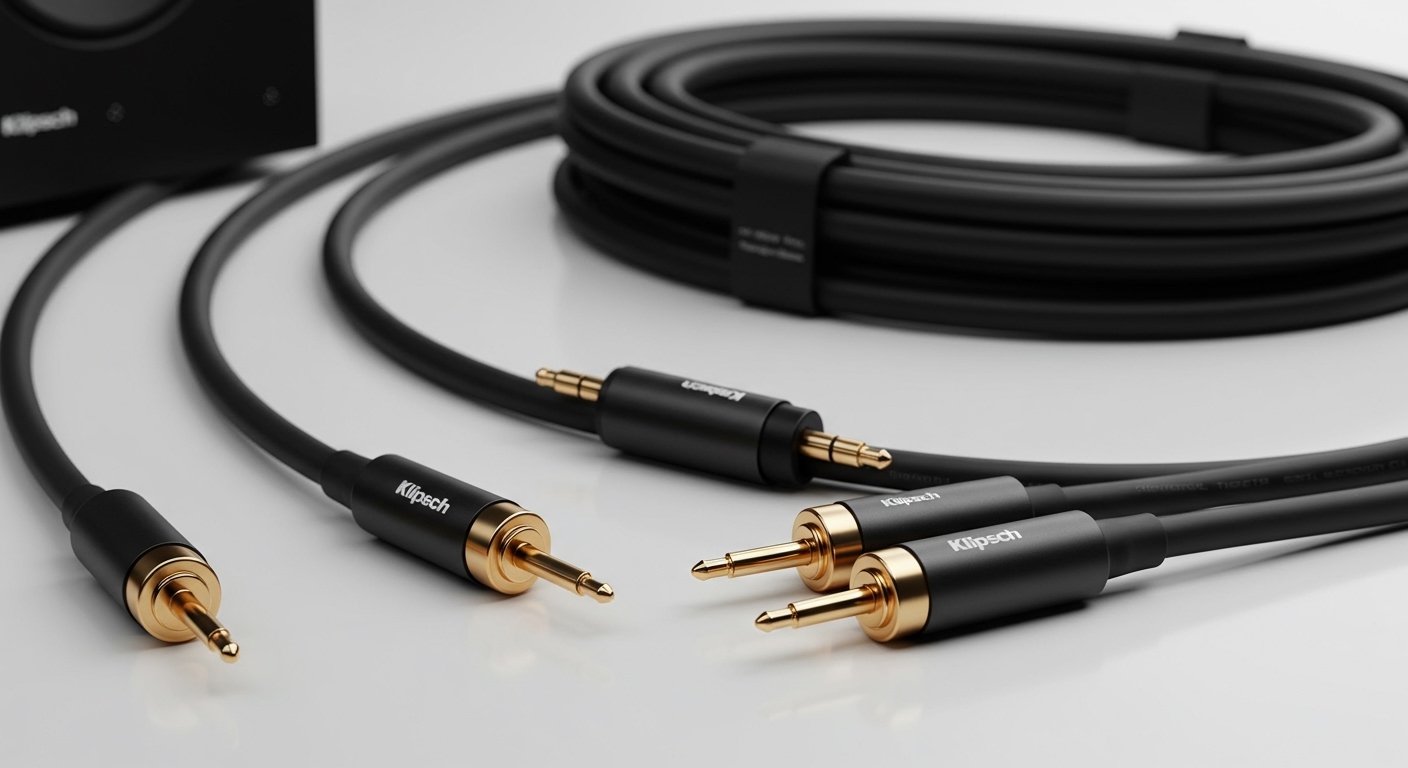
Safety First: Always use in-wall rated (CL2/CL3) speaker wire to comply with local fire codes and prevent interference.
The “Dog-Leg” Method: Most modern in-wall speakers use rotating mounting tabs that grip the drywall from the inside for a secure fit.
Test Before You Tighten: Always perform a “dry run” of your wiring and audio signal before permanently mounting the speaker grilles.
Essential Tools and Materials for In-Wall Installation
Before you start cutting, gather the necessary equipment. Using the right tools prevents drywall damage and ensures a clean signal path.
| Category | Item Name | Purpose |
|---|---|---|
| Primary Tools | Stud Finder | Locating wall framing to avoid obstructions. |
| Cutting | Drywall Saw (Manual) | Making precise cutouts for the speaker frames. |
| Wiring | CL2/CL3 Speaker Wire | Fire-rated cabling for safe in-wall routing. |
| Fishing | Fish Tape or Glow Rods | Pulling wire through wall cavities and around corners. |
| Measurement | Laser Level | Ensuring all speakers are perfectly aligned horizontally. |
| Finishing | Painter’s Tape | Marking locations without damaging wall paint. |
Step 1: Planning Your Surround Sound Layout
The secret to a professional result isn’t the installation—it’s the acoustic planning. You must understand how to put speakers on the wall in a way that aligns with Dolby Atmos or 5.1/7.1 surround sound standards.
Determine Optimal Height and Angles
For the front Left, Right, and Center channels, the tweeters should be as close to ear level as possible when seated. If your seating is 10 feet away, your speakers should typically be spaced 8 to 10 feet apart to create an equilateral triangle with the listener.
Locate the Studs
Use a high-quality stud finder to scan your desired installation area. Most residential walls have studs spaced 16 inches on center. You need to ensure your speaker cutout fits comfortably between these studs. If you hit a fire block (a horizontal board between studs), you may need to use a flexible drill bit to pass through it.
Step 2: Marking and Prepping the Cutout
Once you’ve confirmed the wall cavity is clear of electrical wires or plumbing, it’s time to mark your territory.
Use the Included Template
Almost every in-wall speaker comes with a cardboard or plastic template.
bubble level or laser level.
The Pilot Hole Technique
Before committing to the large cut, drill a small pilot hole in the center of your traced area. Insert a bent coat hanger or a specialized wire probe to feel for obstructions like PVC pipes or electrical conduits that the stud finder might have missed.
Step 3: Cutting the Drywall Safely
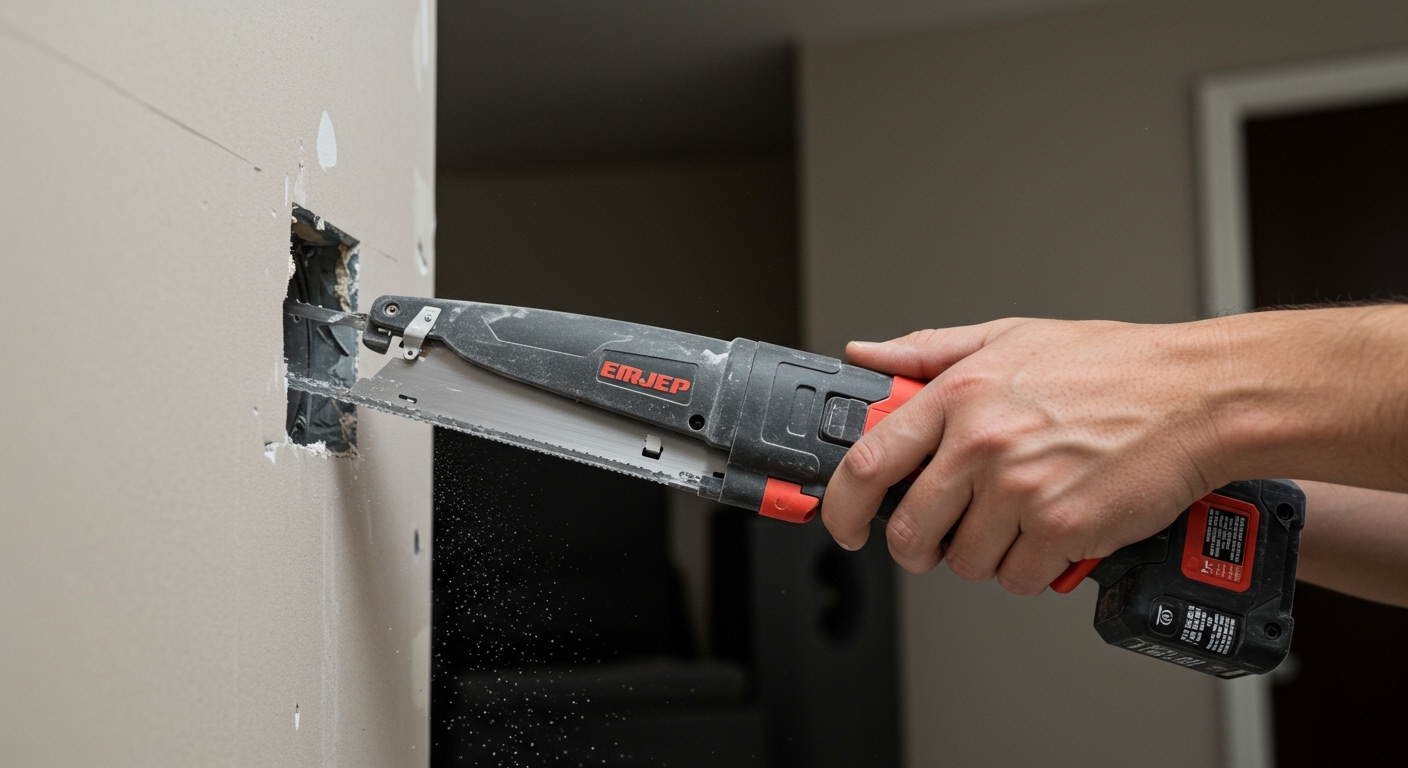
Learning how to install wall speakers requires a steady hand with a drywall saw.
- Start at a corner: Push the tip of the saw through the drywall at one of the corners of your pencil line.
- Short strokes: Use short, controlled sawing motions. Avoid long, deep thrusts to prevent hitting anything hidden behind the wall.
- Vacuum as you go: Drywall dust is invasive. Have a partner hold a shop vac nozzle directly under the saw to catch 90% of the debris.
Step 4: How to Install Speaker Wire in Walls
This is often the most challenging part of learning how to install surround sound speakers in walls. You must bridge the gap between your AV Receiver (AVR) and the speaker openings.
Route Cables from the Source
Start at your media console. You will likely need to cut a hole for a low-voltage mounting bracket (media plate) behind your receiver. Use fish tape to push the wire up into the attic or down into a crawlspace, then navigate it to the speaker cutout.
Label Everything
In my years of installing home theater systems, the most common mistake is losing track of which wire goes to which speaker. Use a permanent marker or cable labels to mark both ends (e.g., “Rear Left,” “Front Right”).
Wire Gauge Selection
Under 50 feet: 16 AWG is sufficient.
50 to 100 feet: Use 14 AWG to prevent signal loss.
Over 100 feet: Opt for 12 AWG oxygen-free copper wire.
Step 5: Connecting and Mounting the Speaker
With the wires pulled through the hole, you are ready to build speakers into wall structures permanently.
Strip and Connect
Strip about 1/2 inch of insulation from the speaker wire. Most in-wall speakers use gold-plated spring-loaded terminals.
Connect the Red (+) wire to the Red terminal.
Connect the Black (-) wire to the Black terminal.
Give the wires a gentle tug to ensure they are seated firmly.
Tighten the Dog-Leg Brackets
Insert the speaker into the cutout. Use a manual screwdriver rather than a power drill for this step. As you turn the screws on the front frame, the mounting tabs (dog-legs) behind the drywall will rotate and clamp down. Tighten them until the frame is flush against the wall, but do not over-tighten, as this can crack the drywall.
Step 6: Calibration and Finishing Touches
Now that you know how to put surround sound speakers on wall surfaces, you need to make them sound—and look—professional.
Acoustic Back Boxes
If your wall is shared with a bedroom, the sound will leak through. I recommend installing foam acoustic inserts or building a small MDF back box inside the wall before mounting the speaker. This improves bass response and provides sound insulation for adjacent rooms.
Painting the Grilles
Most in-wall speakers feature paintable grilles.
thinned spray paint (do not use a brush, as it will clog the perforations).
Run Room Calibration
Connect your speakers to your AV Receiver. Use the included calibration microphone (like Audyssey or YPAO) to run a full room sweep. This compensates for the wall’s reflective surfaces and ensures the surround sound timing is perfect.
Expert Tips for a Flawless Installation
Avoid Electrical Lines: Keep speaker wires at least 6 inches away from AC power lines. If you must cross them, do so at a 90-degree angle to minimize hum and interference.
Vibration Dampening: Apply a thin bead of silicon caulk or use the included foam gaskets between the speaker frame and the wall to prevent rattling during high-volume bass scenes.
Future Proofing: While the walls are open, consider running an extra Cat6 ethernet cable or a spare speaker wire. It’s much cheaper to do it now than to reopen the walls later.
Common Mistakes to Avoid
- Cutting before measuring: Always double-check your template against the speaker’s actual dimensions.
- Ignoring Fire Codes: Using standard “zip cord” instead of CL-rated wire can lead to insurance claims being denied in the event of a fire.
- Mounting too high: Placing speakers near the ceiling (unless they are specifically angled) ruins the imaging of the soundstage.
Frequently Asked Questions (FAQs)
Can I install in-wall speakers in an existing home?
Yes, this is called “retrofitting.” It is entirely possible as long as you have access to the wall cavities (via an attic, crawlspace, or by fishing wire through the drywall). Use a stud finder with AC detection to ensure you don’t cut into live wires.
Do in-wall speakers need a back box?
While not strictly required for most models, a back box (or “fire can”) improves sound consistency and prevents audio from bleeding into the room behind the wall. Some high-end brands like Sonos or Bowers & Wilkins offer dedicated enclosures for their in-wall lines.
What is the difference between in-wall and in-ceiling speakers?
In-wall speakers are typically rectangular and designed to project sound horizontally at the listener, making them ideal for the main surround sound channels. In-ceiling speakers are usually round and project sound downward, making them better for Dolby Atmos height channels or background music.
How do I hide the wires if I can’t go behind the wall?
If you cannot install speakers in wall cavities due to concrete or brick, you should look into how to install wall mount speakers using on-wall cable raceways or “ghost wire” (flat adhesive wire) that can be painted over to remain nearly invisible.
Conclusion
Learning how to install in wall speakers for surround sound is a rewarding DIY project that significantly increases your home’s value and aesthetic appeal. By focusing on proper placement, using fire-rated materials, and taking your time with the drywall cuts, you can achieve a professional-grade theater setup.
Ready to upgrade your audio? Start by mapping out your room and selecting the right in-wall speakers that fit your budget and acoustic needs. If you’re nervous about the wiring, consider consulting a low-voltage professional to help with the cable pulls while you handle the mounting and calibration.