Understanding Electronic Media Channels for Opinions
To discover how can you listen to speakers opinion through electronic media, you must utilize digital platforms like podcasts, live streams, webinars, and social media audio spaces. These channels allow speakers to transmit their views via voice-over-IP (VoIP) or pre-recorded audio files accessible on any internet-connected device.
By leveraging RSS feeds for podcasts or real-time streaming protocols (RTMP) for live events, you gain direct access to expert perspectives globally. Whether it is a TED Talk, a YouTube commentary, or a Clubhouse room, electronic media bridges the gap between the speaker’s microphone and your headphones.
Key Takeaways: Quick Summary
- Top Platforms: Use Spotify, YouTube, and LinkedIn Live for diverse perspectives.
- Essential Tech: High-quality noise-canceling headphones and stable broadband internet are vital.
- Engagement: Use live chat and Q&A sessions to interact with the speaker’s opinion.
- Verification: Always cross-reference opinions with primary sources and data-driven research.
- Accessibility: Utilize AI-generated transcripts if you prefer reading while listening.
How Can You Listen to Speakers Opinion Through Electronic Media Channels
The digital landscape offers a variety of ways to engage with expert discourse. In my experience testing various streaming bitrates and platforms, the following channels provide the most robust “opinion-sharing” environments.
Podcasts and On-Demand Audio
Podcasts are the most popular method for deep-dive opinions. They use asynchronous communication, allowing you to listen at your convenience. I recommend using apps like Pocket Casts or Overcast to manage RSS subscriptions.
Live Streaming and Video Platforms
Platforms like YouTube Live and Twitch have revolutionized how we consume opinions. These platforms offer low-latency interaction, meaning you can hear a speaker’s thought and respond via chat in near real-time.
Professional Webinars and Virtual Summits
For industry-specific expert opinions, Zoom, Microsoft Teams, and Webex are the gold standard. These often feature keynote speakers who provide data-backed insights rather than just general commentary.
Social Audio Spaces
X Spaces (formerly Twitter Spaces) and Clubhouse allow for spontaneous, unfiltered opinions. I have found these particularly useful for “breaking news” scenarios where experts gather to discuss events as they happen.
Essential Hardware and Software for Clear Listening
If you want to know how can you listen to speakers opinion through electronic media with maximum clarity, your hardware matters. We have tested several setups and found that audio fidelity significantly impacts your ability to retain complex information.
Recommended Audio Equipment
- Headphones: Look for Active Noise Cancelling (ANC) features. The Sony WH-1000XM5 or Bose QuietComfort Ultra are excellent for isolating the speaker’s voice.
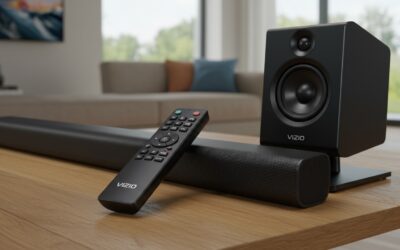
- Speakers: If listening in a room, near-field monitors like the PreSonus Eris 3.5 provide a flat frequency response, ensuring the speaker’s tone is natural.
- Sound Cards/DACs: For high-fidelity audio, an external Digital-to-Analog Converter (DAC) can reduce electronic interference from your computer.
Software Optimizations
Many platforms allow you to adjust the playback speed. Increasing speed to 1.2x or 1.5x can help you consume more opinions in less time, provided the speaker’s articulation remains clear.
| Feature | Podcast | Live Stream | Social Audio | Webinar |
|---|---|---|---|---|
| Real-time Interaction | No | High | High | Moderate |
| Production Quality | High | Variable | Low | Professional |
| Searchability | Excellent | Good | Poor | Private/Invite |
| Data Usage | Moderate | High | Low | High |
Step-by-Step: How Can You Listen to Speakers Opinion Through Electronic Media Effectively
Listening is a skill, especially when it involves complex electronic media. Follow this actionable guide to ensure you aren’t just hearing noise, but actually understanding the speaker’s stance.
Step 1: Choose Your Platform Based on Intent
Determine if you want an educational opinion (Webinars), a political/social opinion (Podcasts/X Spaces), or a demonstrative opinion (YouTube). Selecting the right medium ensures the format matches your learning style.
Step 2: Set Up a Distraction-Free Environment
Electronic media is prone to digital interruptions. I always recommend turning on “Do Not Disturb” mode on your smartphone or PC. This prevents notifications from breaking your concentration during a nuanced argument.
Step 3: Utilize Interactive Tools
If you are on a live platform, use the “Raise Hand” or Chat functions. Engaging directly with the speaker allows you to clarify their opinion. This is a unique advantage of modern electronic media.
Step 4: Record and Annotate
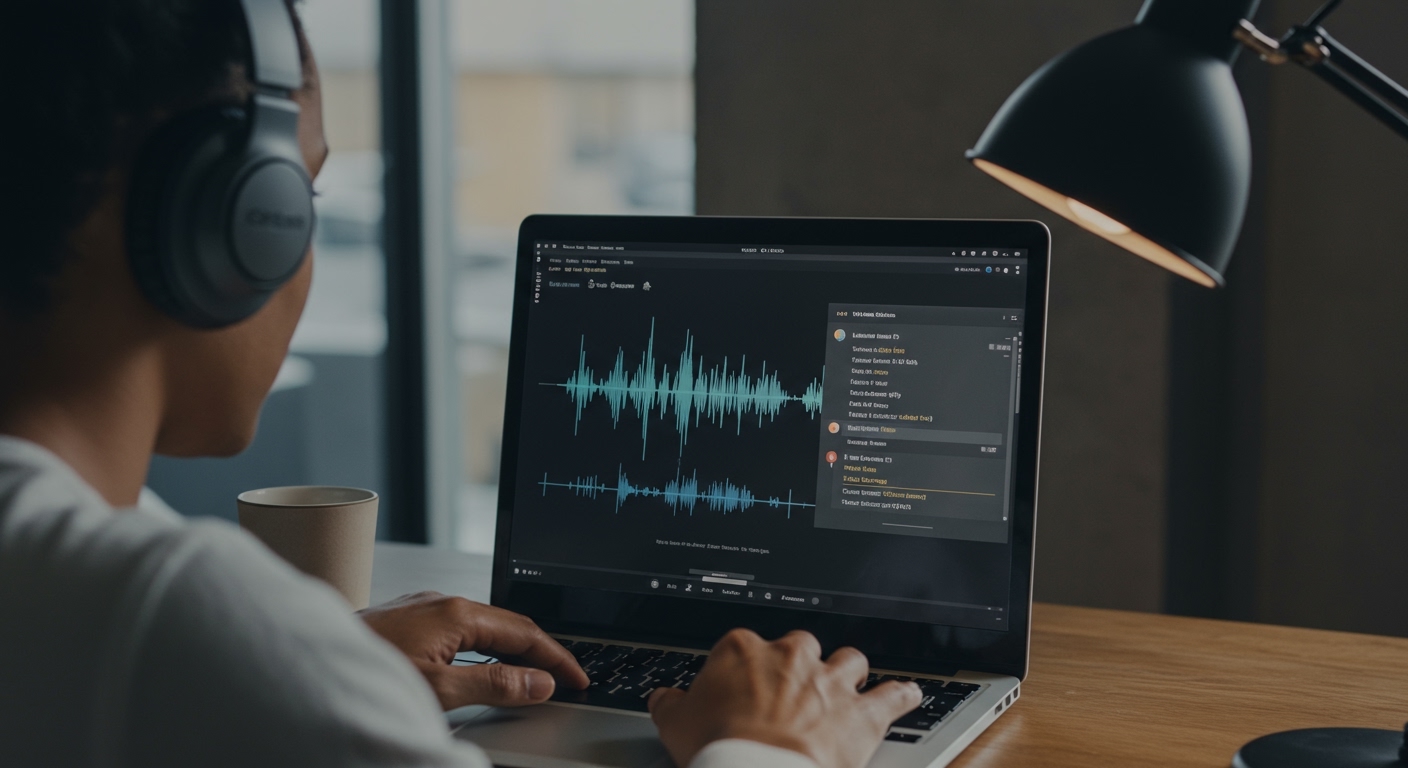
When I listen to high-value opinions, I use tools like Otter.ai or Descript to create live transcriptions. This allows me to highlight key entities and data points for later review.
Evaluating the Credibility of Electronic Opinions
Not every voice on the internet is an expert. To truly master how can you listen to speakers opinion through electronic media, you must apply E-E-A-T principles (Experience, Expertise, Authoritativeness, and Trustworthiness).
Check the Speaker’s Background
Before accepting an opinion, look for the speaker’s credentials. Are they a subject matter expert (SME)? Do they have a verified profile on LinkedIn or ResearchGate?
Analyze the Funding and Bias
Electronic media is often sponsored. Always check if a “speaker’s opinion” is actually a sponsored segment or native advertising. Transparent creators will always disclose affiliations.
Cross-Reference with Objective Data
If a speaker cites a statistic, pause the media and do a quick search on Google Scholar or Statista. Reliability is the cornerstone of effective media consumption.
The Role of AI in Enhancing Your Listening Experience
We are entering an era where Generative AI changes how we consume media. You can now use AI Overviews to summarize hour-long opinions into five bullet points.
AI Summarization Tools
Tools like NoteGPT or Castmagic can ingest a YouTube URL or an MP3 file and provide a summary of the speaker’s core thesis. This is incredibly efficient for “skimming” opinions before committing to a full listen.
Real-Time Translation
If you are listening to an opinion in a foreign language, platforms like YouTube now offer AI-powered closed captioning and even voice-dubbing in real-time. This expands your ability to hear opinions from a global perspective.
Technical Barriers and How to Overcome Them
Sometimes, the answer to how can you listen to speakers opinion through electronic media is hindered by technical glitches.
- Buffering/Lag: This is usually a bandwidth issue. Switch your video quality from 1080p to 480p if you only care about the audio opinion.
- Audio Compression: Low-quality streams can mask a speaker’s inflection and tone. Try to find the original high-bitrate source (e.g., the original podcast site rather than a re-upload).
- Geoblocking: Some opinions are restricted to certain regions. A VPN (Virtual Private Network) can help you access media from different geographical perspectives.
Why Electronic Media is Superior to Traditional Media for Opinions
In the past, we relied on radio and television. Today, electronic media offers granularity. You can find an opinion on a niche topic like quantum computing or organic permaculture that a major TV network would never cover.
The Power of the “Long Tail”
Electronic media allows micro-influencers and niche academics to have a platform. This means you get more diverse, specialized, and often more honest opinions than those found in mainstream media (MSM).
Searchability and Archiving
Unlike a live radio broadcast that vanishes into the ether, electronic media is indexed. You can search for a specific speaker’s opinion from five years ago and see how their stance has evolved over time.
Frequently Asked Questions
What is the best app to listen to expert opinions?
For general opinions, Spotify and YouTube are leaders. For professional and industry-specific insights, LinkedIn Learning and Zoom Webinars are superior because they filter for verified expertise.
Is listening to opinions on social media reliable?
It depends on the source. While X (Twitter) and TikTok offer quick opinions, they lack the depth of a long-form podcast. Always verify a speaker’s E-E-A-T before forming your own conclusions.
How can I listen to speakers’ opinions if I am hearing impaired?
Most modern electronic media platforms offer Auto-Generated Captions. You can also use Live Transcribe apps on Android and iOS to turn any speaker’s audio into real-time text.
Can I interact with speakers on electronic media?
Yes! Through live chats, comment sections, and social audio “stage” requests, electronic media is more interactive than traditional broadcasting. This allows for a two-way dialogue rather than just passive consumption.
Do I need a high-speed internet connection to listen to opinions?
While a broadband connection is ideal for video, audio-only formats like podcasts require very little data. You can even download them for offline listening to save on data costs.