Mastering the Build: How to Make Door Panels for Speakers
To how to make door panels for speakers, you must first create a precision template using MDF or Birch plywood, cut out the driver mounting holes, and secure a rigid baffle ring to support the speaker’s weight and vibration. After framing the structure, you finish the panel by applying high-quality upholstery or vinyl wrap using industrial-grade contact cement to ensure a factory-look finish. This process creates a stable, non-resonant environment that significantly improves mid-bass response and overall sound clarity in your vehicle.
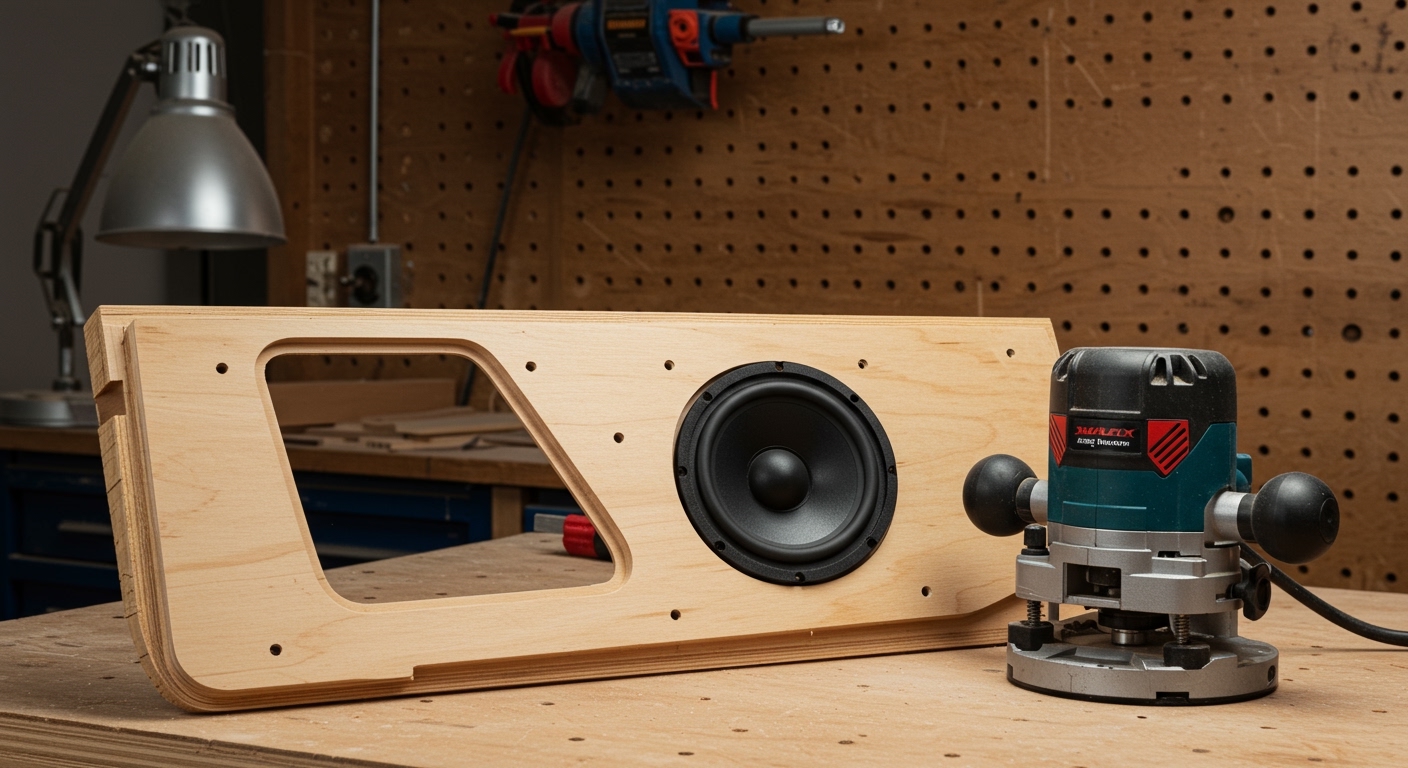
🚀 TL;DR: Quick Guide to Custom Speaker Panels
- Best Material: Use Birch Plywood or PVC sheets for moisture resistance; avoid standard MDF in high-humidity areas.
- Key Tool: A Router with a Circle Guide is essential for perfectly round speaker cutouts.
- Sound Quality Tip: Always apply Butyl-based sound deadening behind the panel to eliminate “door rattle.”
- Finish Style: Marine-grade vinyl provides the best balance of durability and aesthetic flexibility for custom builds.
- Expert Secret: Use T-nuts instead of wood screws for mounting speakers to ensure they never strip out over time.
Why Custom Speaker Panels are Essential for High-Fidelity Audio
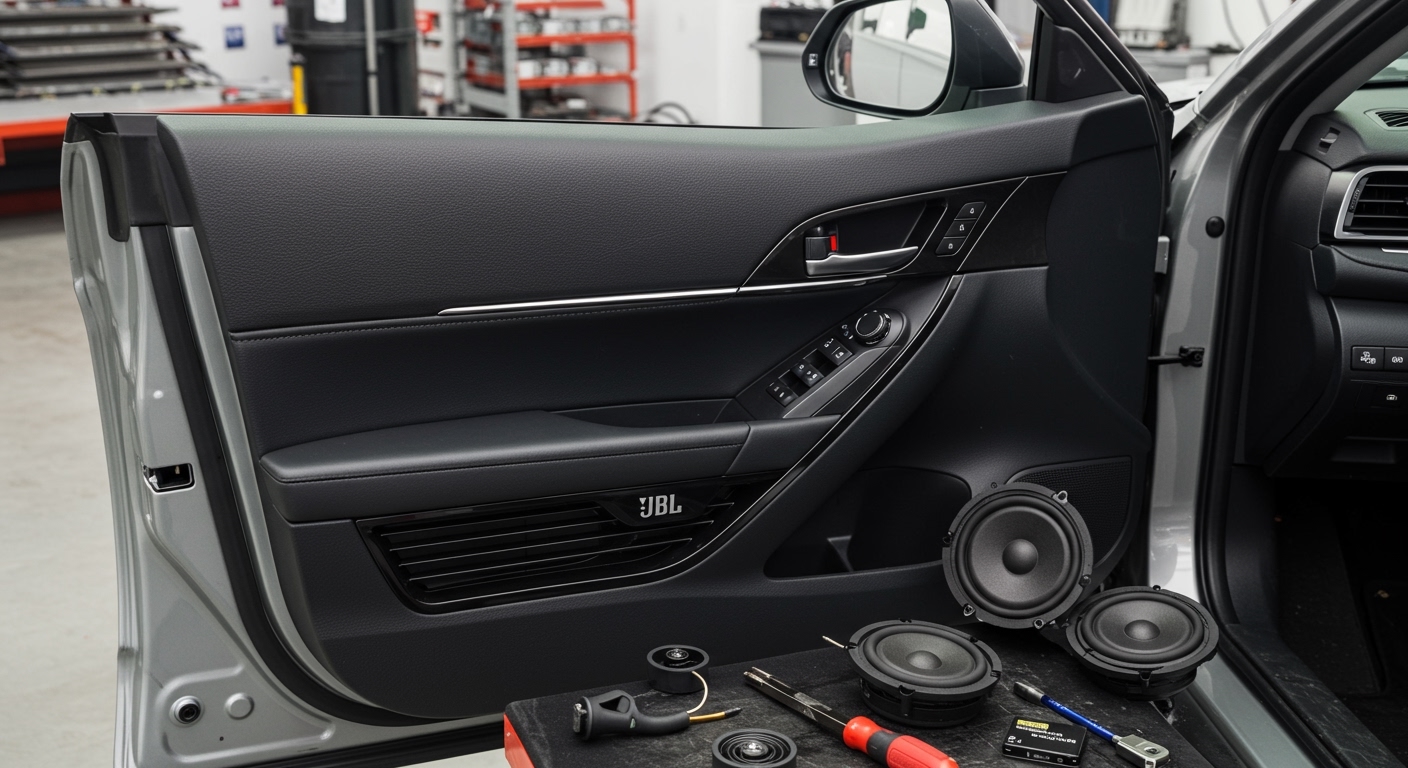
When I first started in car audio fabrication, I realized that even the most expensive Focal or JL Audio speakers sound mediocre if they are mounted to a flimsy, vibrating plastic door card. Factory door panels are designed for cost, not for acoustic performance. By learning how to make door panels for speakers, you bridge the gap between “standard sound” and a true “concert hall” experience.
Custom panels provide a rigid mounting surface, which is critical for mid-bass impact. If your speaker moves but the panel it is attached to moves as well, you lose energy. This energy loss manifests as “muddy” bass. A well-built panel ensures that 100% of the speaker’s excursion is converted into sound waves rather than panel vibrations.
Required Materials and Tools for Fabrication
Before we dive into the step-by-step process of how to make door panels for speakers, you need to gather the right arsenal. We have tested dozens of combinations, and these are the industry standards for a professional-grade result.
Core Materials
- Mounting Substrate: 3/4-inch MDF (Medium Density Fiberboard) or 1/2-inch Baltic Birch Plywood.
- Finishing Fabric: 4-way stretch vinyl or Automotive-grade carpet.
- Adhesives: Landaus Top and Trim contact cement (or 3M 90 high-strength spray).
- Hardware: Stainless steel bolts, T-nuts, and closed-cell foam (CCF) for gaskets.
Essential Tools
| Tool | Purpose | Expert Tip |
|---|---|---|
| Plunge Router | Cutting perfect circles | Use a Jasper Circle Jig for 1/16″ accuracy. |
| Jigsaw | Rough cutting the panel shape | Use a fine-tooth blade to prevent wood splintering. |
| Digital Caliper | Measuring speaker mounting depth | Essential for clearing window tracks. |
| Pneumatic Stapler | Securing upholstery | Use stainless steel staples to prevent rust. |
| Heat Gun | Molding vinyl around curves | Keep it moving to avoid burning the material. |
Step 1: Planning and Measuring Your Speaker Layout
The most common mistake when learning how to make door panels for speakers is failing to check for mechanical interference. Before cutting any wood, you must roll the window all the way down.
- Measure Depth: Use your Digital Caliper to measure the distance from the door metal to the window glass. This is your “Maximum Mounting Depth.”
- Check Clearances: Ensure the new speaker location won’t hit your legs, the dashboard when the door is closed, or the seat bolsters.
- Create a Cardboard Mockup: Always trace your door’s profile onto cardboard first. It is much cheaper to make a mistake on cardboard than on a $50 sheet of Birch.
Step 2: Creating the Master Template
Once your mockup is perfect, transfer the design to your wood substrate. I personally prefer Baltic Birch because it holds screws better than MDF and is more resistant to the moisture that naturally builds up inside car doors.
Cutting the Base Shape
Place your cardboard template onto the wood and trace it with a fine-point marker. Use your Jigsaw to cut the outer perimeter. If you are making two identical panels (for driver and passenger sides), use a flush-trim router bit to copy the first panel onto the second. This ensures perfect symmetry.
Routing the Speaker Holes
Using your Plunge Router and a Circle Jig:
- Find the center point of your speaker location.
- Set the jig to the “cutout diameter” specified in your speaker’s manual.
- Cut through the wood in multiple passes (about 1/4″ deep per pass) to prevent the bit from overheating.
Step 3: Fabricating Speaker Baffles and Rings
A “baffle” is the ring that the speaker actually screws into. For the best results in how to make door panels for speakers, we often “stack” rings to bring the speaker closer to the door grill.
- The Flush Mount Look: Use a Rabbeting Bit on your router to create a recessed lip. This allows the speaker to sit “flush” with the wood, making it look integrated rather than “bolted on.”
- The Angled Pod: If you want to improve “imaging” (the direction of the sound), you can use small wooden dowels to angle the speaker ring toward the listeners’ ears before filling the gaps with fiberglass resin or body filler.
Step 4: Applying Sound Deadening and Sealing
The secret to why some custom panels sound better than others isn’t the wood—it’s the seal. If air leaks from the front of the speaker to the back, you get phase cancellation, which kills your bass.
- Layer the Door: Apply a layer of Butyl rubber sound deadener (like Dynamat Extreme or SoundKAr) directly to the metal door skin.
- The Foam Gasket: Place a strip of Closed-Cell Foam (CCF) between the wood panel and the metal door.
- Speaker Rings: Use Fast Rings (foam rings) around the front of the speaker to duct the sound through the factory grill without it leaking into the door cavity.
Step 5: Upholstery and Final Finishing
This is where your project goes from “DIY project” to “Professional build.” If you are wondering how to make door panels for speakers look like they came from the factory, the secret is in the glue.
The Wrapping Process
- Sanding: Sand the wood surface with 80-grit sandpaper. Any bump in the wood will show through the vinyl.
- Glue Application: Apply Contact Cement to both the wood and the back of the vinyl. Wait until it is “tacky” (usually 5-10 minutes) before joining them.
- The Stretch: Work from the center outward. Use a Heat Gun to soften the vinyl as you pull it around corners.
- Stapling: Flip the panel over and use a Pneumatic Stapler to secure the edges on the backside.
Comparison: Choosing the Best Substrate
| Material | Durability | Ease of Use | Cost | Best For… |
|---|---|---|---|---|
| MDF | Low (Absorbs Water) | High | $ | Budget builds in dry climates. |
| Baltic Birch | High | Medium | $$ | High-end SQ (Sound Quality) builds. |
| Expanded PVC | Waterproof | High | $$$ | Convertible doors or marine use. |
| Fiberglass | Maximum | Low (Difficult) | $$$ | Complex, organic 3D shapes. |
Expert Insights: Pro Tips for Success
In my experience, the difference between a “good” and “great” speaker panel lies in the details.
- T-Nuts are Mandatory: Never use wood screws to hold a heavy speaker. Over time, vibrations will loosen the wood fibers. T-nuts provide a machine-thread steel connection that stays tight forever.
- The Flashlight Test: Once the panel is installed, shine a flashlight behind it. If you see light leaking through the mounting points, you have an air leak. Seal it with silicone caulk or butyl rope.
- Drainage Matters: Car doors are designed to let water flow through them. Ensure your new panel does not block the factory drain holes at the bottom of the door.
FAQ: Frequently Asked Questions
Can I use the original door panel as a template?
Yes, you can trace the factory door card onto a piece of 1/4-inch MDF to get the general shape. However, you will likely need to modify the internal structure to accommodate larger magnets or deeper speakers.
What thickness of wood is best for speaker panels?
For most 6.5-inch or 6×9 speakers, 1/2-inch to 3/4-inch material is ideal. If you use material that is too thin, it will flex; if it is too thick, the door panel may not clip back onto the frame properly.
Do I need to paint the wood panels?
If you are using MDF, you should absolutely seal it with resin or waterproof paint. MDF acts like a sponge; if it gets wet from window seal leaks, it will swell and crumble within a year.
How do I mount the panel to the metal door?
The most secure method is using Rivnuts (threaded inserts) installed into the door’s sheet metal. This allows you to bolt the wood panel directly to the car using M5 or M6 bolts, creating a rock-solid foundation.
**
**
**
**