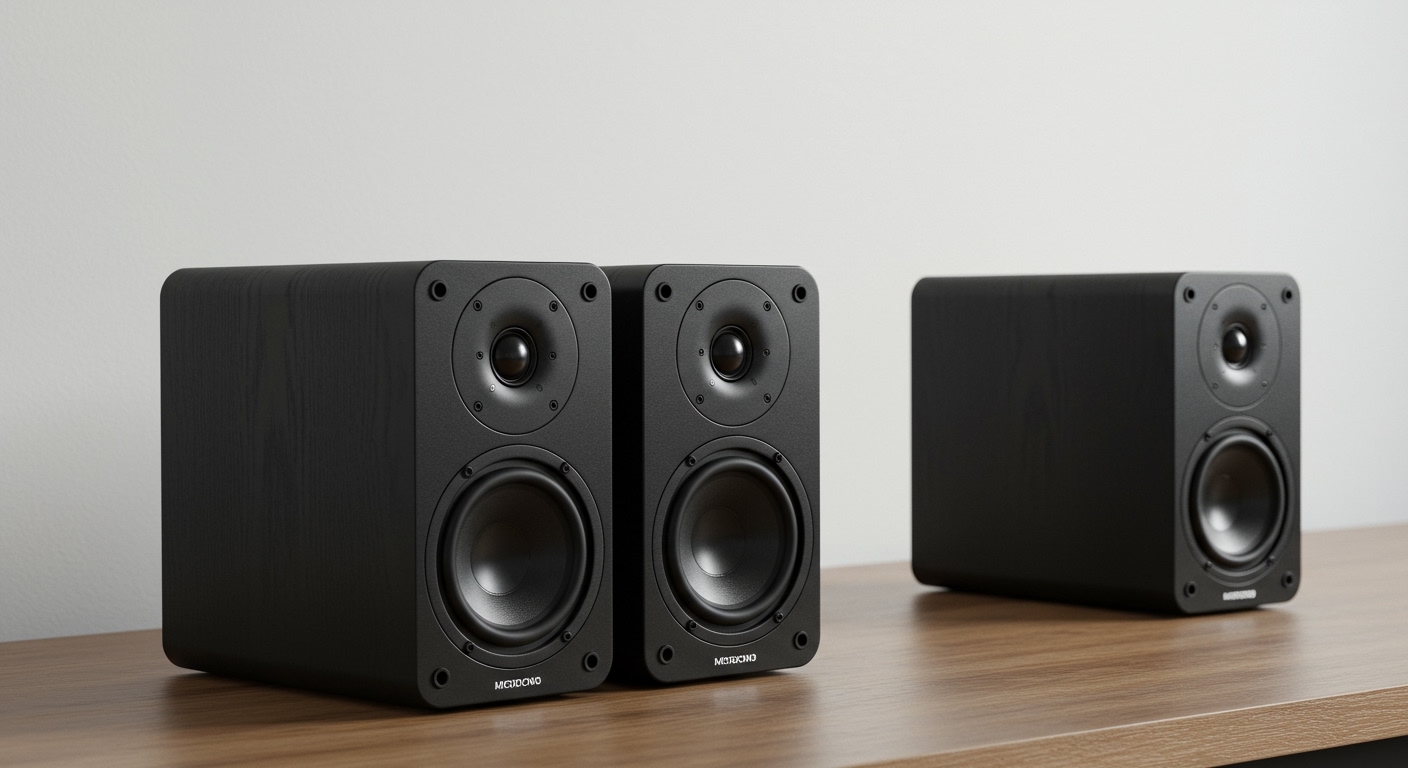
Restoring Your Sound: Why Learning How to Refoam Speakers is Essential
Learning how to refoam speakers is the single most effective way to save vintage audio equipment from the landfill while restoring “like-new” bass performance. Refoaming involves replacing the outer suspension ring (the surround) of a speaker driver that has deteriorated due to age, heat, or humidity—a process known as foam rot.
By performing this DIY repair, you can save hundreds of dollars compared to buying new drivers or professional reconing services. Most high-quality speakers from brands like JBL, Advent, Bose, and Infinity use foam surrounds that naturally disintegrate every 15 to 20 years.
Expert Summary: Key Takeaways for Speaker Refoaming
Cost Efficiency: A DIY refoam kit typically costs $20–$40, whereas professional repair can exceed $150 per driver.
Critical Success Factor: Perfect alignment of the voice coil is mandatory to prevent “coil rub,” which causes distorted sound or permanent damage.
Adhesive Choice: Never use superglue; only use specialized solvent-based speaker adhesive or high-quality white craft glue (like Aleene’s Tacky Glue) depending on the cone material.
Time Commitment: Expect to spend 2–4 hours per pair, including cleaning and curing time.
Tools and Materials Needed for Speaker Repair
Before you begin, gather these specific tools. Having the right cleaning agents is often more important than the glue itself.
| Tool/Material | Purpose | Expert Recommendation |
|---|---|---|
| New Foam Surrounds | Replaces the rotted suspension. | Buy kits specific to your speaker model (e.g., JBL L100). |
| Isopropyl Alcohol (90%+) | Dissolves old glue and foam residue. | Use 90% or higher for faster evaporation and less moisture. |
| Speaker Adhesive | Bonds foam to the cone and frame. | Nitrate-based glue for paper; Acrylic-based for poly cones. |
| Utility Knife/Chisel | Scrapes old foam off the metal frame. | A sharp 1/4 inch wood chisel works wonders on metal baskets. |
| Acid Brushes/Q-tips | Applies glue precisely to narrow edges. | Disposable brushes prevent messy builds-on. |
| Signal Generator App | Centers the voice coil using a 30Hz tone. | Use a free “Frequency Generator” app on your smartphone. |
Step 1: Remove the Old Surround and Clean the Surfaces
Prepare your workspace by laying down a soft towel to protect the speaker’s face. The goal of this step is to achieve a surgically clean surface for the new adhesive to bond with.
Scraping the Frame
Use a utility knife or a small chisel to scrape the old, sticky foam off the metal speaker basket (the frame). Be careful not to gouge the metal, but ensure every speck of old glue is gone.
Cleaning the Cone
This is the most delicate part of how to refoam speakers. Gently rub the edge of the speaker cone with your fingernail or a blunt plastic scraper to remove foam remnants. If the cone is paper, avoid using too much liquid solvent, as it can soften and deform the material.
Final Degreasing
Wipe the metal frame and the edge of the cone with Isopropyl Alcohol. A clean surface ensures the new foam won’t peel off when the speaker hits deep bass notes.
Step 2: Dry Fit the New Foam
Test the fit of your new surrounds before applying any glue. Place the foam onto the speaker to ensure the inner lip overlaps the cone by at least 1/8 of an inch and the outer lip sits flush on the frame.
Pro Tip: If the foam is slightly too large, you may need to trim the outer edge.
Note: Ensure the “roll” of the foam faces the correct direction (usually upward, though some vintage Bose speakers use inverted rolls).
Step 3: Glue the Foam to the Speaker Cone
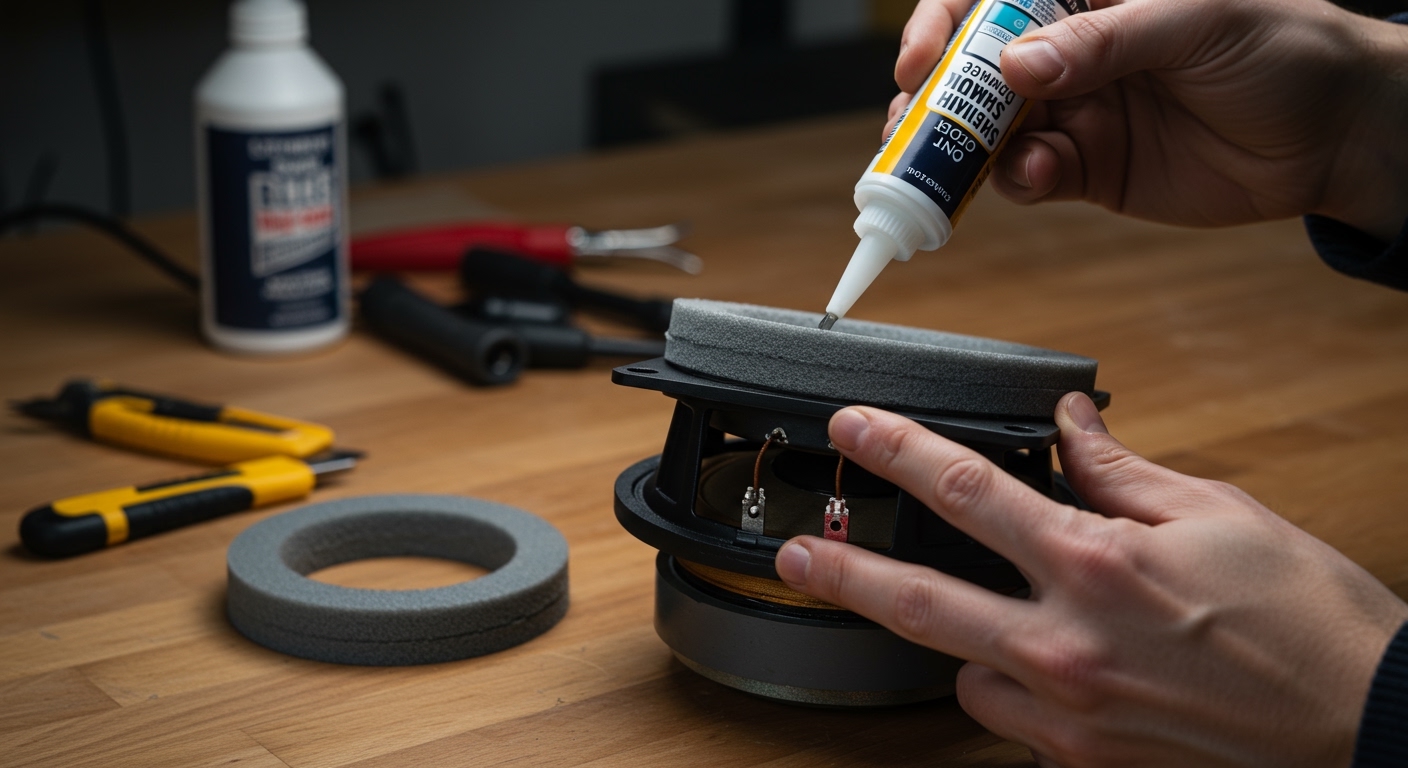
Apply a thin, even bead of adhesive to the inner lip of the foam surround or the outer edge of the cone. In my experience, applying glue to the cone is easier for beginners to avoid accidental drips.
Bonding the Inner Ring
Wait about 2-3 minutes for the glue to become “tacky.” Carefully center the foam on the cone and press down firmly. Use your thumb and forefinger to “massage” the foam onto the cone, ensuring there are no air gaps or puckers.
Curing Time
Allow the inner bond to dry for at least 30 to 60 minutes. If you move to the next step too quickly, the foam may shift, ruining the alignment of the voice coil.
Step 4: Center the Voice Coil (The Most Critical Step)
If the voice coil is not perfectly centered in the magnetic gap, it will rub against the magnet, causing a “scratchy” sound and eventually burning out the speaker. There are three common ways to do this:
The 30Hz Tone Method (Expert Recommended)
- Connect the speaker to an amplifier.
- Play a 30Hz sine wave at a low volume.
- The constant vibration will naturally center the coil.
- While the tone is playing, proceed to glue the outer ring to the frame.
The Shim Method
- Carefully cut away the dust cap in the center of the speaker.
- Insert plastic shims (often included in kits) into the gap between the voice coil and the magnet.
- This physically locks the coil in the center while the glue dries.
- Glue the dust cap back on after the repair is finished.
Step 5: Glue the Foam to the Outer Frame
Lift the outer edge of the foam and apply a layer of adhesive to the metal frame. If you are using the “Tone Method,” keep the 30Hz sound playing during this process.
Pressing the Seal
Press the foam down onto the frame. Move your hands in a circular motion, applying even pressure. Check for “coil rub” by gently pushing the cone straight down with your fingers; if you feel or hear a scratch, the coil is off-center. Adjust the foam position immediately while the glue is wet.
Using Gaskets
If your speaker has decorative cardboard or rubber gaskets, glue them back on top of the foam now. These provide extra clamping pressure while the adhesive cures.
Step 6: Final Testing and Curing
Wait 24 hours for the adhesive to fully cure before playing music at high volumes. Testing too early can cause the glue to fail under the high-pressure excursions of deep bass.
Initial Test: Play acoustic music or vocal tracks first to check for clarity.
Bass Test: Gradually increase the volume with a bass-heavy track to ensure the surround is securely bonded and the coil isn’t bottoming out.
Common Mistakes to Avoid When Refoaming Speakers
Using Too Much Glue: Excess glue adds weight to the cone, which can change the speaker’s Thiele/Small parameters and dull the sound.
Ignoring the Spider: The spider (the yellow corrugated fabric under the cone) provides the primary centering force. If the spider is sagging, a simple refoam may not fix the speaker.
Rushing the Cleaning: 90% of refoaming failures are due to the new glue not sticking to old, oily residue.
Forcing the Coil: Never force the cone down if you feel resistance. You risk kinking the voice coil former, which is unrepairable.
Frequently Asked Questions
(FAQs)
Can I use rubber surrounds instead of foam?
While rubber lasts longer, it is usually heavier and stiffer than foam. Replacing foam with rubber can change the resonant frequency of the speaker, resulting in less bass extension. It is best to stick to the original material used by the manufacturer.
How do I know if my speakers need refoaming?
Visually inspect the outer ring. If it is cracked, crumbling, or has holes, it needs replacement. Sonically, you will notice a “flapping” sound during bass notes or a complete loss of low-end punch.
Is it better to refoam or replace the whole speaker?
If you have high-quality vintage cabinets (like Klipsch, AR, or Tannoy), refoaming is always better. Modern replacement drivers rarely match the specific cabinet tuning of vintage speakers, leading to inferior sound quality.
How long does a refoam repair last?
A high-quality polyether foam surround typically lasts 15 to 20 years. To extend this life, keep your speakers out of direct sunlight and away from high-humidity areas like basements.
Conclusion
Mastering how to refoam speakers is a rewarding DIY project that blends technical precision with a bit of “crafting.” By following the steps of meticulous cleaning, careful gluing, and precise centering, you can restore your favorite audio gear to its former glory.
Don’t let “foam rot” silence your music. Grab a repair kit today, take your time with the centering process, and enjoy the satisfaction of hearing your vintage speakers breathe again with deep, distortion-free bass.