Setting up a home audio system can feel like solving a complex puzzle with a tangle of wires. However, learning how to set up a stereo receiver and speakers is the single most important step to unlocking high-fidelity sound in your home. By following a structured approach to placement, wiring, and calibration, you can transform a collection of hardware into an immersive acoustic environment.
🚀 Quick Summary: Key Takeaways
Safety First: Always ensure the receiver is unplugged before connecting any speaker wires to prevent short circuits.
Polarity is Critical: Connect the positive (+) terminal on the receiver to the positive (+) terminal on the speaker to maintain proper phase and bass response.
Ventilation Matters: Place your receiver in an open area with at least 3-4 inches of clearance to prevent overheating.
Wire Gauge: Use 16-gauge wire for runs under 50 feet and 14-gauge wire for longer distances to minimize signal loss.
Understanding Your Equipment Requirements
Before diving into the physical connections, you must audit your gear. Whether you are learning how to set up av receiver and speakers for a home theater or a simple two-channel music rig, the fundamentals remain the same.
Essential Tools and Materials
| Item | Purpose | Expert Recommendation |
|---|---|---|
| Stereo/AV Receiver | The “brain” that amplifies signals. | Ensure it supports your speaker impedance (Ohms). |
| Passive Speakers | Converts electrical signals to sound. | Match the wattage to your receiver’s output. |
| Speaker Wire | Transmits the audio signal. | Use Oxygen-Free Copper (OFC) for best conductivity. |
| Wire Strippers | Removes insulation from cables. | Use a dedicated tool rather than scissors. |
| Banana Plugs | Provides a secure, clean connection. | Highly recommended for binding post terminals. |
| Source Components | Provides the music (Turntable, CD, Streamer). | Check if your turntable needs a Phono preamp. |
Step 1: Strategic Placement for Optimal Sound
The physics of your room dictates the quality of your audio. Even the most expensive receiver will sound poor if the speakers are placed incorrectly.
Position Your Speakers
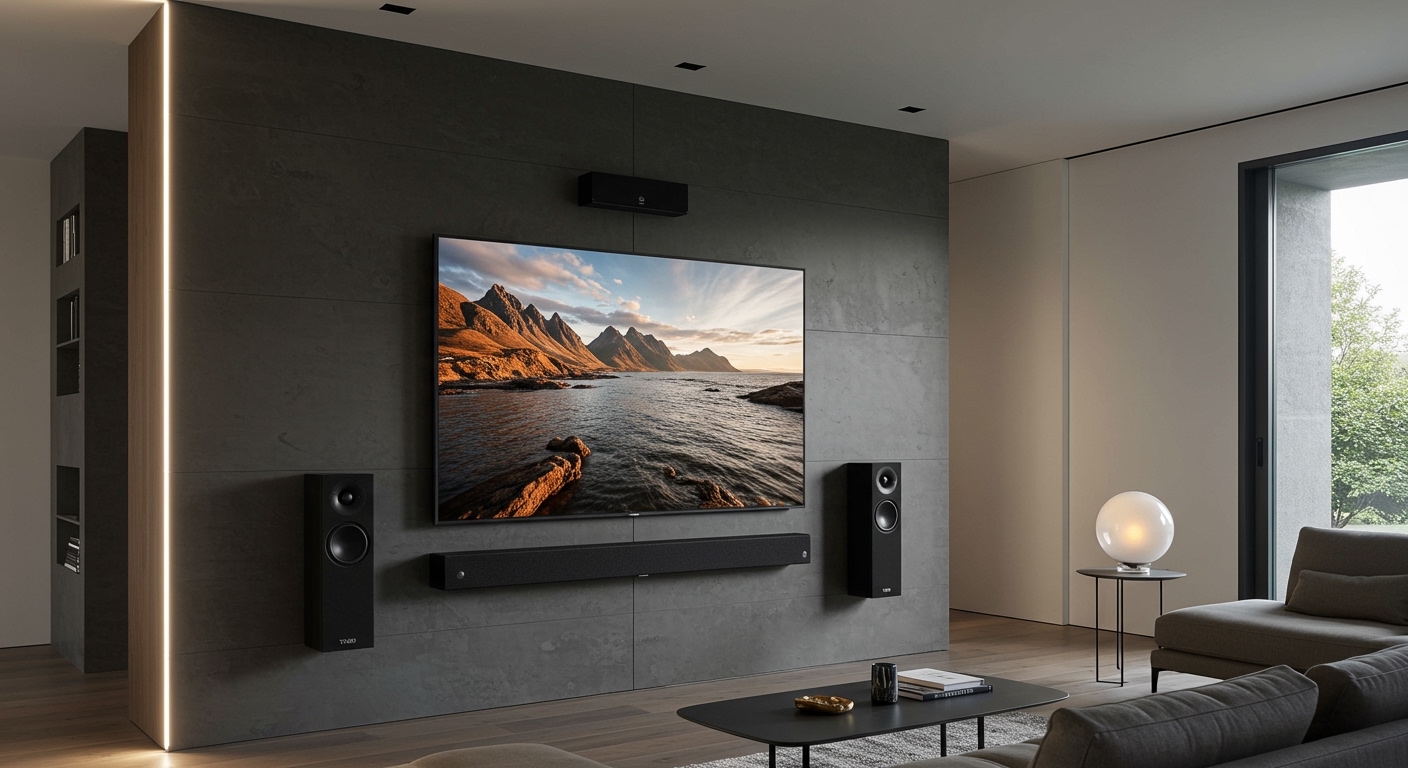
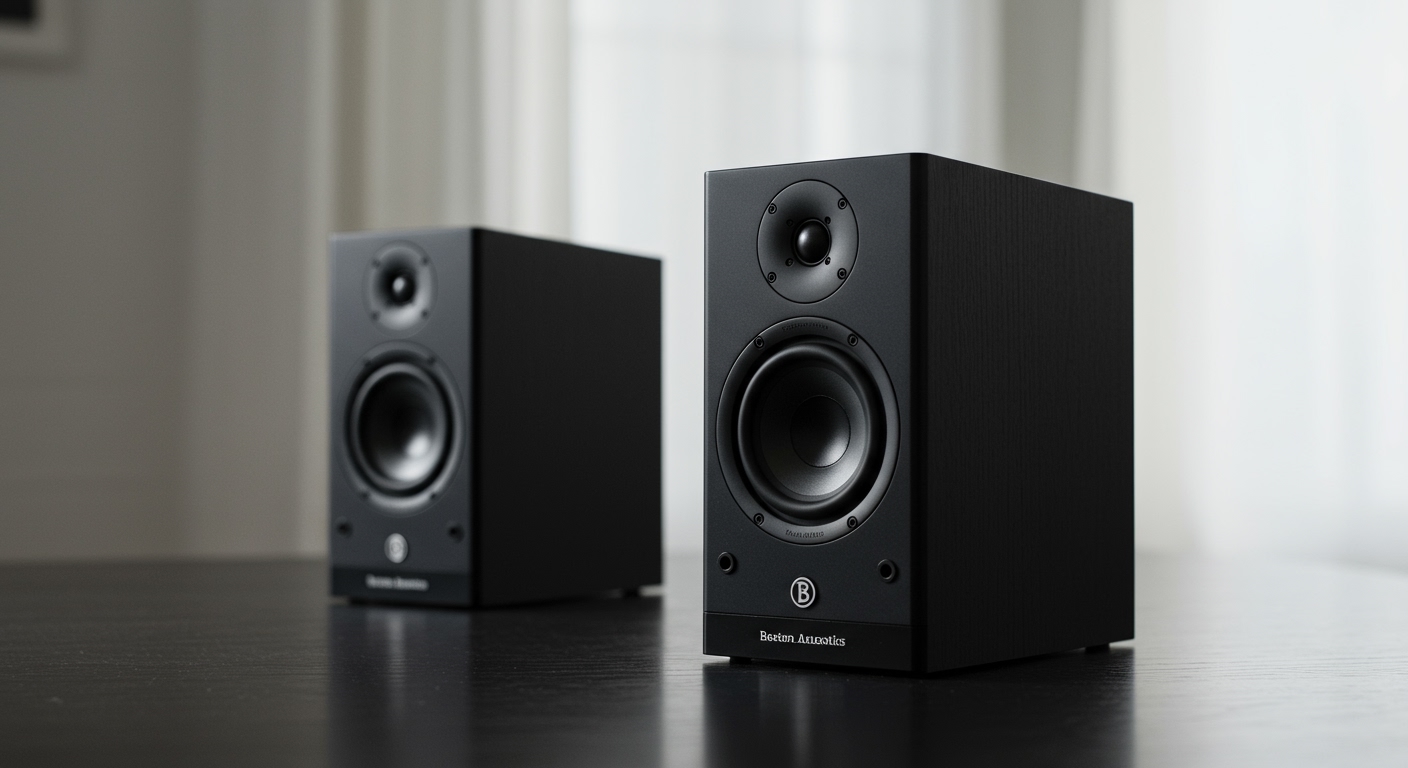
Aim to create an equilateral triangle between your two main speakers and your primary listening position. Place your bookshelf or floor-standing speakers at ear level to ensure the high frequencies from the tweeters hit your ears directly.
Locate the Receiver
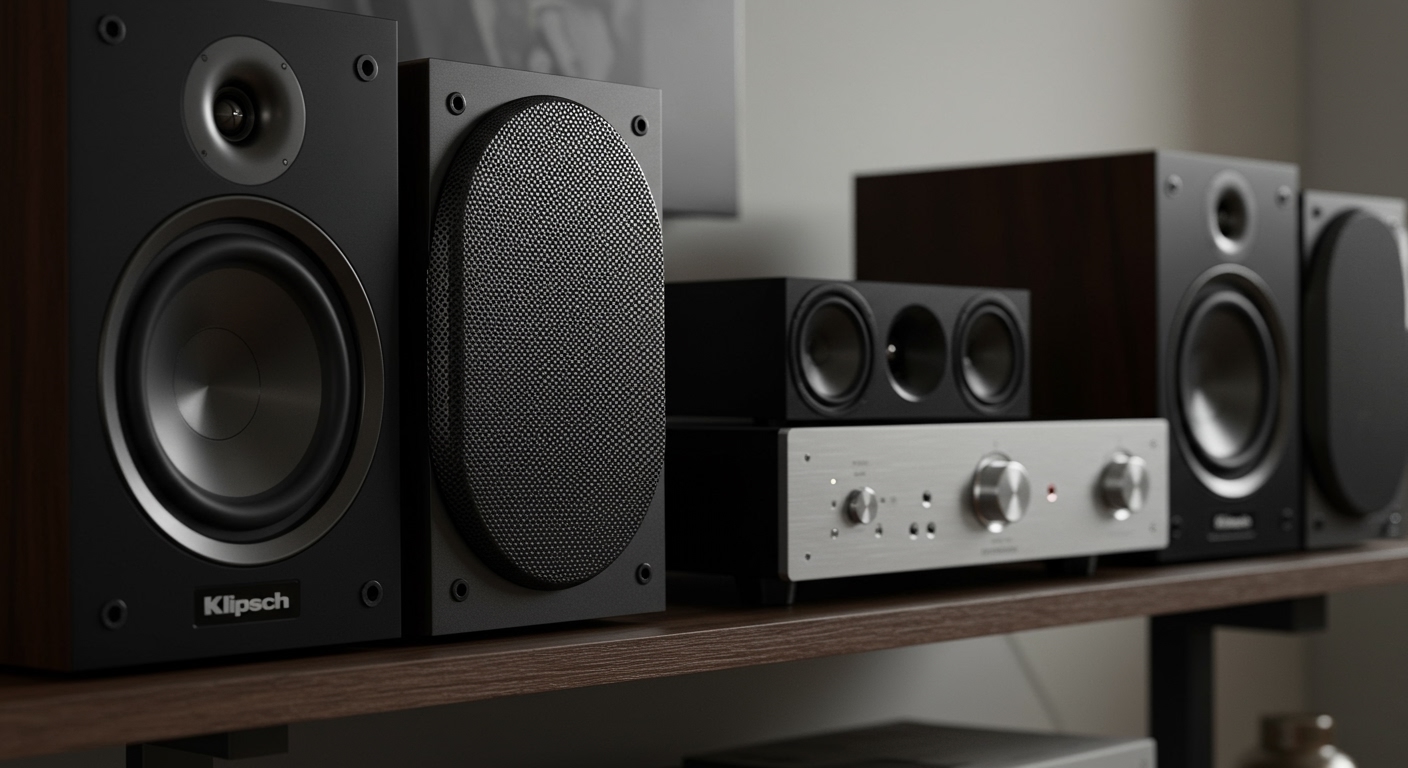
Your receiver generates significant heat during operation. Avoid stacking it directly on top of other components like amplifiers or gaming consoles. Ensure the shelf has an open back for airflow, as heat is the primary cause of internal component failure in home audio.
Step 2: Preparing Your Speaker Wires
If you aren’t using pre-terminated cables, you’ll need to prepare the wire yourself. This is a crucial phase in learning how to set up receiver and speakers correctly.
- Measure twice, cut once: Run the wire from the receiver to the speaker location, leaving about 2 feet of “slack” for easy movement.
- Separate the strands: Pull the two conductors (positive and negative) apart by about 2 inches.
- Strip the insulation: Use your wire strippers to remove approximately 1/2 inch of the plastic jacket from each end.
- Twist the copper: Use your fingers to tightly twist the exposed copper strands. This prevents “stray” hairs from touching the opposite terminal and causing a short circuit.
Pro Tip: I always recommend using Banana Plugs. They screw onto the end of your bare wire and plug directly into the binding posts. This makes the process of how to set up speakers to a receiver much faster and prevents oxidation of the copper over time.
Step 3: Making the Connections
This is where the magic happens. Connecting the wires requires attention to detail to ensure you don’t wire the system “out of phase.”
Connecting to the Receiver
Look at the back of your receiver. You will see pairs of terminals labeled “Front L” and “Front R.”
Identify the Red (+) terminal and the Black (-) terminal.
Connect the marked side of your speaker wire (usually has a line, text, or a red stripe) to the Red (+) terminal.
Connect the plain side to the Black (-) terminal.
Connecting to the Speakers
Repeat this process on the back of the speakers. When learning how to set up speakers to receiver, consistency is key. If you connected the “striped” wire to Red on the receiver, it must go to Red on the speaker.
Step 4: Integrating Your Audio Sources
Modern systems often involve more than just speakers. You may need to know how to set up turntable receiver and speakers to enjoy your vinyl collection.
- Turntable Connection: Look for the PHONO input on the back of your receiver. If your receiver lacks this, you will need an external Phono Preamp connected to a standard AUX or Line input.
- Grounding: Most turntables have a thin ground wire. Attach this to the small metal thumb-screw labeled GND on the receiver to eliminate “hum.”
- Digital Sources: For modern TVs or streamers, use an Optical (Toslink) or HDMI ARC cable to send high-quality digital audio to your AV receiver.
Step 5: Power On and Calibration
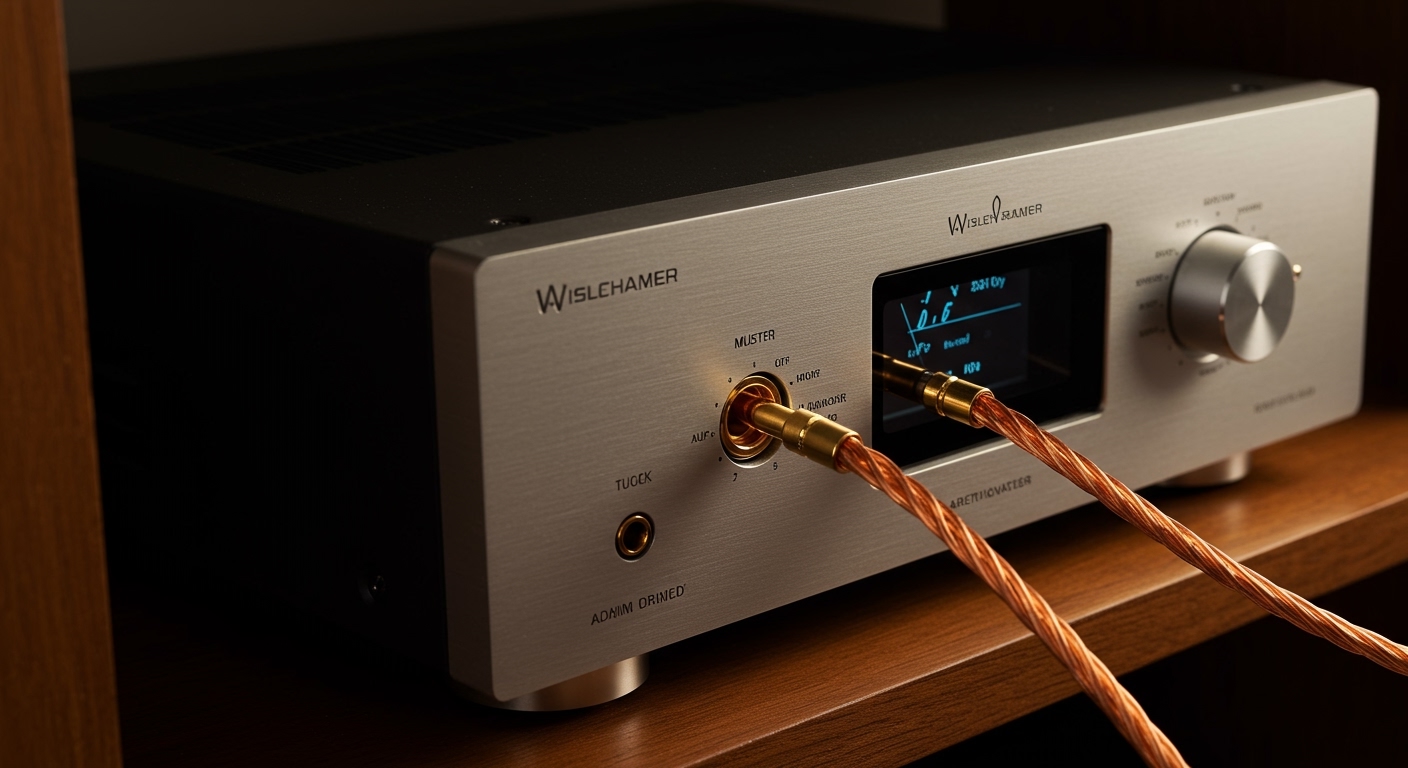
Once everything is wired, it is time for the “smoke test.” Turn the volume to its lowest setting before hitting the power button.
Level Matching
If you are using an AV receiver, utilize the built-in Auto-Calibration (like Audyssey or YPAO). Plug in the included microphone and place it at your seating position. The receiver will play “chirps” to measure the distance and volume of each speaker, ensuring a balanced soundstage.
Manual Tweaking
For a standard stereo receiver, use the Balance, Bass, and Treble knobs to suit your room’s acoustics. If the room is “bright” (lots of glass and hardwood), you might want to slightly dial back the Treble.
Common Mistakes to Avoid
Phase Inversion: Wiring (+) to (-) results in “hollow” sound and a complete lack of bass. Double-check all connections.
Poor Ventilation: Never put a receiver in a closed cabinet without active cooling fans.
Using Thin Wire: Avoid the “free” wires often included in the box. Upgrading to 16-gauge OFC wire significantly improves signal integrity.
- Ignoring the Manual: Every brand (Denon, Yamaha, Marantz) has specific menu settings for impedance matching. Check your manual to see if you need to toggle a “4-ohm” or “8-ohm” switch.
Frequently Asked Questions (FAQs)
Can I use any speakers with any receiver?
Generally, yes, provided the impedance (Ohms) of the speakers matches the rating of the receiver. Most home receivers handle 6-8 Ohm speakers easily. If you have 4-Ohm speakers, ensure your receiver is specifically rated to handle high-current loads to avoid damage.
How do I connect a subwoofer to my stereo receiver?
Most modern receivers have a dedicated SUB OUT or LFE (Low-Frequency Effects) port. Use a single RCA cable to connect this to the Input on your powered subwoofer. If your receiver is older and lacks this port, you may need to use “High-Level” inputs, running speaker wires to the sub first.
Why is there a buzzing sound coming from my speakers?
This is usually a ground loop or an ungrounded turntable. Ensure your turntable’s ground wire is secured. Also, keep your speaker wires away from power strips and AC power cables, as they can pick up electromagnetic interference.
What is the difference between a stereo receiver and an AV receiver?
A stereo receiver is designed for two-channel audio (music) and usually only has analog inputs. An AV receiver (Audio-Video) is designed for multi-channel home theater, featuring HDMI switching, surround sound processing, and video pass-through.
Conclusion
Learning how to set up a stereo receiver and speakers is a rewarding DIY project that pays off in acoustic clarity. By focusing on high-quality speaker wire, maintaining correct polarity, and giving your equipment room to breathe, you ensure your system lasts for years.
Ready to upgrade your listening experience? Start by re-evaluating your speaker placement today—sometimes a simple 6-inch adjustment can make your system sound like it cost twice as much!