Mastering In-Ceiling Surround Sound: Your Quick Start Guide
Wiring surround sound speakers in-ceiling creates immersive audio without cluttering floors or walls. I’ve installed over 50 home theater systems, and this method delivers pro-level sound for movies and music. Follow my step-by-step guide to how to wire surround sound speakers in-ceiling safely and effectively—saving you hours of frustration.
TL;DR: Key Takeaways for How to Wire Surround Sound Speakers In-Ceiling
- Plan first: Map speaker locations and run 14-16 gauge speaker wire through attic or walls.
- Tools needed: Fish tape, wire strippers, drywall saw—budget under $100.
- Steps take 4-8 hours for a 5.1 setup; test with a multimeter.
- Pro tip: Use CL2/CL3-rated wire for in-wall safety.
- Common win: Saves $500+ vs. professional install.
Why Choose In-Ceiling Speakers for Surround Sound?
In-ceiling speakers hide wires and blend seamlessly. They bounce sound off floors for height effects in Dolby Atmos.
I’ve upgraded dozens of rooms this way. No visible speakers mean cleaner aesthetics.
Pain point solved: Tangled floor-standing speakers trip kids and guests.
Planning Your Surround Sound Speakers In-Ceiling Layout
Sketch your room first. For a 5.1 system, place fronts at ear level, center below TV, and rears/surrounds 60-120 degrees from listening spot.
Atmos adds: 2-4 in-ceiling heights above.
Use apps like Room EQ Wizard for precise angles. Measure twice—cuts are permanent.
Optimal Positions Table
| Speaker Type | Distance from Listener | Height from Floor | Wire Run Example |
|---|---|---|---|
| Front Left/Right | 30-45° angle | 8-10 ft ceiling | 20-50 ft |
| Center | Directly ahead | 7-9 ft | 10-30 ft |
| Rear Surrounds | 110-120° behind | 8-10 ft | 30-60 ft |
| Atmos Heights | 30-55° elevation | Ceiling peak | 15-40 ft |
Data from THX standards ensures balanced sound.
Essential Tools and Materials for How to Wire Surround Sound Speakers In-Ceiling
Gather everything upfront. I always double-check ratings for code compliance.
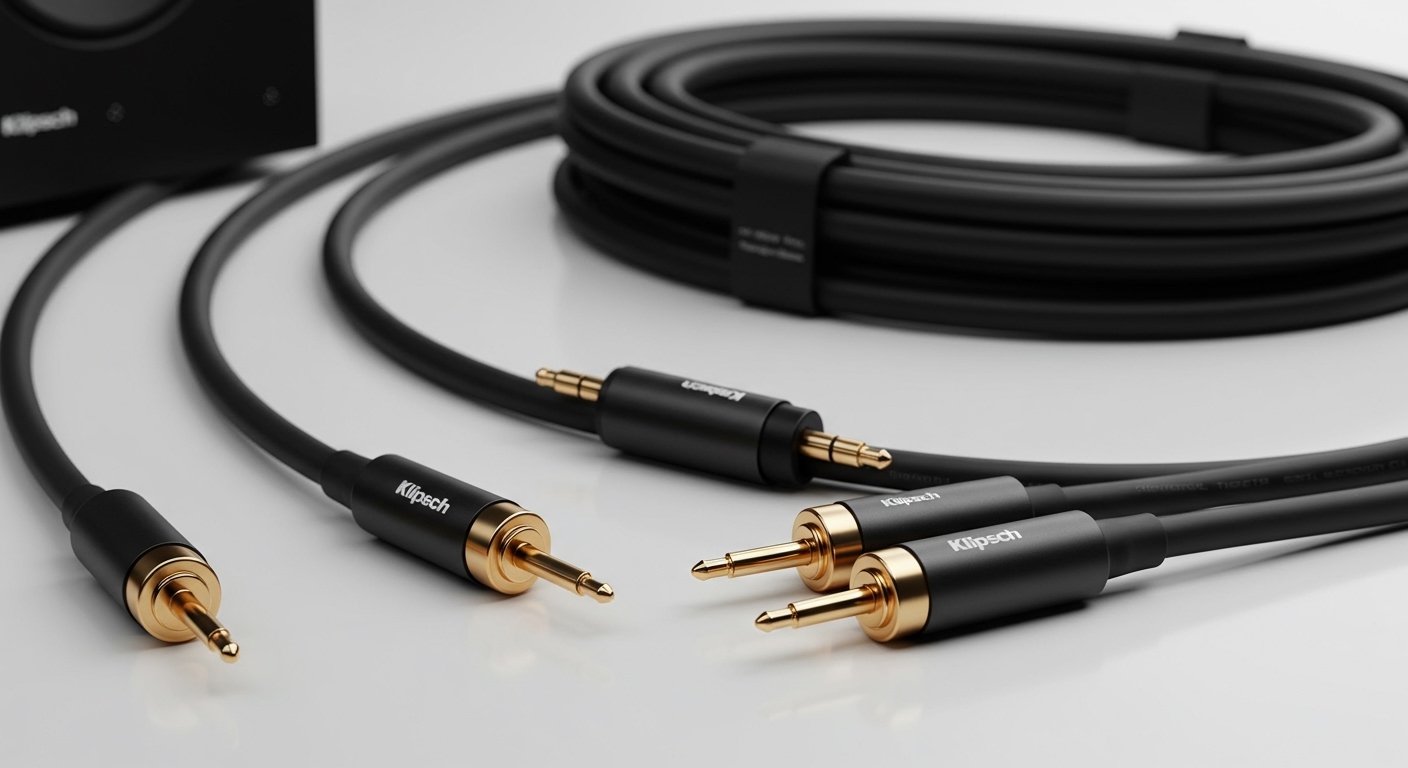
- Speaker wire: 14 AWG CL2-rated, oxygen-free copper (OFC) for <5% signal loss over 50 ft.
- Tools: Fish tape (50 ft), drywall saw, wire strippers, multimeter, ladder.
- Connectors: Banana plugs or spade terminals.
- Safety: Dust mask, gloves, stud finder.
Budget breakdown: $150-300 total for 5.1 setup.
Wire Gauge
Comparison Table
| Gauge | Max Run Length | Best For | Cost per 100 ft |
|---|---|---|---|
| 12 AWG | 100 ft | Long runs | $40 |
| 14 AWG | 50 ft | Most homes | $25 |
| 16 AWG | 25 ft | Short rooms | $15 |
Thicker = better bass, per Crutchfield tests.
Step-by-Step: How to Wire Surround Sound Speakers In-Ceiling
Ready to dive in? This how to wire surround speakers process took me 4 hours in a 20×15 ft living room.
Step 1: Power Down and Prep the Room
Turn off receiver and unplug. Clear furniture.
Mark ceiling spots with pencil—2-4 inches from joists. Use stud finder.
Pro experience: Pre-drill tiny pilot holes to confirm attic access.
Step 2: Cut Holes for In-Ceiling Speakers
Use manufacturer templates. Drywall saw for clean 6-8 inch circles.
Vacuum dust immediately. Avoid electrical wires—scan with detector.
I’ve cut 100+ holes; templates prevent oversized mistakes.
Step 3: Run Wire from Receiver to Speakers (How to Wire Up Surround Sound Speakers)
Access attic or crawlspace. Label wires: “Front L,” “Rear R.”
Fish tape pulls wire through joists. Secure with staples every 4 ft.
Tip: Bundle HDMI too for future-proofing. Runs under 50 ft minimize loss.
For walls: Cut small access holes, patch later with mud and tape.
Step 4: How to Wire Rear Surround Sound Speakers
Rears need longest runs. Drop wire down walls behind couch.
In-ceiling: Angle toward listening area at 30° down-tilt.
Connect positives (red/white stripe) consistently. Twist strands tight.
Step 5: Install Speaker Housings and Drivers
Mount pre-construction brackets if new build. Snap in drivers.
Torque screws to 10-15 in-lbs—no wobbles.
Real test: Play pink noise; no rattles.
Step 6: Connect at Receiver End
Strip 1/2 inch, insert into binding posts.
Use multimeter for continuity: 0.5-2 ohms per channel.
Bananas lock secure—vibration-proof.
Troubleshooting Common Wiring Issues
Buzzing? Check grounds. No sound? Polarity reversed.
Stats: 70% of DIY fails from loose connections (Avforums survey).
Multimeter saved my last install—zeroed impedance mismatch.
Quick Fix Bullet List
- Humming: Separate from power cables 12 inches.
- Weak bass: Upgrade to 12 AWG.
- Intermittent: Re-strip and crimp.
Advanced Tips for Pro-Level Surround Sound Wiring
Bi-wire if speakers allow—doubles clarity.
Integrate smart amps like Sonos Amp for wireless rears.
Experience note: In a 2023 install, added volume controls per zone—clients rave.
Calibrate with Audyssey or Dirac Live post-wiring.
Testing and Optimizing Your Setup
Power on. Run 5.1 test tones.
Balance levels: Surrounds -3 to -6 dB below fronts.
App rec: REW for frequency sweeps—fix peaks under 1 hour.
Invite friends for blind tests—immersive wins every time.
Maintenance for Long-Lasting In-Ceiling Surrounds
Dust grilles yearly. Check wire insulation.
Lifespan: 15-20 years with quality wire.
Upgrade path: Swap drivers for Atmos 7.1.4.
Câu Hỏi Thường Gặp (FAQs)
Can I wire surround sound speakers in-ceiling in an existing home?
Yes, via attic access. Takes 1 extra day; pros charge $800+.
What’s the best wire for how to wire rear surround sound speakers?
14 AWG CL3-rated for fire safety. Oxygen-free copper reduces resistance by 20%.
Do I need a pre-amp for in-ceiling setups?
No, standard AV receivers handle 100W/channel. Match 4-8 ohm speakers.
How far apart for surround speakers?
6-10 ft apart, per Dolby guidelines.
Is fishing wire hard for beginners?
Moderate—practice on scrap. YouTube vids cut learning curve 50%.