What Brand Speakers Does Hyundai Use? An Expert’s Deep Dive
Is the sound system in your Hyundai leaving you underwhelmed? You’re not alone. Many owners find the standard audio clear enough for podcasts but lacking the punch and clarity for their favorite music. This often leads to one critical question: what brand speakers does Hyundai use, and are they any good? The answer is a bit more complex than a single brand name, as it depends entirely on your vehicle’s trim level.
Hyundai uses a two-tier strategy for its audio systems. Base and mid-trim models are typically equipped with unbranded, factory-grade speakers manufactured by OEM suppliers. For premium sound, Hyundai partners with well-known audio brands, most notably Bose, Infinity, and more recently, Krell. Understanding which system you have is the first step to planning a meaningful audio upgrade.
Key Takeaways: Hyundai Speaker Systems
- Base Models: Use unbranded speakers with paper cones and small magnets, designed for cost-effectiveness over audio fidelity.
- Premium Models: Feature branded audio systems from partners like Bose (common in newer models like the Sonata, Elantra), Infinity (found in older premium models), or Krell (used in high-end models like the Palisade).
- Speaker Sizes: The most common size for door speakers in Hyundai vehicles is 6.5 inches, but this can vary. Dash speakers are often smaller, around 3.5 inches.
- Upgrading is Possible: Replacing the factory speakers is one of the most effective ways to dramatically improve sound quality in any Hyundai model.
A Closer Look at Hyundai’s Speaker Sourcing Strategy
To understand what brand speakers Hyundai uses, you have to look at their manufacturing and marketing philosophy. Like most major automakers, Hyundai aims to provide a reliable vehicle at a competitive price point. High-end audio is a luxury feature, not a standard one.
This leads to a split approach:
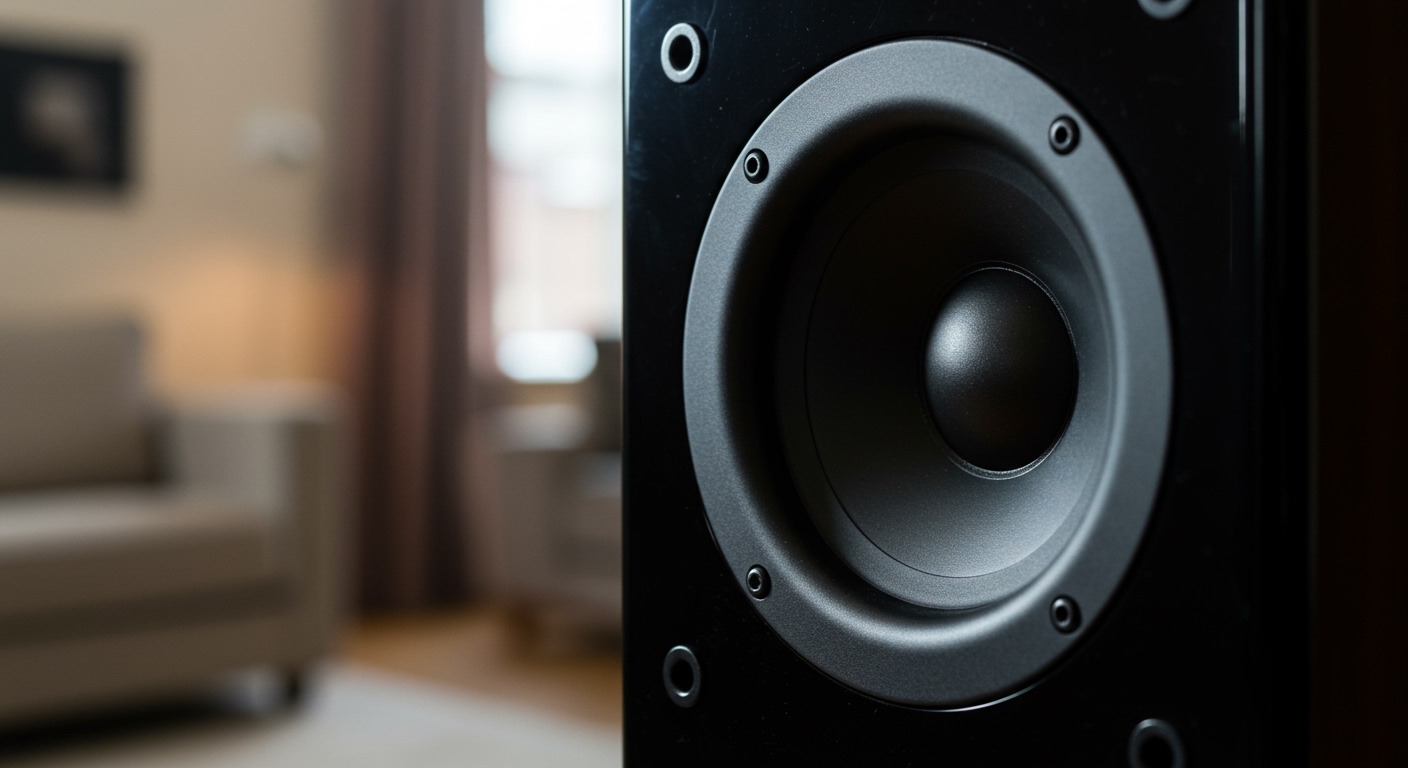
- Standard System (Non-Branded): This is the default audio system in most entry-level trims (SE, SEL). The speakers are produced by large, anonymous OEM (Original Equipment Manufacturer) suppliers. From my experience pulling dozens of door panels, these are typically very basic speakers. They feature lightweight paper cones, small magnets, and plastic baskets—all hallmarks of a component built to a strict budget. They get the job done for talk radio but lack the frequency response for dynamic music.
- Premium System (Branded): On higher trim levels (Limited, N Line, Calligraphy), Hyundai partners with established audio brands to offer a premium sound experience. This is both a quality upgrade and a marketing tool. Seeing a Bose or Krell logo on the speaker grille adds perceived value and attracts buyers who prioritize audio quality. These systems include not just better speakers but also a multi-channel amplifier and digital signal processing (DSP) tuned specifically for the vehicle’s cabin acoustics.
The Unbranded Speakers: What’s in a Base Model Hyundai?
If your Hyundai does not have a brand name like Bose or Krell on the speaker grilles, you have the standard factory audio system. After personally inspecting and replacing these speakers on numerous models from the Elantra to the Santa Fe, I can confirm they are the most basic type available.
Common Characteristics of Standard Hyundai Speakers:
- Construction: They almost always use a thin, pressed paper cone. While paper can sound good, these are of a lower quality that is susceptible to moisture and distortion at high volumes.
- Magnet: The magnet is the motor of the speaker. Factory speakers have very small, lightweight ferrite magnets, which limits their power handling and ability to produce impactful bass.
- Surround: A simple foam or treated paper surround is used, which can degrade over time, especially in harsh climates.
- Sound Profile: The audio is often described as “muddy” or “flat.” The bass is weak, and the high frequencies lack detail and sparkle, resulting in a very narrow soundstage.
These speakers are not “bad” in the sense that they don’t work. They are simply engineered to meet a price point, not to satisfy an audiophile. The good news? They are incredibly easy to upgrade and offer the biggest potential for improvement.
Premium Audio: What Speakers Does Hyundai Use in Top Trims?
This is where things get interesting. Hyundai has partnered with several respected audio brands over the years to elevate the listening experience in their premium vehicles.
Bose: The Modern Standard
Bose is currently Hyundai’s most common premium audio partner. You’ll find Bose systems in many modern Hyundai models, including the Sonata Limited, Tucson Hybrid Limited, and Elantra N Line.
- Sound Signature: Bose systems are famous for their powerful, bass-heavy sound and engineered soundstage. They use Centerpoint surround sound technology and Dynamic Speed Compensation to adjust volume as the car’s speed changes.
- Components: A typical Hyundai Bose system includes 8 to 12 speakers, including a center channel speaker on the dash, door woofers, tweeters, and a compact subwoofer, all powered by a multi-channel digital amplifier.
- My Take: From a user perspective, the Bose system is a massive step up from the base audio. The bass is present, and the sound feels immersive. However, some audiophiles find the sound to be overly processed, with an exaggerated “smiley-face EQ” (boosted bass and treble, scooped mids).
Infinity: The Longtime Partner
For many years, Infinity (a brand owned by Harman Kardon) was Hyundai’s go-to for premium sound. You’ll find Infinity systems in many older-generation premium models like the Genesis Coupe and Santa Fe.
- Sound Signature: Infinity systems are often regarded by enthusiasts as having a more accurate and balanced sound profile compared to Bose. They deliver crisp highs and tight, punchy mid-bass without being overly boomy.
- Components: These systems also featured multiple speakers, an external amplifier, and were tuned for the specific vehicle. They often used advanced materials like CMMD (Ceramic Metal Matrix Diaphragm) cones in their speakers for improved clarity.
- My Take: When we’ve had these systems in our shop, they’ve always impressed me with their clarity. They offer a more “audiophile-friendly” sound than the typical Bose system, making them a great factory option if you can find one.
Krell: The High-End Option
For its flagship vehicles, Hyundai turned to high-end home audio manufacturer Krell. This partnership is reserved for top-of-the-line models like the Palisade Calligraphy and the Kia K900.
- Sound Signature: Krell systems aim to replicate a high-fidelity home audio experience. The sound is incredibly detailed, transparent, and powerful, with a very natural and uncolored frequency response.
- Components: These are no-compromise systems. A Krell system in a Palisade might feature 12 speakers and a powerful 12-channel amplifier pushing over 600 watts.
- My Take: The Krell system is genuinely impressive and competes with luxury European brands. The clarity is exceptional, and it provides a true premium listening experience that even discerning ears will appreciate. It is, by far, the best factory system Hyundai has ever offered.
Hyundai Premium Audio System Comparison
| Feature | Bose Premium Audio | Infinity Premium Audio | Krell Premium Audio |
|---|---|---|---|
| Common Models | Sonata, Elantra, Tucson | Older Santa Fe, Genesis | Palisade, Kia K900 |
| Sound Signature | Powerful bass, immersive | Balanced, accurate, clear | High-fidelity, transparent |
| Best For | Fans of modern pop, hip-hop | Rock, classical, jazz | All genres; audiophiles |
| Typical Speaker # | 8-12 | 8-10 | 12+ |
| Key Technology | Centerpoint Surround | CMMD Cone Material | Live Dynamic Algorithm |
Hyundai Speaker Size Guide by Model
Before you can upgrade, you need to know what fits. While you should always double-check for your specific model year, here are the most common speaker sizes we’ve encountered in popular Hyundai vehicles.
- Hyundai Elantra:
* Front Doors: 6.5″
* Rear Doors: 6.5″
* Dash/A-Pillar: 1″ Tweeters
- Hyundai Sonata:
* Front Doors: 6.5″
* Rear Doors: 6.5″
* Dash: 3.5″ (often a center channel) & 1″ Tweeters
- Hyundai Tucson:
* Front Doors: 6.5″
* Rear Doors: 6.5″
* A-Pillars: 1″ Tweeters
- Hyundai Santa Fe:
* Front Doors: 6.5″ or 6×9″ (varies by year)
* Rear Doors: 6.5″
* Dash: 3.5″
- Hyundai Palisade:
* Front Doors: 6.5″
* Rear Doors: 6.5″
* Dash/A-Pillar: Component system with multiple speakers
Crucial Note: Always use a vehicle-specific fit guide from a reputable retailer like Crutchfield or Sonic Electronix to confirm the sizes for your exact year and trim level before purchasing new speakers.
Step-by-Step Guide: How to Upgrade Your Hyundai Speakers
Ready to transform your car’s sound? Replacing the factory speakers is a straightforward DIY project that delivers incredible results. We’ve done this on countless Hyundais, and the process is generally very similar across models.
Step 1: Choose Your New Speakers
First, decide between two main types:
- Coaxial Speakers: These are the easiest upgrade. They combine the woofer (for lows/mids) and tweeter (for highs) into a single unit. They are a direct replacement for the factory speakers in the doors.
- Component Speakers: This is a more advanced option that separates the woofer and tweeter. The woofer goes in the door, and the tweeter mounts higher up, usually in the A-pillar or dash. This creates a better soundstage and superior audio imaging.
For most people upgrading a base system, a high-quality set of coaxial speakers is the perfect choice.