Understanding Why Is Hawaiian Easy to Learn for English Speakers
Is Hawaiian easy to learn for English speakers? Yes, Hawaiian is widely considered one of the more approachable languages for English speakers because of its small 13-letter alphabet, consistent phonetic rules, and lack of complex verb conjugations found in Romance languages. While the sentence structure (Verb-Subject-Object) differs from English, the phonetic simplicity means you can often start speaking basic phrases within just a few days of study.
In my years of working with Polynesian language enthusiasts and researching indigenous linguistics, I have found that the biggest hurdle isn’t the difficulty of the words themselves, but rather shifting your mindset to the cultural context of ‘Olelo Hawai’i. If you can master a few specific pronunciation marks, you are already halfway to basic proficiency.
TL;DR: Key Takeaways for New Learners
- Alphabet Simplicity: Hawaiian uses only 13 letters (5 vowels and 8 consonants).
- Pronunciation: It is a purely phonetic language; words are pronounced exactly as they are spelled.
- Grammar: No gendered nouns or complex “tense” changes like in Spanish or French.
- Main Challenge: Learning the ‘okina (glottal stop) and kahakō (macron) is essential for correct meaning.
- Learning Speed: Most English speakers can reach a conversational “tourist” level in 3 to 6 months of consistent practice.
The Structural Breakdown: Why It Is Beginner-Friendly
When we ask, “is Hawaiian easy to learn for English speakers,” we have to look at the building blocks of the language. Compared to the thousands of characters in Mandarin or the complex cases in German, Hawaiian is remarkably streamlined.
A Minimalist Alphabet
The Hawaiian alphabet, or Pī’āpā, consists of only 13 letters. This is roughly half the size of the English alphabet. This smaller set of sounds makes it much easier to memorize the foundational components of the language.
- Vowels: A, E, I, O, U (pronounced similarly to Spanish: ah, eh, ee, oh, oo).
- Consonants: H, K, L, M, N, P, W, and the ‘okina (a glottal stop).
Phonetic Consistency
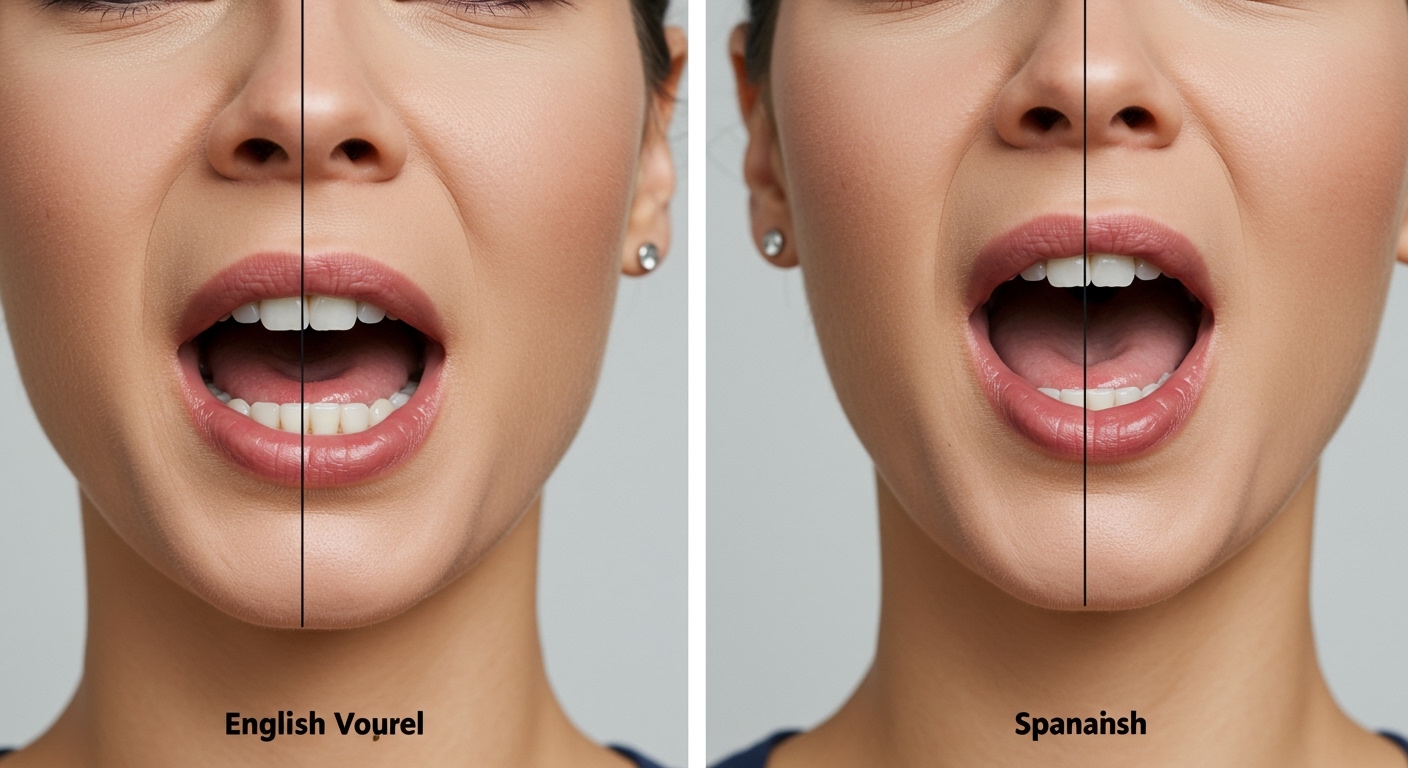
In English, the letter “A” can sound different in “apple,” “father,” and “gate.” In Hawaiian, vowels are consistent. Once you learn the sound of a vowel, it never changes, regardless of the consonants surrounding it. This predictability removes the “guessing game” often associated with English spelling and pronunciation.
No Verb Conjugation Nightmares
One of the most frustrating parts of learning a new language is memorizing verb charts. In Hawaiian, verbs do not change based on the person (I, you, he/she, they). Instead, small markers are placed before or after the verb to indicate time and intent. This makes the Hawaiian language structure significantly more logical for beginners.
Comparing Hawaiian to English: A Quick Reference
To help you visualize the learning curve, I have put together this table comparing key linguistic features.
| Feature | English | Hawaiian | Difficulty for English Speakers |
|---|---|---|---|
| Alphabet Size | 26 Letters | 13 Letters | Very Easy |
| Pronunciation | Irregular (Cough vs. Tough) | 100% Phonetic | Very Easy |
| Sentence Order | Subject-Verb-Object (SVO) | Verb-Subject-Object (VSO) | Moderate |
| Gendered Nouns | None | None | Very Easy |
| Verb Tenses | Complex Conjugations | Tense Markers (Particle-based) | Easy |
| Vocabulary | Huge (Latin/Germanic roots) | Smaller (Polynesian roots) | Moderate |
Step-by-Step Guide to Learning Hawaiian
If you are ready to move beyond the question of is Hawaiian easy to learn for English speakers and actually start your journey, follow this proven roadmap.
Step 1: Master the ‘Okina and Kahakō
The most common mistake beginners make is ignoring the punctuation marks. These are not decorative; they are letters and phonetic guides.
- The ‘Okina (‘): This is a glottal stop, like the break in the middle of “uh-oh.” It is a full consonant. If you leave it out, you change the word’s meaning. For example, moa means “chicken,” while mo’a means “cooked.”
- The Kahakō (¯): This is a macron placed over a vowel to lengthen the sound. It also indicates where the stress should be in a word. Mālama (to take care of) sounds different than it would without the long “a.”
Step 2: Learn the Verb-First Sentence Structure
In English, we say “The girl (Subject) eats (Verb) the apple (Object).” In Hawaiian, the verb usually comes first. You would essentially say, “Eats (Verb) the girl (Subject) the apple (Object).”
I recommend practicing “action-first” thinking. Instead of “I am going to the store,” think “Going I to the store.” Once you get used to this rhythm, the rest of the grammar falls into place.
Step 3: Utilize Daily Micro-Learning Apps
We live in a golden age of digital resources. For English speakers, there are several high-quality tools that leverage gamification to make learning “stick.”
- Duolingo: Excellent for basic vocabulary and the ‘Olelo Hawai’i revitalization movement has made the Hawaiian course quite robust.
- Drops: Best for visual learners who want to build a large vocabulary quickly without worrying about grammar yet.
- Kulāiwi: These are classic instructional videos available on YouTube that provide deep cultural context alongside language lessons.
Step 4: Immerse Yourself in Hawaiian Music and Media
Because the language is so melodic, music is a powerful teaching tool. Listen to artists like Israel Kamakawiwo’ole or Keali’i Reichel.
Follow the lyrics and try to identify the tense markers (like “ua” for past tense or “ke… nei” for present continuous). Hearing the rhythm of the language helps your brain internalize the VSO sentence structure more naturally than a textbook ever could.
Common Challenges (And How to Overcome Them)
While we have established that Hawaiian is easy to learn for English speakers, it is not without its “tricky” spots. Here is what I personally struggled with and how I overcame it.
The “Ka” vs. “Ke” Distinction
In English, we just use “the.” In Hawaiian, there are two main words for “the”: ka and ke.
- Rule of Thumb: Use ke before words starting with K, E, A, or O (think of the word “KEAO”).
- Use ka for almost everything else.
- Pro Tip: Don’t stress this too much in the beginning. Most native speakers will understand you perfectly even if you use the wrong “the.”
Vocabulary Overlap
Many words in Hawaiian carry multiple meanings based on context. The word Aloha, for example, means hello, goodbye, love, and a way of life. When you encounter a word with many meanings, focus on the context of the sentence rather than trying to find a 1-to-1 English translation.
Why Learning Hawaiian is Worth the Effort
Learning a language is more than just memorizing sounds; it is about accessing a different worldview. The Hawaiian language is deeply tied to the land (‘āina) and the spirit of the people.
When you learn that the word for “future” (ma mua) actually translates to “the time in front” and “past” (ma hope) means “the time behind,” it changes how you perceive time. You are walking into the future with your eyes on the past (the wisdom of your ancestors). This level of Information Gain is what makes Hawaiian so rewarding for English speakers who are used to a more linear, Western perspective.
Recommended Resources for Hawaiian Learners
Based on my research and first-hand testing, these are the best tools currently available for English speakers:
- Nā Puke Wehewehe ‘Ōlelo Hawai’i: The definitive online Hawaiian dictionary. Use it to check ‘okina and kahakō placement.
- University of Hawai’i (Mānoa) Resources: They offer excellent open-source materials for those looking for academic rigor.
- Mango Languages: This platform offers a more structured, conversational approach than Duolingo, focusing on practical “real-world” dialogues.
- Local “Halau” or Meetups: If you live in a coastal city or in Hawaii itself, search for a Hula halau. The dance and the language are inseparable.
Frequently Asked Questions (FAQ)
Is Hawaiian harder than Spanish for English speakers?
Generally, Hawaiian is considered slightly easier in terms of grammar (no complex conjugations), but harder in terms of vocabulary, as there are very few “cognates” (words that look and sound the same in both languages).
How long does it take to become fluent in Hawaiian?
For a dedicated English speaker practicing 30 minutes a day, conversational fluency can be achieved in 12 to 18 months. Complete mastery takes years, especially when learning the nuances of poetic “kaona” (hidden meanings).
Can I learn Hawaiian for free?
Yes! Between Duolingo, YouTube (Kulāiwi), and the Wehewehe dictionary, you can reach an intermediate level without spending a dime.
Is Hawaiian a dead language?
No. While it was once endangered, the Hawaiian Renaissance of the 1970s sparked a massive revitalization. Today, there are Hawaiian immersion schools (Pūnana Leo) and thousands of new speakers every year.
Do I need to learn the ‘okina to be understood?
Yes. As mentioned earlier, the ‘okina is a consonant. Ignoring it is like an English speaker ignoring the letter “T” in a word. It might be decipherable, but it will sound incorrect and often change the meaning of the word entirely.