Is It Illegal to Have Speakers Outside Your Car? The Definitive Answer
In most jurisdictions, it is not inherently illegal to have speakers installed on the outside of your car, but it is often illegal to operate them while driving or at volumes that exceed local noise ordinances. While the physical hardware is rarely banned, using external audio systems to project music or voices into public spaces usually triggers “disturbing the peace” or “amplified sound” citations.
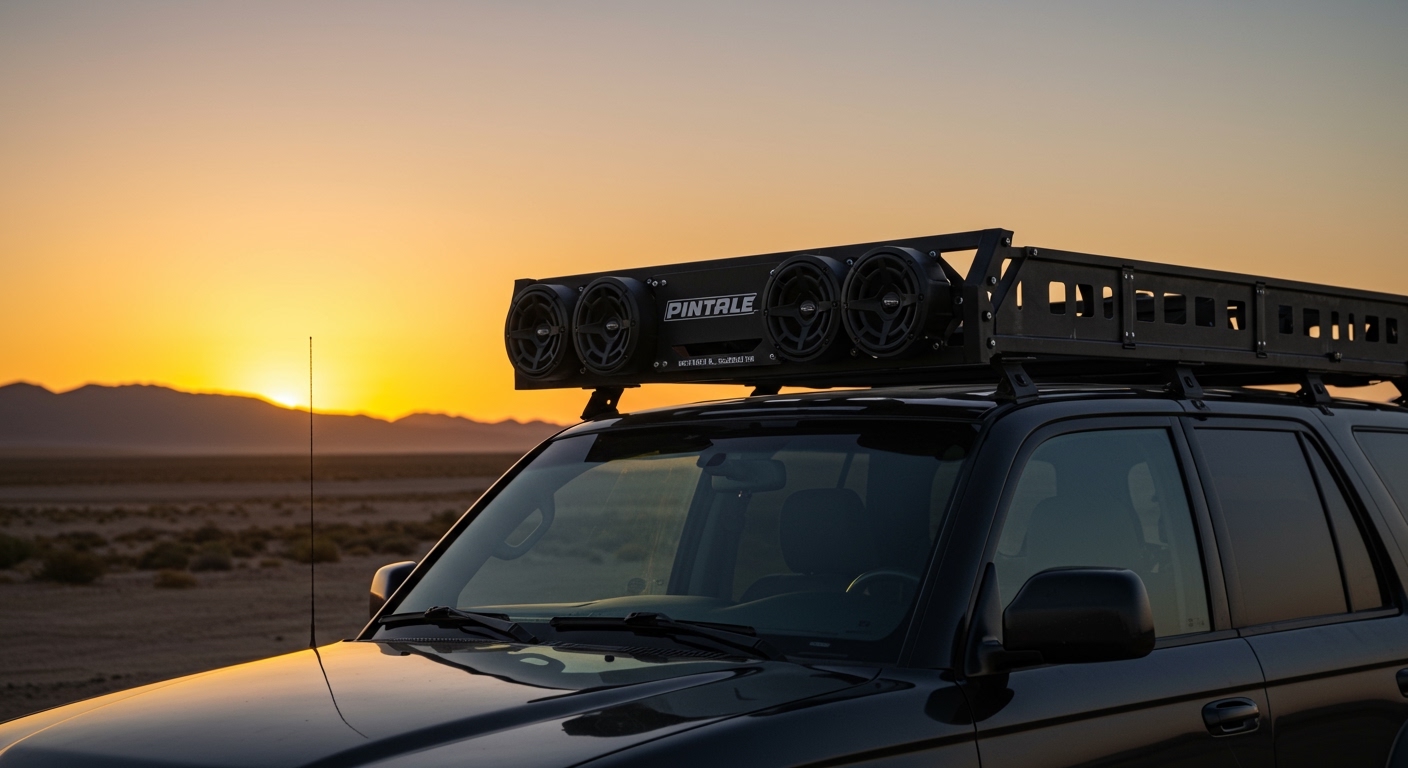
Whether you are building a professional tailgating rig, an overlanding vehicle, or a parade float, understanding the intersection of vehicle equipment laws and noise regulations is vital. Based on our years of experience outfitting off-road vehicles with external audio, we have found that “legal” depends entirely on how, when, and where you flip the switch.
Quick Takeaways: Staying Legal with Outdoor Car Speakers
- Installation vs. Operation: Having the speakers mounted is generally legal; playing them on public roads is often a violation.
- Decibel Limits: Most cities cite drivers if music is audible from 25 to 50 feet away.
- PA System Rules: Using a Public Address (PA) system to mimic emergency sirens or harass pedestrians is a criminal offense in many states.
- Marine Grade is Mandatory: If you install external speakers, they must be IP67 rated to prevent electrical shorts from rain or car washes.
- Off-Road Exception: Private land and sanctioned events (like car shows or tailgates) have different rules than public highways.
Is It Illegal to Have Speakers Outside Your Car? Understanding State and Local Laws
When people ask, “is it illegal to have speakers outside your car?” they are usually dealing with two different types of law: Equipment Standards and Behavioral Ordinances.
Equipment Standards (The Hardware)**
Under the Federal Motor Vehicle Safety Standards (FMVSS), there are no specific prohibitions against mounting speakers on the exterior of a vehicle. However, the installation must not obstruct the driver’s view, cover lighting systems, or extend beyond the legal width of the vehicle (usually 8.5 feet). We have seen enthusiasts mount marine tower speakers to roof racks without issue, provided they are secured with grade-8 hardware.
Noise Ordinances (The Sound)**
This is where most drivers run into trouble. Most municipalities use a “Plainly Audible” standard. If a police officer can hear your outdoor car speakers from a specific distance—often 50 feet—you can be cited.
| State/City Example | Distance for Citation | Typical Penalty |
|---|---|---|
| California | Audible at 50+ feet | Fine ($100 – $500) |
| Florida | Audible at 25+ feet | Non-moving violation |
| New York City | Exceeding 80 dB | Heavy fines / Impoundment |
| Texas | Unreasonable noise | Class C Misdemeanor |
Public Address (PA) System Restrictions**
Many high-end external audio kits include a PA function. It is strictly illegal in almost every state to use these to imitate sirens, whistles, or official emergency signals. Doing so can lead to charges of impersonating a police officer.
Types of Outdoor Car Speaker Systems
If you’ve decided to move forward with an installation, you need to choose the right gear. Standard indoor car speakers will rot and short-circuit within weeks of exposure to the elements.
Marine Tower Speakers
These are the gold standard for outdoor car audio. Originally designed for wakeboard towers on boats, these speakers are housed in UV-resistant enclosures and are completely waterproof. They are best mounted to roll cages or roof racks.
Under-Chassis Rock Lights with Integrated Audio
A newer trend in the overlanding community involves small, “pod” style speakers hidden in the wheel wells or attached to the frame. While they offer lower fidelity, they are excellent for ambient music at a campsite.
External PA Horns
Commonly used by enthusiasts who want to communicate during group trail rides. These are usually monophonic and focused on vocal clarity rather than music quality. Brands like Pyle and Rockville dominate this niche.
Step-by-Step Guide: How to Install Outdoor Car Speakers Safely
Installing external audio requires more care than a standard interior swap. You are dealing with moisture, vibration, and potential theft.
Step 1: Choose Your Mounting Location
Identify a spot that is protected from direct road debris but allows for clear sound projection.
- Recommended: Roof racks, truck bed rails, or behind the front grille.
- Avoid: Areas near the exhaust (heat damage) or low-hanging points vulnerable to rocks.
Step 2: Use Marine-Grade Wiring
Do not use standard copper primary wire. You need Tinned Oxygen-Free Copper (OFC) wire. The tin coating prevents the copper from oxidizing (turning green) when exposed to humidity. We recommend 14-16 AWG for most outdoor pods.
Step 3: Install a Dedicated Kill Switch
To ensure you stay on the right side of the question, “is it illegal to have speakers outside your car?” you should install a physical toggle switch on your dashboard. This allows you to completely disconnect the external speakers while driving in noise-sensitive areas.
Step 4: Waterproof the Connections
Every wire splice must be sealed. Use heat-shrink tubing with an internal adhesive lining. For added protection, apply dielectric grease to the terminals to repel water.
Step 5: Amps and Power Management
External speakers often require more power to overcome ambient wind and engine noise. Use a Class D Amplifier for high efficiency and mount it inside the cabin (under a seat or behind the dash) to keep it dry.
Essential Equipment Checklist for Outdoor Audio
When shopping for your setup, look for these specific certifications and features:
- IP67 or IP68 Rating: Ensures the speaker can be submerged in water without failing.
- ASTM B117 Salt/Fog Resistance: Crucial if you live near the ocean or in “salt belt” states where roads are salted in winter.
- UV-Stabilized Plastics: Prevents the speaker housing from becoming brittle and cracking in the sun.
- Stainless Steel Hardware: Prevents rust streaks on your vehicle’s paint.
Professional Advice: Staying Out of Legal Trouble
As experts who have built show cars with massive external arrays, we follow these “Golden Rules” to avoid tickets:
- The “Residential” Rule: Never test your external speakers in a residential neighborhood. We recommend going to an industrial park or an open field.
- Angle Your Speakers: Pointing speakers downward toward the ground rather than straight out can reduce the distance the sound travels, helping you stay under the 50-foot “plainly audible” limit.
- Use a DSP: A Digital Signal Processor allows you to cap the maximum volume of your external speakers so you don’t accidentally blast them too loud.
- Know Your Local Code: Search your city’s municipal code for “Amplified Sound Permits.” Some cities allow loud outdoor audio if you pay a small fee for a day-use permit (common for beach parties or tailgate events).
Is It Worth It? The Pros and Cons of External Car Audio
The Pros
- Ultimate Tailgating: You become the life of the party at sporting events.
- Trail Communication: Essential for guiding other drivers through difficult off-road obstacles.
- Camping Ambiance: Provides high-quality audio without needing to leave your car doors open (which drains the battery via interior lights).
The Cons
- Legal Scrutiny: You are much more likely to be pulled over if a police officer sees large speakers mounted externally.
- Battery Drain: External speakers and high-wattage amps can kill a standard car battery in under 30 minutes. We recommend a Dual-Battery Setup or a Deep Cycle AGM battery.
- Theft Risk: External gear is easy to spot. Use tamper-proof security bolts for mounting.
Frequently Asked Questions
Is it illegal to have speakers outside your car for a parade?
Generally, no. Most cities provide Special Event Permits for parades that exempt participants from standard noise ordinances. However, you must still follow the specific guidelines set by the parade organizers.
Can I get a ticket if the music is off but the speakers are visible?
In most cases, no. However, some strictly regulated areas might consider visible external speakers “probable cause” to inspect your vehicle for other violations. Always check local “objectionable equipment” laws.
Do external speakers affect my car’s aerodynamics?
Yes. Large marine tower speakers mounted on a roof rack will create significant wind noise and can reduce your fuel economy by 1-2 MPG at highway speeds.
Can I use a PA system to talk to other drivers?
While technically possible, using a PA to yell at other drivers can be classified as road rage or harassment, both of which are criminal offenses. Keep the PA usage limited to private property or sanctioned events.
Final Verdict:
While the answer to “is it illegal to have speakers outside your car?” is a technical “no” regarding the hardware, the “yes” regarding its use is very real. If you choose to install them, treat them like a high-powered off-road light bar: Keep them off while on the pavement, and enjoy them responsibly once you’re off the grid.