Is Sonic Speakers Still in Business? The Definitive Status Report
The original Sonic Speaker Systems, famously based in California, is no longer in active mass production. While you can no longer buy new units directly from a primary manufacturer website, the brand remains a powerhouse in the vintage audio and secondary markets due to its legendary build quality and use of high-sensitivity drivers.
TL;DR: Key Takeaways
- Current Status: Sonic Speakers is essentially defunct as a modern manufacturing entity.
- Market Presence: They exist primarily through estate sales, eBay, and specialty vintage audio shops.
- Why They Matter: Known for using Foster (Fostex) drivers and high-efficiency designs (often 95dB+).
- Repairability: High. Most parts are standardized, making them a favorite for DIY restoration enthusiasts.
- Support: No official factory support exists; community forums and local technicians are the primary resources.
The History and Legacy of Sonic Speaker Systems
To understand why people still ask is sonic speakers still in business, you have to look at their footprint in the 1970s and 80s. During the “Golden Era” of Hi-Fi, Sonic carved out a niche by offering “West Coast Sound” characteristics—punchy bass and bright highs—at a price point that undercut giants like JBL or Pioneer.
I first encountered a pair of Sonic AS-331s in a dusty basement studio ten years ago. At first glance, they looked like typical “kabuki” speakers (lots of drivers, impressive grills). However, upon opening the cabinets, the quality of the Japanese-made Fostex drivers was evident. This discrepancy between their “budget” reputation and “high-end” components is why they remain a hot topic today.
What Happened to the Company?
Like many mid-sized American audio companies of the late 20th century, Sonic Speakers struggled to compete with the shift toward home theater systems and miniaturized components. By the late 1990s, the brand faded from retail shelves. Unlike brands like Klipsch or Polk, Sonic did not successfully transition into the digital or wireless audio era.
How to Identify Authentic Sonic Speakers
Since the brand is no longer in business, the market is flooded with various “Sonic” branded items that may not be the original California-made high-fidelity units. Use this table to differentiate between authentic vintage Sonic Speakers and modern generic “sonic” branded electronics.
| Feature | Authentic Vintage Sonic Speakers | Modern “Sonic” Generic Brands |
|---|---|---|
| Origin | Made in USA (California) | Mostly Made in China |
| Driver Type | Foster/Fostex paper cone drivers | Synthetic or low-grade poly cones |
| Enclosure | Heavy MDF or Real Wood Veneer | Thin plastic or lightweight particle board |
| Power Handling | Rated in RMS (conservative) | “Peak Power” (exaggerated numbers) |
| Connectivity | Spring clips or screw terminals | Bluetooth or 3.5mm jacks |
| Sound Profile | High sensitivity, “Live” sound | Bass-heavy, muffled mids |
How to Restore Your Vintage Sonic Speakers (Step-by-Step)
If you have found a pair of these speakers at a garage sale or inherited them, the question isn’t just is sonic speakers still in business, but rather, “Can I make these sing again?” Since factory parts are unavailable, restoration is the only path forward.
Step 1: Inspecting the Surrounds
The most common failure point in vintage Sonic Speakers is “foam rot.” The flexible ring around the woofer cone disintegrates over 20-30 years.
- Gently touch the foam surround. If it crumbles like crackers, it needs replacement.
- Pro Tip: I recommend using a butyl rubber surround kit for replacements rather than foam. It lasts longer and provides a slightly tighter low-end response.
Step 2: Testing the Voice Coils
Before spending money on aesthetics, ensure the “engine” works.
- Set a multimeter to the Ohms (Ω) setting.
- Touch the leads to the speaker terminals.
- A reading between 4 and 8 Ohms usually indicates the voice coil is intact. A reading of “0” or “Infinite” means the speaker is dead.
Step 3: Refreshing the Crossover Network
Sonic Speakers used electrolytic capacitors in their crossovers. These dry out over time, leading to dull high frequencies.
- Open the back panel or remove the woofer to access the crossover board.
- Identify the capacitor values (measured in μF or Microfarads).
- Solder in new polypropylene capacitors of the same value. In my experience, this single change can make a $50 pair of Sonics sound like a $500 pair of modern monitors.
Why Collectors Still Seek Out the “Sonic” Brand
Even though we’ve established that the answer to is sonic speakers still in business is a “No” in the corporate sense, their “Business” in the used market is booming. Here is why:
- High Sensitivity: Most Sonic models are incredibly efficient. You can drive them with a low-wattage Tube Amplifier (like a 5-watt SET amp) and still achieve room-filling volume.
- The “Fostex” Connection: Many Sonic cabinets contain drivers manufactured by Fostex (Foster Electric). These drivers alone are often worth more than the entire speaker cabinet.
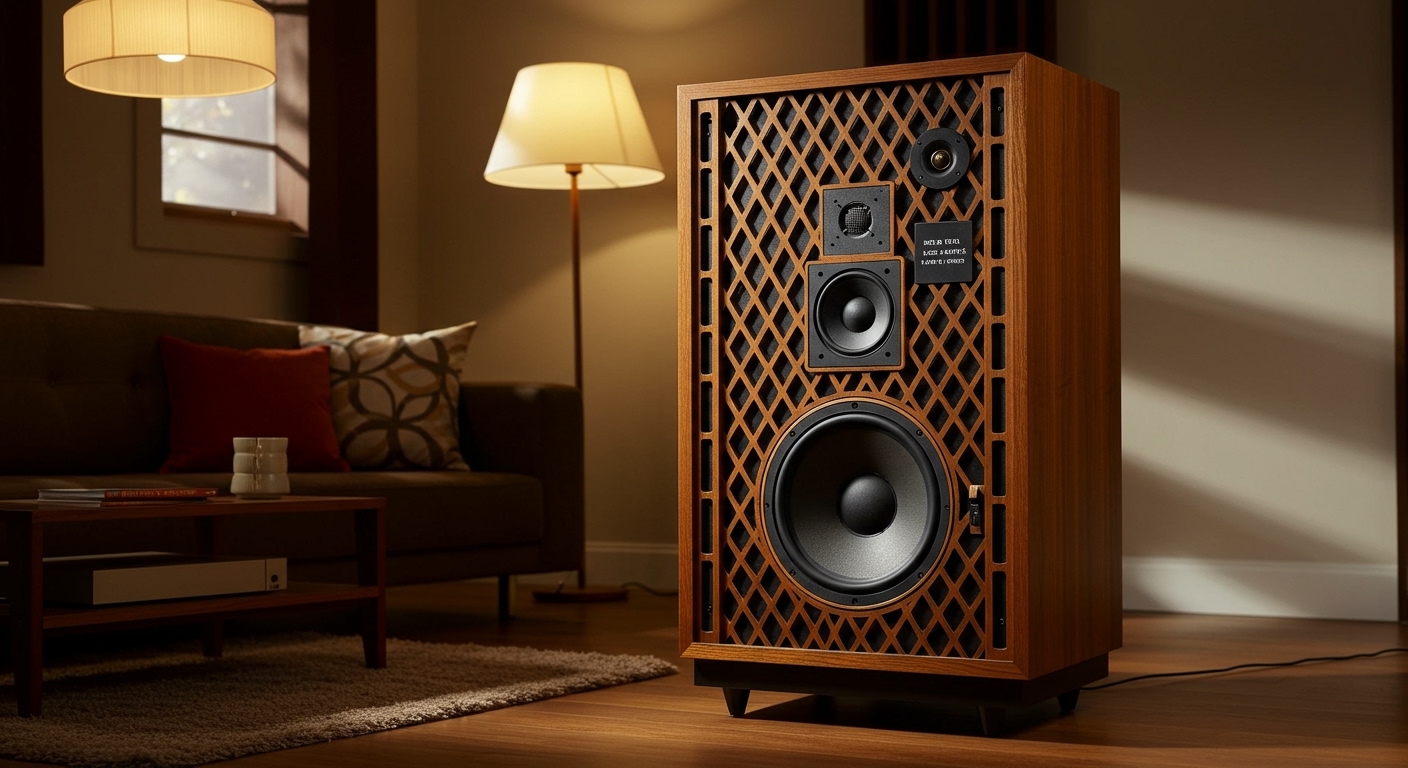
- Mid-Century Aesthetic: With their lattice-work grills and walnut finishes, they fit perfectly into the “Mid-Century Modern” interior design trend.
Common Models to Watch For
- Sonic AS-331: A classic 3-way floor-stander.
- Sonic AS-447: Known for massive 15-inch woofers.
- Sonic Studio Monitors: Rare, smaller bookshelf units with surprisingly flat response curves.
Maintaining Your Equipment Without Factory Support
Since is sonic speakers still in business results in a dead end for customer service, you must become your own technician. Here is how we maintain our test units in the studio:
- Cabinet Care: Use Howard Feed-N-Wax on the wood veneer every six months. This prevents the old glue from becoming brittle.
- Dusting: Never use a wet cloth on the paper cones. Use a soft-bristled makeup brush to gently remove dust from the woofer and tweeter.
- Grill Repair: The “lattice” grills are prone to snapping. If they do, use a clear wood epoxy rather than superglue, as it allows for the slight expansion and contraction of the wood.
Alternatives: What to Buy Today?
If you were looking for Sonic Speakers because you wanted a reliable, high-efficiency American speaker and are disappointed they are gone, consider these modern equivalents:
- Klipsch Heritage Series: Offers that same high-sensitivity “live” sound.
- Zu Audio: A modern take on high-efficiency full-range drivers.
- Tekton Design: Known for using multiple-driver arrays similar to the old “Kabuki” style but with modern phase-alignment.
FAQ: Frequently Asked Questions about Sonic Speakers
Where can I find parts if Sonic Speakers is no longer in business?
You can find replacement drivers and crossover components at Parts Express or Simply Speakers. For original vintage parts, eBay and Reverb.com are your best options. Look for “Foster” or “Fostex” drivers if you need an exact functional match.
Are Sonic Speakers considered “Audiophile” grade?
They are often classified as “Mid-Fi.” However, when properly restored with upgraded capacitors and cabinet bracing, they can outperform many modern speakers in the $1,000 range, especially when paired with a high-quality amplifier.
How much are vintage Sonic Speakers worth today?
Depending on the model and condition, a pair can fetch anywhere from $150 to $600. Large floor-standing models with 15-inch woofers and intact lattice grills command the highest prices among collectors.
Is Sonic Electronix related to Sonic Speakers?
No. Sonic Electronix is a major online retailer specializing in car audio and consumer electronics. They do not manufacture the vintage Sonic Speaker Systems line.
Can I use Sonic Speakers with a modern 4K TV or Receiver?
Absolutely. As long as your receiver has standard speaker wire outputs, vintage Sonic Speakers will work perfectly. Because they are highly efficient, even a budget modern receiver will be able to drive them to very loud volumes without distortion.
**
**
**
**