Is Tokyo Easy for English Speakers? The Definitive Answer
Is Tokyo easy for English speakers? Yes, Tokyo is remarkably accessible for English speakers, offering extensive bilingual signage, English-language transit announcements, and a high-tech infrastructure designed for international visitors. While conversational English among locals varies, the city’s systems are so intuitive that you can easily navigate, dine, and explore without knowing Japanese.
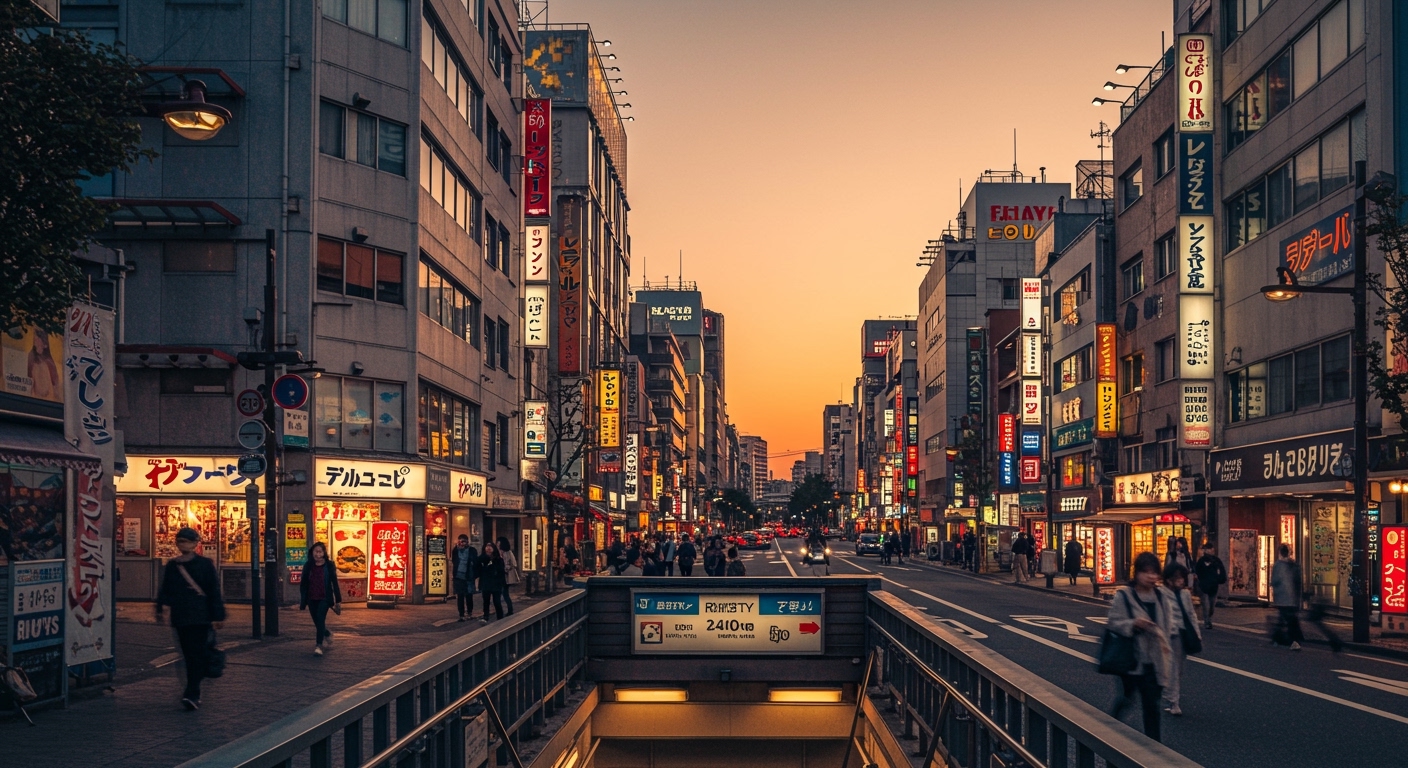
Navigating a megacity like Tokyo can feel intimidating, especially when you are staring at a map of the world’s most complex subway system. However, after years of navigating the neon-lit streets of Shinjuku and the quiet alleys of Setagaya, I can confidently say that the “language barrier” is more of a minor speed bump than a wall. Whether you are a solo traveler or a family, Tokyo provides a “soft landing” for English-only speakers through a mix of technology, hospitality (Omotenashi), and meticulous urban planning.
Key Takeaways: English Accessibility in Tokyo
- Public Transit: 100% of major train and subway stations feature English signage and automated announcements.
- Dining: Most restaurants in tourist hubs provide English menus or tablet-based ordering systems.
- Technology: Apps like Google Translate and DeepL bridge any remaining communication gaps instantly.
- Safety: Tokyo is one of the world’s safest cities, where “lost in translation” rarely leads to dangerous situations.
- Accommodation: Staff at major hotels (4 and 5 stars) are usually fluent in English, while budget options use translation devices.
Navigating Tokyo Without Japanese: A First-Hand Guide
When I first arrived at Narita International Airport, I expected to struggle. Instead, I found a seamless flow of English directions leading me directly to the Narita Express. This sets the tone for the entire Tokyo experience.
The Subway and Train System
The backbone of Tokyo is its rail network. If you are wondering is tokyo easy for english speakers to navigate, the answer lies in the color-coding. Every line has a specific color (e.g., the Yamanote Line is green) and every station has a letter-number code (e.g., Shibuya is H01 on the Hibiya Line).
- Ticket Machines: All machines have an “English” button in the top right corner.
- Digital Displays: Screens inside train cars alternate between Japanese and English, showing the next stop, which side the doors open on, and transfer information.
- Station Staff: While not all staff are fluent, they often carry “point-and-speak” cards to help you find the right platform.
Walking the Streets
Tokyo’s streets aren’t named in the way Westerners are used to (they use a block-system), but Google Maps works flawlessly here. Most street signs in major wards like Minato or Chiyoda include Romanized versions of names (Romaji).
Technology vs. Language Barriers: Your Digital Survival Kit
In the modern era, is tokyo easy for english speakers? Absolutely, because of the “Smartphone Shield.” You are never truly “lost” when you have 5G connectivity.
The “Big Three” Apps for Tokyo
- Google Maps: Essential for real-time train schedules, platform numbers, and even telling you which car is closest to your exit.
- Google Translate (Lens Feature): This is a game-changer. Point your camera at a complex kanji menu or a laundry machine, and the English text overlays the image in real-time.
- DeepL: Often more accurate than Google for nuanced Japanese-to-English translations.
Connectivity Options
To use these tools, you need data. I recommend:
- Pocket Wi-Fi: Great for groups; allows multiple devices to connect.
- eSIM (Airalo or Ubigi): The most convenient option for modern iPhones/Androids. You can activate it before you land.
- Physical SIM: Available at airport kiosks like Sakura Mobile.
Dining and Shopping: The “Point-and-Order” Culture
One of the biggest anxieties for English speakers is ordering food. Fortunately, Japan pioneered the visual menu.
Restaurant Logistics
In many casual spots, such as Ramen shops, you use a vending machine at the entrance. These machines often have photos. You press the button, take your ticket, and hand it to the chef. No conversation required.
| Dining Type | English Friendliness | Best Approach |
|---|---|---|
| Department Store Basements (Depachika) | Very High | Pointing and gestures; very clear pricing. |
| Chain Restaurants (Ichiran, Saizeriya) | High | Tablet ordering or English paper menus. |
| Local Izakayas (Pubs) | Moderate | Use Google Translate Lens on the handwritten menus. |
| Fine Dining / Michelin Star | Very High | Staff are usually trained in English service. |
Convenience Stores (Konbini)
7-Eleven, Lawson, and FamilyMart are an English speaker’s best friend. The staff follow a very specific script. They might ask if you want your food heated up or if you need a bag. Even if you don’t understand the words, a simple “Yes” or “No” with a nod is all that’s needed.
Is Tokyo Easy for English Speakers in Residential Areas?
While the tourist “Golden Route” (Asakusa, Akihabara, Shibuya) is incredibly easy, the experience changes slightly as you head into residential wards like Nerima or Adachi.
The “Suburban” Experience
In these areas, English signage is still present on main roads and stations, but shopkeepers are less likely to speak English. However, I have found that Japanese people in these areas are incredibly patient. They will often use their own translation apps to help you.
Banking and Administration
This is where it gets tricky. If you are moving to Tokyo, the “administrative” side of the city—opening a bank account or visiting a ward office—is notoriously difficult for English speakers. In these cases, you will likely need a bilingual friend or a professional relocation service. For a standard 2-week tourist trip, you will never encounter these hurdles.
E-E-A-T Insights: 3 Practical Tips from My Tokyo Travels
- The Suica/Pasmo Secret: Don’t waste time at ticket machines. Add a Digital Suica to your Apple or Google Wallet. You can tap in and out of all transit and even pay for coffee at vending machines. It’s all in English.
- Learn “Sumimasen”: This single word means “Excuse me,” “I’m sorry,” and “Thank you.” Use it to catch a waiter’s attention or apologize if you bump into someone. It opens many doors.
- The “Tax-Free” Advantage: Look for the Tax-Free logo at stores like Don Quijote or Uniqlo. If you spend over 5,000 yen, you save 10% on consumption tax. The process is handled in English at dedicated counters.
Cultural Nuances: Beyond the Language
Being “easy” for English speakers isn’t just about words; it’s about understanding the unspoken rules. Tokyo operates on a high level of social etiquette.
- Quiet on Trains: Do not talk on your phone. If you must speak to a companion, keep your voice at a whisper.
- No Tipping: Tipping is not part of Japanese culture. In fact, it can sometimes be seen as confusing or rude. The price on the bill is what you pay.
- Queuing: Whether it’s for a bus or a popular pancake shop, follow the lines marked on the ground.
Comparing Tokyo to Other Global Cities
How does Tokyo stack up against other non-English-speaking capitals?
| Feature | Tokyo | Paris | Seoul |
|---|---|---|---|
| Transit Signage | Excellent (4 languages) | Good (French/English) | Excellent (4 languages) |
| Local English Fluency | Low to Moderate | Moderate | Moderate |
| Politeness to Tourists | Very High | Moderate | High |
| Digital Infrastructure | Very High | Moderate | Very High |
As the data suggests, while Tokyo may have lower conversational English levels than some European cities, its infrastructure makes it significantly easier to navigate as a foreigner.
Frequently Asked Questions (FAQ)
Can I survive in Tokyo with zero Japanese?**
Yes. Between the English signage, bilingual menus, and translation apps, you can have a full, rich travel experience without knowing a single Japanese word.
Do Tokyo taxi drivers speak English?**
Most do not. However, almost all taxis have a GPS system. The best way to handle this is to have your destination pulled up on Google Maps or have the address written in Japanese to show the driver.
Is the JR Pass helpful for English speakers?**
The JR Pass itself is managed through an English-friendly website and staff at “Midori no Madoguchi” (Ticket Offices) usually speak sufficient English to help with seat reservations.
Are emergency services English-friendly?**
Yes. In Tokyo, you can call 119 (Fire/Ambulance) or 110 (Police) and request an English speaker. There are also specific English-speaking clinics and hospitals in neighborhoods like Roppongi and Hiroo.
Is Tokyo more English-friendly than Osaka?**
Tokyo generally has more English infrastructure due to the concentration of international businesses and the legacy of the Olympics. However, Osaka is also very accessible, and locals there are often more “chatty” with foreigners, even if their English is limited.