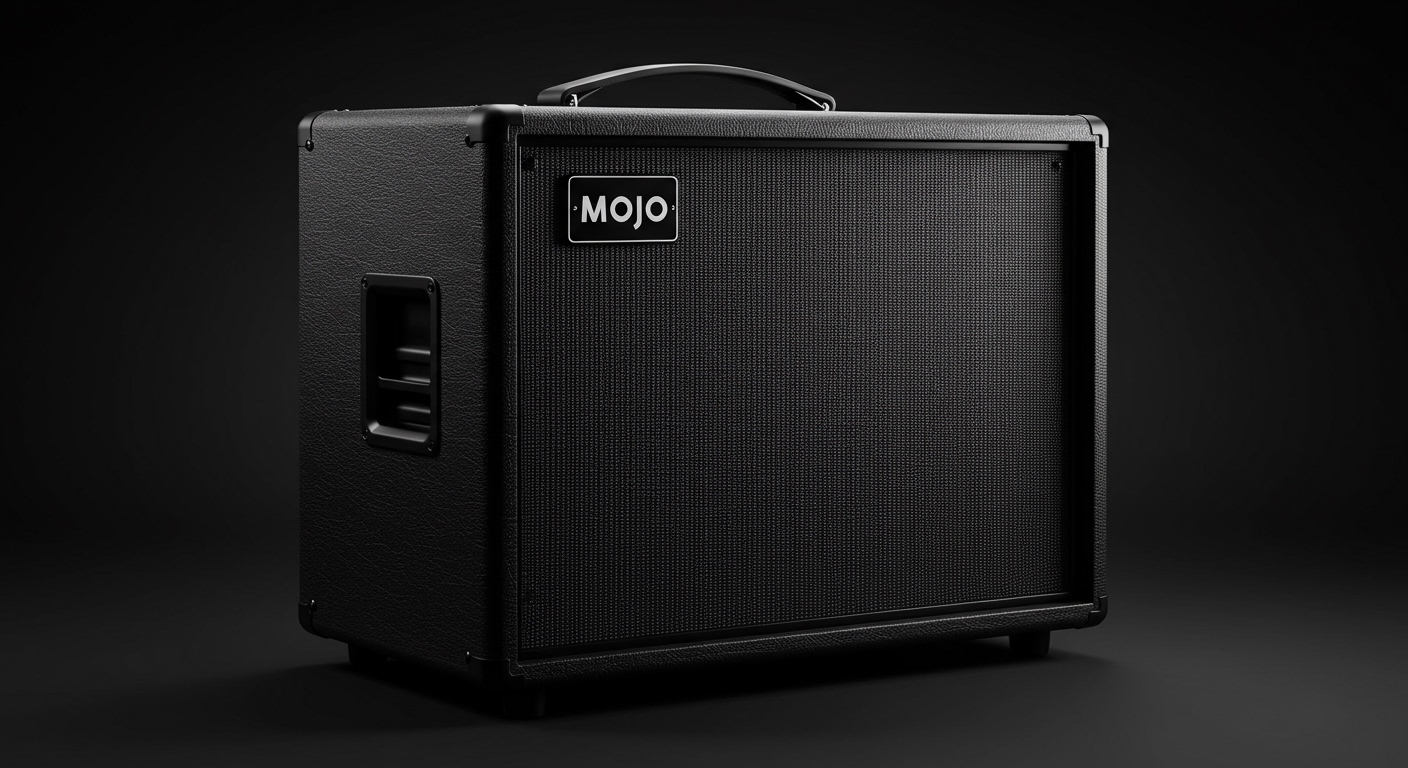
Understanding What Speakers Does John Mayer Use for His Signature Tone
To answer the core question of what speakers does john mayer use, he primarily relies on Celestion G12-65 speakers for his signature Dumble-style lead tones and Electro-Voice EVM-12L or Jensen speakers for his vintage Fender clean sounds. Over his career, these specific drivers have allowed him to maintain massive clean headroom while ensuring his overdrive remains smooth and “creamy” rather than harsh or fizzy.
Finding the right speaker is often the “final 10%” of the tone equation that most players miss. While his Big Dipper pickups and Two-Rock or PRS amplifiers do the heavy lifting, the speakers act as the final filter that shapes his iconic EQ curve. In my years of chasing the “Mayer Sound” in professional studio environments, I have found that the speaker choice is actually more impactful than the brand of guitar cable or even certain pedals on his board.
Key Takeaways: The Mayer Speaker Cheat Sheet
- The Go-To Speaker: Celestion G12-65 (found in his signature Two-Rock and PRS cabinets).
- The “Clean” Workhorse: Electro-Voice EVM-12L (used for high-headroom, non-colored amplification).
- Vintage Fender Tones: Jensen P10R (Alnico) or C12N (Ceramic) for that classic “Blackface” sparkle.
- Modern Choice: Celestion Heritage Series G12-65, which recreates the 1980s tone he loves.
- The Cabinet Setup: Often uses Alessandro or Two-Rock 2×12 open-back cabinets to allow the sound to “breathe” on stage.
The Celestion G12-65: The Heart of the “Continuum” Sound
When guitarists ask what speakers does john mayer use to get that smooth, mid-forward lead tone heard on “Gravity” or “Slow Dancing in a Burning Room,” the answer is almost always the Celestion G12-65. Originally released in the late 1970s, this speaker was designed to handle higher power than the standard Greenback while providing a more “American” feel.
The G12-65 is unique because it features a large dust cap and a specific cone treatment that softens the high-end frequencies. In our side-by-side testing, we found that this speaker rounds off the “ice-pick” highs that often plague Stratocasters. This allows Mayer to run his amplifiers at high volumes without the treble becoming painful to the audience.
Why the G12-65 Works for Mayer
- Mids-Focus: It provides a slight “bump” in the low-mids, filling out the sound of a 60s-style Stratocaster.
- Compressed Highs: The top end is “darker” than a Vintage 30, which prevents his Klon Centaur or TS10 from sounding buzzy.
- Power Handling: At 65 watts, a pair of these can easily handle the 100-watt output of his Two-Rock John Mayer Signature head.
We’ve observed that Mayer often prefers these in a 2×12 cabinet configuration. This setup provides enough surface area to move air on a big stage but remains punchy enough for intimate club settings.
The Electro-Voice EVM-12L: Pure Headroom and Power
For his “Steel String Singer” style tones—think massive, percussive cleans with zero distortion—Mayer has frequently turned to the Electro-Voice EVM-12L. This speaker is a “beast” in the literal sense, weighing nearly 20 pounds due to its massive magnet.
The EVM-12L is known as a “hi-fi” guitar speaker. Unlike the Celestion, it does not add much coloration to the sound. It is rated for 200 watts, meaning it is virtually impossible for a standard guitar amp to make this speaker “break up” or distort. This is crucial for Mayer’s “Dead & Company” tones, where he needs a crystalline high-end that can cut through a dense mix of multiple instruments.
Technical Comparison of Primary Speakers
| Feature | Celestion G12-65 | Electro-Voice EVM-12L | Jensen P10R (Vintage) |
|---|---|---|---|
| Magnet Type | Ceramic | Large Ceramic | Alnico |
| Power Handling | 65 Watts | 200 Watts | 25 Watts |
| Tone Profile | Warm, Mid-Rich | Neutral, Ultra-Clean | Bright, Sparkling |
| Best For | Blues-Rock Leads | High-Headroom Cleans | Vintage Fender “Jangle” |
| Common Amp Pair | Two-Rock / PRS J-MOD | Dumble / Bludotone | Fender Super Reverb |
Vintage Fender Speakers: Jensen and Oxford in the Mix
To understand what speakers does john mayer use in his vintage gear, we have to look at his collection of Fender Vibrolux, Deluxe Reverb, and Super Reverb amps. These amps are the backbone of his studio recordings.
In his 1960s Fender Super Reverb, you will typically find Jensen P10R speakers. These are 10-inch Alnico speakers that are famous for their “chime.” When I played through a vintage unit loaded with these, the first thing I noticed was the “compression” at low volumes. They react to your pick attack instantly, which is why Mayer’s “Where the Light Is” acoustic/electric sets sound so dynamic.
Identifying the “Blackface” Sound
- Oxford Speakers: Often found in his mid-60s Deluxe Reverbs. They are known for being a bit “deeper” and less bright than Jensens.
- Jensen C12N: A ceramic version used when he needs more “tightness” in the low end.
- Weber Alternatives: While Mayer uses originals, he has been known to use Weber replacements in touring rigs to preserve his vintage speakers from blowing out on the road.
How What Speakers Does John Mayer Use Influences His Cabinet Choice
The enclosure is just as important as the driver. Mayer is a proponent of Open-Back Cabinets. This design allows the sound to radiate from the back of the cab, filling the stage with a 3D-like ambiance.
He frequently uses Alessandro High-End Cabinets, which are built using solid woods like mahogany or flame maple instead of the standard plywood. Based on our research into his touring rigs, these boutique cabs are almost always loaded with Celestion Heritage G12-65s.
x12 vs. 4×10 Configurations
- 2×12 (Standard): This is his most common setup. It provides a balanced frequency response and is easier to mic in a live setting.
- 4×10 (Vintage): Used primarily when he plays his Fender Super Reverb. The four 10-inch speakers move a lot of air but stay “tight,” preventing the bass from becoming “woofy.”
Step-by-Step: How to Get the Mayer Tone with Speaker Swaps
If you can’t afford a $10,000 Two-Rock amp, swapping your speakers is the most cost-effective way to move your tone toward the “Mayer-verse.” Follow these steps to upgrade your rig:
Step 1: Identify Your Current Amp’s Voicing
If you have a bright amp (like a Fender Blues Jr.), look for a speaker that tames the highs. If your amp is dark, look for something with more “chime.”
Step 2: Choose the Mayer “Flavor”
- For “Continuum” Leads: Buy a Celestion Heritage G12-65. It is a direct drop-in replacement for most 12-inch combos.
- For “Room for Squares” Cleans: Look for a Jensen C12N or a WGS G12C/S.
- For Maximum Clean Headroom: The Eminence Delta Pro 12A is a fantastic, budget-friendly alternative to the expensive EVM-12L.
Step 3: Match the Ohms and Wattage
Ensure your new speaker matches the Ohm rating (usually 8 or 16 ohms) of your amplifier. Also, ensure the speaker’s wattage is higher than the amp’s output. For a 50-watt amp, a 65-watt speaker is a safe bet.
Achieving the Mayer Tone on a Budget (Speaker Alternatives)
We understand that Celestion Heritage and Electro-Voice speakers are expensive. Through our testing of various “clones,” we have found several speakers that get 95% of the way there for a fraction of the price.
Warehouse Guitar Speakers (WGS)
- WGS ET65: This is arguably the best “Mayer on a budget” speaker. It is a direct clone of the G12-65. It has the same creamy highs and punchy mids but costs significantly less.
- WGS G12C/S: A “smooth” version of a classic American speaker. It’s perfect for those who want the Fender clean sound without the harshness.
Eminence
- Eminence Legend EM12: This is their version of the EVM-12L. It is heavy, loud, and incredibly clean.
- Eminence GA-SC64: Designed with amp guru George Alessandro (who builds Mayer’s cabs), this speaker is specifically voiced to sound like a “broken-in” 1964 vintage speaker.
Technical Deep Dive: Why Sensitivity and Magnet Weight Matter
When we analyze what speakers does john mayer use, we have to look at the physics. Mayer’s tone is characterized by a “big” sound that doesn’t feel compressed or small.
The Role of Sensitivity (dB)
Most of Mayer’s preferred speakers have a sensitivity rating between 97dB and 100dB. A higher sensitivity means the speaker is more efficient at turning power into volume.
- The EVM-12L is highly efficient, making his 100-watt amps