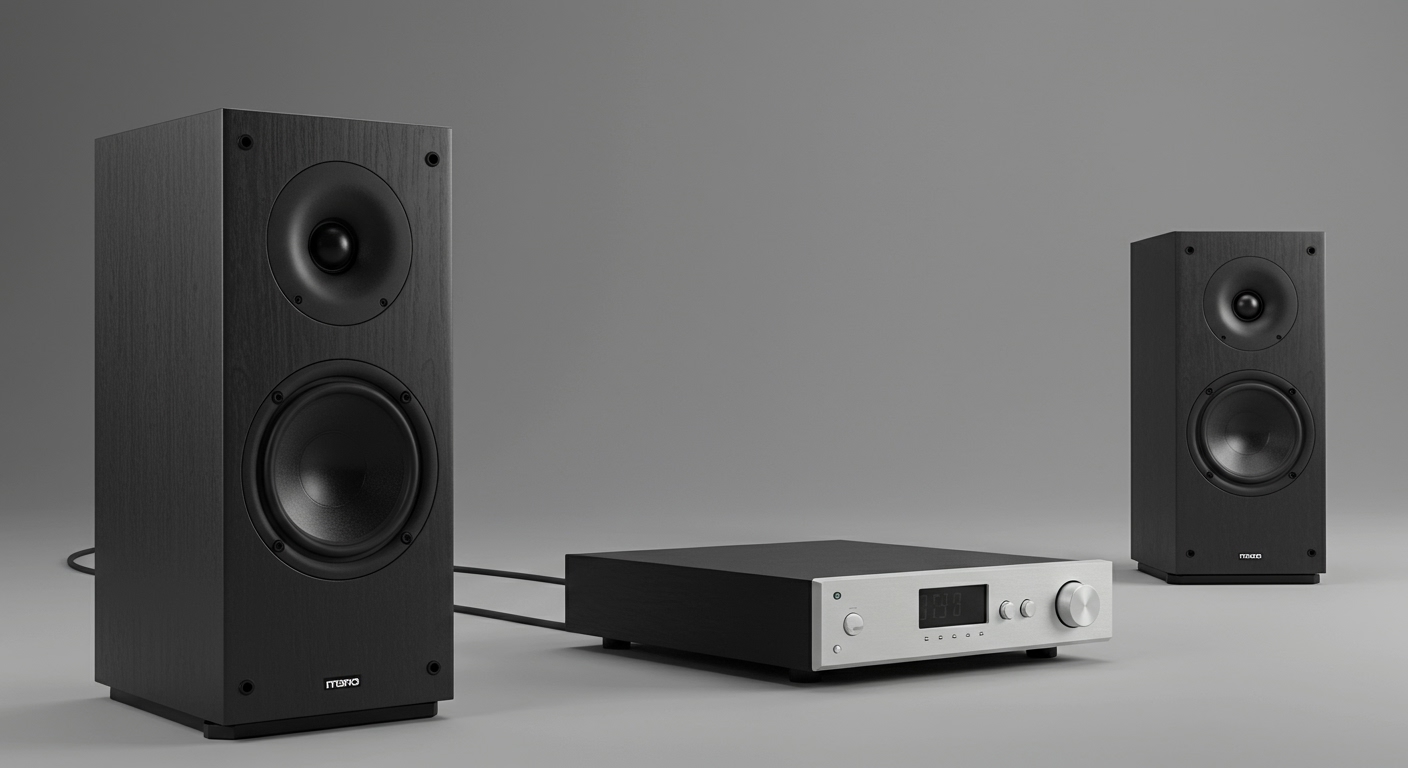
A Direct Answer: Do Klipsch Speakers Come With Wires?
No, most Klipsch speakers do not come with the necessary speaker wires to connect them to your amplifier or AV receiver. While some entry-level bookshelf models or all-in-one systems might include a small spool of very basic, thin wire, premium lines like the Reference Premiere and Heritage series almost never do.
This isn’t an oversight by Klipsch. It’s an intentional decision common among high-fidelity audio brands. They understand that audiophiles and home theater enthusiasts prefer to choose their own speaker cables based on their specific needs, such as the length of the run, desired quality, and termination type (like banana plugs). Leaving out the wires prevents unnecessary waste and allows you, the user, to build a system without compromise.
Why High-End Speakers Omit Cables
The logic is simple: including a “one-size-fits-all” cable would create a performance bottleneck for these high-performance speakers.
- Customization is Key: Every room and setup is different. The 15-foot cable included in a box might be useless for someone needing a 50-foot run for their surround sound speakers.
- Quality Control: Manufacturers like Klipsch can’t guarantee the quality of a pack-in cable will meet the user’s standards. By omitting it, they empower the user to select a cable that matches the quality of their other components.
- Avoiding Waste: Most serious audio enthusiasts have their preferred brand and gauge of speaker wire. Including a basic cable means it would likely be thrown away, which is environmentally and economically inefficient.
What’s Actually in the Box with Your New Klipsch Speakers?
Unboxing new speakers is always exciting. While you probably won’t find speaker wire, you will find several key components designed to help you get the best performance and look from your new investment.
Based on my experience setting up numerous pairs, from the RP-600M bookshelf speakers to the towering RF-7 III floorstanders, here’s what you can consistently expect:
- The Speakers: The main event, carefully protected in foam or molded pulp.
- Magnetic Grilles: Most modern Klipsch speakers come with low-profile magnetic grilles to protect the drivers. They are easy to snap on and off, allowing you to choose between a stealthy look or showing off those iconic copper cones.
- Rubber Feet / Floor Spikes: Floorstanding speakers typically include two sets of feet. The rubberized feet are for hard surfaces like hardwood or tile to prevent scratching. The pointed spikes are for carpeted floors; they pierce the carpet and padding to couple the speaker directly to the subfloor, improving stability and bass response.
- User Manual & Warranty Information: Essential reading that covers specifications, placement recommendations, and connection diagrams.
- Bumper Pads: Small, self-adhesive rubber pads are often included for bookshelf speakers to provide isolation and prevent scuffing on your furniture or stands.
Why You Should Upgrade (or Buy) Your Klipsch Speaker Wires
If your Klipsch speakers did happen to come with a thin strand of wire, my professional advice is to replace it. Using an undersized or low-quality speaker wire is like putting budget tires on a performance sports car—you’re limiting the full potential of the machine.
A high-quality speaker cable is not about “magic,” it’s about pure physics. A good cable’s job is to transmit the electrical signal from your amplifier to your speaker with the least possible resistance or signal loss.
The Importance of Wire Gauge (AWG)
The most critical factor in a speaker wire is its thickness, measured in American Wire Gauge (AWG). It’s a bit counter-intuitive: the lower the AWG number, the thicker the wire.
- Thicker Wire (Lower AWG): Has less resistance to electrical current flow. This is crucial for longer cable runs and for power-hungry speakers, ensuring they receive all the power the amplifier sends without any loss.
- Thinner Wire (Higher AWG): Has more resistance. Over a long distance, this resistance can audibly degrade the sound signal, particularly affecting bass response and the speaker’s ability to be controlled by the amplifier (damping factor).
The basic wire included with some electronics is often 22 or 24 AWG, which is simply too thin for any serious listening or runs longer than a few feet.
The Difference in Conductor Material
The metal inside the wire matters immensely. You’ll primarily see two types on the market:
- Oxygen-Free Copper (OFC): This is the industry standard for high-quality audio. The refining process removes oxygen and other impurities, which increases conductivity and prevents the copper from corroding over time, ensuring a clean signal for decades.
- Copper-Clad Aluminum (CCA): This is an aluminum wire with a thin copper coating. It’s much cheaper to produce but is a significantly worse conductor than pure copper. CCA has about 60-70% of the conductivity of OFC, meaning you’d need a much thicker CCA wire to equal the performance of a thinner OFC cable. I strongly recommend avoiding CCA wire for any quality home audio setup.
A Step-by-Step Guide to Choosing the Right Klipsch Speaker Cables
Selecting the right wires is straightforward once you know what to look for. Follow these four steps to ensure you’re getting the perfect match for your Klipsch speakers and your room.
Step 1: Determine the Correct Wire Gauge (AWG)
The right gauge depends on two things: the length of the cable run and the impedance of your speakers. Most Klipsch home audio speakers have a nominal impedance of 8 Ohms, which makes selection easy.
Use this table as your guide. When in doubt, it never hurts to go one size thicker (a lower AWG number).
| Cable Run Length | Recommended AWG (for 8 Ohm Speakers) | Best For… |
|---|---|---|
| Up to 25 feet | 16 AWG | Bookshelf speakers on a desk, small rooms. |
| **25 to 75 feet