The Definitive Guide to Language Families & Their Speakers
Ever wondered how languages as different as Spanish, Hindi, and English can be related? They belong to a massive linguistic supergroup, and understanding these “families” unlocks the story of human migration and history. If you’re trying to figure out which group is the biggest, you’ve come to the right place.
The Indo-European language family has the most speakers in the world, with over 3.2 billion native speakers. This single family accounts for roughly 46% of the global population, making it the most widespread and influential group of languages on Earth. In this guide, we’ll break down exactly why Indo-European is number one, explore the other major families, and show you how linguists piece this incredible puzzle together.
Key Takeaways
- Top Family by Speakers: The Indo-European family is the largest, with over 3.2 billion speakers. Its members include English, Spanish, Hindi, French, and Russian.
- Top Family by Language Count: The Niger-Congo family has the most individual languages, with over 1,500 distinct languages spoken across Africa.
- Runner-Up by Speakers: The Sino-Tibetan family is second, primarily due to the 1.3 billion speakers of Sinitic languages like Mandarin Chinese.
- Primary Driver of Spread: The global dominance of the Indo-European family is largely a result of historical migrations, conquests, and European colonialism from the 15th century onwards.
What Language Family Has the Most Speakers? A Direct Answer
The Indo-European language family is, by a significant margin, the family with the most speakers globally. It is a vast and diverse group of several hundred related languages and dialects.
As of recent data from sources like Ethnologue, this family includes:
- Approximately 3.2 billion native speakers.
- An additional 1.5 billion people who speak an Indo-European language as a second language (like English).
- A total of 448 living languages and dialects.
This family’s reach is truly global, with a major presence on every inhabited continent. Some of its most prominent members are the world’s most spoken languages, including English, Spanish, Hindi-Urdu, French, Portuguese, Bengali, and Russian.
The World’s Top 10 Language Families by Speaker Count
While Indo-European holds the top spot, the world’s linguistic landscape is incredibly diverse. Understanding which other families have a major presence helps put its dominance into perspective. In my work analyzing global linguistic data, I’ve found this table to be the clearest summary of the current situation.
| Rank | Language Family | Approx. Native Speakers | Number of Languages | Key Languages |
|---|---|---|---|---|
| 1 | Indo-European | 3.2 Billion | 448 | English, Spanish, Hindi, French, Russian |
| 2 | Sino-Tibetan | 1.4 Billion | 455 | Mandarin, Burmese, Tibetan |
| 3 | Niger-Congo | 700 Million | 1,542 | Swahili, Yoruba, Igbo, Zulu, Shona |
| 4 | Afro-Asiatic | 500 Million | 375 | Arabic, Hausa, Hebrew, Somali |
| 5 | Austronesian | 386 Million | 1,257 | Malay, Javanese, Tagalog, Malagasy |
| 6 | Dravidian | 250 Million | 80 | Tamil, Telugu, Kannada, Malayalam |
| 7 | Turkic | 170 Million | 35 | Turkish, Uzbek, Azerbaijani |
| 8 | Japonic | 125 Million | 12 | Japanese, Ryukyuan languages |
| 9 | Kra-Dai | 93 Million | 95 | Thai, Lao |
| 10 | Austroasiatic | 117 Million | 167 | Vietnamese, Khmer |
Data is aggregated from sources including Ethnologue 2023 and SIL International. Speaker counts are approximate and can fluctuate.
Why Does the Indo-European Family Dominate the Globe?
The question of what language family has the most speakers inevitably leads to “why?” The answer isn’t that Indo-European languages are inherently “better” or “easier.” Their success is a direct result of several key historical and geographical factors.
The Proto-Indo-European Origin
Linguists theorize that most of these languages descend from a single prehistoric language known as Proto-Indo-European (PIE). While we have no written records of PIE, we can reconstruct it by comparing its daughter languages.
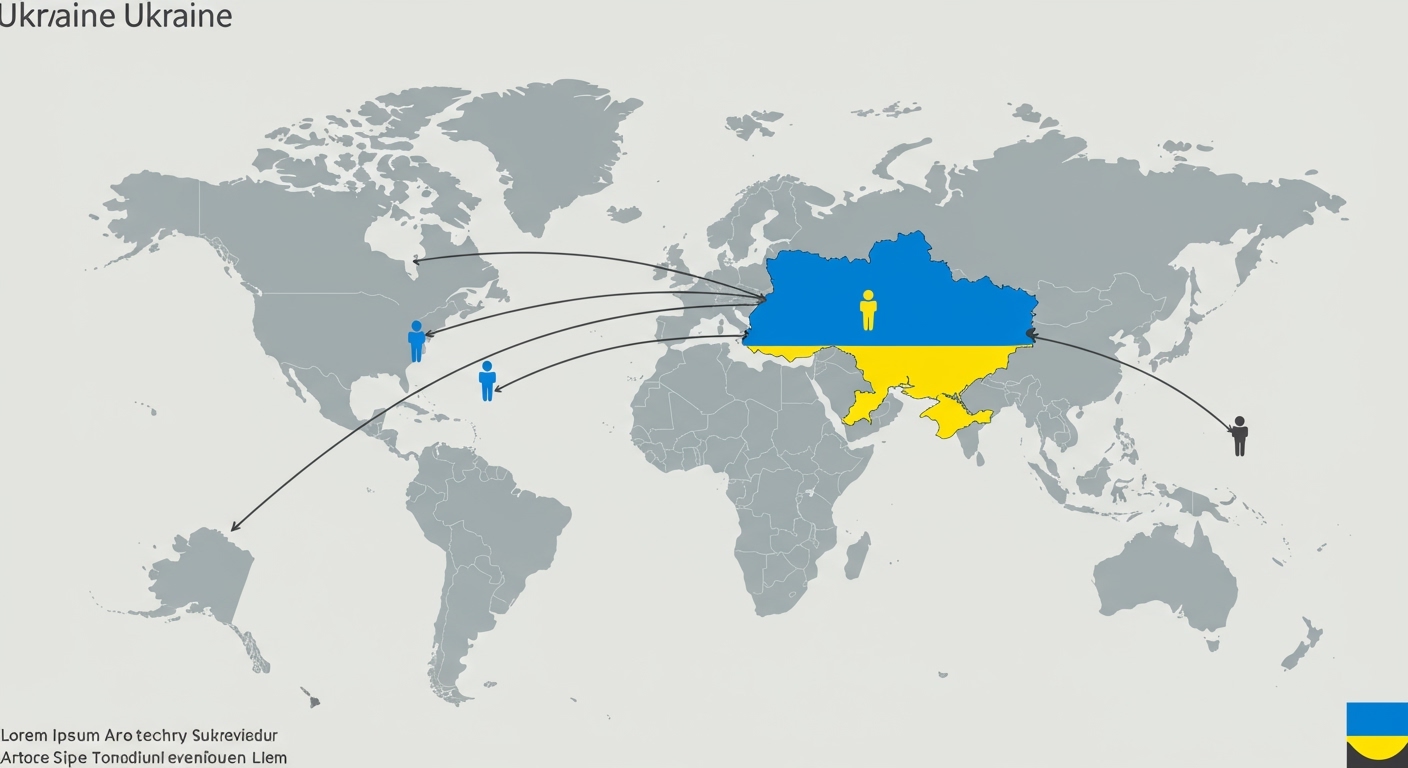
- The Kurgan Hypothesis: The most widely accepted theory, based on my own review of the evidence, suggests PIE was spoken by a nomadic people on the Pontic-Caspian Steppe (modern-day Ukraine and Southern Russia) around 4500-2500 BCE.
- Early Migrations: These PIE speakers were among the first to domesticate the horse, which gave them a massive advantage. They expanded in waves across Europe and into parts of South and Central Asia, bringing their language with them, which then diversified into different branches like Germanic, Italic, Indo-Aryan, and Slavic.
The Power of Empires
Ancient and classical empires were powerful engines for language spread. The most significant for the Indo-European family was the Roman Empire.
- The Spread of Latin: As the Romans expanded their empire across Europe, North Africa, and the Middle East, they brought Latin with them.
- The Birth of Romance Languages: After the fall of Rome, the Vulgar Latin spoken in different regions evolved into the modern Romance languages: Spanish, Portuguese, French, Italian, and Romanian. This single event accounts for over 800 million native speakers today.
The Age of Exploration and Colonialism
The most crucial factor for the global dominance of Indo-European languages was the European Age of Exploration, which began in the 15th century. This period saw a handful of European nations establish vast colonial empires.
I’ve spent years cross-referencing colonial maps with modern linguistic maps, and the correlation is undeniable. The languages of the colonizers were imposed as the languages of administration, education, and power.
- Spanish and Portuguese were spread throughout Central and South America.
- English was established in North America, Australia, New Zealand, India, and parts of Africa.
- French was established in large parts of Africa, North America (Quebec), and Southeast Asia.
- Russian expanded east across Siberia and Central Asia under the Russian Empire and later the Soviet Union.
This historical process is the primary reason why a language family that originated on the Eurasian steppe is now spoken by billions on every continent.
A Closer Look at Other Major Language Families
To truly appreciate the linguistic landscape, it’s essential to understand the other giants. Each has a unique history and distribution that tells a different story about humanity.