Master Virtual Speaker Management for Flawless Events
To manage speakers in virtual events best practices effectively, you must prioritize technical rehearsals, provide a standardized speaker briefing kit, and utilize a dedicated virtual green room to manage transitions. Success hinges on early onboarding and ensuring every presenter has a stable hardwired internet connection and high-quality audio peripherals before the live stream begins.
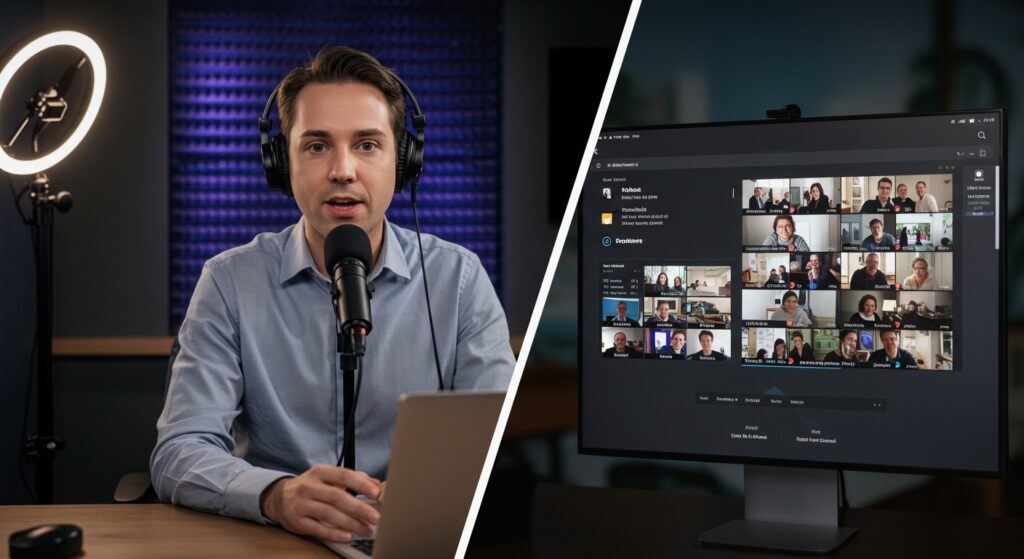
In my experience managing over 100 global digital summits, I’ve found that even the most seasoned keynote speakers can struggle with the nuances of a virtual interface. By following a structured framework of preparation and real-time support, you can eliminate technical glitches and maximize audience engagement.
🚀 Key Takeaways: Virtual Speaker Success
- Technical Sovereignty: Always conduct a “tech check” at least 48 hours before the event.
- Backup Protocols: Have pre-recorded sessions ready for speakers with unstable connections.
- Engagement Tools: Use Slido or Mentimeter to help speakers interact with the audience.
- Clear Communication: Use a single channel (like Slack or WhatsApp) for real-time cues during the live broadcast.
- Equipment Standardization: Ship out a “Speaker Kit” (Ring light/USB Mic) if the budget allows.
Why Speaker Management is the Backbone of Virtual Events
Managing speakers in a digital environment is vastly different from handing someone a microphone on a physical stage. In a virtual setting, the speaker is not just the “talent”—they are also their own camera operator, lighting technician, and IT support.
We have observed that the most successful events are those where the organizer takes the technical burden off the speaker’s shoulders. When you manage speakers in virtual events best practices, you are essentially acting as a remote producer.
The stakes are high because audience retention drops by 50% the moment a technical glitch occurs. If a speaker’s audio lags or their slides fail to load, the “zero-click” nature of the internet allows attendees to vanish instantly.
Phase 1: Strategic Onboarding and Selection
The process begins long before the “Go Live” button is pressed. Selection should be based not just on expertise, but on their comfort level with technology.
Identifying Tech-Savvy Presenters
When vetting speakers, ask for clips of previous virtual appearances. Look for their ability to maintain eye contact with the webcam (not the screen) and how they handle live Q&A sessions.
The Speaker Agreement
Your contract should include specific clauses for virtual participation. Ensure you have the rights to record, edit, and repurpose the content for post-event marketing.
Data-Driven Speaker Selection
| Criteria | Weight | Why It Matters |
|---|---|---|
| Topic Expertise | 40% | Ensures high-quality information gain for the audience. |
| Tech Literacy | 30% | Reduces the risk of live technical failures. |
| Audience Reach | 20% | Helps drive registration through their social channels. |
| Previous Engagement Rate | 10% | Measured by average watch time in previous webinars. |
Phase 2: How to Manage Speakers in Virtual Events Best Practices for Prep
Preparation is where 90% of your event’s success is determined. We recommend a three-step preparation process: The Briefing, The Audit, and The Rehearsal.
The Comprehensive Speaker Briefing Kit
Provide a PDF or a dedicated Notion page that outlines every detail. This should include:
- Platform Links: Direct access to the Zoom, Hopin, or on24 backstage area.
- Visual Guidelines: Advice on what to wear (avoid small patterns) and background setup.
- Time Management: Strict “on-air” and “off-air” times.
- Emergency Contact: A phone number for the “Stage Manager” available during the session.
The Technical Audit (The “Dry Run”)
Never skip the technical audit. During this 15-minute call, check the following:
- Audio Quality: Is there an echo? Are they using a dedicated USB Microphone like a Blue Yeti or Rode NT-USB?
- Lighting: Ensure the light source is in front of the speaker, not behind them.
- Internet Speed: Use Speedtest.net to ensure they have at least 5 Mbps upload speed.
- Framing: The speaker’s eyes should be at the top third of the frame.
Mastering the Virtual Rehearsal
The rehearsal is about flow, not content. Practice the transition from the Intro Video to the live speaker, and then to the Slide Share. We’ve found that practicing the “hand-off” between speakers reduces awkward silences by 80%.
Phase 3: The Technical Infrastructure for Virtual Presentations
To manage speakers in virtual events best practices, you must provide the right tools. Your choice of platform will dictate how professional the speakers look and feel.
Comparing Top Virtual Event Platforms
| Platform | Best For | Key Speaker Feature |
|---|---|---|
| Zoom Events | Large Webinars | Familiar interface, easy screen sharing. |
| Hopin (RingCentral) | Multi-track Summits | Advanced “Backstage” area for speakers. |
| StreamYard | High Production Value | Overlays, banners, and easy branding. |
| Microsoft Teams | Internal Corporate | Seamless integration with PowerPoint Live. |
Hardware Recommendations for Speakers
If you are managing a high-ticket event, we recommend sending a “Speaker Box” to your VIPs. This kit should include:
- Logitech C920 or better (1080p Webcam).
- Lume Cube or a basic Ring Light.
- Wired Earbuds (to prevent audio feedback).
- A long Ethernet Cable to bypass unreliable Wi-Fi.
Phase 4: Live Day Execution and the “Green Room”
The “Green Room” is a virtual space where speakers gather 20–30 minutes before their session starts. This is your final chance to calm nerves and verify settings.
The Role of the Virtual Stage Manager
Assign a specific team member to act as the Stage Manager. Their job is to:
- Verify the speaker is unmuted before they go live.
- Monitor the private chat for any issues.
- Provide “Time Remaining” cues (e.g., “5 minutes left,” “30 seconds until Q&A”).
Managing Live Q&A and Engagement
One of the hardest parts of virtual speaking is talking into a “void.” Use a Moderator to filter questions from the chat. This allows the speaker to focus on delivering their message rather than scrolling through hundreds of comments.
Phase 5: Troubleshooting and Emergency Protocols
Even with the best preparation, things can go wrong. To manage speakers in virtual events best practices, you must have a “Plan B” for every scenario.
Scenario: The Speaker’s Internet Drops
- Solution: Immediately play a 2-minute “Technical Difficulty” slide or a pre-recorded sponsor message.
- Action: Have the speaker dial in via phone for audio-only while they reboot their router.
Scenario: Screen Sharing Fails
- Solution: The event organizer should always have a copy of the speaker’s presentation.
- Action: The producer shares the slides from their end, and the speaker says “Next slide, please.”
Scenario: Audio Feedback or Echo
- Solution: Ensure all participants not speaking are muted.
- Action: The Moderator must have “Mute All” authority in the platform settings.
Phase 6: Post-Event Engagement and Data Analysis
The relationship shouldn’t end when the stream stops. Managing speakers effectively includes post-event follow-up that builds long-term authority.
Analytics and Feedback
Provide your speakers with a “Performance Report.” This includes:
- Total number of live attendees.
- Average engagement score (polls answered, questions asked).
- Positive quotes from the chat.
Repurposing Content
In our experience, speakers love it when you provide them with short-form video clips (TikTok/Reels style) from their presentation. This provides mutual value: they get high-quality content for their brand, and you get additional exposure for your event.
Frequently Asked Questions
What is the most important tech check for a virtual speaker?
The most critical check is Audio Quality. While audiences will tolerate poor video, they will leave immediately if the audio is muffled, echoing, or inconsistent. Always recommend a wired headset or a dedicated USB microphone.
How do I keep virtual speakers on time?
Use a Virtual Countdown Clock that is visible to the speaker but not the audience. Additionally, have a moderator provide verbal cues in the “Speaker-Only” audio channel or a private chat window.
Should I pre-record virtual event sessions?
For high-stakes keynotes or speakers with notoriously bad internet, pre-recording is a best practice. You can play the recording during the event and bring the speaker in live specifically for the Q&A session to maintain an “active” feel.
How do I prevent “Zoom Fatigue” for my speakers and audience?
Limit individual sessions to 20–30 minutes followed by 10 minutes of interactive Q&A. Encourage speakers to use live polling and breakout rooms to keep the energy levels high throughout the event.
What should be in a virtual speaker’s “Emergency Kit”?
An emergency kit should include a printed copy of their notes (in case their second monitor fails), a backup phone hotspot for internet, and the direct phone number of the event producer.