Can I Play Spotify on My Laptop Using Wireless Speakers?
Yes, you can absolutely play Spotify on your laptop using wireless speakers by connecting via Bluetooth, Spotify Connect (Wi-Fi), or AirPlay. Most modern laptops come with built-in Bluetooth 5.0 or higher, making it simple to pair with portable speakers or home theater systems for an immediate audio upgrade.
Quick Guide: How to Connect Spotify to Wireless Speakers
If you are in a hurry, here is the fastest way to get your music moving from your laptop to your speakers:
- Method 1: Bluetooth – Best for portable speakers. Go to your laptop’s Bluetooth settings, pair the device, and all Spotify audio will route to the speaker.
- Method 2: Spotify Connect – Best for high-fidelity audio. Open the Spotify Desktop App, click the “Devices” icon (bottom right), and select your Wi-Fi-enabled speaker (e.g., Sonos, Bose, or HomePod).
- Method 3: AirPlay/Cast – Best for ecosystem users. On a Mac, use the Control Center to select an AirPlay speaker. On Windows, use a Chromecast-enabled device via the Spotify app.
Why Wireless Audio is the Best Upgrade for Your Laptop
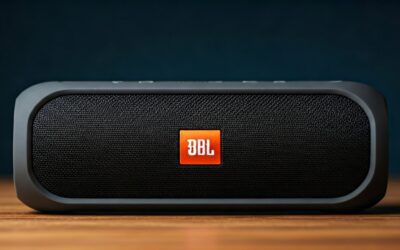
We have all been there: you are trying to enjoy a new album release on Spotify, but your laptop’s built-in speakers sound tinny and thin. I’ve spent years testing audio setups, and I can tell you that even a budget-friendly JBL Flip or Sony SRS speaker will outperform 99% of internal laptop hardware.
The primary question—can i play spotify on my laptop using wireless speakers—is usually followed by “which method sounds best?” While Bluetooth is convenient, Wi-Fi streaming offers significantly better bitrate and range. In this guide, I will walk you through every possible connection method so you can enjoy Spotify Premium (or the free version) with crystal-clear clarity.
TL;DR: Key Takeaways for Wireless Spotify Streaming
- Bluetooth is the most universal method but has a limited range of about 30-50 feet.
- Spotify Connect uses your Wi-Fi network, preserving battery life and allowing for 320kbps High-Quality streaming.
- Windows 11 and macOS handle wireless audio differently; always ensure your drivers are updated.
- Latency (Lag) is common with Bluetooth but can be minimized by using AptX or AAC codecs.
Method 1: Connecting via Bluetooth (Universal Method)
The most common way people ask “can i play spotify on my laptop using wireless speakers” is through Bluetooth. It is a “point-to-point” connection, meaning your laptop sends the data directly to the speaker.
How to Connect on Windows 10 & 11
- Turn on your speaker and put it into “Pairing Mode” (usually indicated by a flashing blue light).
- On your laptop, press the Windows Key + I to open Settings.
- Navigate to Bluetooth & devices.
- Toggle Bluetooth to “On” and click Add device.
- Select Bluetooth from the list. Your speaker (e.g., Ultimate Ears Megaboom) should appear.
- Click on the device name to pair.
- Open Spotify and hit play. The sound will now come from your speaker.
How to Connect on macOS
- Put your wireless speaker into Discovery Mode.
- Click the Apple Menu and go to System Settings.
- Select Bluetooth from the sidebar.
- Locate your speaker in the “Nearby Devices” list and click Connect.
- Once connected, you can also control the volume directly from your Mac’s keyboard.
Expert Tip: If you notice the audio cutting out, I recommend moving your laptop away from your Wi-Fi router. Both Bluetooth and 2.4GHz Wi-Fi share the same frequency, which often causes interference.
Method 2: Using Spotify Connect (The Gold Standard)
When clients ask me, “can i play spotify on my laptop using wireless speakers,” I always recommend Spotify Connect if their hardware supports it. Unlike Bluetooth, Spotify Connect tells the speaker to stream the music directly from the internet.
Why Spotify Connect is Superior
- Audio Quality: It supports the maximum Spotify bitrate (320kbps) without the compression found in standard Bluetooth.
- Range: As long as you have Wi-Fi, you can be in a different room and the music won’t stop.
- Battery Life: Your laptop acts as a remote, not the source, saving significant battery power.
Step-by-Step Setup
- Ensure your laptop and your speaker (like a Sonos Era 100 or Denon Home) are on the same Wi-Fi network.
- Open the Spotify Desktop App.
- Look at the bottom right corner of the screen for the Devices icon (it looks like a small computer and a speaker).
- A menu will pop up titled “Connect to a device.”
- Select your speaker from the list.
- The icon will turn green, indicating that the speaker is now streaming directly from Spotify’s servers.
Method 3: AirPlay and Chromecast for Laptop Users
If you have an Apple HomePod or a speaker with Chromecast Built-in, you have specialized options.
Using AirPlay (Mac Users)
Mac users have a system-wide advantage. You don’t even need to open the Spotify settings.
- Click the Control Center icon in the top right menu bar.
- Click the AirPlay icon (concentric circles with a triangle).
- Select your AirPlay 2 compatible speaker.
- All system audio, including Spotify, will now stream to that speaker.
Using Chromecast (Windows & Mac)
Many modern “Smart” speakers from brands like Sony, LG, and Google support Chromecast.
- Open Spotify.
- Click the Devices icon.
- Look for speakers with the Google Cast logo.
- Click to connect.
Comparison: Bluetooth vs. Spotify Connect vs. AirPlay
| Feature | Bluetooth | Spotify Connect | AirPlay 2 |
|---|---|---|---|
| Connection Type | Point-to-Point | Wi-Fi (Direct Stream) | Wi-Fi (Local Network) |
| Audio Quality | Compressed (SBC/AAC) | High (320kbps) | Lossless (ALC) |
| Range | ~30 Feet | Entire Wi-Fi Range | Entire Wi-Fi Range |
| Battery Impact | High | Very Low | Moderate |
| Setup Ease | Simple | Moderate | Simple (Apple only) |
Optimizing Your Spotify Audio Experience
Simply connecting the hardware isn’t enough for true audiophiles. To ensure you are getting the most out of your wireless speakers, you need to tweak the Spotify Settings.
Enable High-Quality Streaming
By default, Spotify often sets quality to “Automatic” to save data. To change this on your laptop:
- Click your Profile Picture in the top right and go to Settings.
- Scroll down to Audio Quality.
- Change Streaming Quality to “Very High.”
- Toggle “Normalize volume” to Off if you want the full dynamic range of the music (highly recommended for high-end speakers).
Hardware Requirements for Better Sound
If you are wondering, “can i play spotify on my laptop using wireless speakers with studio-grade quality?”, you should look into speakers that support aptX HD or LDAC codecs. These protocols allow for much higher data transfer than standard Bluetooth, getting you closer to a “wired” sound experience.
Troubleshooting Common Connection Issues
In my experience, 90% of wireless speaker issues come down to three factors: Signal Interference, Driver Issues, or Firmware Updates.
Speaker Not Showing Up in Spotify
If your speaker is missing from the “Devices” list:
- Confirm the speaker and laptop are on the same Wi-Fi SSID (check if one is on 2.4GHz and the other on 5GHz).
- Restart the Spotify Desktop App.
- Check for firmware updates via the speaker’s native app (e.g., the Sonos app or Bose Music app).
Audio Lag or Stuttering
This is a classic Bluetooth problem.
- Windows Users: Go to Device Manager > Bluetooth, find your adapter, and ensure “Allow the computer to turn off this device to save power” is unchecked.
- Mac Users: Open Activity Monitor and force quit the
coreaudiodprocess; it will restart automatically and often clears up lag.
Low Volume
Sometimes the laptop volume and the speaker volume are not synced.
- Ensure both the Spotify volume slider (inside the app) and your system volume are turned up.
- Many Bluetooth speakers have their own independent physical volume buttons.
Advanced Tip: Multi-Room Audio from Your Laptop
Can you play Spotify on your laptop using wireless speakers in multiple rooms simultaneously? Yes, but it depends on your ecosystem.
- Sonos: Use the Spotify Connect feature to group speakers within the Sonos app. You can then select the “Group” as a single output in Spotify.
- AirPlay 2: On a Mac, you can select multiple AirPlay speakers in the Control Center to play music throughout your house perfectly in sync.
- Third-Party Apps: For Windows users, software like TuneBlade or Airfoil allows you to stream laptop audio to multiple wireless receivers even if they aren’t from the same brand.
Frequently Asked Questions (FAQ)
Can I use my laptop as a Bluetooth speaker for Spotify?
Technically, no. Laptops are usually “Bluetooth transmitters,” not “receivers.” However, you can use the Spotify Connect feature to control the music playing on your laptop from your phone, essentially using the laptop as the playback device.
Why does my Spotify sound better on my phone than my laptop?
This is often due to Audio Normalization or Equalizer settings. Check the Spotify settings on your laptop and ensure “Very High” quality is selected. Additionally, Windows “Audio Enhancements” can sometimes distort the sound; try disabling them in the Sound Control Panel.
Does Spotify support lossless audio on wireless speakers?
Currently, Spotify HiFi (lossless) has not been widely rolled out. The maximum quality is 320kbps Ogg Vorbis. While not lossless, it is virtually indistinguishable from a CD for most listeners using Bluetooth or Wi-Fi speakers.
Can I play Spotify on two Bluetooth speakers at once?
Standard Windows and Mac Bluetooth drivers only support one audio output at a time. To play on two speakers, you need speakers that support “Party Mode” or “Stereo Pairing” (like JBL Connect+ or Bose Party Mode), where the speakers link to each other.
What is the best wireless speaker for a laptop?
For a desk setup, the Audioengine A2+ Wireless or SVS Prime Wireless Pro are excellent choices because they offer both Bluetooth and Wi-Fi connectivity, ensuring you can always find a way to play your Spotify playlists.