Before You Begin: Essential Tools & Safety for Speaker Removal
Before you climb a ladder or touch a single screw, preparing properly is the key to a smooth and safe removal process. From my experience removing hundreds of outdoor speakers for system upgrades and home renovations, I can tell you that five minutes of prep work can save you an hour of frustration.
Gathering Your Toolkit
You don’t need a professional-grade toolbox, but having the right tools on hand makes all the difference. This prevents multiple trips up and down the ladder and protects the speaker and your home’s exterior from damage.
Here is the essential tool list I recommend:
- A sturdy ladder: Ensure it’s the correct height and placed on stable, level ground.
- Phillips head screwdriver: Most mounting brackets use standard Phillips screws. A multi-bit screwdriver is even better.
- Allen wrench set (Hex Keys): Many Sonance FastMount brackets use a small Allen screw to lock the speaker in place. Having a full set is crucial as sizes can vary slightly by model year.
- Adjustable wrench or socket set: For the main pivot bolts on some older or larger Mariner models.
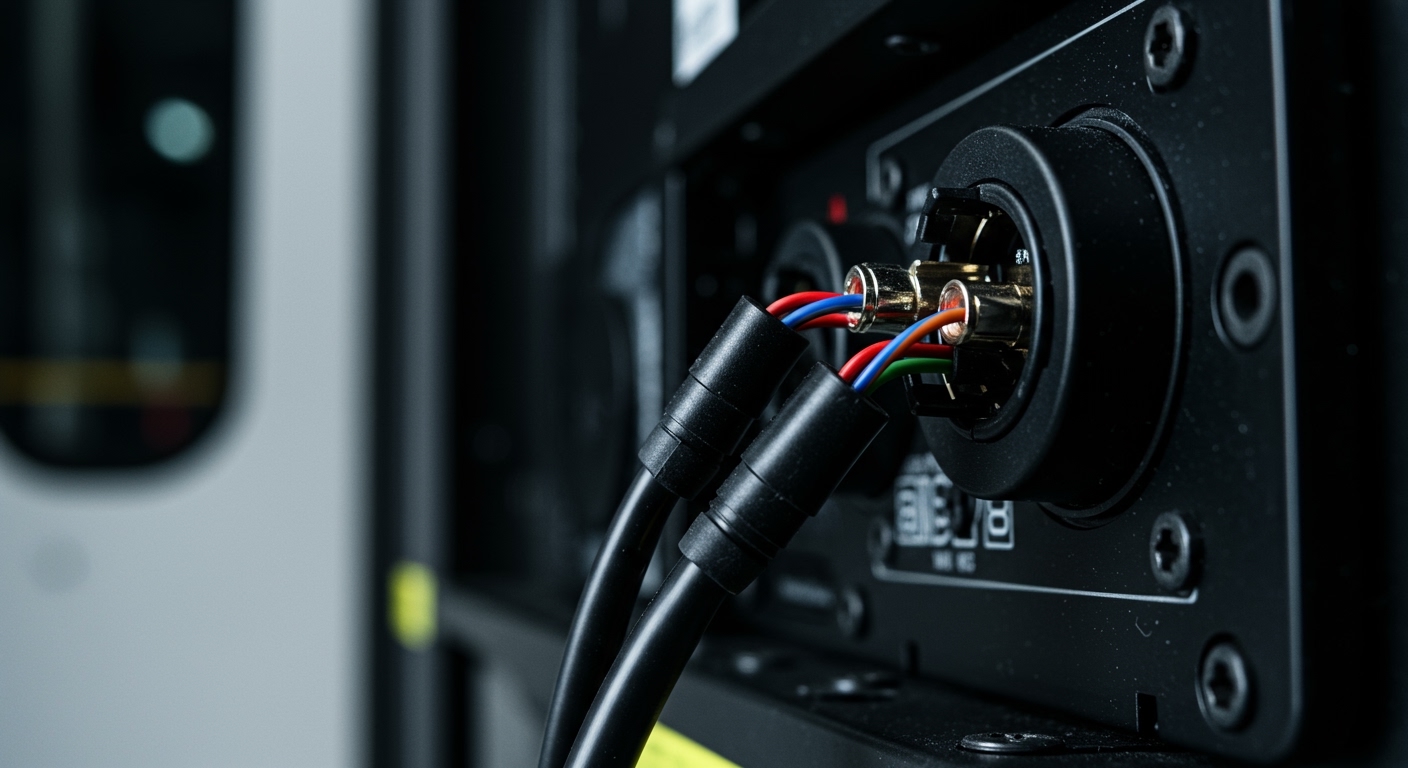
- Wire strippers/cutters: Essential for cleanly disconnecting the speaker wires.
- Utility knife: Perfect for carefully scoring any paint that may have sealed the speaker to the bracket.
- Safety glasses: Protect your eyes from falling debris, dust, or rusted screw fragments.
- A partner: Especially for larger speakers or high installations, a second person to hold the speaker while you work is invaluable for safety.
Critical Safety First: Power Down Your Audio System
This is the most important step and it’s non-negotiable. Before you disconnect any wires, you must turn off the power to the amplifier or receiver that powers your Sonance outdoor speakers.
Failing to do so can lead to a short circuit, potentially damaging your amplifier’s output stage—a costly mistake. It also eliminates any risk of a minor electrical shock, ensuring your safety throughout the process. I always double-check by trying to play music through the system; silence confirms it’s safe to proceed.
How to Remove Sonance Outdoor Speakers: A Step-by-Step Guide
Removing a Sonance outdoor speaker is generally straightforward, as they are designed for professional installation and service. The process primarily involves detaching the speaker from its mounting bracket and then disconnecting the wires.
We’ll focus on the most common wall-mounted models, like the popular Mariner series, which use the innovative FastMount bracket system.
Step 1: Position Your Ladder and Secure the Speaker
First, place your ladder in a secure position where you can comfortably reach the speaker without overextending.
Before you loosen any screws, get a firm grip on the speaker enclosure with one hand. These speakers can be heavier than they look, and you don’t want one dropping from a height. If you have a helper, this is their moment to shine by holding the speaker steady.
Step 2: Loosen the Pivoting Knobs or Bolts
The key to how to remove Sonance outdoor speakers from the bracket lies in understanding the pivot mechanism. Most Sonance Mariner speakers are held by two main pivot points, one on the top and one on the bottom of the speaker.
- Look for the large, hand-turnable knobs or hex bolts that allow the speaker to tilt up and down.
- Using your hand or the appropriate wrench, loosen both the top and bottom pivot bolts. You do not need to remove them completely—just loosen them enough so the speaker can move freely within the U-shaped bracket.
Step 3: Release the Speaker from the FastMount Bracket
This is the part that trips most people up. Sonance’s FastMount system is clever; the speaker doesn’t just pull straight out. It’s designed to slide into place and lock. To remove it, you reverse that process.
- Support the Speaker: With the pivot bolts loosened, continue to hold the speaker firmly.
- Push Up and Out: Gently but firmly, push the entire speaker enclosure straight up towards the sky by about half an inch.
- Pull Away: Once you feel it release, pull the speaker towards you, away from the mounting bracket. It should slide off the bracket’s mounting posts.
If the speaker feels stuck, it’s likely due to paint or corrosion. Do not force it. Use a utility knife to carefully cut the seal along the seam where the speaker meets the bracket, then try again.
Step 4: Disconnect the Speaker Wires
With the speaker now free from the bracket, you’ll have access to the wire terminals on the back.
- Identify the Terminals: You’ll see two connection points, typically red (+) for positive and black (-) for negative. They are usually either spring-loaded push terminals or screw-down binding posts.
- Disconnect: For push terminals, simply press the tab and pull the wire out. For binding posts, unscrew the cap until the wire is released.
- Label the Wires (Pro Tip): I always carry a small roll of black electrical tape. I wrap a small piece around the negative wire before disconnecting. This makes re-installation or connecting a new speaker foolproof.
Once the wires are disconnected, you can safely bring the speaker down from the ladder. To protect the exposed wire ends from the elements and prevent shorts, cap them with small wire nuts or wrap them securely with electrical tape.
How to Remove the Sonance Speaker Mounting Bracket
Now that the speaker is off, you may also want to remove the bracket itself, perhaps for painting or siding repair. This is a very simple process.
Step 5: Locate and Remove the Mounting Screws
The FastMount bracket is typically secured to the wall with two to four screws.
- Examine the bracket base that is flush against the wall. You will see the screw heads.
- Using your Phillips head screwdriver or a drill with the appropriate bit, carefully remove each screw.
- Be prepared to support the bracket as the last screw comes out so it doesn’t fall.
Step 6: Weatherproof the Screw Holes
You’ve successfully removed the bracket, but you’re left with screw holes in your home’s exterior. This is a critical final step to prevent water intrusion, which can lead to rot and expensive damage.
- Obtain a tube of high-quality, exterior-grade, paintable silicone caulk.
- Clean any dust or debris from around the holes.
- Apply a small bead of caulk into each hole until it is completely filled and sealed.
- Smooth the surface with your finger or a caulk tool for a clean finish. Once it cures, you can paint over it to match the wall.
Troubleshooting Common Removal Problems
Over the years, I’ve run into every possible issue. Most are easily solved with a little patience. Here’s a table of the most common problems and how to fix them.
| Problem | Cause | Solution |
|---|---|---|
| Speaker won’t budge from bracket | Paint has sealed the speaker to the mount. | Use a utility knife to carefully score the paint line where the speaker and bracket meet. This will break the seal. |
| Pivot bolt is rusted and stuck | Exposure to moisture and humidity over time. | Apply a penetrating oil like WD-40 or PB B’laster. Let it sit for 10-15 minutes, then try again. Tap it gently with a hammer. |
| A screw head is stripped | Using the wrong size screwdriver or too much force. | Try placing a wide rubber band between the screw head and the screwdriver for extra grip. If that fails, a screw extractor kit is your best bet. |
| Can’t get the speaker to slide up | The bracket was installed too close to an overhang. | Loosen the pivot bolts as much as possible. Try to “wiggle” the speaker up and down to create enough clearance to disengage the mount. |
Post-Removal: Storing and Preparing for What’s Next
Once your Sonance outdoor speakers are removed, take a moment to clean them with a damp cloth to remove dirt and pollen. If you plan to store them, keep them in a dry, climate-controlled environment like a garage or closet to protect the drivers and electronics from extreme temperatures and humidity.
If you are planning to reinstall them later, this is a great time to inspect the speaker wire for any cracking or corrosion. For optimal performance, especially over long distances, consider upgrading to a thicker gauge (like 14-gauge or 12-gauge) outdoor-rated speaker wire.
Frequently Asked Questions (FAQ)
Do I need a professional to remove my Sonance speakers?
For most handy homeowners, removing Sonance speakers is a manageable DIY project, especially if they are easily accessible. However, if the speakers are mounted very high, require specialized ladders, or if you’re not comfortable with the process, hiring a professional AV installer is the safest option.
Can I reuse the Sonance mounting bracket for a different brand of speaker?
It’s highly unlikely. The Sonance FastMount bracket is specifically engineered to mate with the corresponding speaker chassis. Other brands have their own proprietary mounting systems. It is always best to use the bracket that comes with the new speaker.
What size Allen wrench do I need for the Sonance bracket?
The size can vary slightly between models and generations of Sonance speakers. This is why having a complete standard (SAE)