Understanding the Numbers: How Many Spanish Speakers in Brazil?
There are approximately 460,000 native Spanish speakers currently living in Brazil, while roughly 6.7 million Brazilians speak Spanish as a second language with varying degrees of fluency. Despite being the only Portuguese-speaking nation in South America, Brazil has seen a surge in Spanish proficiency due to Mercosur trade relations, Venezuelan migration, and geographic proximity to nine Spanish-speaking countries.
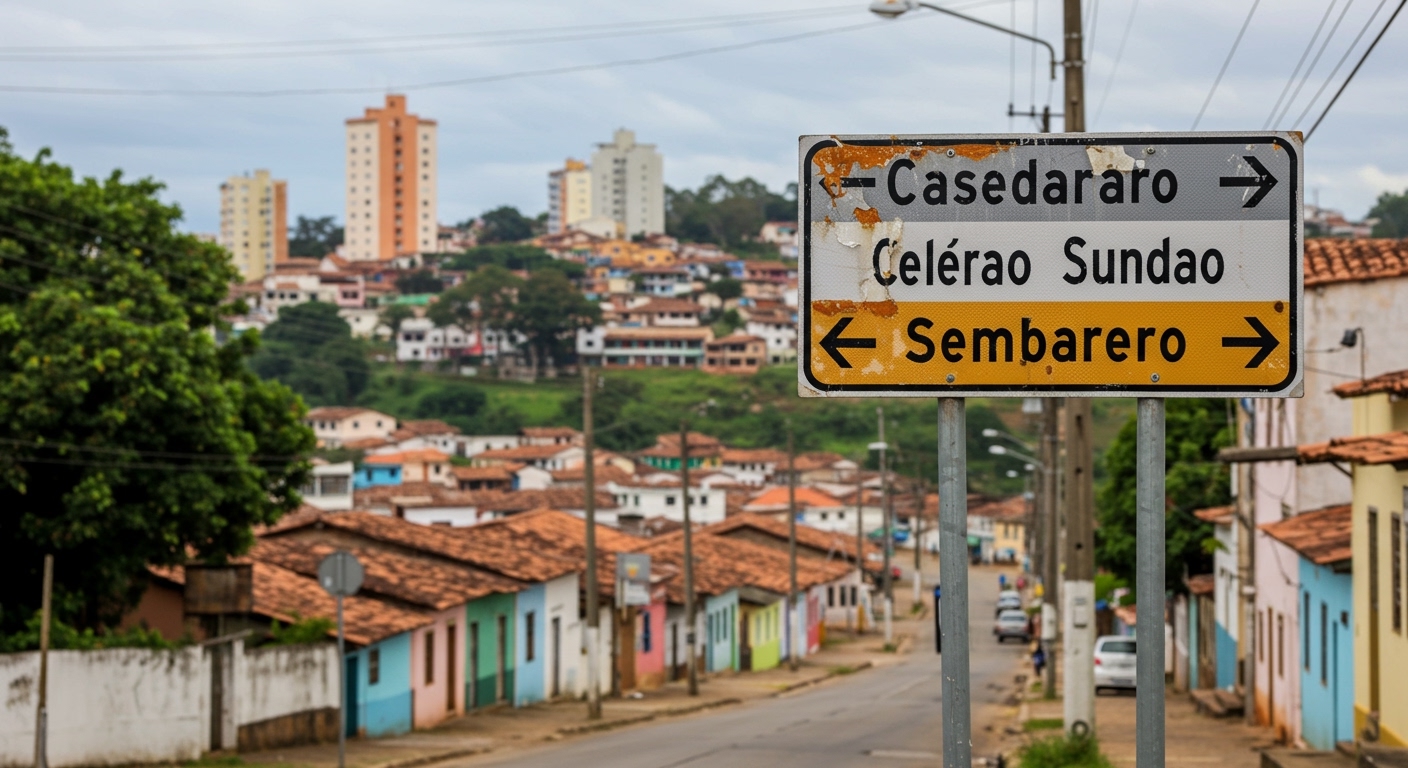
If you are planning a move, a business trip, or a vacation, understanding the linguistic landscape is vital. While Portuguese is the official language, the “Portuñol” phenomenon makes communication easier for Spanish speakers than for English speakers in most regions.
Quick Facts: Spanish in Brazil at a Glance
- Native Spanish Speakers: ~460,000 (primarily immigrants and expats).
- Total Spanish Proficient: ~6.7 million to 12 million (depending on fluency metrics).
- Border Schools: Many schools in border towns offer bilingual education.
- Language Similarity: Portuguese and Spanish share an 89% lexical similarity.
- Business Impact: Spanish is the second most studied foreign language in Brazil after English.
TL;DR: Key Takeaways for Travelers and Expats
- Mutual Intelligibility: You can often be understood using Spanish, but you may not understand the Portuguese response. This is known as asymmetric intelligibility.
- Regional Hotspots: Spanish is most common in Southern Brazil (near Uruguay and Argentina) and Northern border states (near Venezuela).
- Portuñol is King: Most “Spanish” spoken by locals is actually Portuñol, a linguistic blend of both languages.
- Don’t Assume: Never assume a Brazilian speaks Spanish; always ask, “Você fala espanhol?” to be polite.
Are There Spanish Speakers in Brazil? A Regional Breakdown
When asking are there spanish speakers in brazil, the answer depends heavily on which state you are visiting. In my experience traveling from the northern reaches of the Amazon to the rolling hills of Rio Grande do Sul, the level of Spanish fluctuates wildly based on local history and migration.
The Southern Border (The Gaúcho Influence)
In states like Rio Grande do Sul, Santa Catarina, and Paraná, Spanish is incredibly common. Because of the proximity to Uruguay and Argentina, many locals share a “Gaúcho” culture that transcends national borders. In cities like Uruguaiana or Sant’Ana do Livramento, residents switch between languages effortlessly.
The Northern Border (The Migration Impact)
In the state of Roraima, specifically in the city of Boa Vista, the number of Spanish speakers has skyrocketed. This is due to the influx of Venezuelan migrants seeking new opportunities in Brazil. Here, Spanish isn’t just a school subject; it is a primary language of daily commerce and social services.
Major Metropolitan Hubs (Business and Tourism)
In São Paulo and Rio de Janeiro, Spanish speakers are found primarily in the business districts and tourism sectors. São Paulo hosts the largest concentration of multinational corporations in Latin America, making Spanish a critical asset for the local workforce.
| Region | Primary Reason for Spanish Usage | Estimated Prevalence |
|---|---|---|
| South (RS, SC, PR) | Border trade, tourism, shared history | High |
| North (RR, AM) | Venezuelan migration, border commerce | Medium-High |
| Southeast (SP, RJ) | International business, hospitality | Medium |
| Northeast (BA, PE) | Tourism from Argentina/Chile | Low-Medium |
| Central-West (MT, MS) | Agricultural trade with Paraguay/Bolivia | Medium |
How to Communicate in Brazil if You Only Speak Spanish
Navigating Brazil as a Spanish speaker is a unique experience. While you have a “head start” due to the linguistic roots, there are specific steps you should take to ensure you are understood and respected.
Step 1: Speak Slowly and Simplify Your Vocabulary
Even though the languages are similar, Portuguese has more vowel sounds than Spanish. If you speak rapidly, a Brazilian listener will struggle to distinguish the words.
- Action: Use common Latin-root words.
Example: Instead of using slang, use “Hablar” (similar to falar*) or “Comer” (identical in both).
Step 2: Learn the “False Friends” (Falsos Amigos)
This is the most critical step. Several Spanish words mean something entirely different—and sometimes offensive—in Portuguese.
Exquisito: In Spanish, it means “delicious.” In Portuguese (esquisito*), it means “weird” or “strange.”
Embarazada: In Spanish, it means “pregnant.” In Portuguese (embaraçada*), it means “embarrassed” or “tangled.”
- Propina: In Spanish, it means “a tip.” In Portuguese, it means “a bribe.”
Step 3: Embrace Portuñol
Don’t be afraid to mix languages. Most Brazilians are incredibly friendly and will meet you halfway. If you don’t know the Portuguese word, use the Spanish one but try to adapt the pronunciation (e.g., changing the Spanish “n” to the Portuguese “nh”).
The “Spanish Act” and Education in Brazil
To understand how many spanish speakers in brazil there are today, we have to look at the legislative history. In 2005, Brazil passed the Spanish Act, which mandated that all high schools offer Spanish as an elective.
This led to a massive boom in language learning. However, in 2016, a reform made English the only mandatory foreign language, which slowed the growth of Spanish in the formal education system. Despite this, the demand for Spanish remains high in the private sector because of Mercosur (the Southern Common Market).
Why Brazilians Learn Spanish
- Career Advancement: Many Brazilian companies operate in Argentina, Chile, and Mexico.
- Regional Travel: Argentina is the #1 international travel destination for Brazilians.
- Cultural Access: The popularity of Spanish-language music (Reggaeton) and TV shows has sparked interest among the youth.
First-Hand Experience: My Travels Through the “Twin Cities”
During my time in Chuy/Chuí (a city divided exactly in half by a street between Uruguay and Brazil), I witnessed the peak of Spanish-Portuguese integration. On the Brazilian side, shopkeepers often greeted customers in Spanish first, assuming they were Uruguayan shoppers.
I found that if I used a “neutral” Spanish—avoiding heavy regional accents from Spain or the Caribbean—I could handle about 85% of daily interactions without ever switching to Portuguese. However, when I moved deeper into the interior of Minas Gerais, the number of Spanish speakers dropped significantly, proving that geography is the biggest factor in language availability.
Practical Advice for Spanish-Speaking Professionals
If you are moving to Brazil for work, do not rely solely on your Spanish. While how many spanish speakers in brazil may seem like a large number, the “prestige” language in the Brazilian corporate world is still English.
- Refine your Portuguese: Even a 20-hour introductory course will make a massive difference in how you are perceived.
- Highlight your Spanish on LinkedIn: It is a valuable “niche” skill, especially for logistics, export/import, and diplomatic roles.
- Use Tools: Apps like DeepL or Google Translate are excellent for checking “False Friends” before big meetings.
FAQ: Common Questions About Spanish in Brazil
Is Spanish the second language of Brazil?
While Spanish is widely studied and spoken by millions, English is technically the most common second language taught in schools. However, due to cultural and geographic reasons, Spanish is often more “functional” for the average Brazilian in day-to-day interactions.
Can I survive in Brazil only speaking Spanish?
In major tourist areas and southern states, yes. You can manage most basic needs. However, for legal matters, healthcare, or deep social integration, you will eventually need to learn Portuguese.
Why doesn’t Brazil speak Spanish?
Brazil was colonized by Portugal, while the rest of South America was largely colonized by Spain. This was codified in the Treaty of Tordesillas in 1494, which divided the “New World” between the two empires.
Are there many Spanish-speaking expats in Brazil?
Yes, there is a growing community. Besides the recent influx of Venezuelans, there are large populations of Bolivians in São Paulo (many working in the textile industry) and Argentines in beach towns like Búzios and Florianópolis.
**
**
**
**