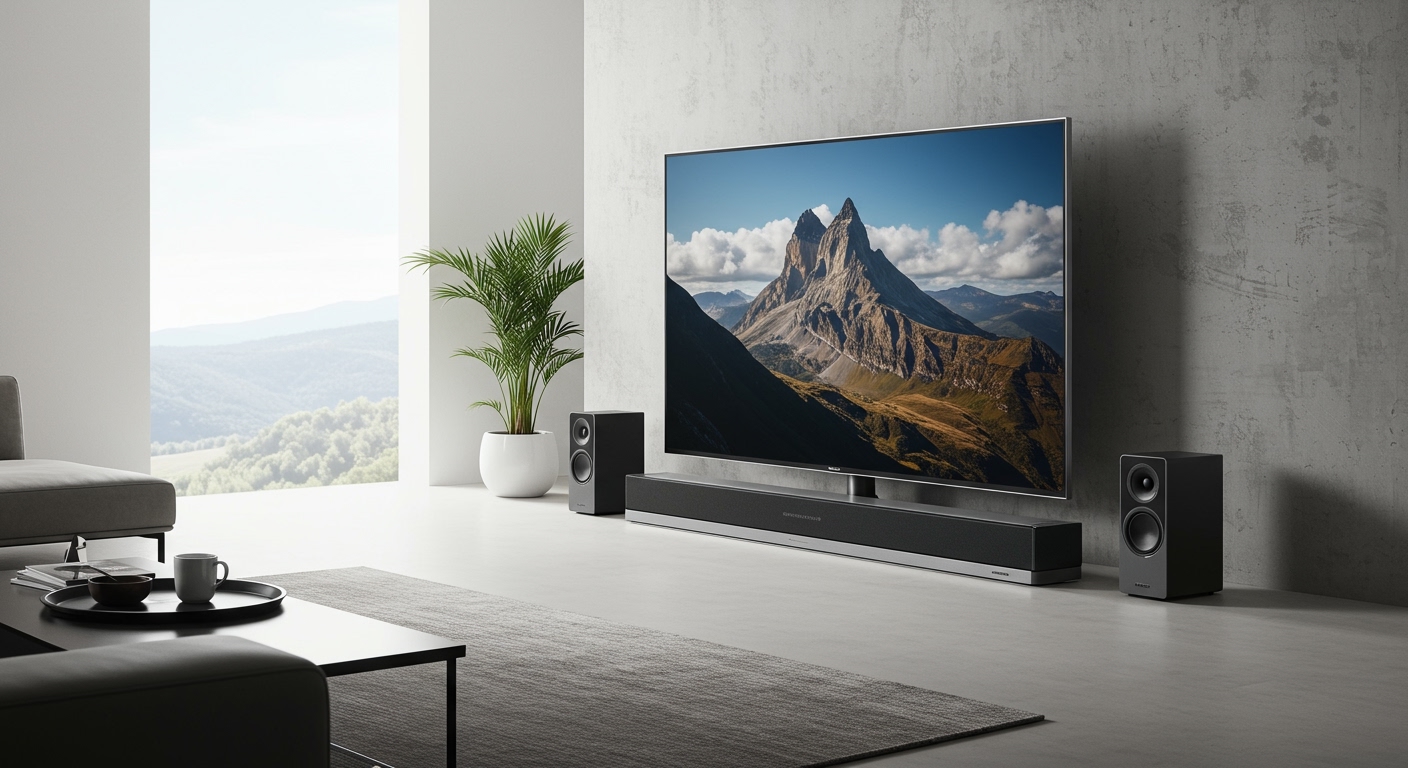
Do Speakers Come With Cables? The Definitive Answer
If you are unboxing a brand-new audio system, you are likely asking: do speakers come with cables? The direct answer is no for most passive speakers, but usually yes for active (powered) speakers and all-in-one home theater systems. Manufacturers of high-fidelity audio gear assume you will want to choose custom cable lengths and quality levels for your specific room layout.
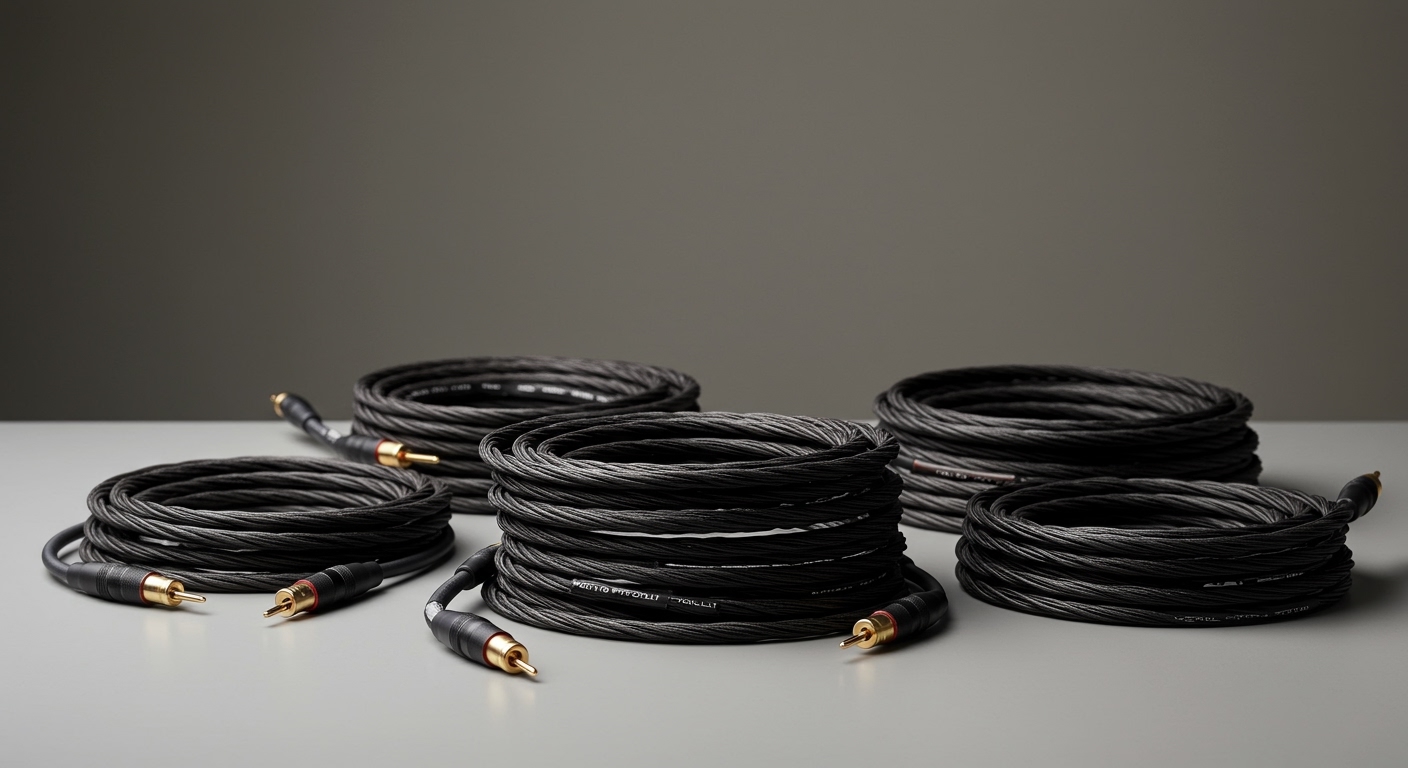
Therefore, it is highly recommended to check your speaker’s packaging contents online before making a purchase. If your speakers require an external amplifier or AV receiver, you should plan on buying your own speaker wire and connectors.
TL;DR: Key Takeaways on Speaker Cables
- Passive Speakers: Do not include cables. You must buy custom wire to connect them to an amplifier.
- Active (Powered) Speakers: Usually include a power cable and basic interconnect cables in the box.
- HTiB (Home Theater in a Box): These pre-packaged systems often include cheap, thin wires that are cut to standard lengths.
- Gauge Matters: Always match your cable’s American Wire Gauge (AWG) to the distance between your amp and speakers.
- Material Counts: Look for Oxygen-Free Copper (OFC) for the best long-term audio fidelity.
Why Do Speakers Come With Cables Only Sometimes?
The audio industry treats cables as highly personalized accessories. When setting up a custom home theater, the distance between your AV receiver and your surround speakers varies wildly from house to house. Including standardized 10-foot cables in a premium speaker box would be useless for a user needing a 30-foot run across a living room.
Furthermore, audiophiles have strict preferences regarding cable thickness, conductor materials, and connector types. By leaving the cables out, audio brands like KEF, Klipsch, and Bowers & Wilkins keep their product costs down while giving you the freedom to customize your signal path.
In my years of installing custom home theaters, I have found that included “pack-in” cables are rarely worth using anyway. They are often incredibly thin, prone to interference, and lack the durability needed for long-term setups.
Active vs. Passive Speakers: What’s in the Box?
To fully understand the answer to the question “do speakers come with cables,” you must identify whether your audio gear is active or passive. This fundamental difference dictates exactly what hardware you need to complete your audio chain.
Active speakers feature built-in amplification. They plug directly into a wall outlet for power and connect directly to your audio source (like a computer or turntable). Passive speakers have no internal power and require external amplification to produce sound.
| Speaker Type | Built-In Amplifier? | Do They Come With Cables? | Required Accessories for Setup |
|---|---|---|---|
| Passive Bookshelf / Tower | No | Rarely. Sometimes included in cheap bundles. | AV Receiver, bare wire, banana plugs. |
| Active / Powered Monitors | Yes | Yes. Usually includes a power cord and RCA/USB. | None. Ready to play out of the box. |
| Home Theater in a Box (HTiB) | Separate Hub | Yes. Usually includes proprietary, thin wire. | None, but upgrading the wire is recommended. |
| Subwoofers (Powered) | Yes | Yes (Power cable). No (Subwoofer RCA cable). | High-quality, shielded RCA Subwoofer cable. |
Step 1: How to Calculate Your Speaker Cable Length
When you discover your speakers lack included wires, your first step is measuring your room. Guessing the distance between your amplifier and your speakers often results in cables that are frustratingly short.
I recommend using the “String Method” for accurate measurements. Take a spool of string and route it exactly how the wire will run—along baseboards, around door frames, and behind furniture. Once you have the string laid out, mark it, pull it taut, and measure it with a tape measure.
Always add an extra 10% to 15% of slack to your final measurement. This extra length allows you to pull your receiver forward for maintenance without accidentally ripping the cables out of the binding posts.
Step 2: Demystifying American Wire Gauge (AWG)
Speaker wire thickness is measured in American Wire Gauge (AWG). In this system, the lower the number, the thicker the wire. Thicker wire offers less electrical resistance, allowing the audio signal to travel further without losing quality or volume.
Choosing the correct AWG is critical for preserving audio dynamics, especially for low-frequency bass notes. If you use wire that is too thin for a long distance, your speakers will sound weak, muffled, or distorted.
Here is a practical breakdown of which gauge you need based on the distance of your cable run:
| Wire Gauge (AWG) | Best Use Case | Maximum Recommended Distance |
|---|---|---|
| 16 AWG | Desktop setups, small bedrooms. | Up to 50 feet. |
| 14 AWG | Standard living rooms, rear surrounds. | Up to 100 feet. |
| 12 AWG | Large home theaters, high-end towers. | Over 100 feet. |
If you are ever in doubt, buy 14 AWG wire. It is the industry sweet spot, offering excellent flexibility, easy installation, and enough thickness to handle 95% of home audio setups flawlessly.