Unlocking Sonic Bliss: A Step-by-Step Guide on How to Install Tower Speakers
Have you just unboxed a beautiful pair of new tower speakers, only to be hit with a wave of uncertainty? You’re not alone. The dream of immersive, room-filling sound can quickly feel overwhelming when you’re faced with wires, placement puzzles, and cryptic receiver settings. The good news is that a truly professional how to install tower speakers setup is achievable for anyone. It doesn’t require a degree in audio engineering, just a clear plan and attention to a few critical details.
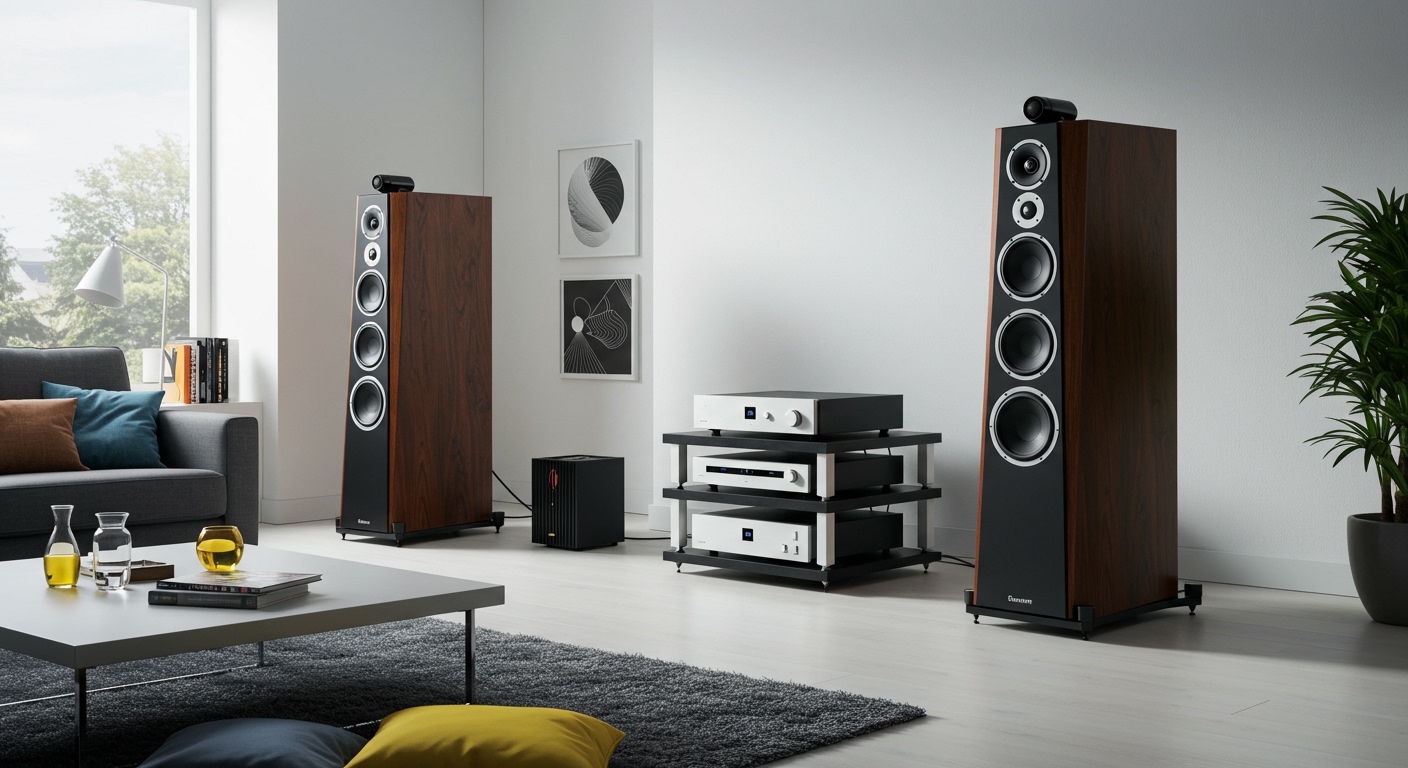
This guide is your complete roadmap. We’ll walk you through every step, from unboxing to the final, critical listening test. I’ve set up hundreds of audio systems, and I’ll share the practical, first-hand tips I’ve learned to avoid common pitfalls and unlock the full potential of your new gear. Forget the confusion; it’s time to get that concert-in-your-living-room experience you’ve been waiting for.
Key Takeaways: Your 5-Minute Tower Speaker Setup
- Placement is Paramount: Position your speakers in an equilateral triangle with your main listening spot. Keep them 1-3 feet from the back wall to control bass.
- Mind Your Polarity: When you wire tower speakers, always match the red (+) and black (-) terminals on your speakers to the corresponding terminals on your amplifier or AV receiver.
- Use Quality Wire: For most setups under 50 feet, 16-gauge speaker wire is sufficient. For longer runs or high-power systems, opt for 14 or 12-gauge.
- Configure Your Receiver: Set your tower speakers to “Large” or “Full-Range” in your receiver’s speaker setup menu.
- Test and Adjust: Use familiar music to test the sound. Make small adjustments to the “toe-in” (the angle towards you) and distance from the wall until the stereo image snaps into focus.
Phase 1: Pre-Installation Prep for Your Tower Speaker Setup
Proper preparation is 90% of the battle. Before you connect a single wire, taking a few minutes to gather your tools and assess your space will make the entire process of your tower speakers setup smoother and more successful.
Gathering Your Essential Tools
You don’t need a professional installer’s toolkit, but having these items on hand will save you a lot of frustration.
- Wire Stripper/Cutter: This is a non-negotiable tool for cleanly removing the insulation from speaker wire without damaging the copper strands.
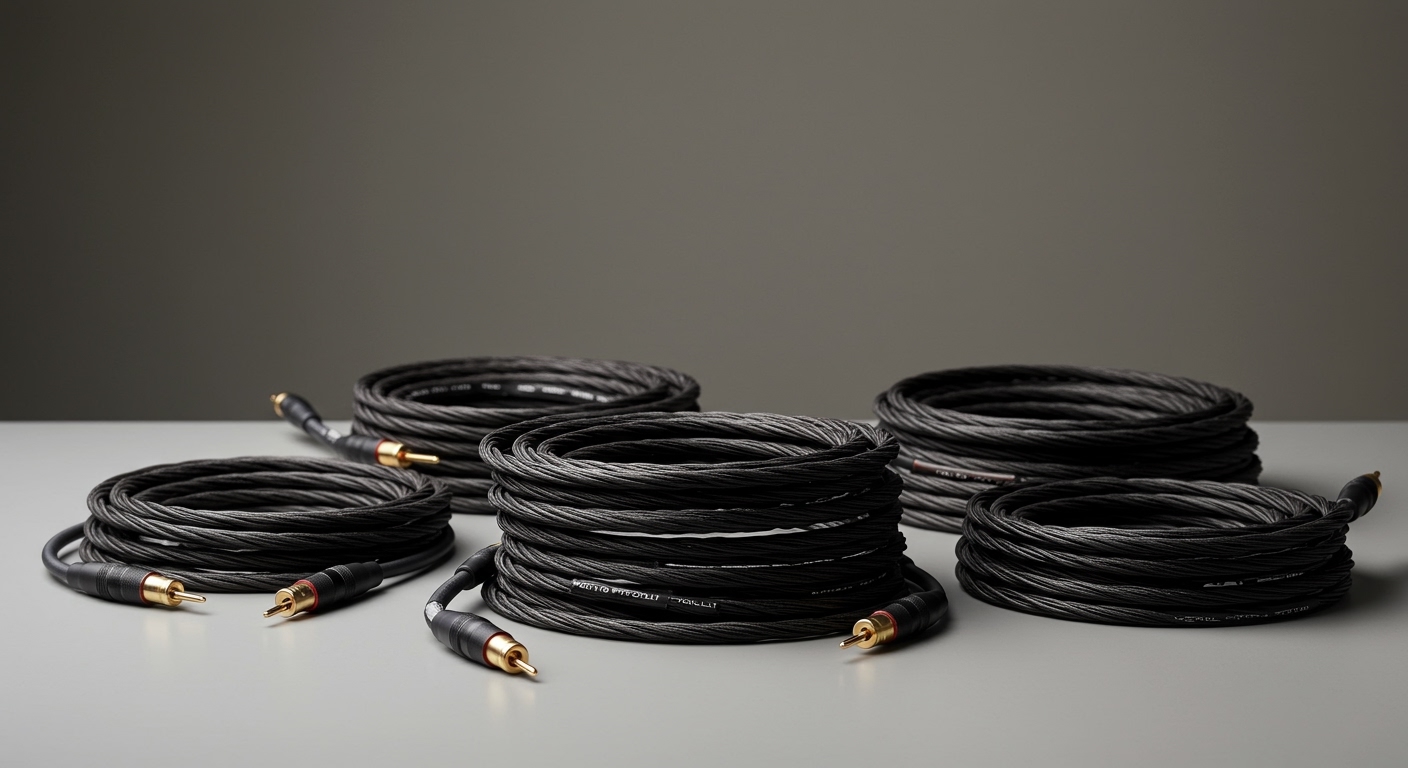
- Speaker Wire: The lifeline of your system. We’ll cover how to choose the right gauge (thickness) in the next section.
- Measuring Tape: Crucial for ensuring symmetrical speaker placement, which is the key to a balanced stereo image.
- Optional but Recommended:
Inspect Your Gear and Your Room
Before diving in, do a quick check-up.
- Unbox with Care: Open the boxes and inspect your new speakers for any shipping damage. It’s rare, but it happens.
- Check the Manuals: Keep the manuals for your speakers and your AV receiver or amplifier handy. They often contain specific recommendations for your exact models.
- Analyze Your Space: Look at your listening room. Are there large, reflective surfaces like glass windows or bare walls? Is the floor carpeted or hardwood? These elements affect sound, and we’ll address how to work with them during placement.
Phase 2: How to Install Tower Speakers – The Core Process
This is where the magic happens. We will now walk through the four critical steps of physical installation and connection. Follow these in order for a foolproof how to set up tower speakers experience.
Step 1: Assembly and Initial Positioning
Your speakers need a solid foundation. Most tower speakers come with attachable feet or spikes.
- For Carpeted Floors: Use the included spikes. These pierce through the carpet and padding to couple the speaker directly to the subfloor, which tightens up the bass response and improves overall clarity.
- For Hardwood, Tile, or Laminate Floors: Use the included rubber feet. These protect your floors from scratches and help isolate the speaker from vibrations.
Once the feet are attached, place the speakers in the general area where you think they’ll go. Don’t worry about perfect positioning just yet; we’ll refine that next.
Step 2: The Art of How to Place Tower Speakers
This is the single most important step for achieving high-fidelity sound. Poor placement can make a $5,000 pair of speakers sound worse than a $500 pair. The goal is to create a cohesive and immersive soundstage.
The Equilateral Triangle
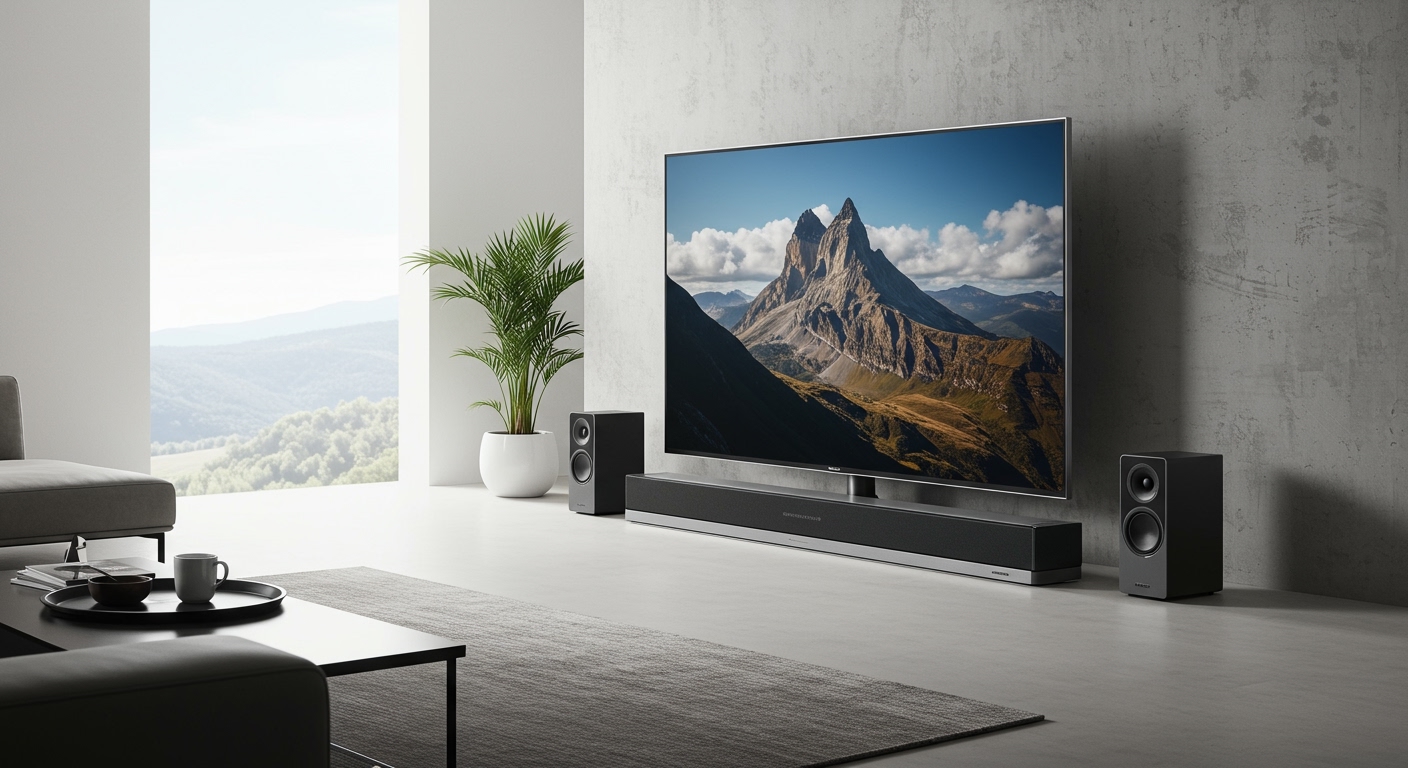
The foundation of all stereo speaker placement is the equilateral triangle.
- Your Seat is Point A: Your primary listening position (your favorite spot on the couch) is the first point of the triangle.
- Speakers are Points B & C: The left and right speakers are the other two points.
- Measure It: The distance from your listening position to the left speaker should be the exact same as the distance from your listening position to the right speaker. That same distance should also separate the two speakers from each other.
For example, if your chair is 9 feet from each speaker, the speakers should be 9 feet apart from each other.
Distance from Walls
The proximity of your speakers to room boundaries (walls) dramatically affects bass performance.
- Distance from the Rear Wall: This is the wall directly behind the speakers. Placing a speaker too close will cause the bass to sound “boomy” and muddy.
- Distance from Side Walls: Reflections from side walls can smear the stereo image.
“Toe-In” for a Focused Image
Toe-in refers to angling the speakers slightly inward to point towards the listening position instead of straight ahead.
- No Toe-In: Speakers firing straight ahead creates the widest possible soundstage, but the central image (like a lead vocalist) can sound vague.
- Full Toe-In: Speakers pointing directly at your ears creates the sharpest, most focused central image, but the soundstage might feel narrower.
Placement Guideline Summary Table
| Placement Factor | Starting Recommendation | Impact on Sound |
|---|---|---|
| Distance Between Speakers | 6-10 feet (equal to listening distance) | Affects the width of the soundstage. |
| Distance from Rear Wall | 2-3 feet | Controls bass quantity and quality. |
| Distance from Side Walls | At least 3 feet | Minimizes reflections and improves clarity. |
| Toe-In Angle | Pointing just behind the listener’s head | Focuses the stereo image and vocals. |
Step 3: How to Wire Tower Speakers with Confidence
Wiring is often the most intimidating part, but it’s simple once you understand the core principle: polarity.
Choosing Your Speaker Wire
Speaker wire thickness is measured in American Wire Gauge (AWG). The lower the number, the thicker the wire.
- 16-AWG: The standard choice and perfectly fine for most systems where the wire run from the amplifier to the speaker is less than 50 feet.
- 14-AWG or 12-AWG: A good upgrade for longer runs, high-power amplifiers, or demanding, low-impedance speakers. The thicker wire has less resistance, ensuring full power delivery.
Preparing and Connecting the Wire
- Measure and Cut: Measure the distance from your receiver to each speaker, adding a few extra feet of slack for flexibility. Cut two equal lengths