What Are the Best Door Speakers for a Truck? A Complete Guide
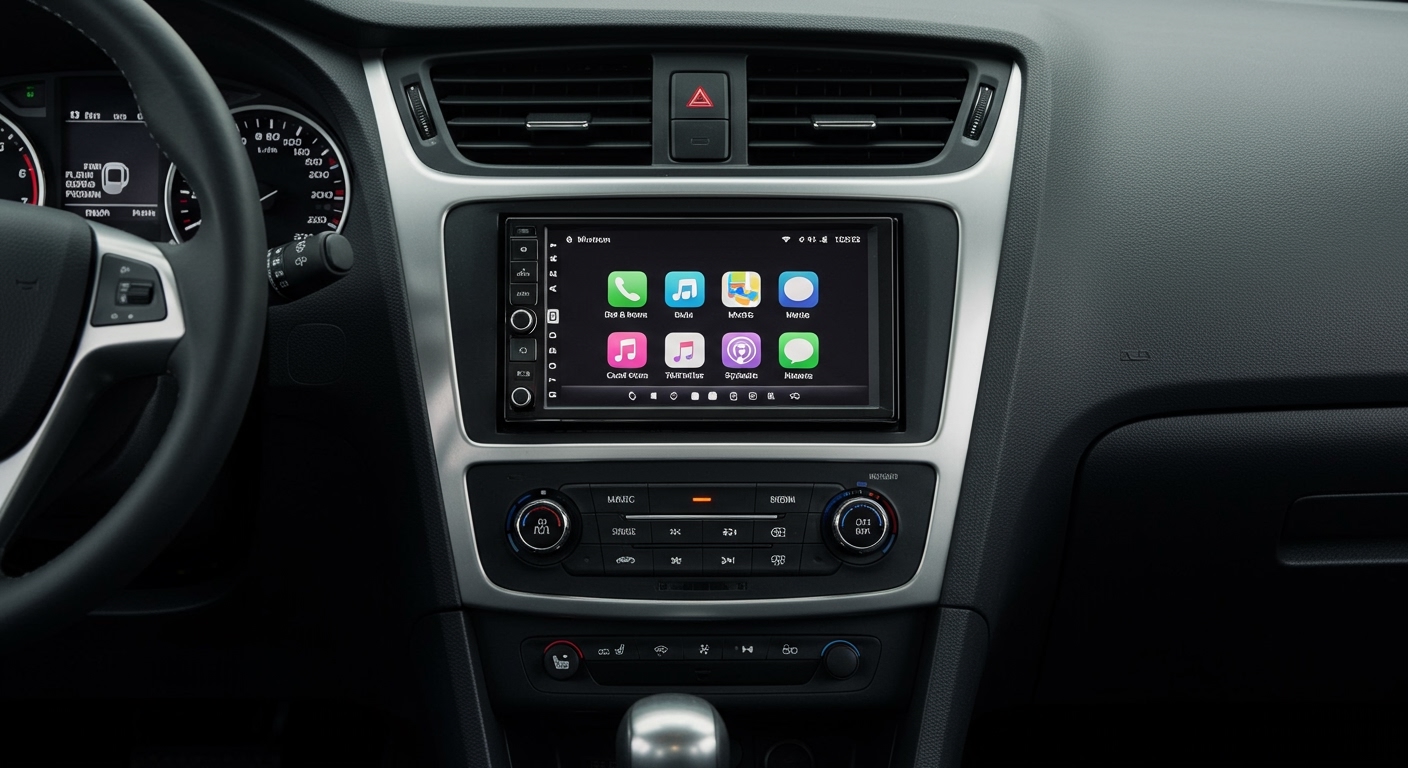
Tired of that flat, muddy sound from your truck’s factory stereo? You turn up the volume hoping for more punch, but all you get is distorted noise. It’s a common frustration. The stock speakers that manufacturers install are often made with cheap paper cones and weak magnets, designed to meet a budget, not to deliver a premium audio experience. This guide is your solution. We’re going to cut through the jargon and show you exactly what are the best door speakers for a truck, based on years of hands-on installation and listening tests. You’ll learn how to choose the right size, understand the specs that matter, and even how to install them yourself.
Key Takeaways: Finding Your Truck’s Best Speakers
- Best Overall Performance: For audiophile-grade clarity and detail, Component Speakers like the Morel Maximo Ultra 602 MKII are unmatched. They provide superior sound staging and imaging.
- Best Bang for Your Buck: For a massive upgrade over stock without a huge investment, Coaxial Speakers like the Kicker KS Series or JBL Club Series are fantastic choices. They are easy to install and offer great sound.
- Size is Critical: The most common truck speaker sizes are 6×9 inch, 6.5 inch, and 6×8 inch. Always use an online tool like Crutchfield to confirm the exact size for your truck’s make, model, and year before buying.
- Key Specs to Check: Pay close attention to Sensitivity (dB) (higher is better for factory stereos), Power Handling (RMS) (match it to your amplifier), and Frequency Response (Hz).
- Installation is Key: Proper installation, including the use of sound deadening material like Kilmat or Dynamat, is just as important as the speakers themselves for achieving the best possible bass response and clarity.
Understanding What Makes the Best Door Speakers for a Truck
Choosing the right speakers can feel overwhelming with all the technical terms. From my experience, it boils down to understanding a few core concepts. Once you grasp these, you can confidently select a speaker that will transform your daily drive.
Component vs. Coaxial: What’s the Real Difference?
This is the first major decision you’ll make. It determines not only the sound quality but also the complexity of the installation.
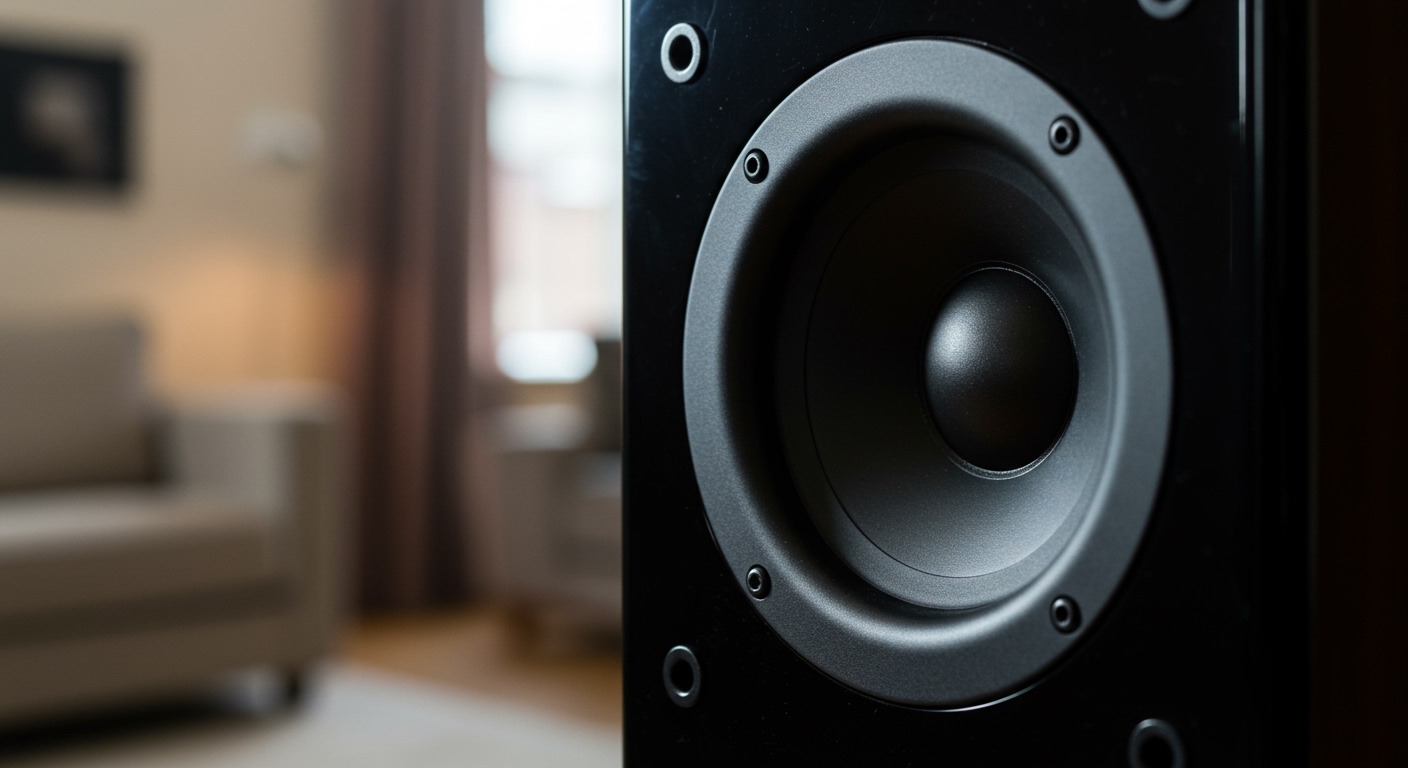
- Coaxial Speakers: These are the most common type of aftermarket speaker. They are an “all-in-one” design, with the tweeter mounted directly in front of the woofer cone.
* Pros: Easy to install (direct replacement for factory speakers), affordable, and a significant improvement over stock.
* Cons: The sound stage can be less precise since all sound comes from a single point.
* My Take: I almost always recommend high-quality coaxials for rear doors. They are perfect for “rear fill” and provide a great listening experience for passengers. The JBL Club Series is a personal favorite for this application.
- Component Speakers: These systems separate the drivers for superior sound. A typical set includes two woofers, two tweeters, and two external crossovers.
* Pros: Unmatched sound quality. The separate tweeter can be mounted higher on the door or A-pillar, raising the “sound stage” to ear level. This creates a more immersive, concert-like experience.
* Cons: More expensive and require a more involved installation.
* My Take: If you are serious about sound quality, component speakers are the answer for your front doors. The improvement in clarity and stereo imaging is something you can hear immediately.
The “Big Three” Speaker Specs You Must Know
Don’t get lost in a sea of numbers. Focus on these three specifications to determine a speaker’s quality and compatibility with your system.
Sensitivity (dB)**
Sensitivity measures how efficiently a speaker converts power (watts) into sound (decibels).
- What it means: A speaker with a higher sensitivity rating will play louder with less power.
- Why it matters: If you’re keeping your factory head unit, look for speakers with a sensitivity of 90 dB or higher. Factory stereos have very low power output, and a high-sensitivity speaker will make the most of that limited power. If you’re using an aftermarket amplifier, sensitivity is less critical, but still a good indicator of overall efficiency.
Power Handling (RMS)**
This is the most important power rating. Ignore the “Peak Power” or “Max Power” numbers—they are mostly for marketing.
- What it means: RMS (Root Mean Square) power is the continuous power a speaker can handle safely without damage or distortion.
- Why it matters: You want to match the speaker’s RMS rating to the power output of your head unit or amplifier.
* Factory Head Unit: Puts out about 5-15 watts RMS.
* Aftermarket Head Unit: Puts out about 15-25 watts RMS.
* External Amplifier: Can range from 50 watts RMS to 200+ watts RMS per channel.
- Pro Tip: It’s always better to overpower a speaker slightly with clean, undistorted power from an amp than to underpower it with a distorted signal from a cheap, maxed-out head unit. Clipping (distortion) kills speakers, not clean power.
Frequency Response (Hz)**
This tells you the range of sounds the speaker can reproduce, from low-end bass to high-end treble.
- What it means: A wider range is generally better. For example, a range of 45Hz – 22,000Hz.
- Why it matters: The first number (e.g., 45Hz) indicates how low the bass will go. A lower number here means deeper bass reproduction. This is especially important in trucks, where larger speakers like 6x9s are often used to create more mid-bass impact without a subwoofer.
How to Find the Right Speaker Size for Your Truck
Nothing is more frustrating than ordering speakers only to find they don’t fit. Trucks use a variety of