Understanding What Are Drivers in Speakers: The Core Engine of Sound
Have you ever wondered why some speakers sound crystal clear while others feel muffled and flat? The secret lies in what are drivers in speakers, the physical components responsible for turning electrical signals into the music you hear. Think of the driver as the “engine” of your audio system; without it, your high-end amplifier is just a silent box of circuits.
🚀 Key Takeaways: Expert Summary
| Feature | Details |
|---|---|
| Definition | A transducer that converts electrical energy into mechanical air movement (sound). |
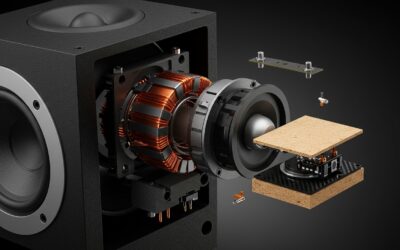
| Main Components | Magnet, Voice Coil, Diaphragm (Cone), and Surround. |
| Primary Types | Tweeters (Highs), Midrange (Mids), Woofers (Lows), and Subwoofers. |
| Material Impact | Materials like Silk, Kevlar, and Aluminum drastically change the “color” of the sound. |
| Pro Tip | More drivers don’t always mean better sound; the quality of the crossover network is just as vital. |
Identifying What Are Drivers in Speakers and How They Function
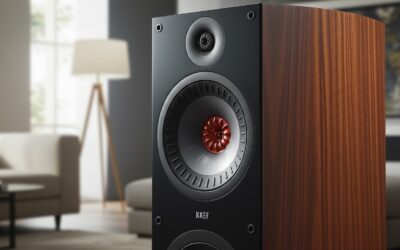
To truly grasp what are drivers in speakers, you must look past the plastic or wood exterior. Every speaker contains at least one driver, though most high-fidelity systems use a combination of several to cover the full spectrum of human hearing (20Hz to 20,000Hz).
Step 1: Locate the Diaphragm
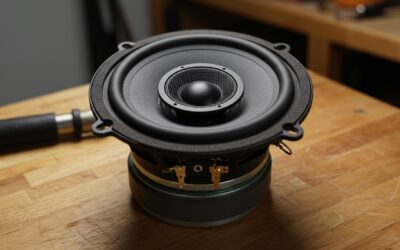
The most visible part of a driver is the diaphragm or cone. When you see a speaker “pumping” during a bass-heavy track, you are watching the diaphragm move air.
Large cones move more air but move slower (ideal for bass).
Small domes move very fast but can’t push much air (ideal for treble).
Step 2: Understand the “Motor” System
Behind the cone sits the voice coil and the permanent magnet. When electricity flows through the coil, it creates a magnetic field that interacts with the permanent magnet. This interaction pushes and pulls the coil back and forth rapidly, vibrating the attached diaphragm.
Step 3: Recognize the Role of the Surround and Spider
These are the suspension components. The surround (the rubber ring around the edge) and the spider (the internal corrugated fabric) ensure the cone stays centered while allowing it to move forward and backward freely.
How to Categorize Different Types of Speaker Drivers
Not all drivers are created equal. Because a single driver cannot efficiently produce both deep bass and shimmering highs, manufacturers divide the labor among specialized units. Understanding what are drivers in speakers requires knowing these four main categories:
Tweeters: The High-Frequency Specialists
Tweeters are small drivers (usually 0.5 to 1 inch) designed to produce high-pitched sounds like cymbals, violins, and vocal sibilance.
Frequency Range: Typically 2,000 Hz to 20,000 Hz.
Common Materials: Silk domes for smooth sound or Metal (Aluminum/Titanium) for crisp, detailed highs.
Midrange Drivers: The Heart of the Music
The midrange driver handles the frequencies where the human ear is most sensitive—the range where most vocals and instruments like guitars live.
Frequency Range: 250 Hz to 2,000 Hz.
Why it matters: If this driver is poor, voices will sound “thin” or “recessed.”
Woofers: The Foundation of Rhythm
Woofers are larger drivers responsible for the “thump” in your chest. They need to be rigid yet lightweight to move quickly enough to stay in sync with the music.
Frequency Range: 40 Hz to 500 Hz.
Materials: Often made of treated paper, Polypropylene, or Kevlar.
Subwoofers: The Deep Impact
A subwoofer is a specialized woofer that only handles the lowest octaves. These are often housed in their own dedicated cabinets with built-in amplifiers.
Frequency Range: 20 Hz to 100 Hz.
Actionable Advice: For a home theater, a 10-inch or 12-inch subwoofer is the “sweet spot” for most living rooms.
How to Choose the Best Driver Materials for Your Needs
In my experience testing hundreds of audio setups, the material of the driver cone significantly impacts the tonal signature. Use this table to decide which material fits your listening style:
| Material | Sound Characteristic | Best For… |
|---|---|---|
| Paper (Treated) | Warm, natural, and organic. | Jazz, Acoustic, and Vocals. |
| Kevlar | Extremely fast and detailed; very rigid. | High-end home theater and Rock. |
| Aluminum/Magnesium | Clinical, precise, and “bright.” | Critical listening and Studio monitoring. |
| Silk | Smooth, non-fatiguing high frequencies. | Long listening sessions in a home office. |
Expert Guide: How to Maintain and Protect Your Speaker Drivers
Knowing what are drivers in speakers is only half the battle; you also need to know how to keep them from blowing out.
- Avoid “Clipping” Your Amp: When an amplifier runs out of power, it sends a distorted “square wave” to the driver. This is the #1 cause of fried tweeters.
- Keep Grilles On: The dust cap in the center of a driver is a magnet for curious fingers. A dented dust cap can disrupt the driver’s balance and cause distortion.
- Watch the Humidity: If you live in a tropical climate, the foam surrounds on older woofers can rot (known as “foam rot”). Look for rubber surrounds for better longevity.
- Break-In Period: New drivers have stiff suspensions. Play music at moderate volumes for about 40-50 hours to “loosen up” the spider and surround for optimal performance.
Common Mistakes to Avoid When Evaluating Drivers
Assuming more drivers = better sound: A 2-way speaker with a high-quality woofer and tweeter often outperforms a cheap 4-way speaker. The complexity of the crossover usually degrades sound in cheaper multi-driver units.
Ignoring the Crossover: The crossover is the internal brain that tells each driver which frequencies to play. If the crossover is poor, the drivers will “overlap,” causing muddy sound.
- Focusing only on Watts: High wattage doesn’t mean high quality. Focus on sensitivity (measured in dB). A driver with 90dB sensitivity requires much less power to sound loud and clear than one with 85dB.
FAQs: Everything You Need to Know About Speaker Drivers
Can I replace a single driver if it blows out?
Yes, but you should ideally replace the driver with the exact same model and part number. Drivers are tuned to the specific volume and porting of the speaker cabinet. Using a different driver will ruin the frequency response.
What is a “Full-Range” driver?
A full-range driver attempts to cover the entire frequency spectrum with one cone. While they offer great “point-source” imaging (sound coming from one spot), they often struggle with extreme highs and deep lows compared to multi-driver systems.
Why do some drivers have a “bullet” shape in the middle?
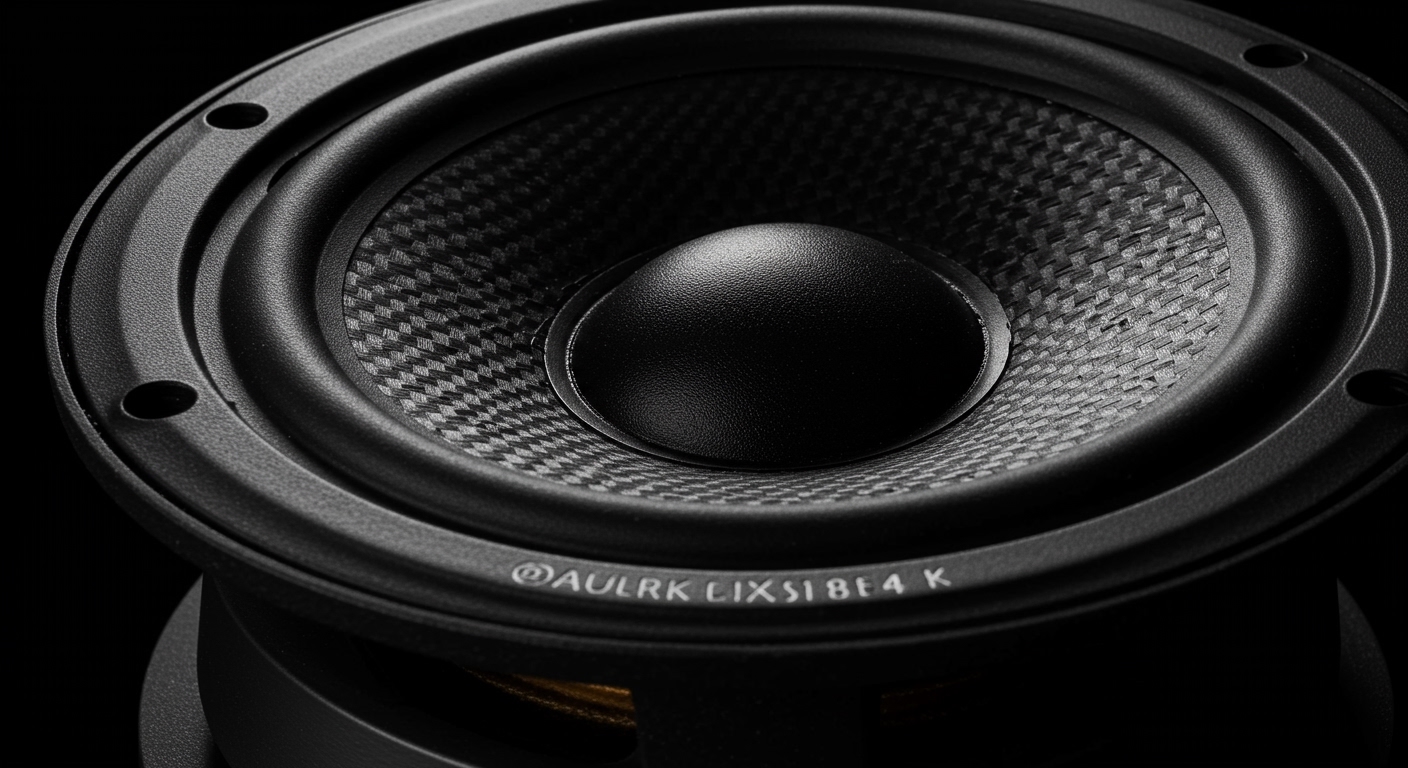
That is called a phase plug. Unlike a dust cap, it is stationary and attached to the magnet. It helps dissipate heat and prevents sound waves from the center of the cone from interfering with waves from the edges, improving clarity.
What is the difference between an “Active” and “Passive” driver?
An active driver is connected to the voice coil and magnet. A passive radiator looks like a driver but has no motor. It uses the air pressure inside the cabinet created by the active driver to boost bass output without needing a port hole.
Conclusion: Mastering Your Audio Knowledge
Understanding what are drivers in speakers transforms the way you shop for and listen to audio. By recognizing that the tweeter, midrange, and woofer each play a specialized role, you can better diagnose sound issues and choose equipment that matches your personal taste.
Remember, the best driver isn’t necessarily the largest or the most expensive—it’s the one that is integrated perfectly with its cabinet and crossover. For your next upgrade, pay close attention to the driver materials and sensitivity ratings rather than just the brand name.
Ready to upgrade your sound? Start by identifying the driver types in your current setup and see where the “weak link” might be!