Understanding Audio Clarity: What Are Full Range Speakers?
Choosing the right audio setup can be overwhelming, but understanding what are full range speakers is the first step toward sonic clarity. A full range speaker is a single driver designed to reproduce the entire audible frequency spectrum—from deep bass to high-pitched treble—without relying on multiple specialized drivers like woofers and tweeters. This design eliminates the need for complex crossovers, providing a “point source” of sound that many audiophiles prize for its natural, cohesive imaging.
Expert Summary: Key Takeaways
Definition: A full range speaker uses one driver to cover the 20Hz to 20kHz range (ideally), though most focus on the 60Hz to 18kHz range for better efficiency.
Core Benefit: By removing crossovers, you eliminate phase distortion and “holes” in the soundstage, leading to incredibly realistic vocals.
Best Use Cases: Ideal for near-field listening, DIY tube amplifier setups, and car audio systems where space is limited.
The Trade-off: While they excel at mid-range, they often lack the extreme “room-shaking” bass of dedicated subwoofers.
Step 1: Identify if Full Range Speakers Are Right for You
Before purchasing or installing equipment, you must determine if this technology fits your listening habits. Many beginners ask, “are full range speakers good?” and the answer depends entirely on your environment.
Evaluate Your Listening Environment
- Near-field (Desktops/Small Rooms): Full range drivers shine here because the sound originates from a single point, preventing “blurred” audio at close distances.
- Home Theater: If you want cinematic “thump,” you might find full range speakers lacking without an auxiliary subwoofer.
- Car Audio: Most factory speakers are full range to save cost and space, but high-end aftermarket versions offer superior clarity.
Ask Yourself: Are My Speakers Full Range?
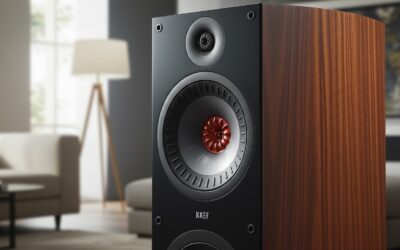
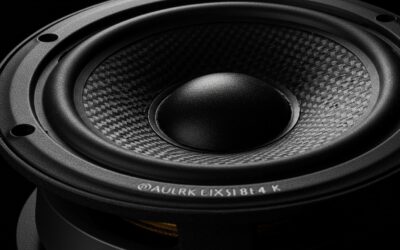
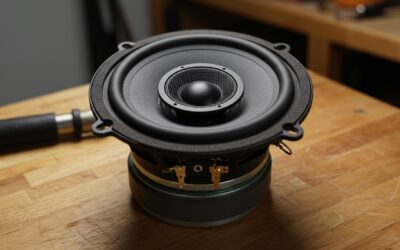
To check your current gear, look at the driver (the cone). If there is only one cone handling all the sound—often with a smaller “whizzer cone” in the center—it is likely a full range unit. If you see a large cone and a small separate tweeter, you have a multi-way system.
Step 2: Select the Correct Materials and Tools
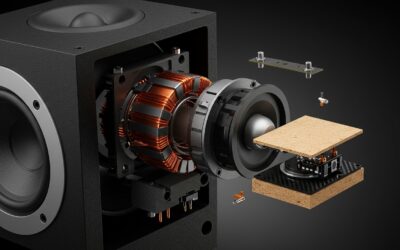
To set up or build a system around what is full range speakers, you need specific components that complement their high sensitivity.
| Tool/Material | Purpose | Expert Recommendation |
|---|---|---|
| Full Range Driver | The heart of the system | Fostex, Lowther, or MarkAudio |
| Speaker Wire | Connects driver to amp | 14-gauge Oxygen-Free Copper (OFC) |
| Enclosure/Cabinet | Amplifies bass response | Bass reflex or Back-Loaded Horn (BLH) |
| Amplifier | Powers the speaker | Low-wattage Tube Amp or Class D Amp |
| Damping Material | Reduces internal echoes | High-density acoustic foam or wool |
Step 3: Choose Your Enclosure Design
Because a single driver must handle low frequencies, the cabinet design is critical. Without a proper box, the back-wave of the sound will cancel out the front-wave, leaving you with no bass.
Option A: The Bass Reflex Cabinet
This is the most common DIY approach. It uses a tuned port (a hole with a tube) to vent the back pressure, reinforcing the low-end frequencies.
Pros: Easy to build, compact size.
Cons: Can sound “boomy” if not tuned correctly.
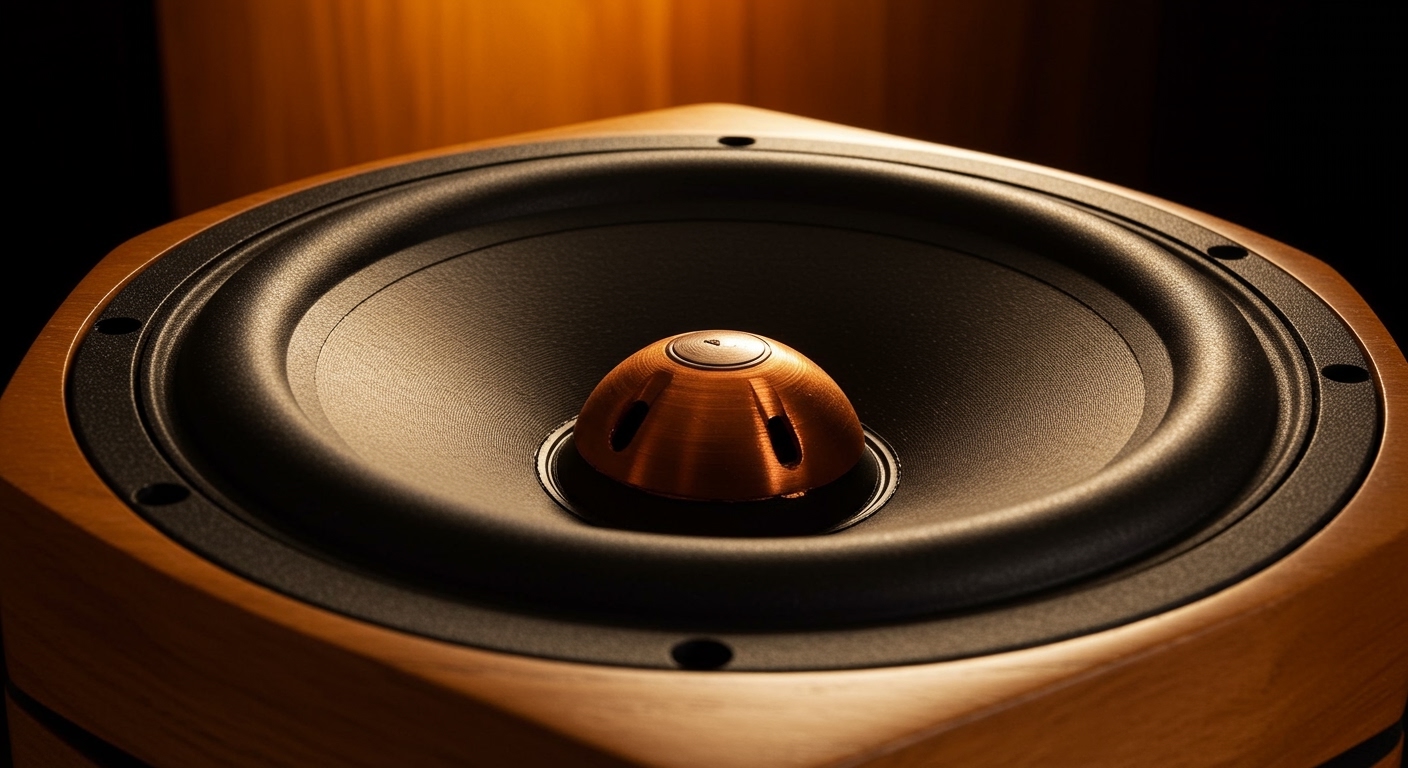
Option B: Back-Loaded Horn (BLH)
This is the gold standard for full range speakers. The cabinet features a long, expanding internal path that acts like a megaphone for bass.
Pros: Massive soundstage, extremely high efficiency.
Cons: Very large and difficult to construct.
Step 4: Install and Wire the Drivers
Once you have your drivers and cabinets, follow these steps to ensure a clean signal path. What are full range speakers if not a study in simplicity? Keep your wiring just as simple.
- Prepare the Mounting Surface: Ensure the cabinet cutout is smooth. Use a gasket (foam or rubber) between the driver frame and the wood to prevent air leaks.
- Solder or Clip Connections: Use high-quality silver solder if possible. Ensure the positive (+) and negative (-) terminals match your amplifier to maintain correct phase.
- Secure the Driver: Tighten screws in a “star pattern” (like lug nuts on a car tire) to apply even pressure and avoid warping the speaker frame.
Step 5: Position for the “Sweet Spot”
Placement is more critical for full range units than any other speaker type. Because they act as a point source, they are highly directional.
Toe-in: Angle the speakers directly toward your ears. This improves high-frequency detail, which can drop off if you are “off-axis.”
Distance from Walls: Place them at least 1-2 feet away from rear walls to prevent the bass from becoming muddy.
Ear Level: Ensure the center of the driver (the dust cap or whizzer cone) is at the same height as your ears when seated.
Step 6: Calibrate with Digital Signal Processing (DSP)
Are full range speakers better than 3-way systems? Not always “out of the box.” They often require a bit of “taming” via EQ.
- Identify the “Baffle Step”: Most speakers in a box have a slight rise in mid-range frequencies. Use a DSP or a simple Baffle Step Compensation (BSC) circuit to level this out.
- Subwoofer Integration: If your driver is smaller than 5 inches, set a high-pass filter at 80Hz and let a dedicated subwoofer handle the deep rumble.
- Room Correction: Use software like REW (Room EQ Wizard) to measure your room’s acoustics and flatten any peaks.
Expert Tips for Success
Break-in Period: New full range speakers often sound “stiff” or “thin” initially. Play pink noise or music at moderate volumes for at least 40-50 hours to loosen the spider and surround.
Avoid High Wattage: Many full range drivers are incredibly efficient (over 95dB sensitivity). Using a 200W amp can easily fry them. A 10W to 30W high-quality amp is usually plenty.
The Whizzer Cone Hack: If the high frequencies are too “shouty,” some experts apply a tiny amount of damping material to the back of the whizzer cone to smooth the response.
Common Mistakes to Avoid
Using Thin Wire: Even though these speakers don’t need much power, thin wire increases resistance and kills the damping factor, making bass sound loose.
Ignoring Room Reflections: Because these speakers have great imaging, reflections from side walls can “smear” the sound. Use rugs or curtains to manage reflections.
- Expecting Sub-Bass from a 3-inch Driver: Physics has limits. If you want 20Hz bass, you need a large cabinet or a separate sub.
Comparing Audio Configurations
| Feature | Full Range Speaker | 2-Way System | 3-Way System |
|---|---|---|---|
| Driver Count | 1 | 2 (Woofer + Tweeter) | 3+ (Woofer, Mid, Tweeter) |
| Crossover | None (or very simple) | Required | Complex |
| Phase Coherence | Excellent | Average | Difficult to manage |
| Vocals/Mids | Superior/Natural | Good | Varies by quality |
| Deep Bass | Limited | Good | Excellent |
Frequently Asked Questions
(FAQs)
What are full range speakers best used for?
They are best for critical listening of vocal-heavy music, jazz, and acoustic tracks. Their lack of crossover distortion makes voices sound like the singer is in the room with you. They are also excellent for car audio upgrades where you want better sound without adding extra wiring.
Are full range speakers better than component speakers?
“Better” is subjective. Full range speakers offer better “timing” and “coherence” because all sound comes from one spot. However, component speakers (separate woofers and tweeters) usually offer better frequency extension at the very high and very low ends of the spectrum.
How can I tell if my speakers are full range?
Check the technical specifications for the term “single driver” or “full range.” Visually, if there is only one round cone in the cabinet and no separate small tweeter, it is a full range speaker. Some may have a “whizzer cone”—a smaller, secondary cone attached to the center—which is a hallmark of the design.
Do I need a crossover for a full range speaker?
Technically, no. The beauty of a full range driver is that it is wired directly to the amplifier. However, some users add a “notch filter” (a simple resistor and capacitor) to reduce specific harsh frequencies that might occur due to the driver’s physical design.
Are full range speakers good for gaming?
Yes, especially for “spatial awareness.” Because they provide a perfect point source, it is much easier to hear exactly where footsteps or gunfire are coming from in a 3D gaming environment compared to multi-driver speakers that might have phase issues.
Conclusion: Elevate Your Audio Experience
Understanding what are full range speakers opens up a world of “purist” audio that many never experience. By focusing on a single, high-quality driver, you eliminate the electronic interference of crossovers and achieve a level of vocal clarity that is hard to match. Whether you are building a DIY desktop setup or upgrading your car’s factory sound, the simplicity of the full range design is its greatest strength.
Ready to start your audio journey? Begin by selecting a high-sensitivity driver and a well-designed cabinet. Your ears will thank you for the newfound clarity and detail.