Understanding What Are Good Speakers for Your Needs
Finding what are good speakers depends entirely on your listening environment, whether you are building a high-end home theater or upgrading a factory vehicle system. A “good” speaker is defined by its ability to reproduce sound with high fidelity, minimal harmonic distortion, and a frequency response that matches human hearing (20Hz to 20kHz).
In this guide, we will break down the technical specifications, material science, and placement strategies to help you identify the best audio equipment for your specific lifestyle.
Expert Summary: Key Criteria for Audio Quality
Neutral Sound Profile: Look for speakers that provide a “flat” response, meaning they don’t artificially boost bass or treble.
Sensitivity Ratings: For car audio, look for ratings above 90dB to ensure they perform well with low-power factory head units.
Build Materials: High-quality speakers often use silk domes for tweeters and polypropylene or Kevlar for woofers.
Impedance Matching: Ensure your speakers’ impedance (measured in Ohms) is compatible with your amplifier or receiver to prevent hardware damage.
TL;DR: Quick
Buying Guide
| Feature | What to Look For | Why It Matters |
|---|---|---|
| Frequency Response | 20Hz – 20,000Hz | Covers the full range of human hearing. |
| Sensitivity | 88dB – 92dB+ | Determines how loud the speaker gets with 1 watt of power. |
| Power Handling (RMS) | Matches your Amp | Prevents “blowing” the speaker at high volumes. |
| Driver Material | Silk, Carbon Fiber, Treated Paper | Affects the “warmth” or “brightness” of the music. |
Step 1: Identify What Are Good Speakers for Music vs. Movies
The first step in your audio journey is defining the primary use case. While a speaker can technically do both, the engineering focus often shifts between musicality and cinematic impact.
Understanding Musicality and Accuracy
When asking what are good speakers for music, you are looking for stereo imaging. This is the ability of two speakers to create a “soundstage” where you can pinpoint exactly where the guitarist or singer is standing.
For critical listening, bookshelf speakers or floor-standing towers with high-quality crossovers are essential. The crossover is the internal “brain” that sends high frequencies to the tweeter and low frequencies to the woofer.
Cinematic Dynamics for Home Theater
For movies, you need a system that handles transients—sudden jumps in volume, like an explosion. This requires a dedicated center channel for clear dialogue and a subwoofer to handle the LFE (Low-Frequency Effects) channel.
Step 2: Determine What Are Good Speakers for a Car Upgrade
Upgrading vehicle audio is the most common way people improve their daily commute. If you are wondering what are some good car speakers, you must first decide between Coaxial and Component systems.
Coaxial Speakers (Full-Range)
These are the most common “drop-in” replacements. They contain all the elements (woofer and tweeter) in one unit. They are the answer to what are good car speakers to buy if you want an easy installation without modifying your car’s interior.
Component Speakers (Separate Drivers)
If you want the absolute best sound, look for component speakers. These separate the tweeter from the woofer, allowing you to mount the tweeter higher on the dash or A-pillar. This significantly improves the soundstage and clarity.
Key Specs for Car Audio
Mounting Depth: Ensure the speaker fits behind your door panel without hitting the window glass.
Sensitivity: High sensitivity (90dB+) is crucial if you aren’t using an external amplifier.
Durability: Car speakers must withstand extreme heat and humidity, so look for synthetic rubber surrounds.
Step 3: Analyze Technical Specifications and Materials
To truly understand what are some good speakers, you have to look past the marketing “Peak Power” numbers and focus on RMS Power and material science.
The Role of Driver Materials
The materials used in the cone and tweeter change the “color” of the sound:
- Silk Tweeters: Provide a smooth, “warm” sound that isn’t fatiguing to the ears.
- Metal/Titanium Tweeters: Offer “bright,” crisp highs that cut through road noise in a car.
- Polypropylene Woofers: Common in good car speakers because they are stiff, lightweight, and water-resistant.
- Treated Paper: Often used in high-end home speakers for its natural, organic sound.
Impedance and Power Matching
Most home speakers are 8 Ohms, while car speakers are typically 4 Ohms or 2 Ohms.
Warning: Never connect 2-Ohm speakers to a receiver rated only for 8 Ohms, as this can cause the receiver to overheat and fail.
Step 4: Evaluate Brands and Market Options
When researching what are good speakers for cars or home use, certain brands have consistently led the industry in R&D and build quality.
Top-Tier Home Audio Brands
KEF: Famous for their Uni-Q driver array, which places the tweeter in the center of the woofer for perfect time alignment.
Klipsch: Known for Horn-loaded tweeters that are incredibly efficient and loud.
SVS: The gold standard for subwoofers and high-value bookshelf speakers.
Top-Tier Car Audio Brands
If you are searching for what are some good speakers for my car, consider these industry leaders:
Focal: A French brand known for high-end “audiophile” car components.
JBL/Infinity: Excellent mid-range options that offer high sensitivity for factory radio upgrades.
JL Audio: Renowned for their subwoofers and heavy-duty marine/car speakers.
Morel: Handcrafted drivers that offer a very natural, warm sound profile.
Step 5: Professional Installation and Calibration
Even the best speakers will sound terrible if they are installed poorly. Proper placement is the “secret sauce” of audio experts.
Home Speaker Placement Tips
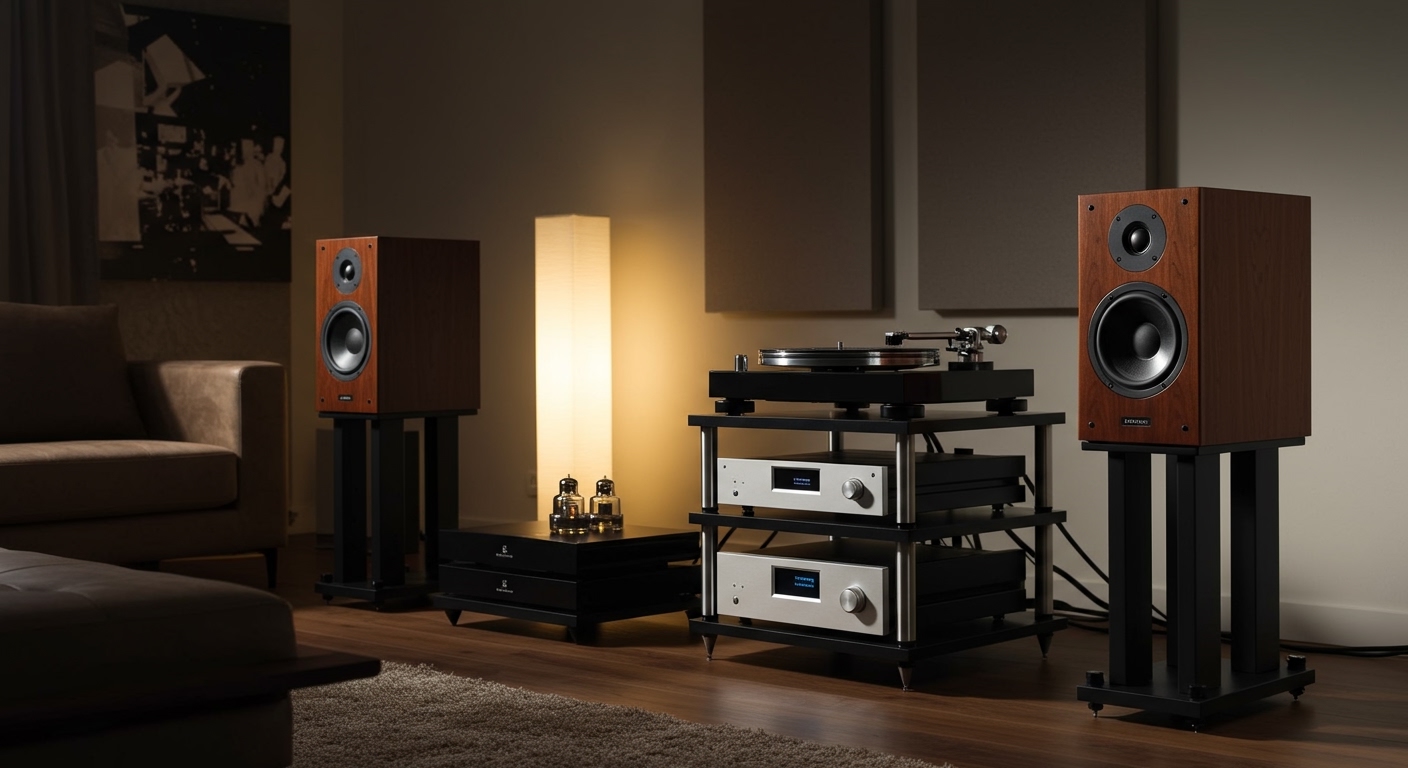
- The Equilateral Triangle: Your seat and the two speakers should form a perfect triangle.
- Toe-In: Angle the speakers slightly toward your ears to improve high-frequency focus.
- Wall Distance: Keep speakers at least 6-12 inches away from walls to prevent “boomy” bass.
Car Speaker Installation Essentials
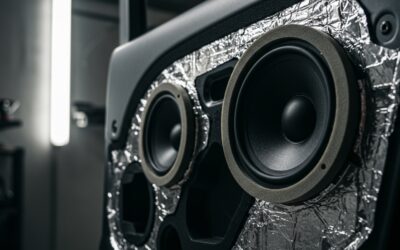
Sound Deadening: Apply butyl rubber sheets (like Dynamat) to your car doors. This reduces vibration and makes even cheap speakers sound like good speakers.
Baffles: Use foam baffles to protect the speaker from water dripping inside the door.
Phase Check: Ensure the positive and negative wires are connected correctly. If one speaker is “out of phase,” the bass will disappear.
Tools and Materials Needed for Installation
| Category | Item | Purpose |
|---|---|---|
| Tools | Wire Strippers | For clean electrical connections. |
| Tools | Multimeter | To check impedance and find “clipped” signals. |
| Materials | Oxygen-Free Copper (OFC) Wire | Ensures maximum signal transfer without corrosion. |
| Materials | Sound Deadening Mats | Eliminates door rattles and improves mid-bass. |
| Materials | Mounting Adapters | Adapts universal speakers to specific car factory holes. |
Common Mistakes to Avoid
Buying Based on “Peak Power”: This is a marketing gimmick. Only look at RMS (Root Mean Square) power.
Ignoring the Source: Playing low-quality YouTube rips on $1,000 speakers will still sound bad. Use Lossless audio files (FLAC or Tidal HiFi).
Skipping the Subwoofer: Small speakers cannot physically move enough air to create deep bass. A dedicated sub is almost always necessary for a full experience.
Mixing Brands in a Home Theater: For the best “surround” experience, try to use the same brand and series for the front three speakers (Left, Right, Center) to ensure timbre matching.
FAQs About Choosing Good Speakers
What are good speakers for a car if I’m on a budget?
For budget-conscious buyers, brands like Rockford Fosgate and Pioneer offer “Prime” or “A-Series” speakers. These are excellent what are good car speakers to buy because they provide a significant jump in clarity over factory paper cones without requiring an expensive amplifier.
How do I know if a speaker is “high-end”?
Look at the Total Harmonic Distortion (THD) and the weight. High-end speakers use heavy magnets and thick cabinets to prevent unwanted resonance. If a speaker feels light and hollow, it likely won’t produce high-quality sound.
What are good speakers for music in a small room?
In small spaces, Active Bookshelf Speakers (like those from Audioengine or Edifier) are ideal. They have built-in amplifiers, saving space while being tuned specifically for near-field listening on a desk or small shelf.
Are wireless speakers considered “good speakers”?
Modern Bluetooth and Wi-Fi speakers (like Sonos or Denon Home) have improved immensely. While purists prefer wired connections for zero latency, Wi-Fi-based systems now support High-Res Audio, making them excellent for convenience without sacrificing much quality.
Conclusion: Investing in Your Ears
Determining what are good speakers is a personal journey that balances technical specs with your own “ear.” Whether you are looking for what are good speakers for a car to make your commute more enjoyable or building a dedicated listening room, prioritize RMS power, sensitivity, and build materials.
Start by identifying your budget and your space constraints. If you are upgrading a car, don’t forget the sound deadening. If you are building a home system, focus on placement. By following these expert steps, you will ensure that every dollar spent translates into a richer, more immersive auditory experience.
Ready to upgrade your sound? Start by measuring your car’s factory speaker size or mapping out your living room’s “sweet spot” today!